RisingStar
- Home
- About Us
- Products
- News
- Video
- Contact
- Send Inquiry
Search
- Home
- About Us
- Products
- News
- Video
- Contact
- Send Inquiry
RisingStar
High-brightness sunlight-readable LCD screens have become essential in modern outdoor display technology, particularly in applications where visibility under direct sunlight is critical. These displays are engineered to maintain clarity and readability even in intense ambient lighting conditions—commonly found in military, transportation, industrial, and consumer sectors. Unlike standard LCDs, which often appear washed out or invisible under bright sunlight, sunlight-readable LCDs use advanced backlighting, anti-glare coatings, and optimized contrast ratios to ensure reliable performance in harsh environments.
One of the most prominent practical applications of these screens is in military field operations. For example, handheld devices such as GPS units, tactical tablets, and command-and-control displays must function accurately in direct sunlight while operating in extreme temperatures—from -20°C to +70°C. According to a 2023 U.S. Department of Defense report, over 85% of newly procured portable electronic systems now incorporate sunlight-readable displays due to their proven reliability in combat zones.
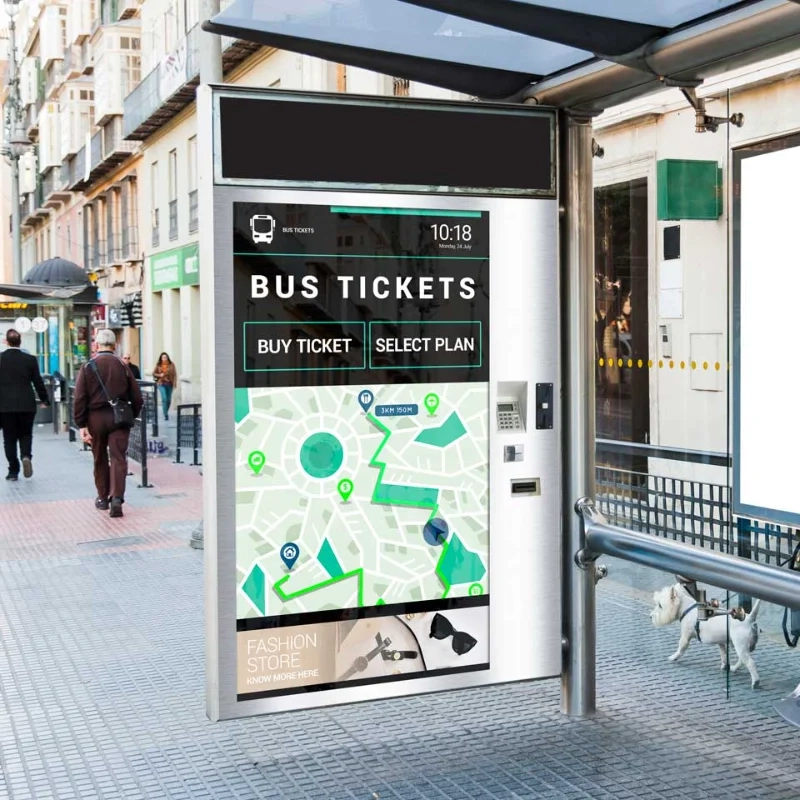
In the transportation industry, high-brightness LCDs are used in vehicle dashboards, bus and train infotainment systems, and airport departure boards. A case study by Siemens Transportation (2022) showed that replacing standard LCDs with sunlight-readable models reduced driver confusion and improved passenger satisfaction by up to 30% in outdoor transit hubs. Similarly, automotive manufacturers like BMW and Tesla integrate these displays into dashboard instruments to enhance driver safety during daylight driving conditions.
Advantages of high-brightness sunlight-readable LCDs include:
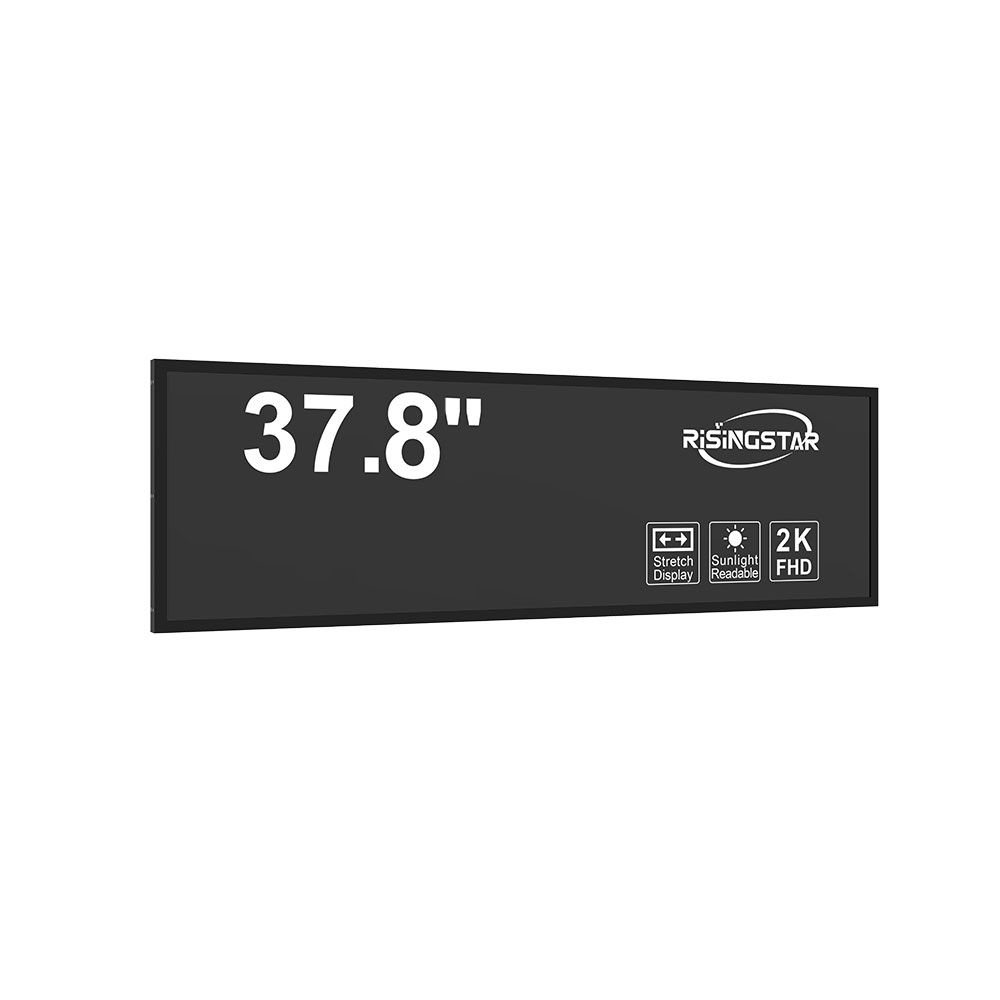
- Brightness levels ranging from 3,000 to 10,000 nits—far exceeding the typical 250–500 nits of consumer-grade displays.
- Use of transflective liquid crystal technology that combines reflective and transmissive modes for optimal power efficiency and visibility in both indoor and outdoor settings.
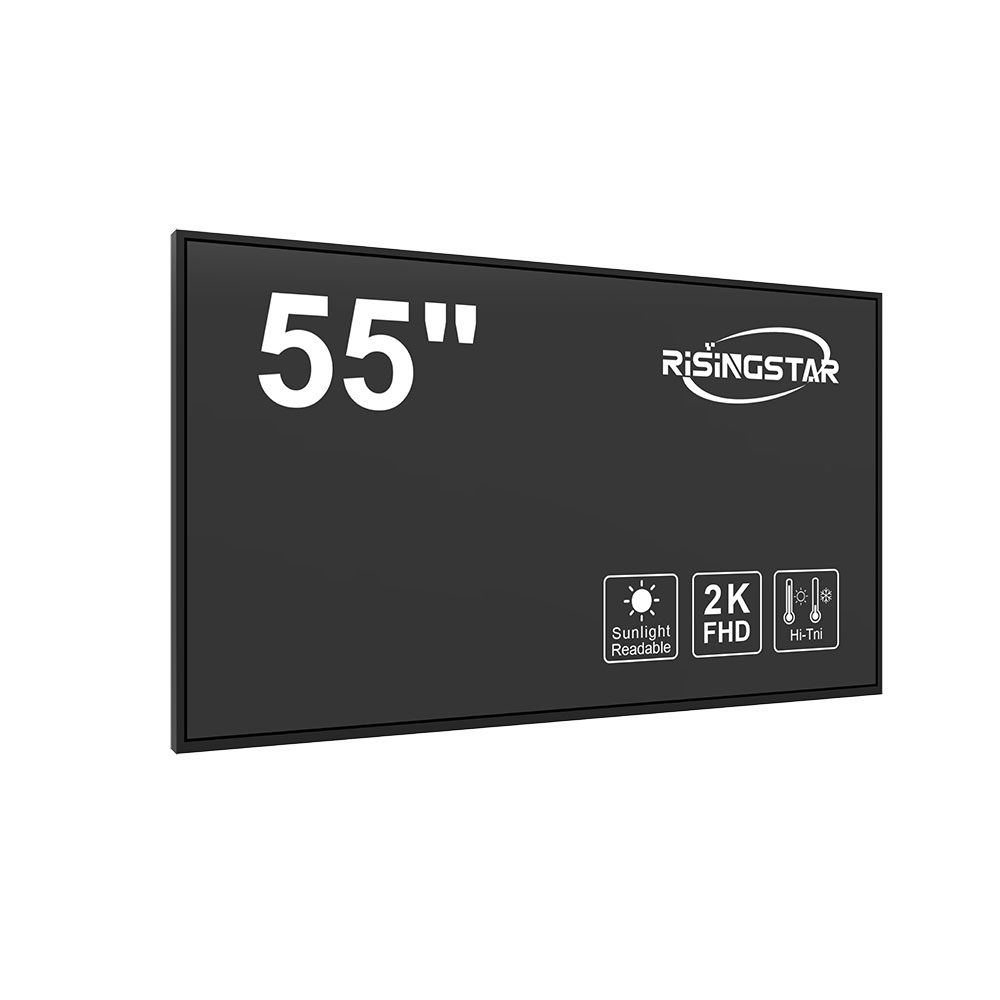
- Enhanced durability through ruggedized casings, IP65-rated sealing, and resistance to shock, vibration, and temperature extremes.
However, common problems still exist. One issue is heat buildup in high-brightness configurations, which can lead to premature aging of components if thermal management is inadequate. Another challenge is cost; these displays can be 3 to 5 times more expensive than standard LCDs due to specialized materials and manufacturing processes. Additionally, achieving uniform brightness across the screen remains a technical hurdle, especially in larger panels above 15 inches.
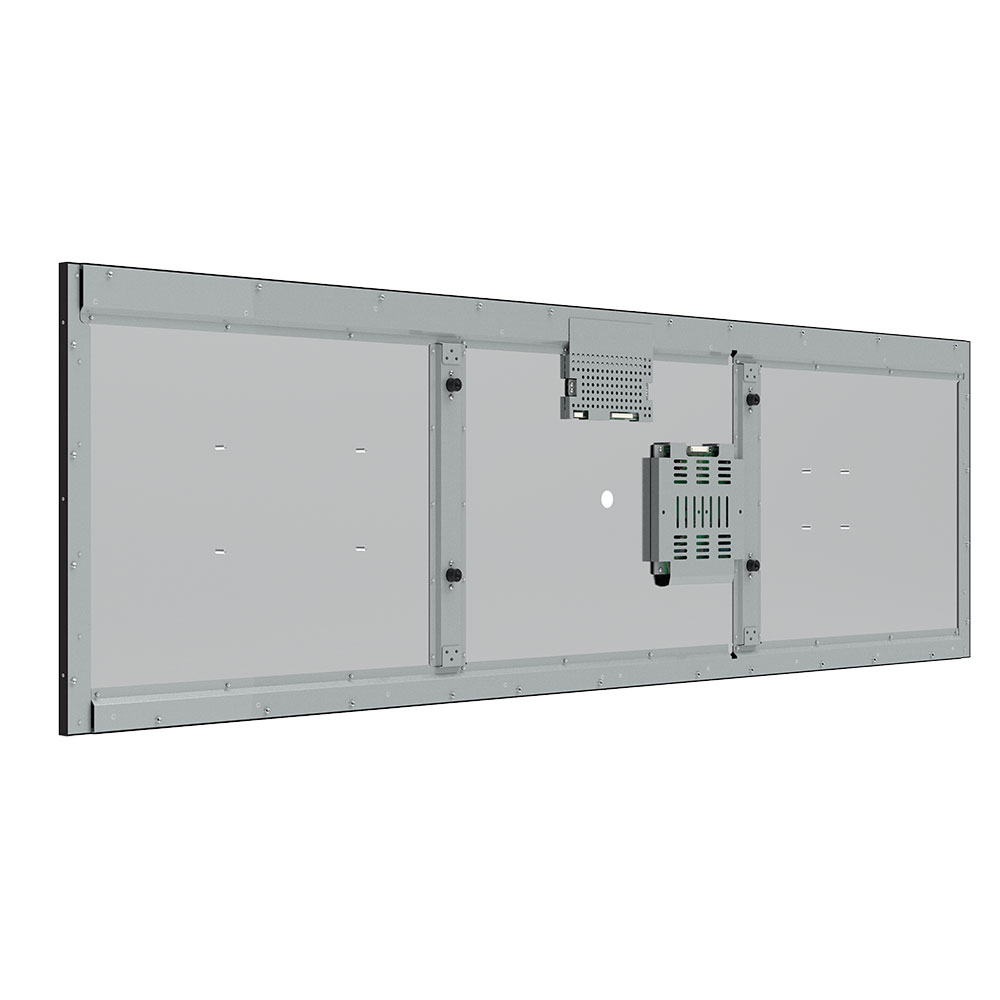
Recent trends show a shift toward mini-LED backlights and quantum dot enhancement to boost brightness while reducing energy consumption. In 2024, Sharp and LG Display introduced new generations of sunlight-readable panels using micro-LED arrays that offer dynamic local dimming—a feature previously reserved for premium OLEDs. Moreover, AI-based adaptive brightness control is being integrated into embedded controllers to optimize visibility without increasing power draw, aligning with global sustainability goals.
As industries increasingly adopt IoT-enabled outdoor systems—from smart city kiosks to solar-powered agricultural monitoring stations—the demand for robust, sunlight-readable displays will continue to grow. Manufacturers must focus on balancing performance, longevity, and cost-effectiveness to meet evolving user needs in diverse environments worldwide.