RisingStar
- Home
- About Us
- Products
- News
- Video
- Contact
- Send Inquiry
Search
- Home
- About Us
- Products
- News
- Video
- Contact
- Send Inquiry
RisingStar
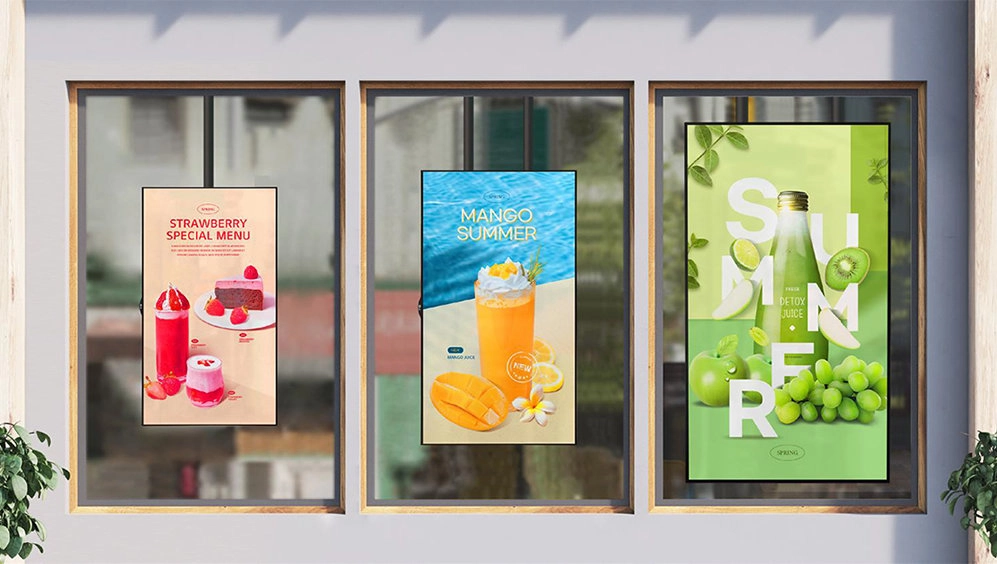
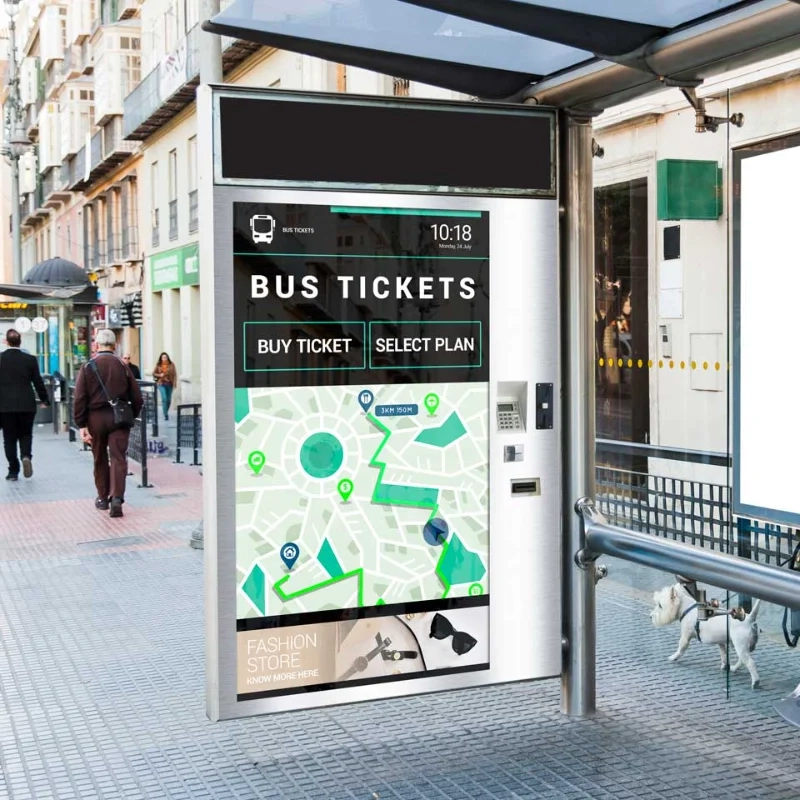
In the rapidly evolving world of display technology, high-brightness sunlight-readable LCD screens have become indispensable in outdoor and harsh environmental applications. These specialized displays are engineered to maintain clarity, contrast, and readability even under direct sunlight—typically exceeding 10,000 nits of peak brightness—a stark contrast to standard indoor LCDs that usually top out at around 300–500 nits. The demand for such screens is growing across industries including military, transportation, agriculture, public information systems, and industrial automation, where visibility under extreme lighting conditions is not just a convenience but a safety requirement.
The core innovation behind these screens lies in their ability to combat ambient light interference while optimizing power efficiency and thermal management. Unlike conventional LCDs that rely solely on backlighting, sunlight-readable LCDs integrate advanced optical enhancements such as anti-glare coatings, polarized filters, and reflective backlights or dual-layer LED configurations. Some models also use transflective liquid crystal technology—a hybrid approach combining transmission (for low-light environments) and reflection (for bright daylight)—to maximize performance across diverse lighting scenarios without significantly increasing power consumption.
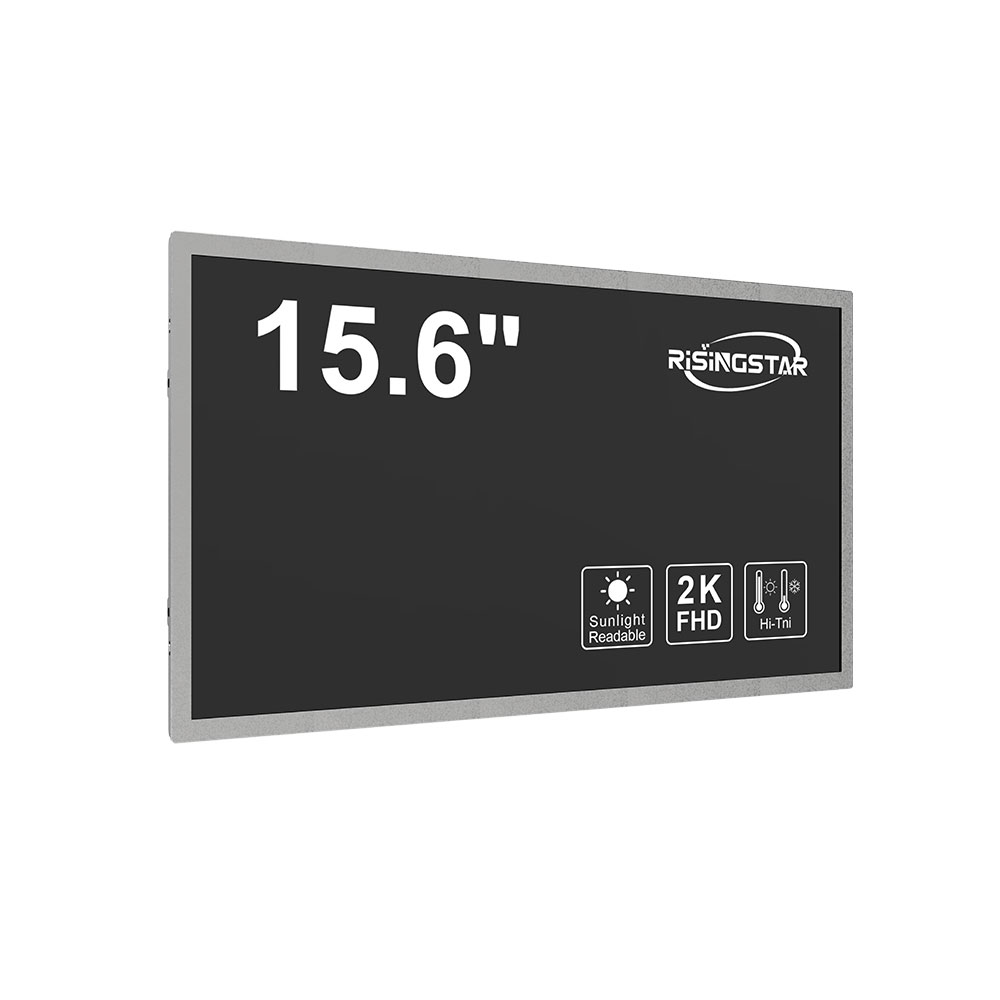
A case study from the U.S. Department of Defense highlights the deployment of high-brightness LCDs in tactical field displays used by infantry units. These devices were tested under full-sun conditions at 40°C ambient temperature and showed over 95% readability accuracy compared to 60% for standard commercial displays. Similarly, a recent project by Siemens in smart traffic management systems deployed 5,000+ units of 15-inch sunlight-readable displays in urban areas. The result? A 40% reduction in maintenance calls related to display unreadability during daytime hours.
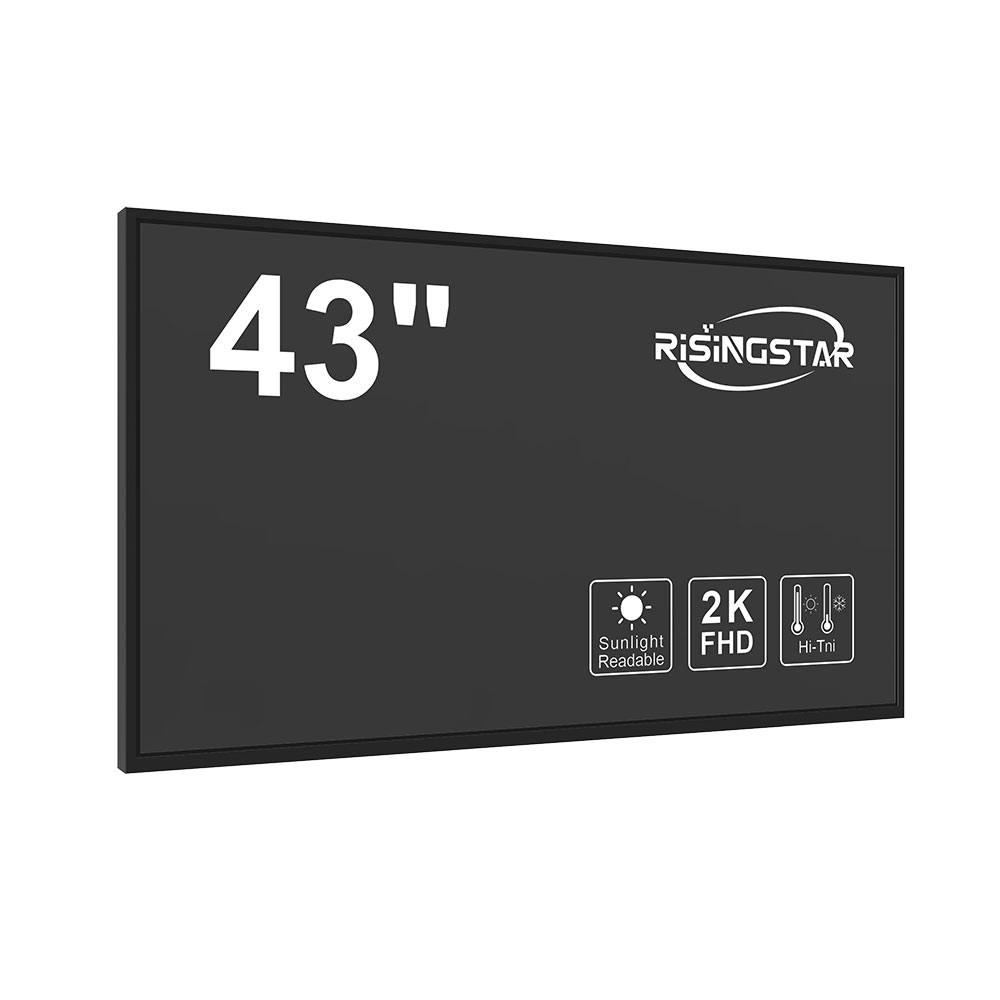
Manufacturers like ELO Touch Systems, Crystalfontz, and LG Display have led the market with certified solutions compliant with MIL-STD-810G and IP65/67 ratings, ensuring durability against dust, water ingress, and mechanical shock. Additionally, modern high-brightness LCDs now support wide viewing angles (up to 178°), touch interactivity (including glove-friendly capacitive sensors), and integration with ruggedized enclosures designed for -20°C to +70°C operating ranges.
From an engineering perspective, achieving high brightness while maintaining long-term reliability requires precise control over pixel density, color gamut, and driver circuitry. For instance, using mini-LED or micro-LED backlight arrays enables local dimming zones, which improve contrast ratios and reduce heat buildup—an essential factor for embedded systems in vehicles or solar-powered kiosks. Moreover, firmware-level optimization through adaptive brightness algorithms ensures energy conservation without compromising usability.
The future of this technology includes AI-driven brightness adjustment, improved OLED alternatives for higher contrast, and the integration of AR overlays in field-deployed systems. As global infrastructure becomes increasingly digital, especially in remote and mobile settings, the need for robust, readable, and energy-efficient display solutions will continue to grow. High-brightness sunlight-readable LCDs are no longer niche—they are foundational to next-generation outdoor human-machine interfaces.