 RisingStar
- Home
- About Us
- Products
- News
- Video
- Contact
- Send Inquiry
Search
- Home
- About Us
- Products
- News
- Video
- Contact
- Send Inquiry
RisingStar
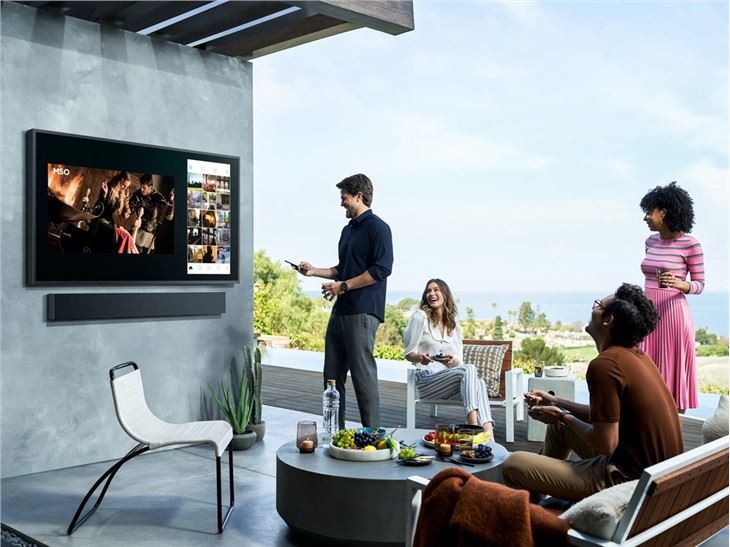
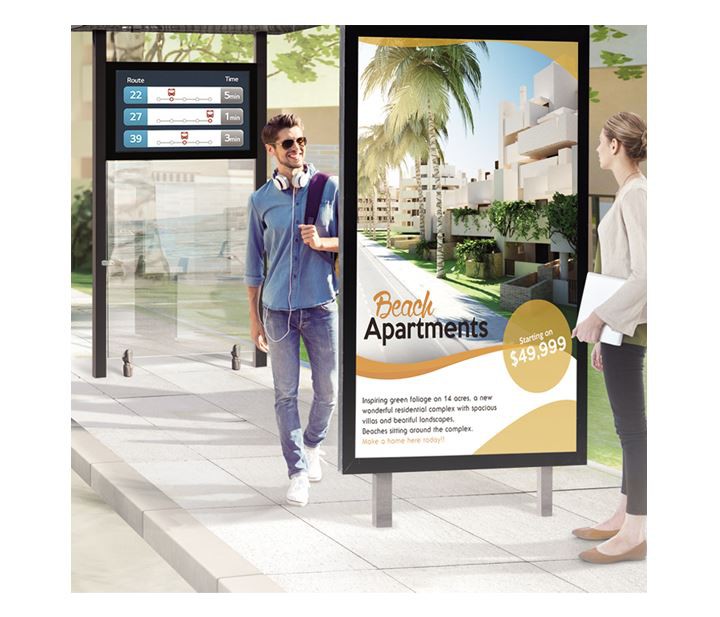
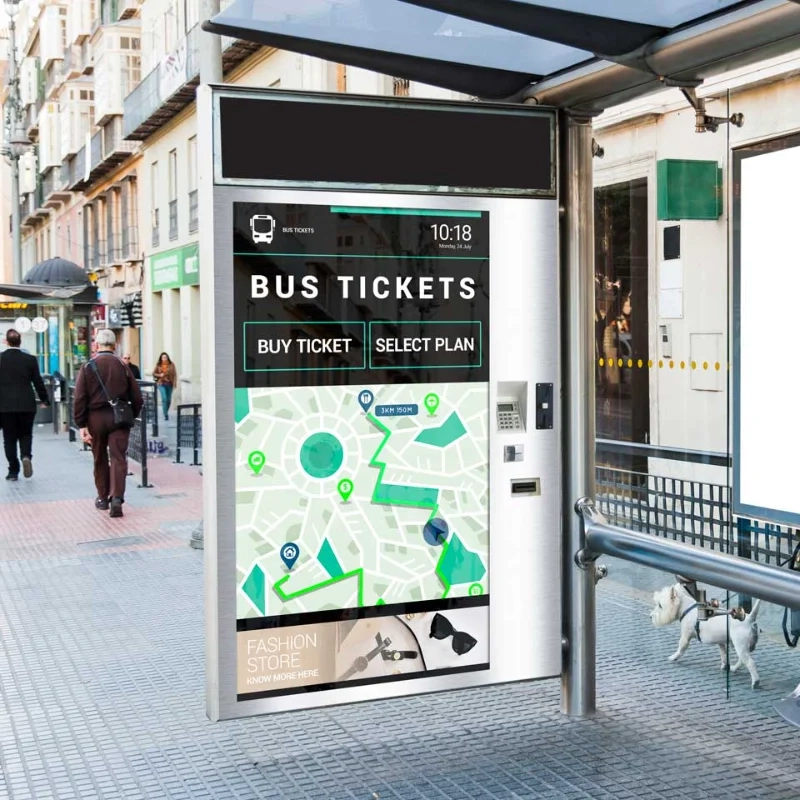
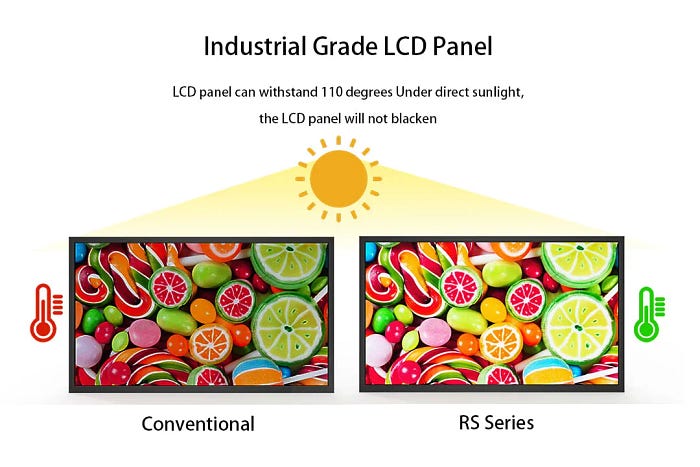
High brightness sunlight-readable LCD screens are essential in outdoor and high-glare environments such as military operations, industrial control systems, transportation interfaces, and public information displays. These displays must maintain readability under direct sunlight, which can exceed 100,000 lux, far beyond the typical indoor lighting level of 300–500 lux. Traditional LCDs often fail in such conditions due to insufficient luminance and poor contrast ratios. The solution lies in specialized engineering that enhances both optical performance and environmental resilience.
Sunlight-readable LCDs achieve their functionality through a combination of high-brightness backlighting (typically 5,000 to 10,000 nits), anti-reflective coatings, advanced polarizers, and optimized liquid crystal materials. For instance, modern designs use cold cathode fluorescent lamps (CCFL) or more commonly, LED backlights with integrated diffusers to distribute light evenly across the panel. Manufacturers like Sharp, LG Display, and Innolux have developed proprietary technologies such as "Super View" and "High Brightness IPS" that improve viewing angles and reduce glare without sacrificing color accuracy.
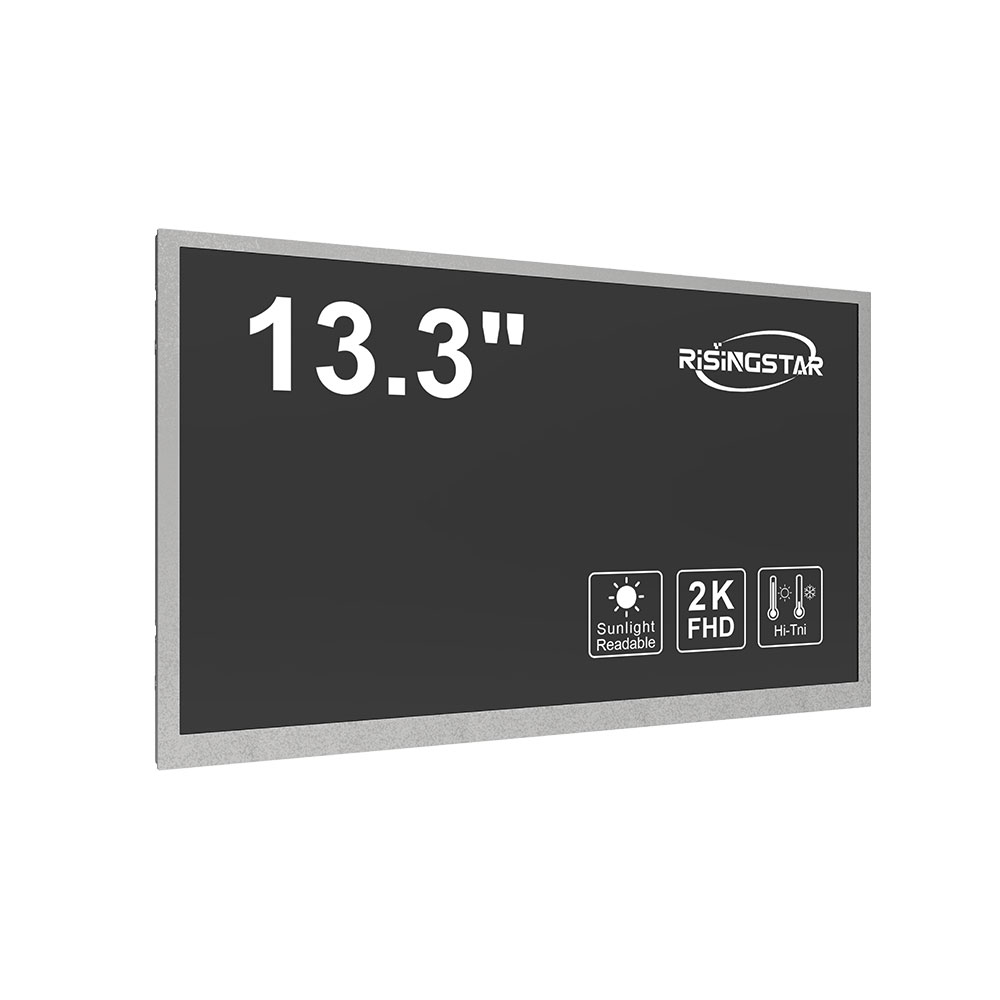
One critical aspect is the integration of ambient light sensors and automatic brightness adjustment (ABA). This not only enhances user experience but also reduces power consumption—an important factor in battery-powered applications like drones or field medical devices. In military contexts, MIL-STD-810G standards ensure that these screens withstand shock, vibration, temperature extremes (-40°C to +70°C), and humidity. Similarly, IP65 or higher ingress protection ratings are common in industrial settings where dust and water exposure are concerns.
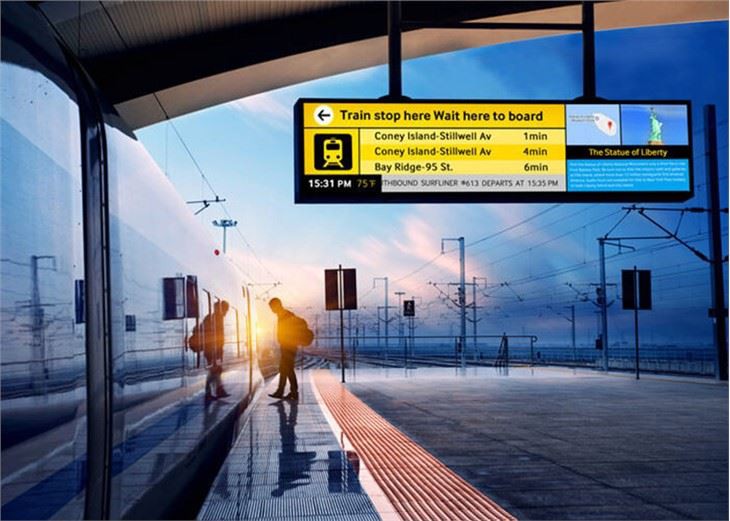
Case studies from real-world deployments highlight the effectiveness of these technologies. For example, in 2022, the U.S. Army tested a ruggedized tablet equipped with a 7,000-nit sunlight-readable display for battlefield communication. The screen remained fully legible even during midday sun on desert terrain—a key advantage over standard consumer-grade tablets. Another case involved a European railway operator that deployed digital signage using 6,000-nit LCD panels at train platforms exposed to full sunlight; customer feedback reported a significant reduction in misreadings compared to previous low-brightness solutions.
From an industry perspective, the global demand for sunlight-readable LCDs is projected to grow at a CAGR of 7.3% from 2023 to 2030, driven by IoT expansion, smart city initiatives, and autonomous vehicle interfaces. According to Statista and MarketsandMarkets, this growth is fueled by advancements in OLED and micro-LED alternatives, though LCD remains dominant due to cost-efficiency and mature manufacturing processes. Additionally, IEEE standards such as IEEE 1354 provide guidelines for evaluating display performance under various lighting conditions, ensuring consistency across vendors.
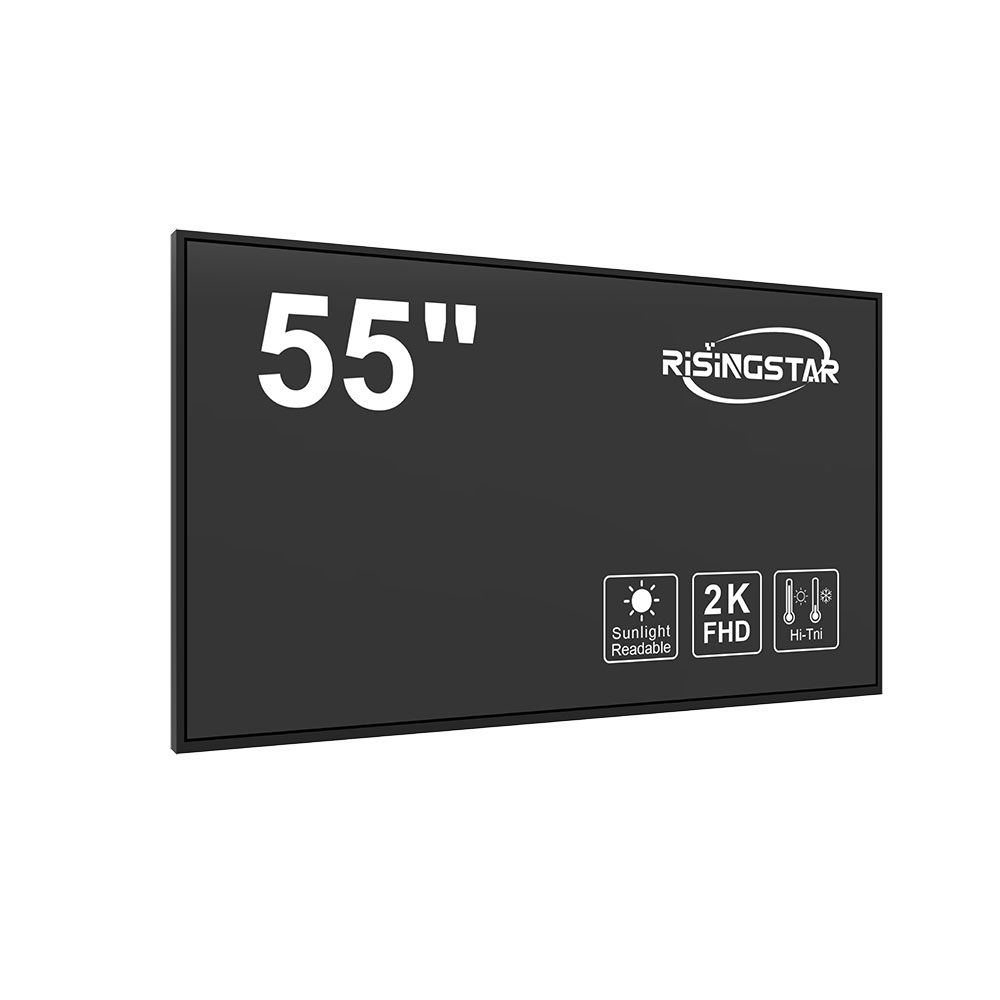
In summary, high brightness sunlight-readable LCD technology is no longer just a niche requirement—it's a core component of modern electronics operating in demanding environments. With continuous innovation in materials science, optics, and power management, engineers are pushing the boundaries of what’s possible in visibility, durability, and efficiency.