RisingStar
- Home
- About Us
- Products
- News
- Video
- Contact
- Send Inquiry
Search
- Home
- About Us
- Products
- News
- Video
- Contact
- Send Inquiry
RisingStar
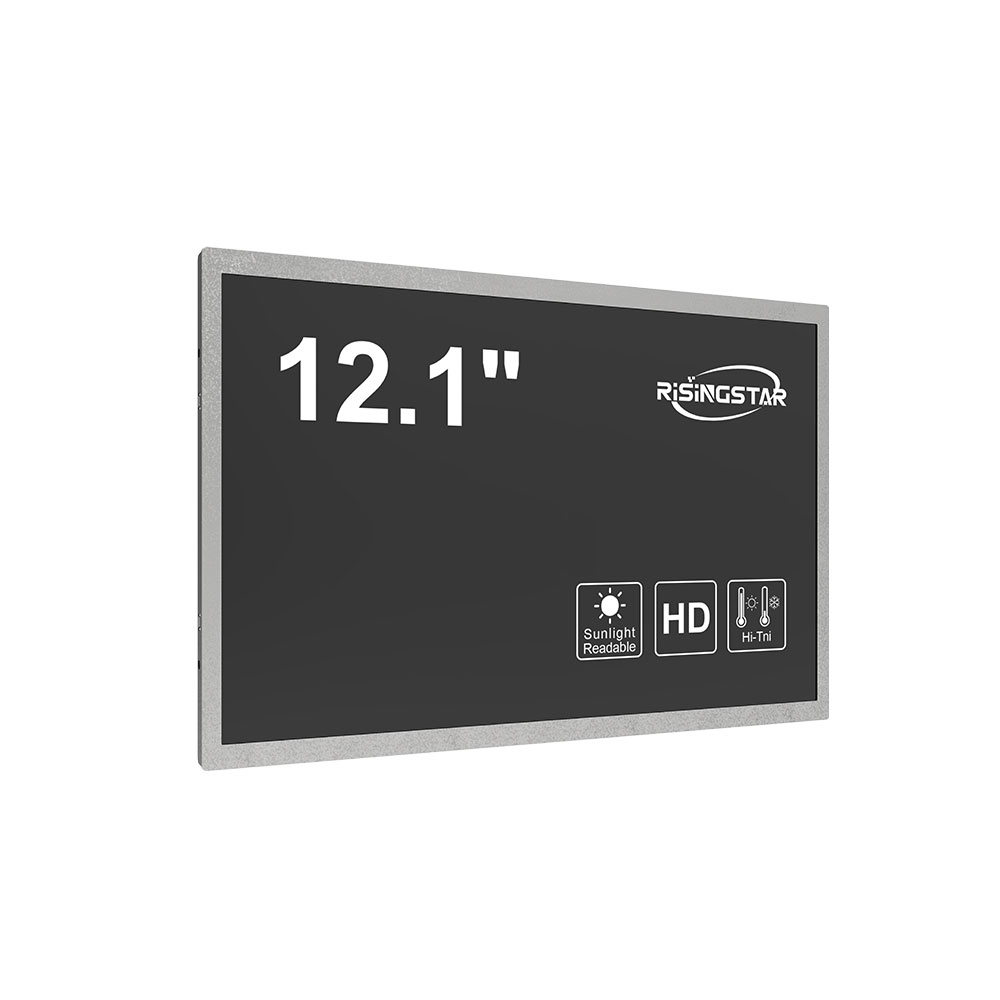
High-brightness sunlight-readable LCD screens are essential components in modern outdoor display systems, particularly in industrial, military, automotive, and transportation sectors where visibility under direct sunlight is critical. These displays typically achieve brightness levels of 5,000 to 10,000 nits—significantly higher than standard indoor LCDs that operate at around 300–500 nits. This enhanced luminance ensures clear visibility even in intense solar radiation, such as at noon on a clear day, which can exceed 100,000 lux. The core technologies enabling this performance include advanced backlighting (such as LED arrays with optimized diffusers), high-contrast liquid crystal materials, anti-glare coatings, and polarized filters designed to reduce ambient light reflection.
Manufacturers like Sharp, LG Display, and Japan Display have pioneered the use of high-efficiency LEDs combined with micro-lens arrays and light guides to maximize brightness while minimizing power consumption—a crucial factor in battery-powered or solar-rechargeable applications. In military-grade displays, MIL-STD-810G standards dictate shock, vibration, temperature, and humidity resistance, ensuring reliability in extreme environments. For example, the U.S. Army’s AN/PRC-152 radio uses a 5,000-nit sunlight-readable screen, validated through rigorous field testing in desert and jungle conditions.
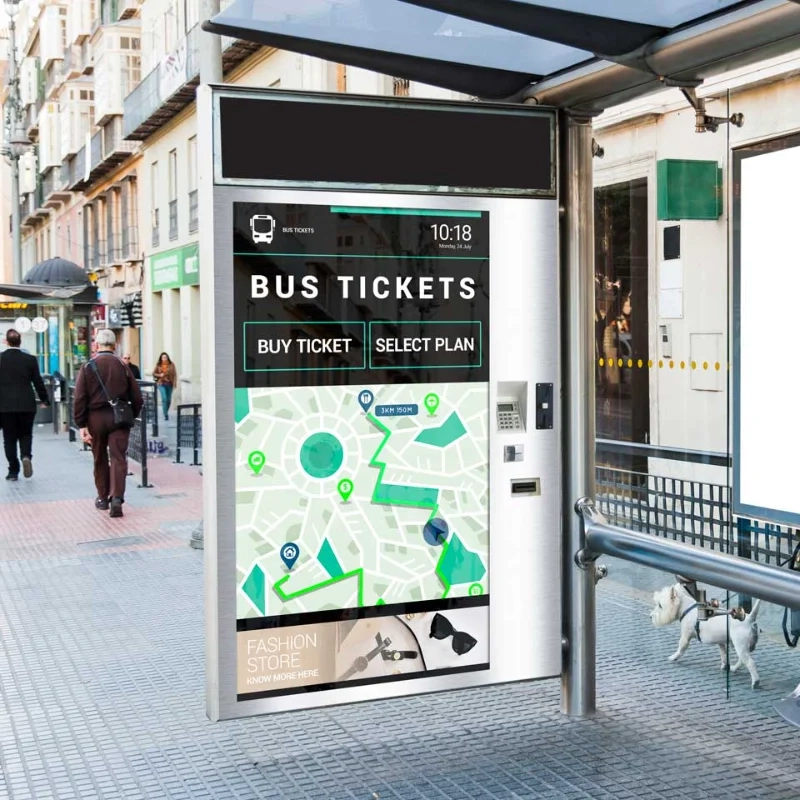
Case studies from the aviation industry further demonstrate the importance of these screens. Boeing 787 Dreamliner flight decks utilize high-brightness LCDs that remain readable during takeoff and landing under full sun exposure, reducing pilot workload and enhancing situational awareness. Similarly, in public transit systems like London Underground and Tokyo Metro, digital signage powered by sunlight-readable LCDs maintains legibility in open-air stations, improving passenger information delivery regardless of weather.
In addition to hardware innovations, software-based techniques such as adaptive brightness control algorithms and dynamic contrast enhancement play a role in optimizing performance without sacrificing energy efficiency. These features leverage ambient light sensors to adjust screen output in real time, preserving image quality while extending device longevity. According to a 2023 report by Grand View Research, the global market for sunlight-readable displays is projected to grow at a CAGR of 6.8% from 2023 to 2030, driven by increasing demand in smart cities, autonomous vehicles, and IoT-enabled infrastructure.
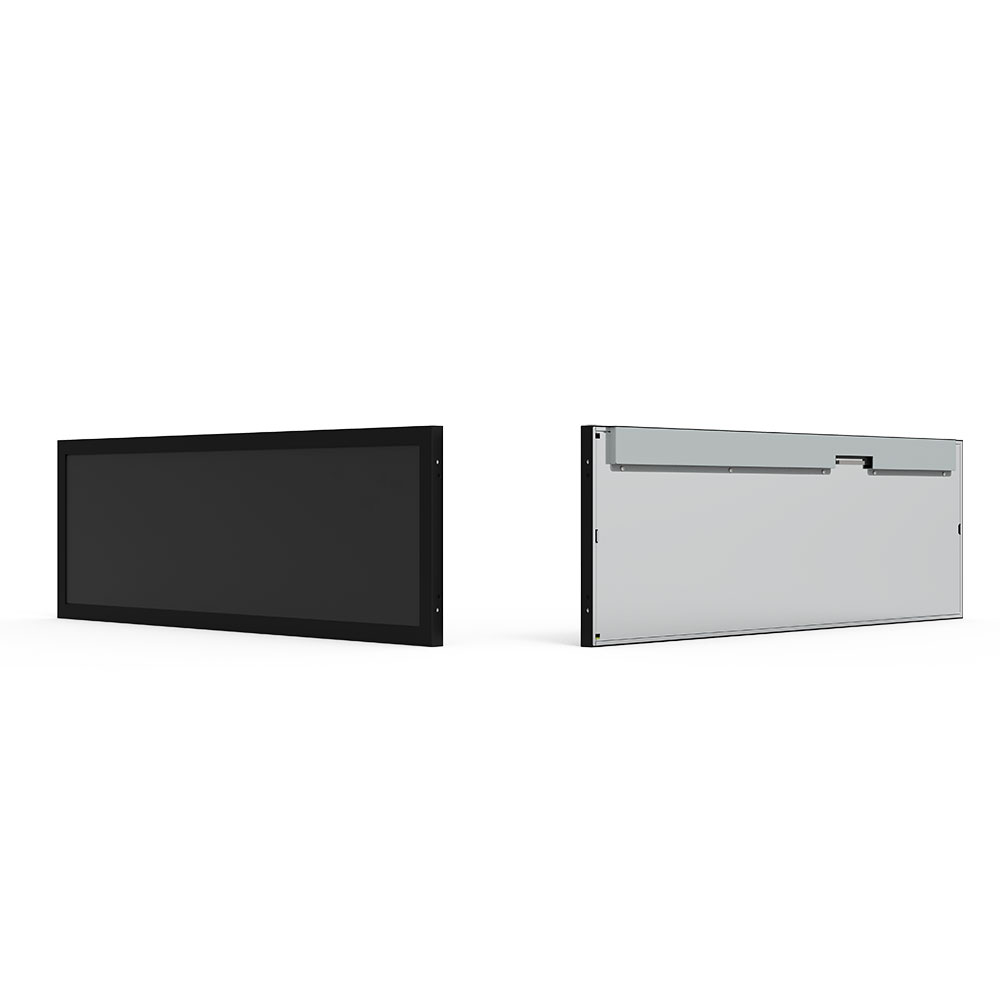
For engineers designing outdoor systems, selecting a high-brightness sunlight-readable LCD requires careful evaluation of parameters such as viewing angle, color accuracy under sunlight, response time (critical for fast-moving content), and long-term durability. Standards like ISO 9241-31 define readability metrics under various lighting conditions, helping designers make informed choices. Ultimately, these displays are not just about brightness—they’re about robustness, clarity, and human-centered design in challenging environments.