RisingStar
- Home
- About Us
- Products
- News
- Video
- Contact
- Send Inquiry
Search
- Home
- About Us
- Products
- News
- Video
- Contact
- Send Inquiry
RisingStar
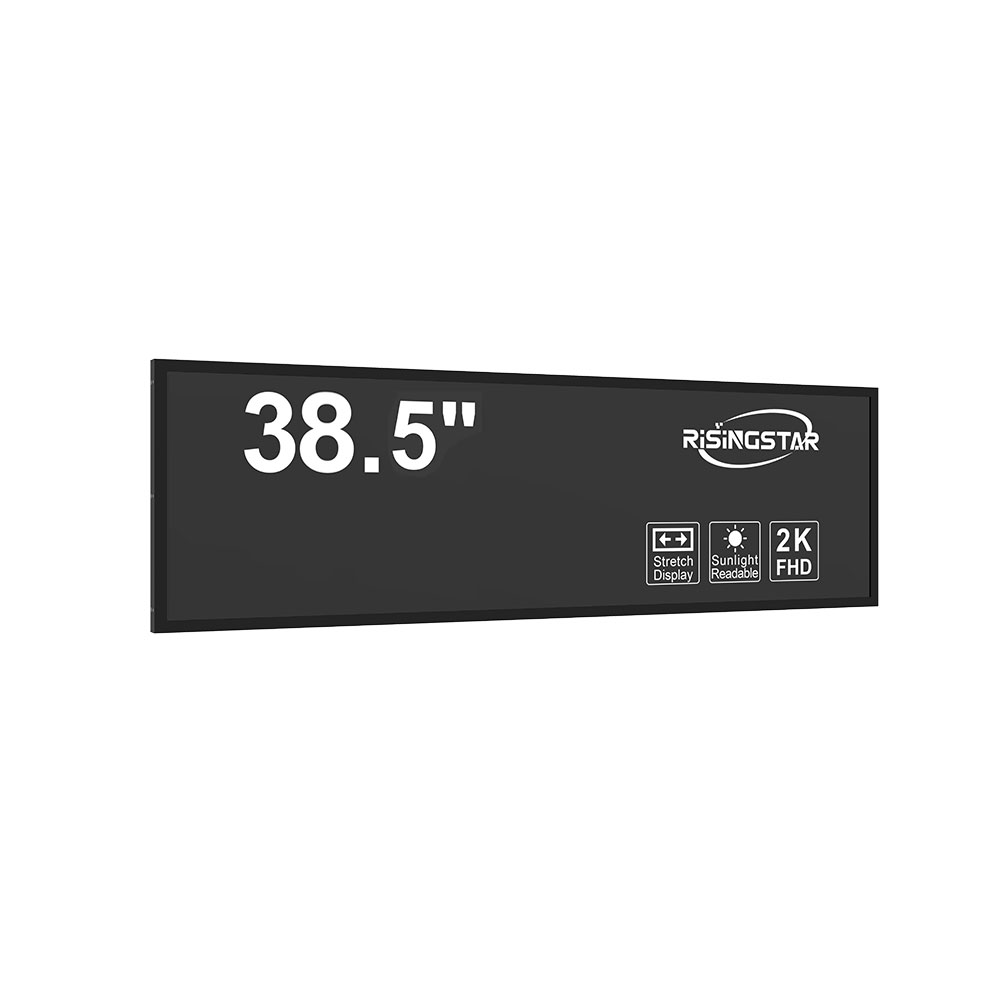
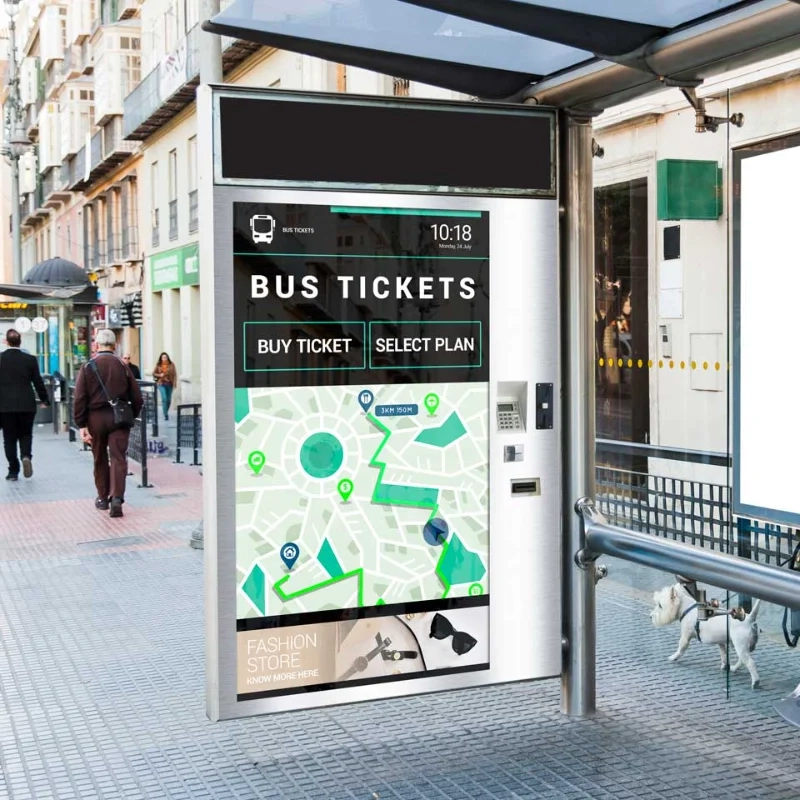
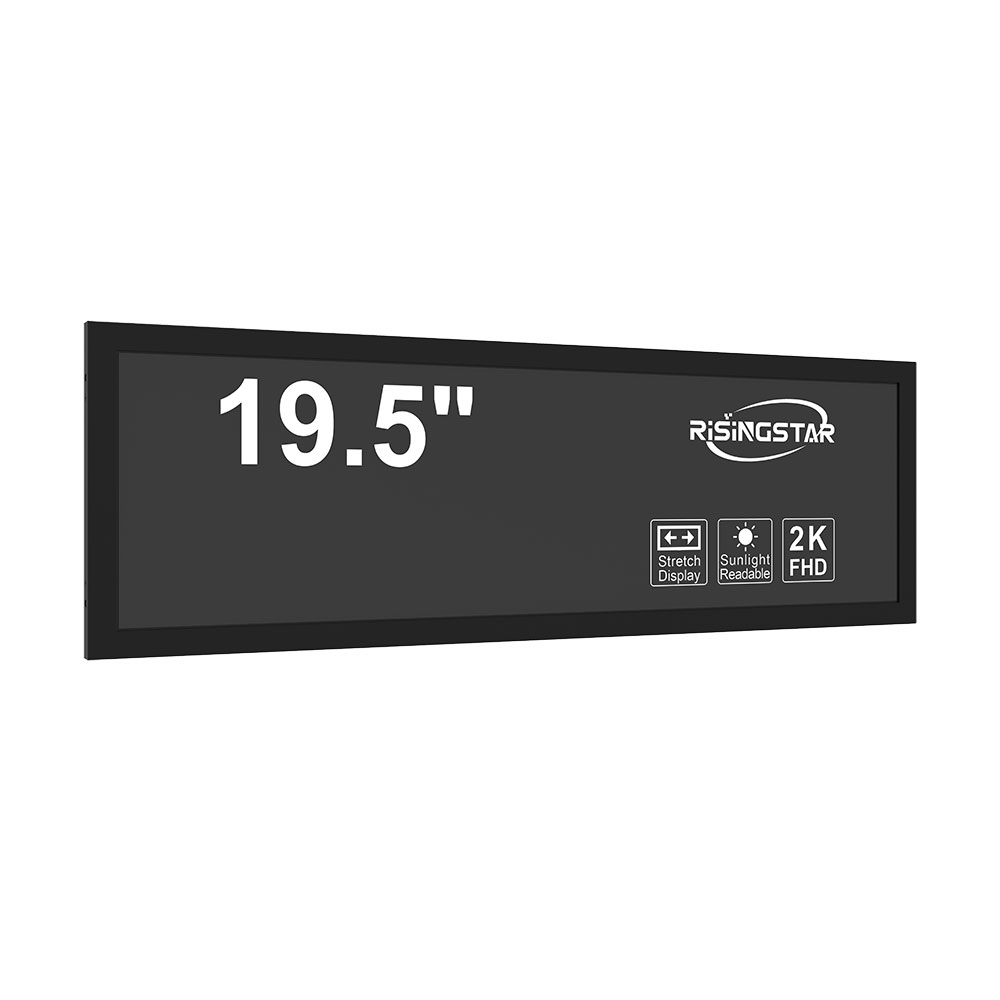
High-brightness sunlight-readable LCD screens are a critical innovation in display technology, specifically engineered to maintain visibility under intense ambient lighting conditions such as direct sunlight. Unlike standard LCDs that often become unreadable in outdoor environments due to low contrast and glare, these specialized displays achieve superior performance through advanced optical design, high peak luminance (typically 5,000 to 10,000 nits), and anti-glare surface treatments. Their use spans military, industrial, transportation, and consumer sectors—including ruggedized tablets, vehicle dashboards, kiosks, and public information systems.
The core of their effectiveness lies in the integration of multiple technologies: active matrix liquid crystal displays (TFT-LCDs) with enhanced backlight units (BLUs), polarization control layers, and sometimes even dual-layer or triple-layer light guides. For example, some high-end models incorporate LED arrays optimized for brightness uniformity and thermal efficiency, while others use reflective polarizers or diffusers to maximize light utilization—reducing power consumption without sacrificing visibility. According to the Society for Information Display (SID), modern sunlight-readable displays can operate reliably at over 10,000 nits peak brightness, which is roughly 20–30 times brighter than typical indoor LCDs.
Case studies from the defense sector highlight real-world applications: the U.S. Army’s Enhanced Night Vision Goggles (ENVG) system uses a high-brightness LCD for heads-up displays in daylight operations, ensuring soldier situational awareness regardless of environmental lighting. Similarly, in automotive applications, companies like Bosch and Continental have adopted sunlight-readable panels in electric vehicle infotainment systems, where screen readability during daytime driving is essential for safety compliance with ISO 15008 standards.
Thermal management remains a challenge in high-brightness designs due to increased heat output from powerful LEDs. Engineers employ passive cooling solutions such as aluminum heat sinks and active methods like thermoelectric coolers (TECs) to maintain optimal operating temperatures between 0°C and 50°C—a range certified by MIL-STD-810H for military-grade durability. Additionally, protective coatings like oleophobic and scratch-resistant films improve longevity in harsh environments, including sandstorms, salt spray, and UV exposure.
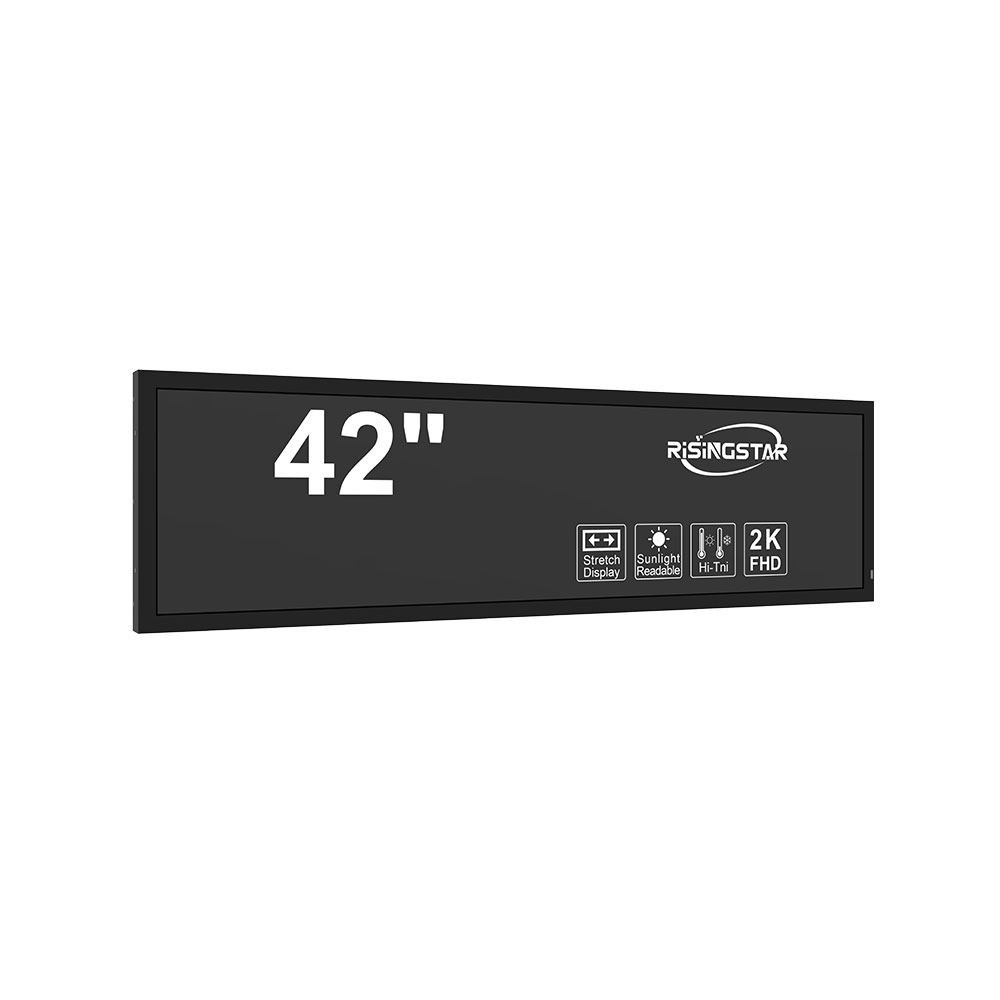
These displays also support wide viewing angles (>170°) and fast response times (<20ms), crucial for dynamic content like GPS navigation or video streaming. The latest advancements involve adaptive brightness control algorithms powered by machine learning, allowing the screen to adjust luminance based on ambient light sensors and user behavior patterns—an energy-efficient solution endorsed by the International Electrotechnical Commission (IEC) in IEC 62341.
As global demand grows for reliable outdoor digital interfaces—from smart city infrastructure to autonomous vehicles—the development of sunlight-readable LCDs continues to evolve rapidly. With ongoing R&D in quantum dot-enhanced backlights and micro-LED alternatives, this technology will remain indispensable for any application requiring clarity under direct sunlight.