RisingStar
- Home
- About Us
- Products
- News
- Video
- Contact
- Send Inquiry
Search
- Home
- About Us
- Products
- News
- Video
- Contact
- Send Inquiry
RisingStar
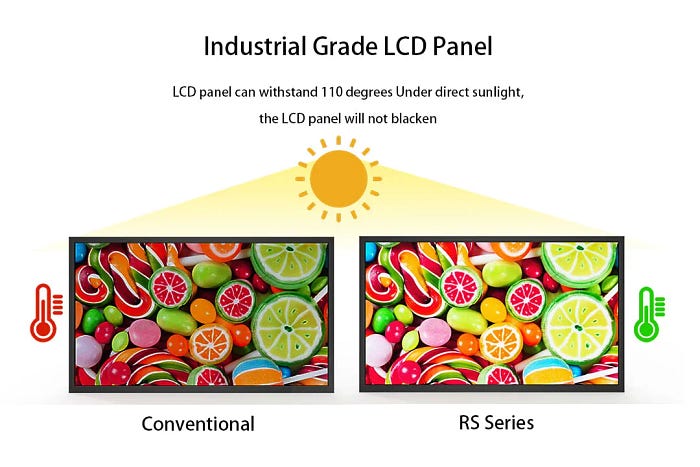
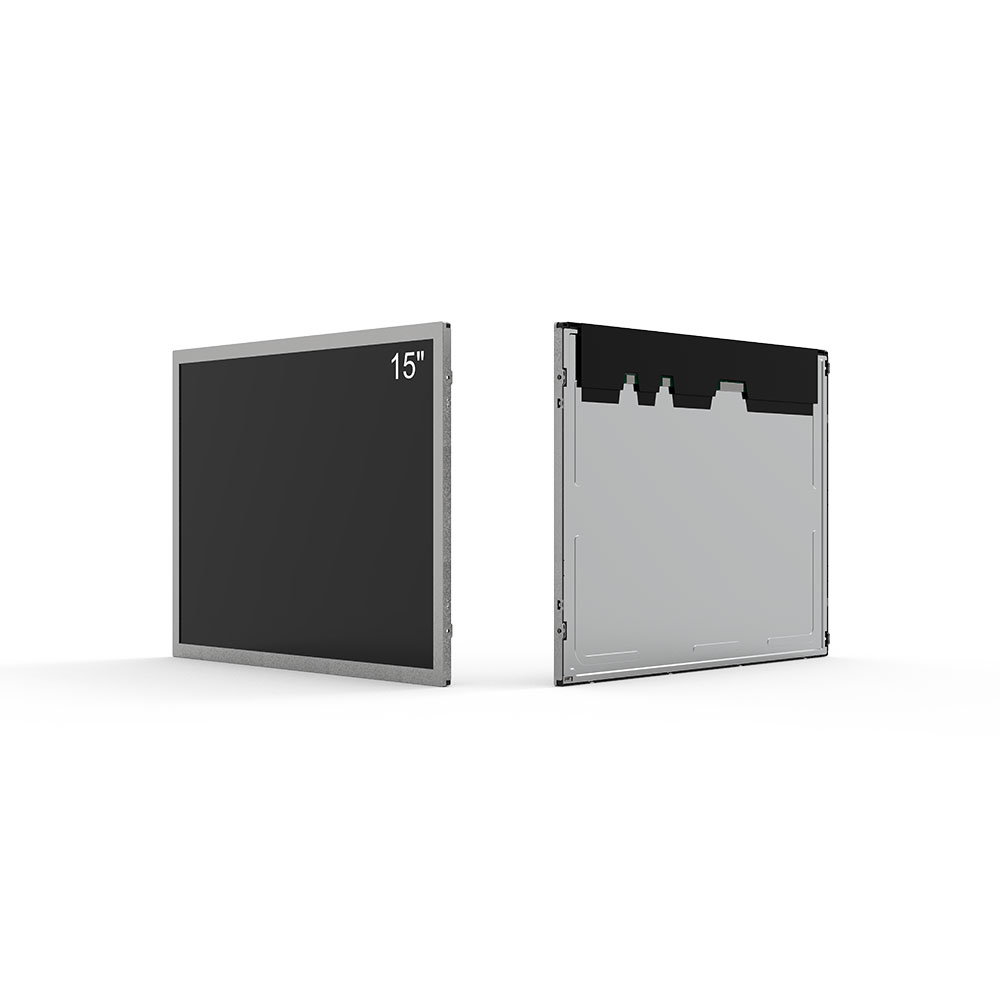
High-brightness sunlight-readable LCD screens are essential components in industrial, military, medical, and outdoor applications where visibility under direct sunlight is critical. The 4:3 aspect ratio—once dominant in CRT monitors and still widely used in specialized equipment—is experiencing a resurgence in modern embedded systems due to its compatibility with legacy software, control panels, and analog video signals. Among the most common display sizes in this category are 15”, 17”, and 19” units, which offer an optimal balance between screen real estate, power consumption, and physical footprint for ruggedized environments.
These displays typically achieve brightness levels of 3,000 to 5,000 nits or higher using advanced technologies such as high-efficiency LED backlighting, anti-glare coatings, and polarized film layers that minimize reflections while maximizing contrast. For example, a 17” 4:3 sunlight-readable LCD from manufacturers like EIZO or Innolux employs dual-layer diffusers and precision-engineered light guides to ensure uniform luminance even under extreme ambient conditions—such as midday sun at 100,000 lux or more. This performance is validated by ISO 9241-3 standards for visual ergonomics, ensuring usability in both indoor and outdoor scenarios.
Case studies from the U.S. Department of Defense and NASA show that 15” and 19” 4:3 displays are commonly deployed in field-deployable command consoles and satellite ground stations because they maintain readability during rapid environmental transitions—from dark vehicle interiors to open-air operations. These units often incorporate IP65-rated enclosures, wide operating temperature ranges (-20°C to +70°C), and shock-resistant designs compliant with MIL-STD-810G. Such features make them ideal for mobile platforms including unmanned aerial vehicles (UAVs), emergency response vehicles, and construction machinery.
The choice of 4:3 over newer 16:9 or 16:10 formats is not arbitrary—it’s driven by functional needs. In control rooms, for instance, 4:3 ensures vertical text alignment matches legacy human-machine interfaces (HMIs), reducing cognitive load and minimizing errors. Additionally, many industrial automation systems still rely on SCADA software designed around 4:3 resolutions (e.g., 1024x768), making these displays cost-effective upgrades without requiring software reconfiguration.
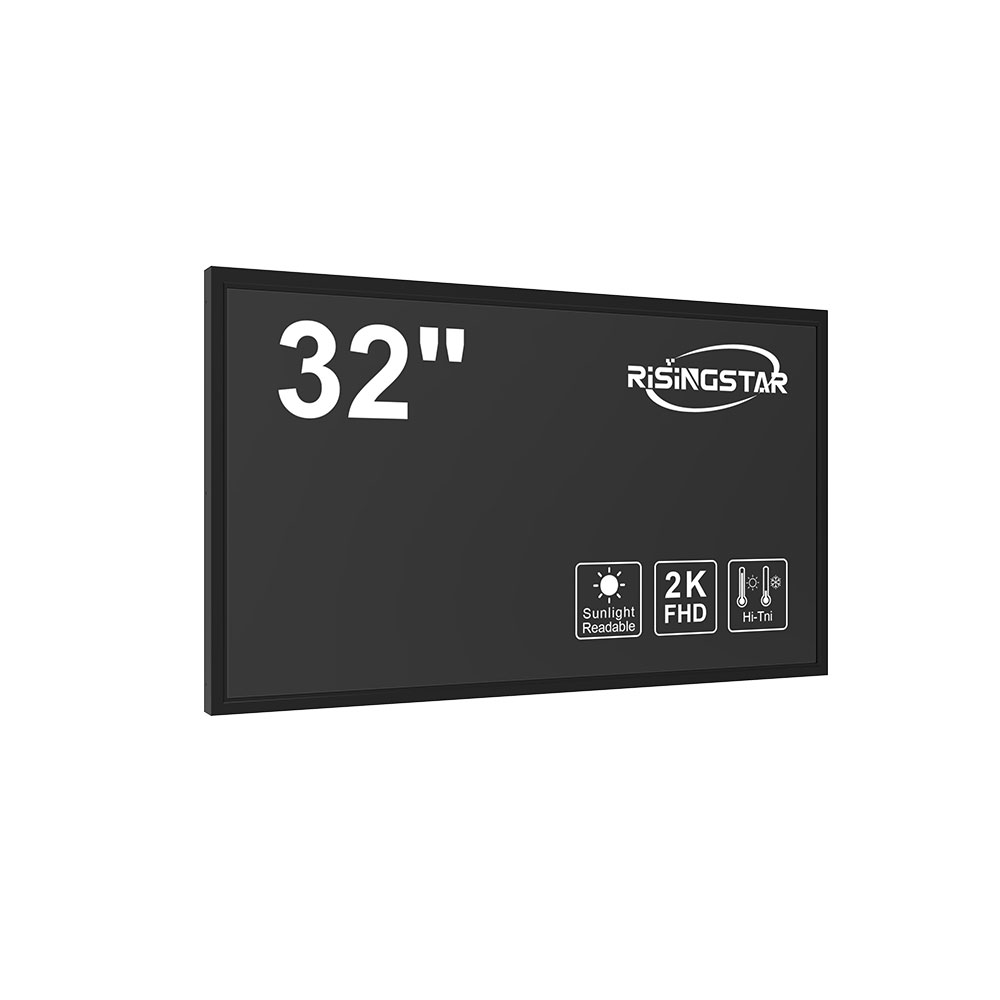
Manufacturers like LG Display, AU Optronics, and Sharp continue to innovate in this space by integrating adaptive brightness control via ambient light sensors (ALS), which dynamically adjust output to conserve energy while maintaining legibility. Furthermore, some models now support wide viewing angles (>170°) and digital interface options including LVDS, HDMI, and DisplayPort—ensuring backward compatibility with existing hardware ecosystems.
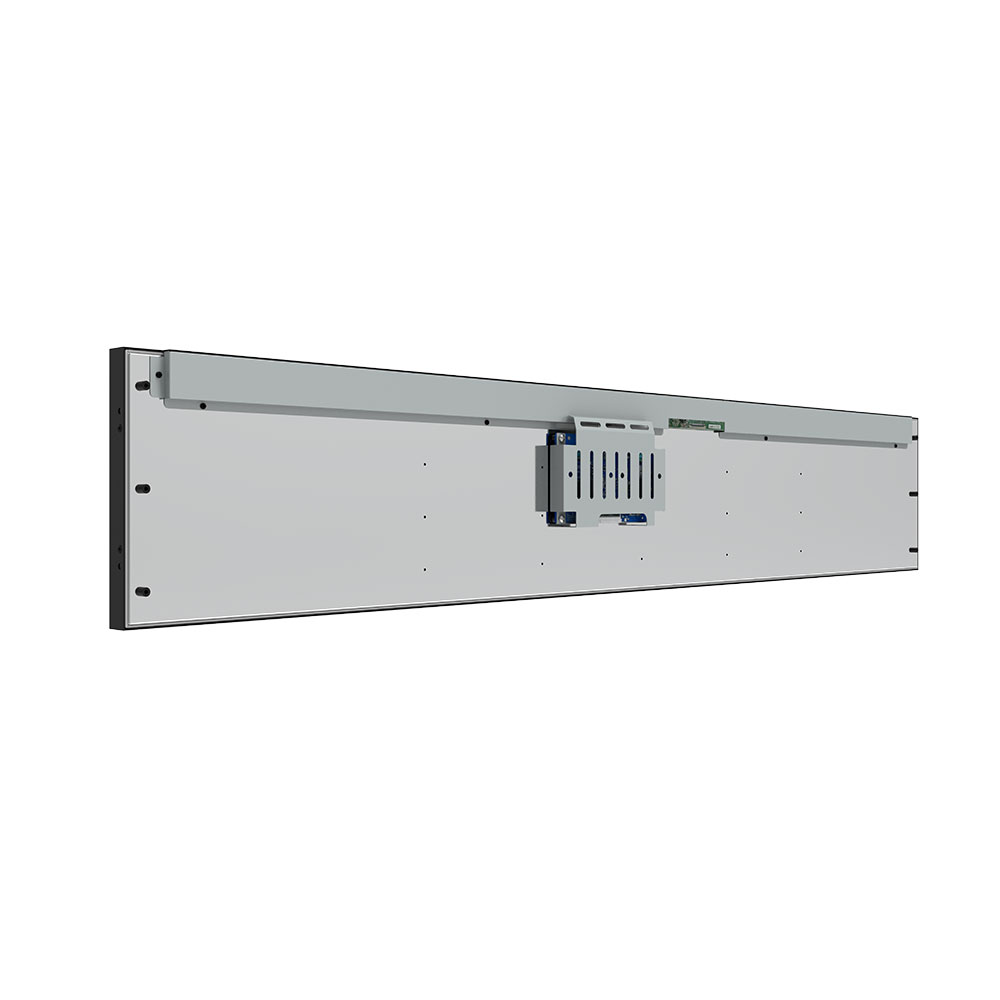
In summary, 15”, 17”, and 19” 4:3 high-brightness sunlight-readable LCDs remain indispensable tools in demanding environments where clarity, durability, and standardization matter most. Their continued relevance underscores a broader industry trend: technology must serve operational needs—not just aesthetics.