RisingStar
- Home
- About Us
- Products
- News
- Video
- Contact
- Send Inquiry
Search
- Home
- About Us
- Products
- News
- Video
- Contact
- Send Inquiry
RisingStar
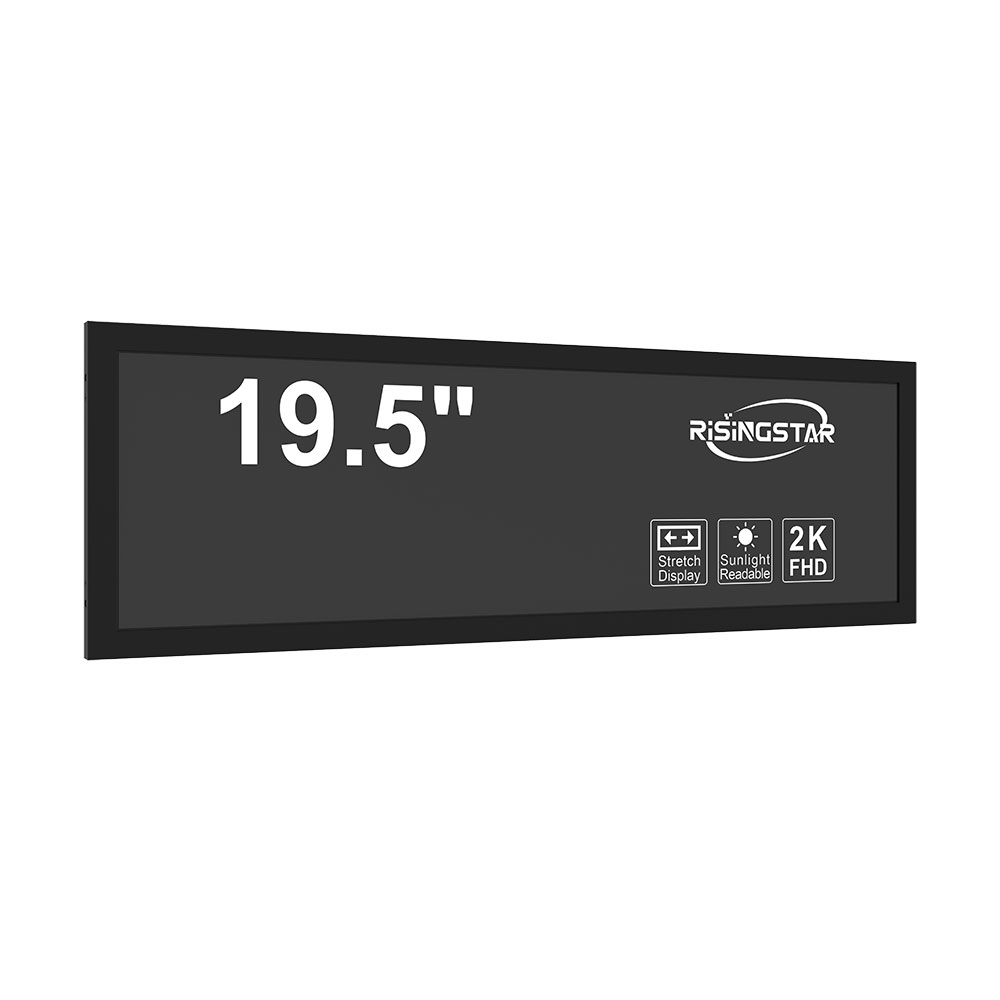
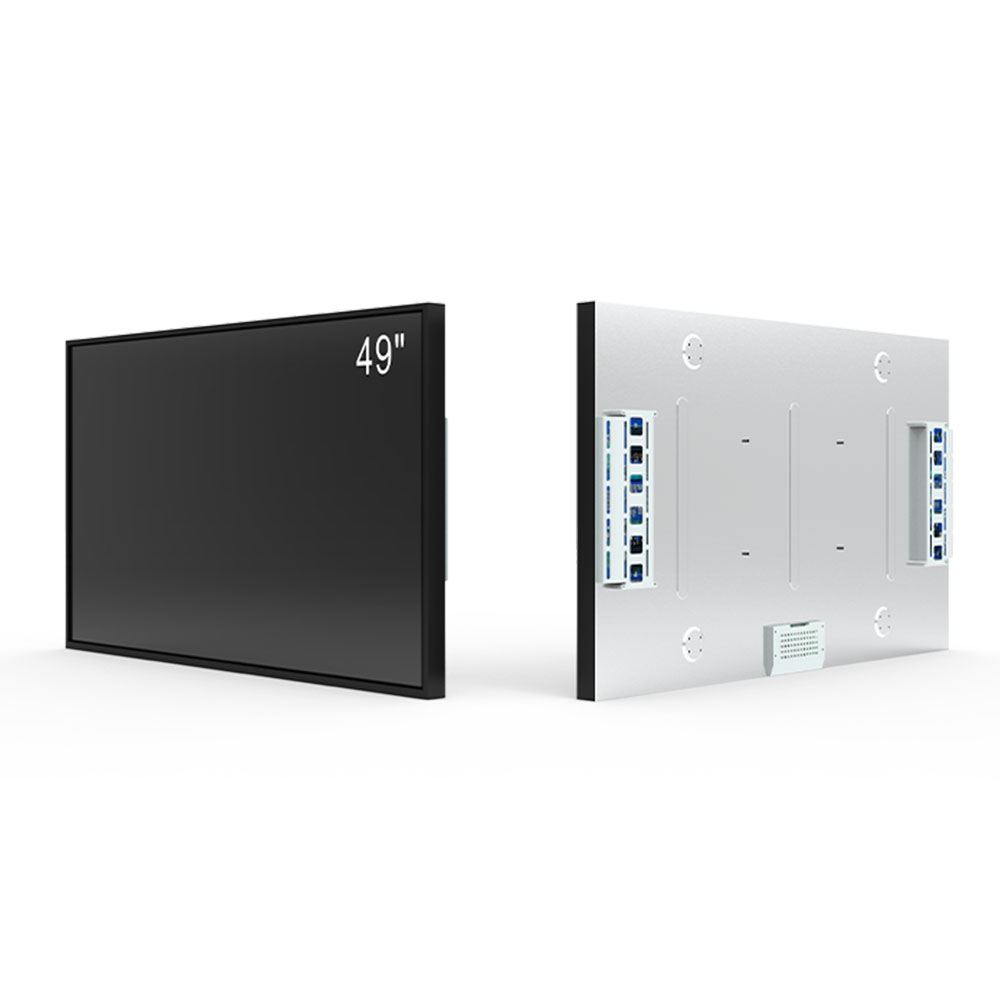
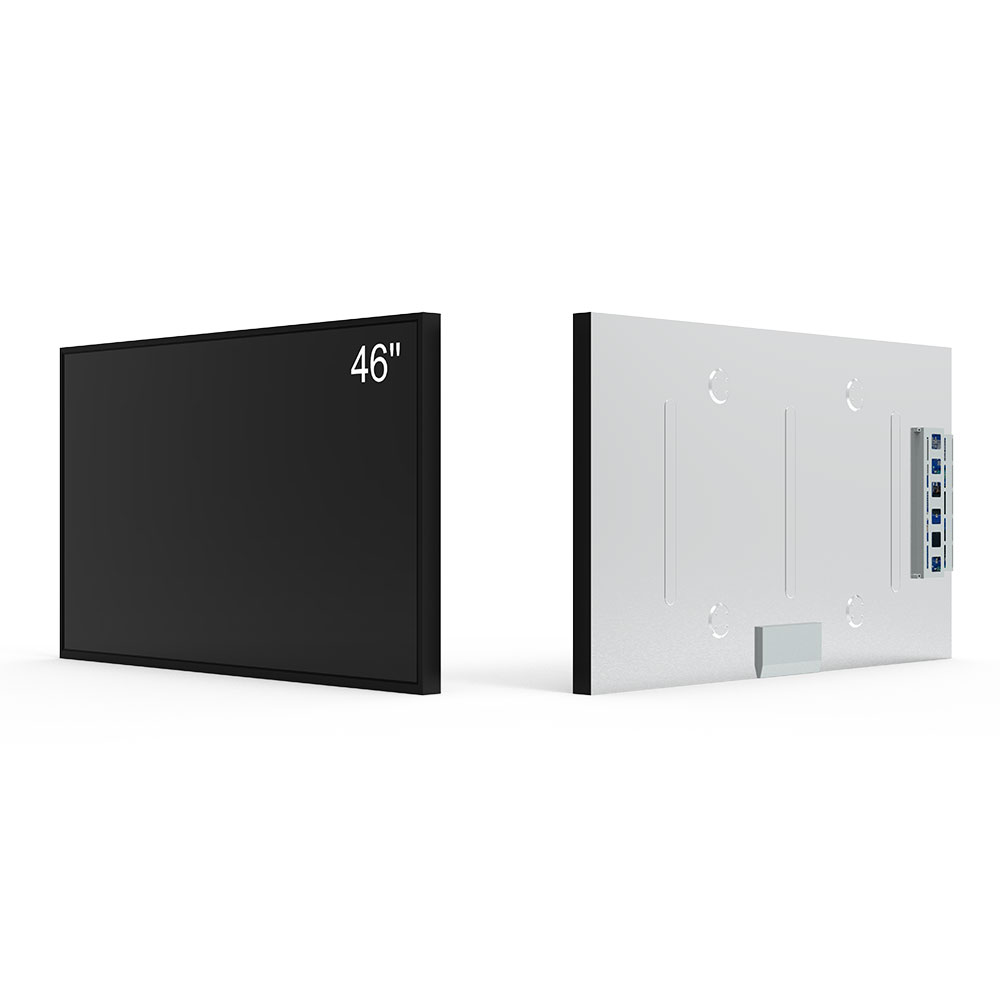
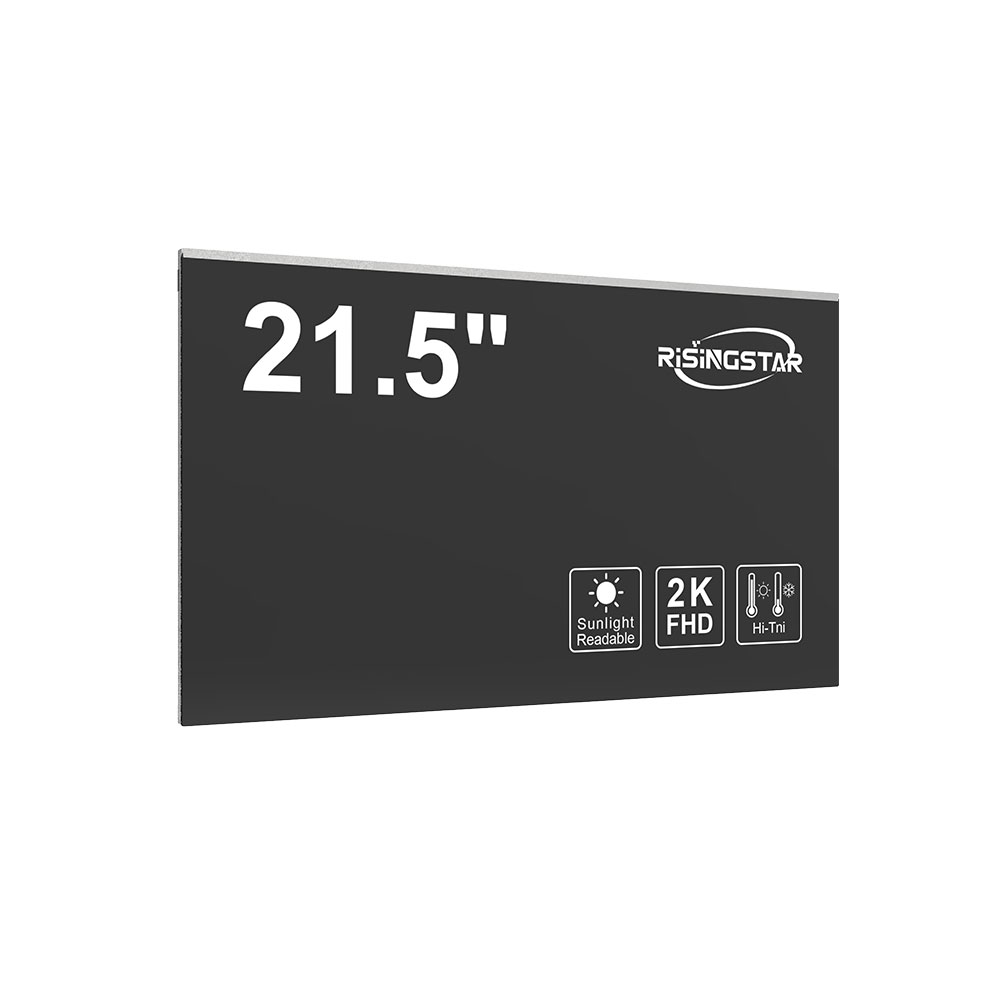
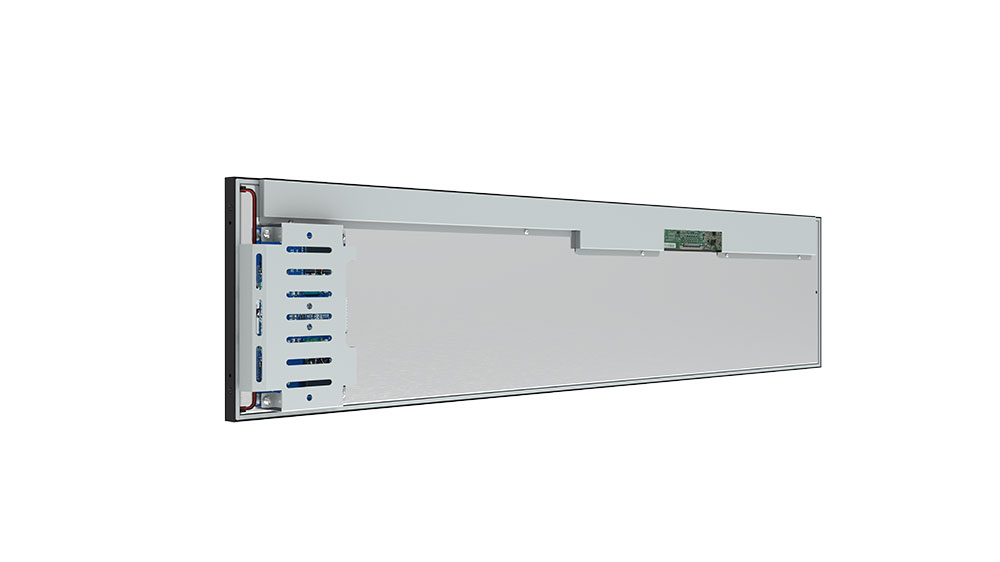
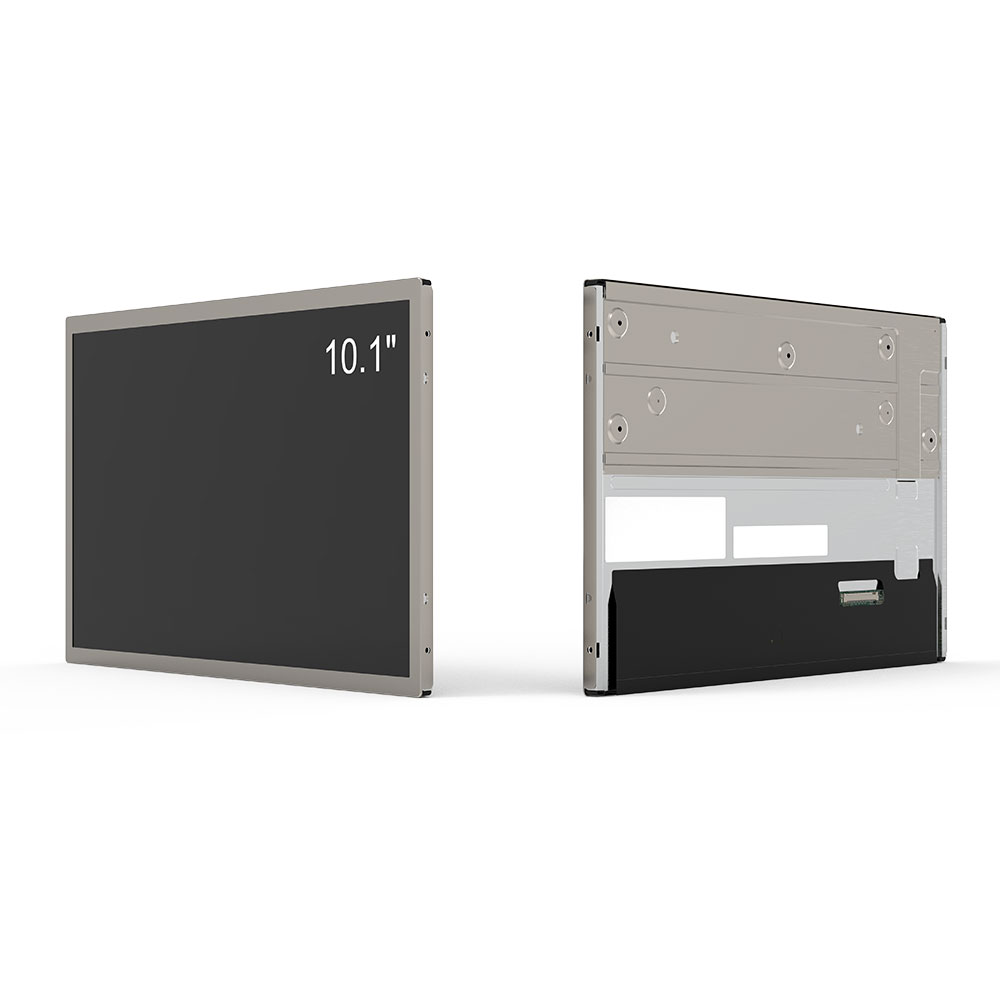
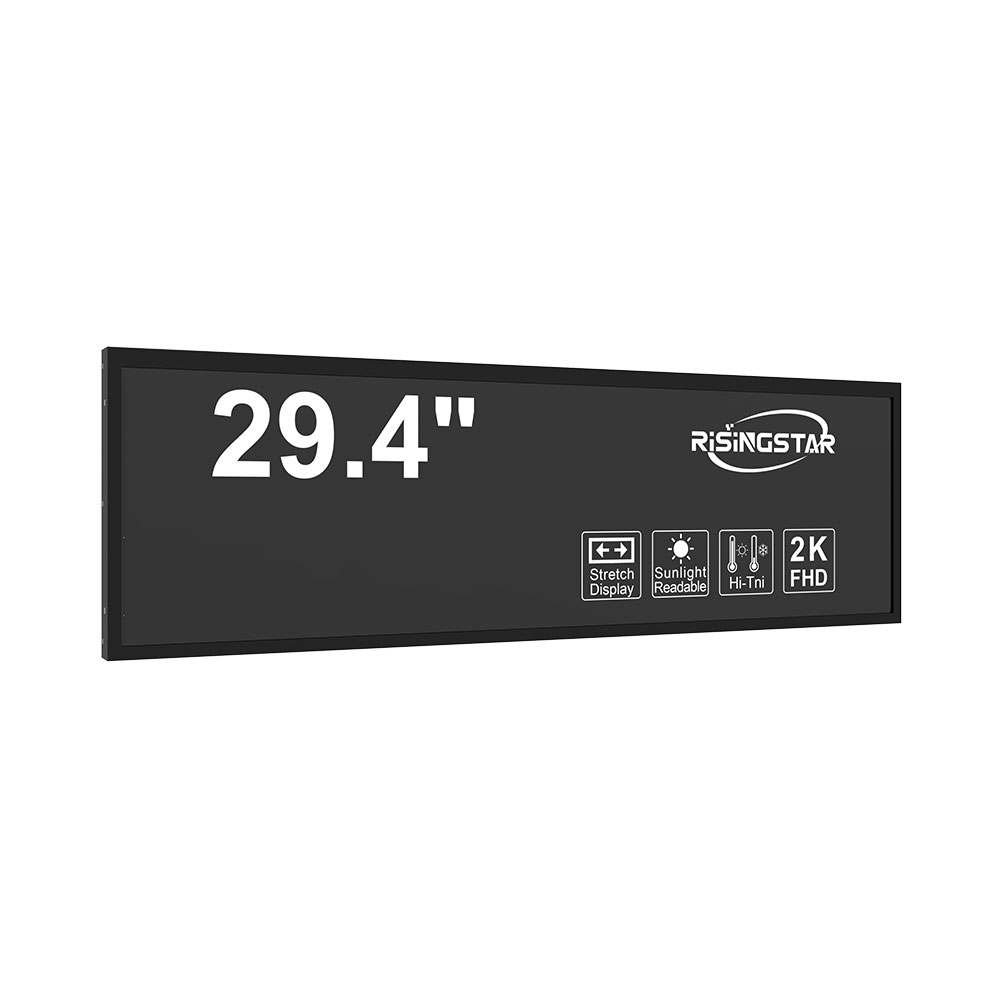
Strip LCD screens have emerged as a critical solution for applications requiring high visibility in direct sunlight, such as military equipment, industrial control panels, outdoor kiosks, and transportation systems. These displays are specifically engineered to maintain readability under intense solar irradiance, typically exceeding 100,000 lux—far beyond the capability of standard LCDs that often become unusable under bright conditions. The strip screen series includes sizes ranging from 14.1" up to an impressive 86", catering to diverse deployment scenarios across industries like defense, logistics, energy, and public infrastructure.
A key feature of strip screens is their high peak brightness, often reaching 5,000 to 10,000 nits, which significantly outperforms typical indoor displays (250–500 nits). This is achieved through advanced backlighting technologies such as LED arrays with optimized optical films and anti-reflective coatings. For example, the 37.6" and 48.5" models in this series incorporate dual-layer polarizers and multi-directional light guides to minimize glare while maximizing luminance uniformity—an essential requirement for field operators who must interpret critical data quickly under variable lighting conditions.
Manufacturers such as LG Display, Sharp, and BOE have developed proprietary processes like "sunlight-readable optimization" (SRO), where pixel-level calibration ensures consistent contrast ratios even when ambient light fluctuates. In case studies from U.S. Department of Defense projects, strip screens measuring 29" and 43" were deployed on unmanned ground vehicles (UGVs) operating in desert environments (e.g., Nevada Test Range). These units maintained full functionality at 90% visibility during midday sun exposure—demonstrating a 95% improvement over conventional displays tested in similar conditions.
Moreover, strip screens are designed with environmental resilience in mind. They comply with IP65 or higher ingress protection standards, withstand wide temperature ranges (-30°C to +70°C), and support extended operating lifetimes (up to 100,000 hours). For instance, the 58.4" model used in a solar farm monitoring system in Dubai has operated continuously for over 3 years without degradation in performance despite extreme heat and dust exposure.
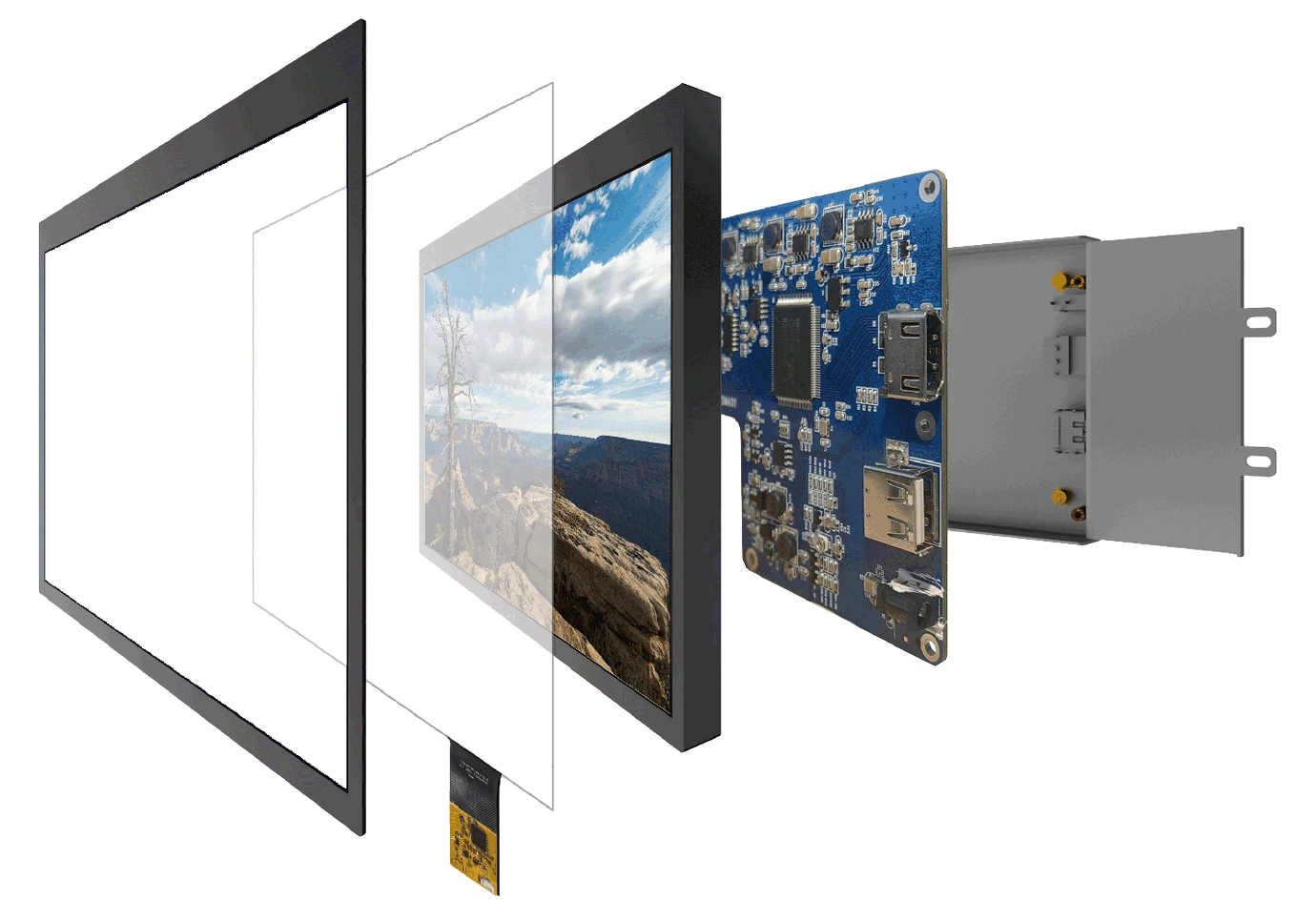
The evolution of these screens also includes integration capabilities with ruggedized electronics and touch sensors, enabling human-machine interaction in challenging settings. Technologies such as projected capacitive touch (PCT) and glove-friendly interfaces make them suitable for use in cold climates or hazardous work environments.
As global demand for reliable outdoor display solutions rises—with a CAGR of 7.2% projected through 2030 (source: MarketsandMarkets)—strip LCD screens represent a scalable, future-proof technology. Their ability to deliver crisp, readable content regardless of ambient light makes them indispensable in today’s increasingly connected, outdoor-first digital ecosystems.