RisingStar
- Home
- About Us
- Products
- News
- Video
- Contact
- Send Inquiry
Search
- Home
- About Us
- Products
- News
- Video
- Contact
- Send Inquiry
RisingStar
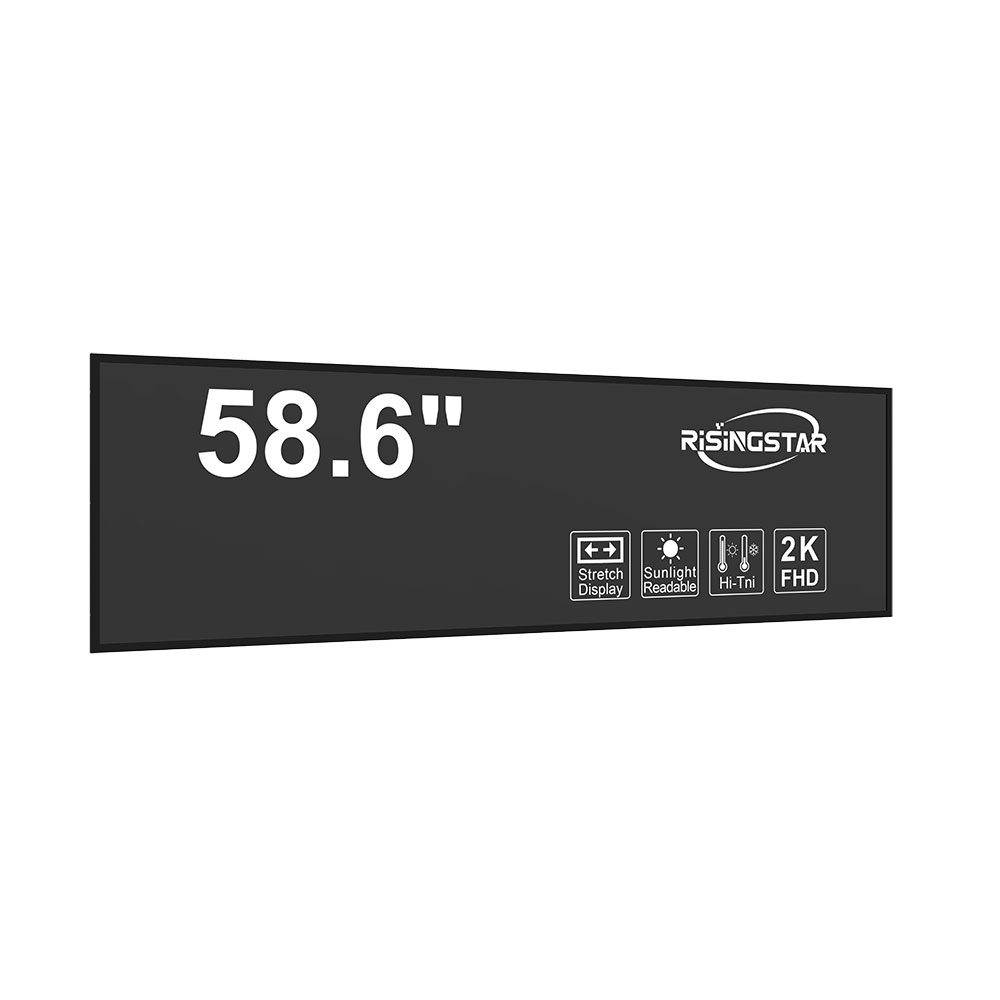
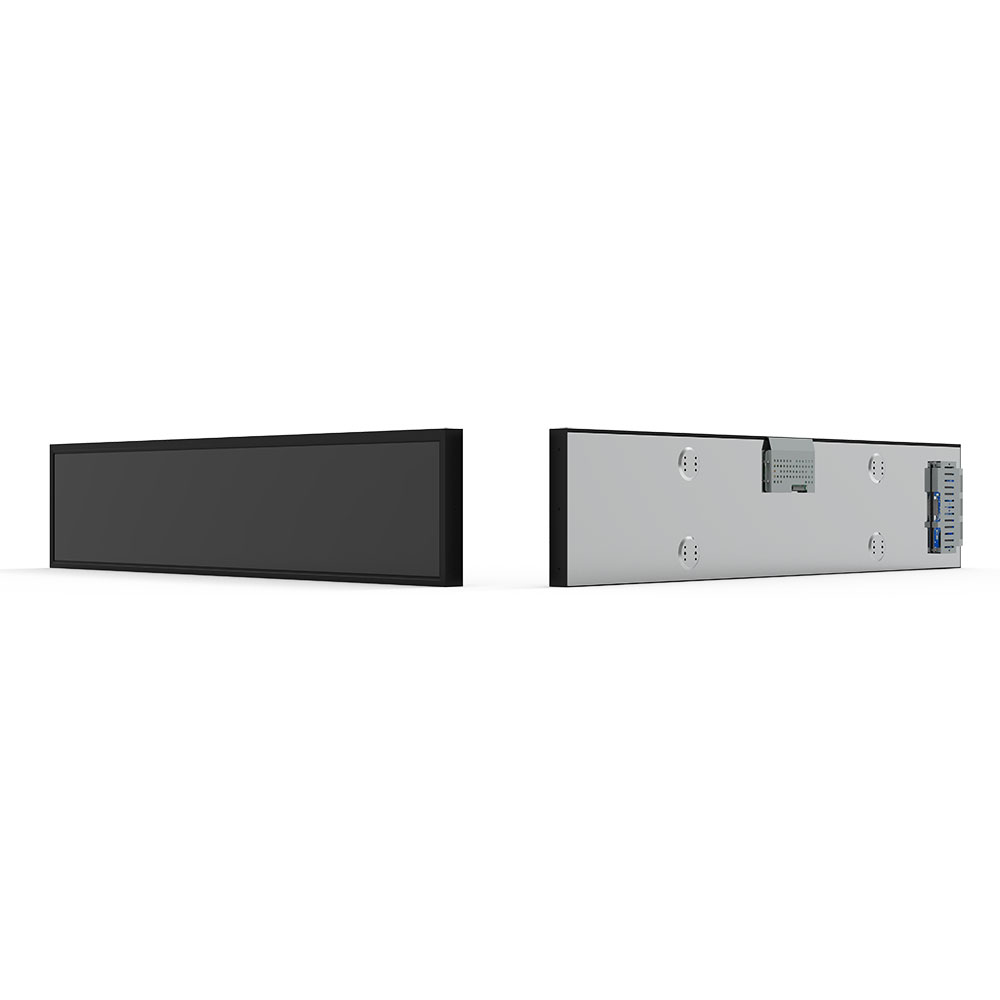
High-brightness sunlight-readable LCD screens have become essential in modern outdoor, industrial, and military applications where visibility under direct sunlight is critical. These displays are engineered to maintain clarity and contrast even in extreme lighting conditions—ranging from bright midday sun (up to 100,000 lux) to low-light environments such as night operations or enclosed vehicle cabins. Unlike standard LCDs that often become unusable in daylight due to glare and washed-out colors, sunlight-readable displays use advanced optical technologies such as high-luminance LEDs, anti-reflective coatings, and polarized filters to ensure readability across diverse scenarios.
One of the most prominent practical applications is in automotive dashboards and infotainment systems. According to a 2023 report by MarketsandMarkets, over 68% of new vehicles now feature high-brightness displays for navigation and driver-assistance systems. Similarly, in the aerospace and defense sector, these screens are vital for cockpit instruments and battlefield communication devices. The U.S. Department of Defense mandates sunlight-readable displays for all field-deployed electronic systems, emphasizing their role in mission-critical visibility.
Advantages of high-brightness sunlight-readable LCDs include superior power efficiency compared to OLED alternatives in high-lumen modes, longer operational lifespans (typically 50,000+ hours), and robust environmental resilience. They operate reliably in temperatures ranging from -40°C to +70°C and are often IP65-rated for dust and water resistance. For example, the Panasonic VIERA Pro series has been widely adopted in solar-powered monitoring stations in arid regions like the Middle East due to its 5,000-nit brightness and energy-efficient LED backlighting.
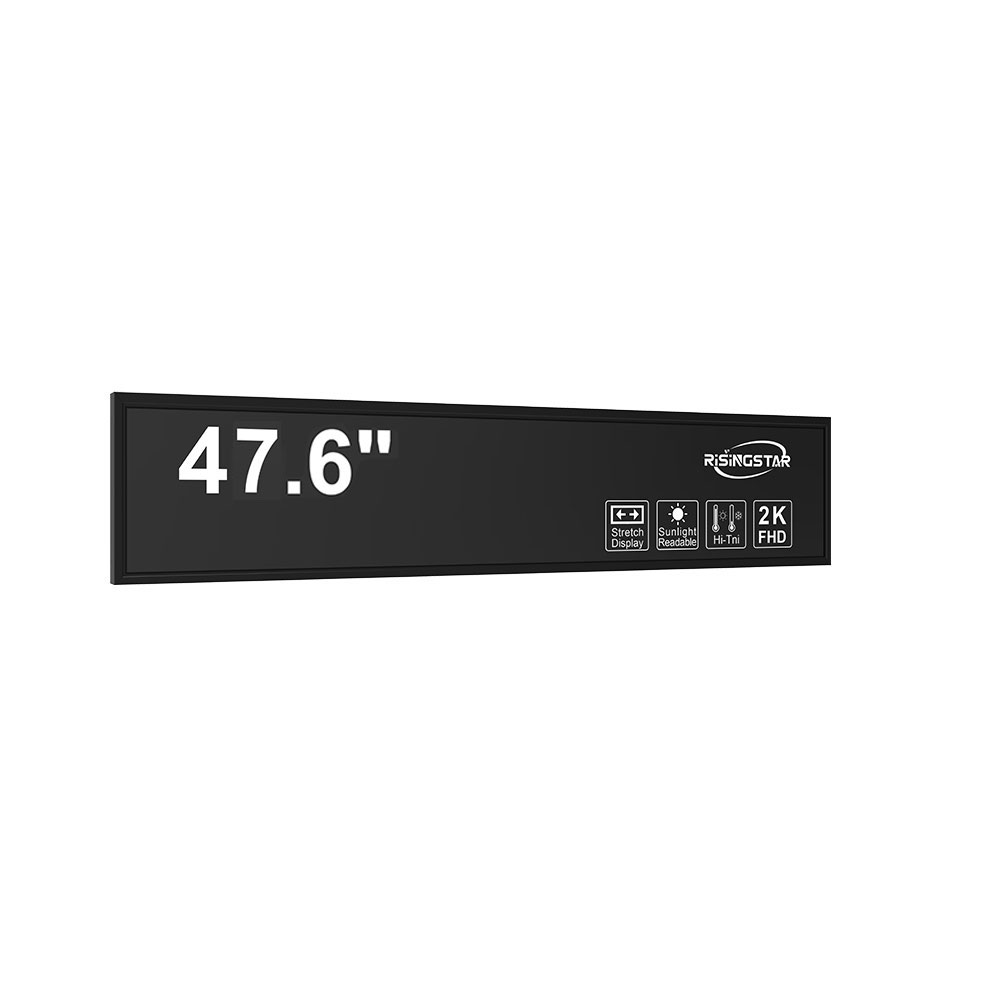
However, common problems persist. One issue is thermal management—high luminance increases heat generation, potentially affecting lifespan if not properly dissipated. Engineers often integrate passive cooling via aluminum heatsinks or active solutions like thermoelectric coolers (TECs). Another challenge is cost: these displays can be 2–3x more expensive than standard counterparts, which limits adoption in budget-sensitive consumer markets. Nonetheless, advancements in mini-LED and micro-LED backlight technologies are reducing this gap significantly. In 2024, LG Display introduced a 4K micro-LED sunlight-readable panel with 15,000 nits peak brightness at a price point approaching mass-market affordability.
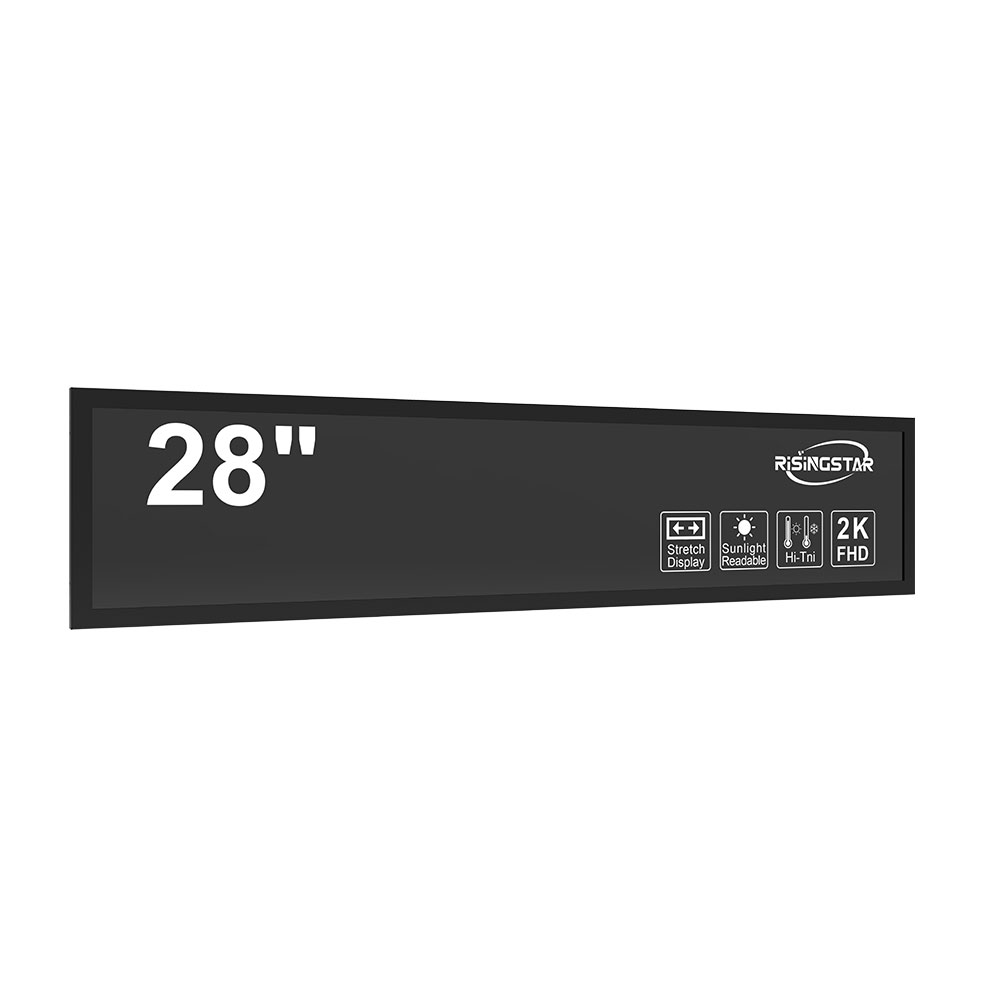
The latest trend involves integrating AI-based adaptive brightness control, where ambient light sensors and machine learning algorithms dynamically adjust display output based on user behavior and environmental changes. This not only enhances readability but also reduces unnecessary power consumption—a crucial factor for battery-powered IoT devices used in agriculture, construction, and emergency response. Companies like E-Ink and Corning are also developing next-gen glass substrates that improve durability while maintaining optical clarity under UV exposure.
In conclusion, high-brightness sunlight-readable LCD screens represent a convergence of optical engineering, materials science, and smart system design. With continued innovation driven by military standards, industrial automation, and sustainability goals, they are poised to become the default choice for any application requiring reliable visual interfaces in harsh outdoor environments.