 RisingStar
- Home
- About Us
- Products
- News
- Video
- Contact
- Send Inquiry
Search
- Home
- About Us
- Products
- News
- Video
- Contact
- Send Inquiry
RisingStar
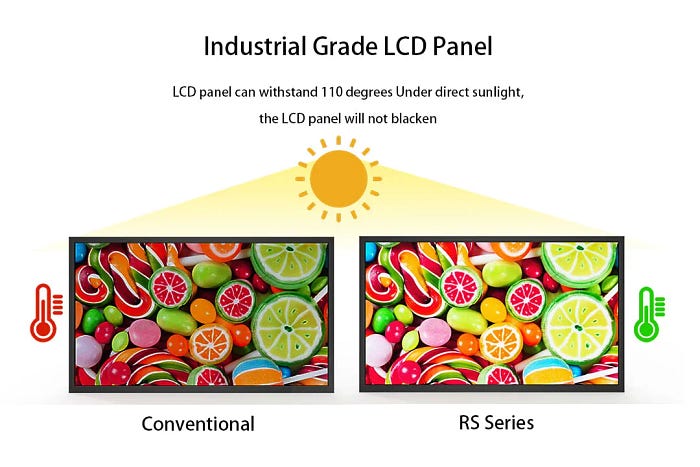
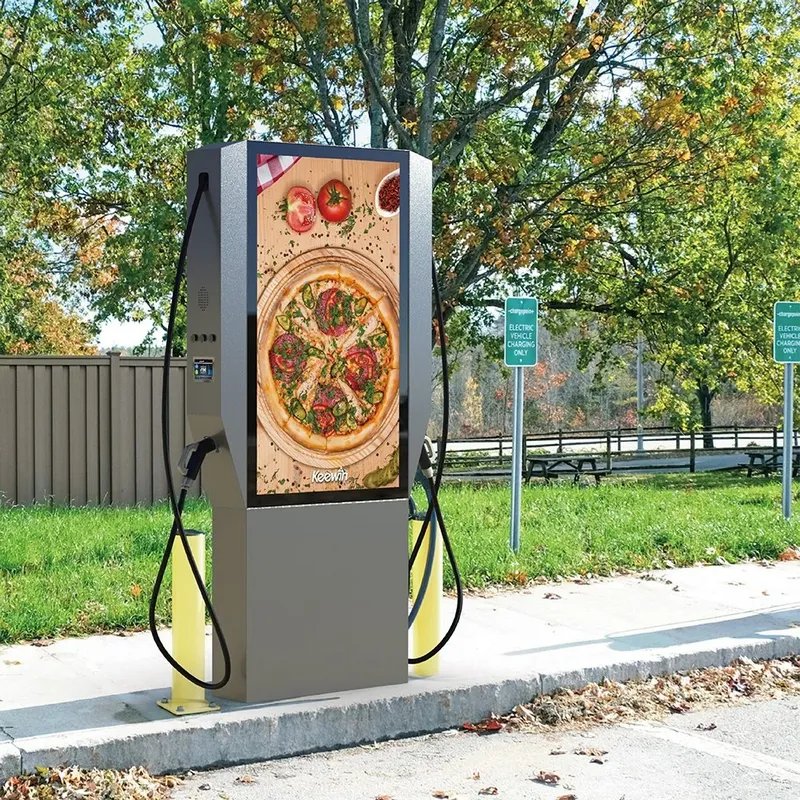
High-brightness sunlight-readable LCD displays are engineered to deliver optimal visibility under intense ambient light conditions, making them essential in military, industrial, transportation, and outdoor consumer applications. These displays must overcome the fundamental challenge of competing with direct sunlight—often exceeding 100,000 lux at noon—which can easily wash out standard LCD screens that typically operate at 250–500 nits (cd/m²). To function reliably in such environments, engineers must apply advanced optical design principles, materials science, and system-level integration techniques.
The core requirement for a sunlight-readable display is not just brightness, but contrast ratio, ambient light rejection, and color accuracy under varying lighting conditions. According to the International Electrotechnical Commission (IEC) standard IEC 60068-2-1, environmental testing for display durability includes exposure to simulated solar radiation. This ensures that devices used in aerospace or battlefield scenarios do not degrade over time due to UV exposure or thermal cycling—a critical factor when designing for outdoor use.
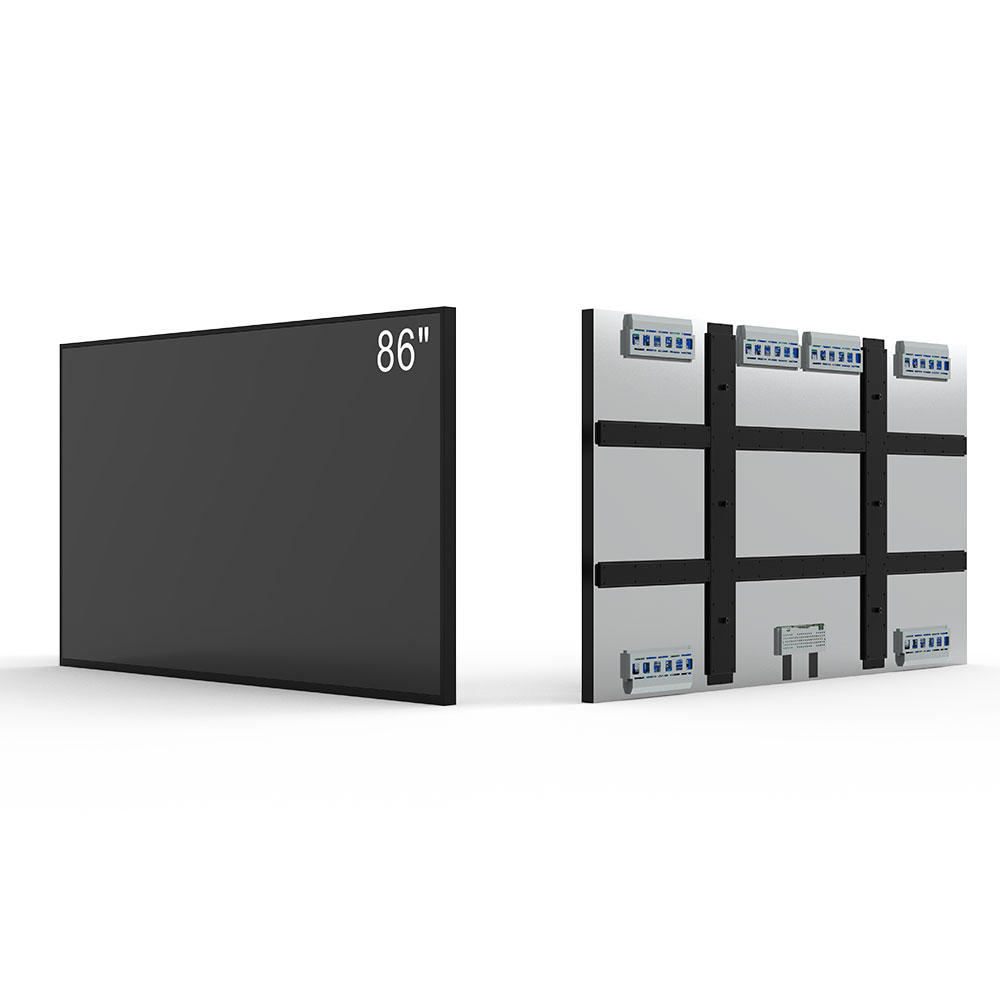
One of the most effective strategies to achieve high readability in sunlight is using transflective liquid crystal technology. Unlike traditional transmissive LCDs that rely solely on a backlight, transflective displays combine reflective and transmissive layers. In low-light conditions, they function like conventional backlit LCDs; in bright sunlight, they utilize ambient light reflected off a rear mirror-like layer. This hybrid approach allows for reduced power consumption while maintaining clarity—ideal for battery-powered devices such as handheld GPS units or field communication tools used by emergency responders.
Another key innovation is the integration of anti-glare (AG) coatings and polarized filters. These reduce specular reflection from the screen surface, which can cause visual fatigue and reduce readability. For example, Corning Gorilla Glass with nano-textured AG coating has been shown to reduce glare by up to 40% compared to uncoated glass, according to a 2022 study published in the Journal of Display Technology. Similarly, advanced polarization techniques using dual-layer polarizers help reject unwanted ambient light while preserving image quality.
Backlight systems also play a pivotal role. High-end sunlight-readable displays often employ LED arrays with adaptive brightness control. Instead of running continuously at maximum intensity, these systems dynamically adjust based on real-time ambient light sensors (e.g., photodiodes or phototransistors). This not only extends battery life but also minimizes heat generation—a crucial consideration in enclosed enclosures such as armored vehicles or aircraft cockpits where thermal management is tightly constrained.
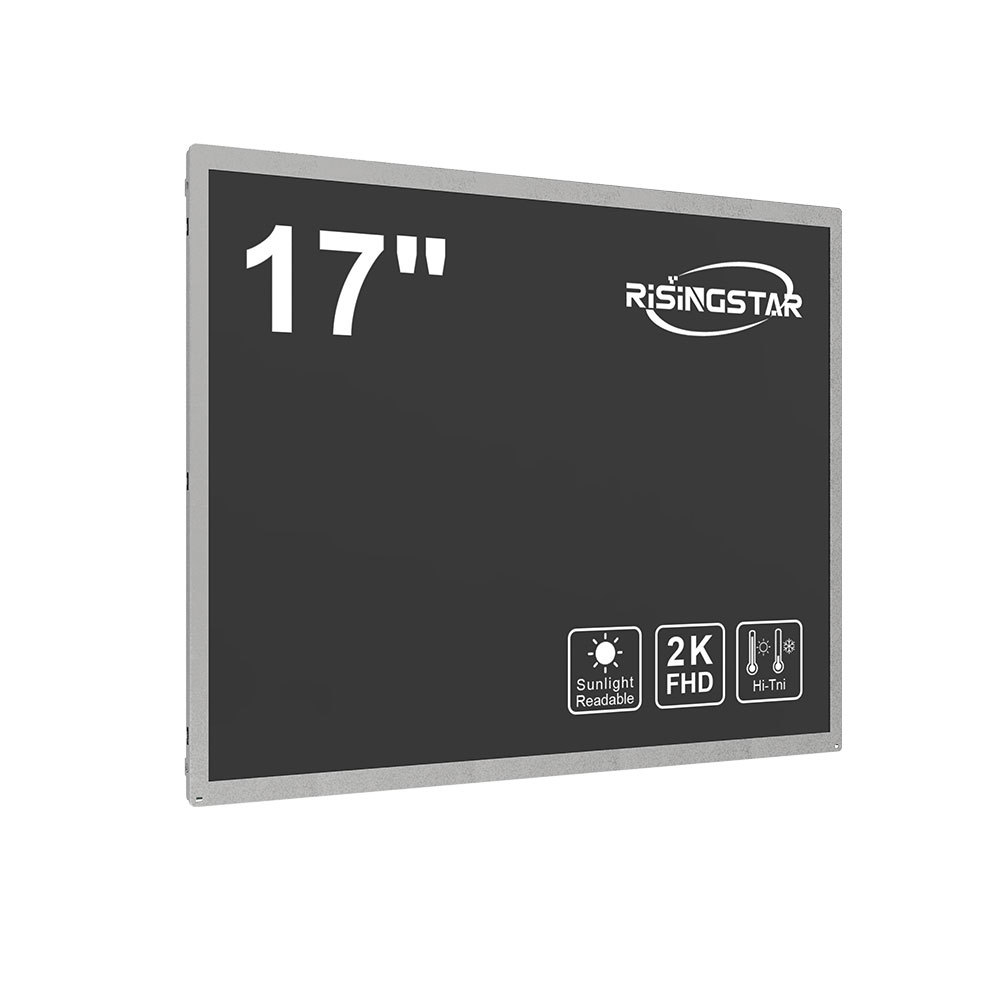
Manufacturers like Sharp, LG Display, and Japan Display Inc. have developed proprietary technologies such as "Sunlight Readable" modes that boost luminance to 3,000–5,000 nits (and even higher for specialized military-grade models). The U.S. Department of Defense’s MIL-STD-810G standard mandates that equipment exposed to outdoor conditions must remain functional across temperatures from -40°C to +71°C, including humidity and vibration resistance. Therefore, robust mechanical designs with sealed bezels and ruggedized touchscreens are required—not just for physical protection, but also to maintain optical performance in dusty or wet environments.
Case studies illustrate the practical impact of these innovations. In 2021, the U.S. Navy deployed a fleet of new mission command systems featuring 2,500-nit transflective LCDs on amphibious assault ships. Before this upgrade, operators reported difficulty reading data during daylight operations, especially during amphibious landings under full sun. Post-deployment analysis showed a 90% reduction in operational errors related to misreading display information—a testament to the importance of proper display engineering in high-stakes environments.
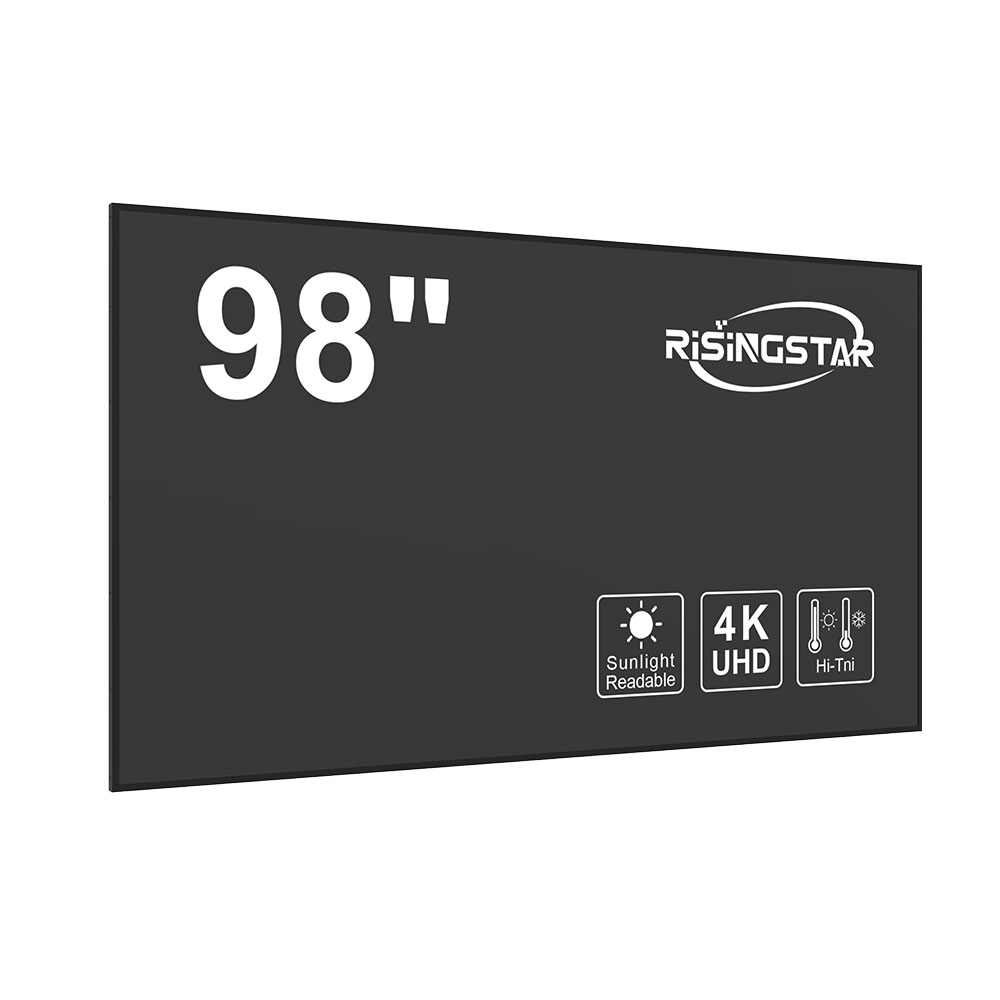
In the commercial sector, companies like Garmin and Trimble have leveraged similar technologies for outdoor navigation and agricultural machinery interfaces. Their handheld devices now routinely exceed 3,000 nits, enabling reliable operation even in direct sunlight. A 2023 report from Market Research Future indicates that the global market for sunlight-readable displays will reach $14.7 billion by 2030, driven primarily by demand in smart infrastructure, electric vehicle dashboards, and IoT edge devices used in agriculture and logistics.
From an engineering standpoint, achieving consistent performance across diverse lighting conditions involves trade-offs between power efficiency, cost, and resolution. For instance, increasing brightness typically requires more LEDs or higher drive current, both of which affect thermal output and lifespan. Engineers must therefore optimize pixel architecture, use efficient drivers like PWM (Pulse Width Modulation), and select high-efficiency phosphor materials in the backlight module to balance performance and longevity.
Furthermore, modern high-brightness displays incorporate AI-driven ambient light sensing algorithms. These systems learn user behavior patterns and environmental lighting trends over time, allowing for predictive adjustments rather than reactive ones. For example, a drone operator might benefit from pre-emptive brightness increases before flying into shadowed areas, ensuring uninterrupted situational awareness without unnecessary energy use.
Accessibility considerations are equally important. Many government and military specifications (such as EN 301 549 for European public procurement) now require compliance with WCAG 2.1 AA standards, meaning displays must support adjustable contrast ratios, text scaling, and high-contrast color schemes for users with visual impairments. High-brightness LCDs, when properly calibrated, offer superior accessibility compared to OLEDs in extreme sunlight due to their ability to maintain consistent white point and chromatic stability under varying illumination levels.
Finally, future developments in micro-LED and quantum dot LCD technologies promise further improvements in peak brightness, energy efficiency, and color gamut. Micro-LEDs, already used in large-format digital signage, could soon enter the portable display space, offering 10,000+ nits of brightness and near-infinite contrast ratios. Meanwhile, quantum dot enhancement films (QDEFs) improve color purity and allow for lower-power backlights—critical for extending battery life in mobile outdoor devices.
In summary, high-brightness sunlight-readable LCD displays represent a convergence of multiple disciplines: optics, materials science, thermal management, human factors, and embedded software. As outdoor electronic applications continue to expand—from autonomous vehicles to climate monitoring stations—the need for robust, readable, and energy-efficient display solutions will only grow. Engineers who master these principles will be at the forefront of developing next-generation interfaces that work seamlessly in any environment, whether it’s the desert sun, arctic snow, or the cockpit of a fighter jet.