RisingStar
- Home
- About Us
- Products
- News
- Video
- Contact
- Send Inquiry
Search
- Home
- About Us
- Products
- News
- Video
- Contact
- Send Inquiry
RisingStar
High-brightness sunlight-readable LCD screens are essential components in modern outdoor display systems, particularly in industrial, military, transportation, and consumer electronics sectors. These displays must maintain visibility under extreme lighting conditions—especially direct sunlight—where conventional LCDs fail due to insufficient brightness and contrast. Industry standards such as MIL-STD-810G and ISO 14522 define the performance benchmarks for durability, brightness, and environmental resistance, ensuring reliability in harsh environments.
The core technology behind high-brightness sunlight-readable LCDs lies in maximizing luminance while minimizing power consumption. Modern designs utilize backlighting technologies like LED arrays with distributed diffusers and advanced optical films (e.g., brightness enhancement films or BEFs) to achieve brightness levels exceeding 5,000 nits—a critical threshold for readability in full sun. For example, manufacturers like Sharp, LG Display, and AU Optronics have developed panels rated at 7,000–10,000 nits for use in solar-powered monitoring systems, UAV dashboards, and highway traffic signs.
Additionally, anti-glare coatings and polarization techniques reduce reflections, improving contrast ratios even in low-light conditions. Some models integrate ambient light sensors that dynamically adjust screen brightness based on environmental light levels—an energy-efficient feature critical for battery-operated devices. According to a 2023 report by MarketsandMarkets, the global market for sunlight-readable displays is projected to grow at a CAGR of 9.3% through 2028, driven by demand from smart city infrastructure and autonomous vehicle interfaces.
Case studies from the U.S. Department of Defense highlight the effectiveness of these displays in field operations—such as tactical tablets used in desert warfare, where visibility at 10,000 nits ensures mission-critical data remains legible under intense solar exposure. Similarly, Tesla’s in-car infotainment systems employ high-brightness LCDs calibrated for 5,000+ nits to prevent driver distraction during daytime driving.
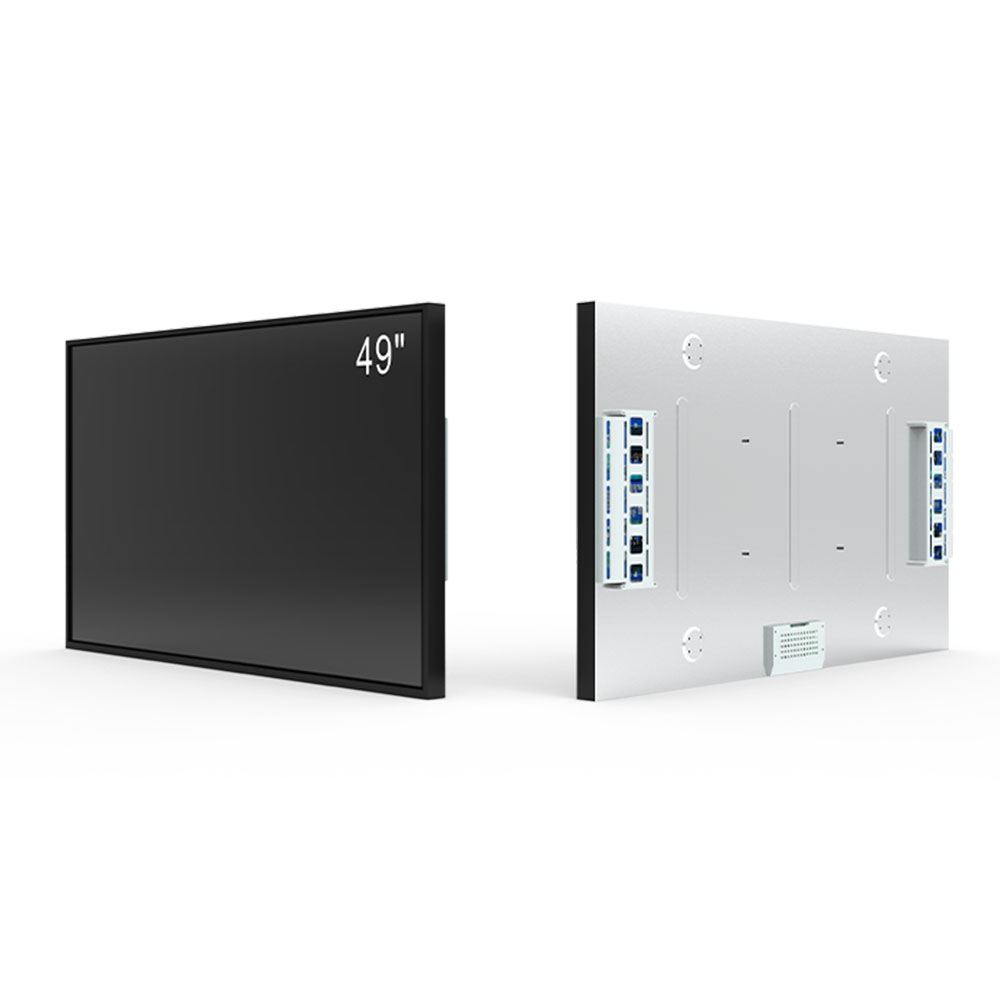
Design considerations also include thermal management, with active cooling solutions integrated into some ruggedized modules to prevent overheating in hot climates. Materials science plays a role too—using UV-resistant polymers and chemically strengthened glass enhances longevity in outdoor deployments.
Ultimately, high-brightness sunlight-readable LCDs combine engineering precision, material innovation, and real-world testing to deliver reliable, readable visuals across diverse global applications—from Arctic research stations to equatorial construction sites. Their importance continues to rise as more industries embrace connected, mobile, and human-centric design principles in outdoor environments.