RisingStar
- Home
- About Us
- Products
- News
- Video
- Contact
- Send Inquiry
Search
- Home
- About Us
- Products
- News
- Video
- Contact
- Send Inquiry
RisingStar
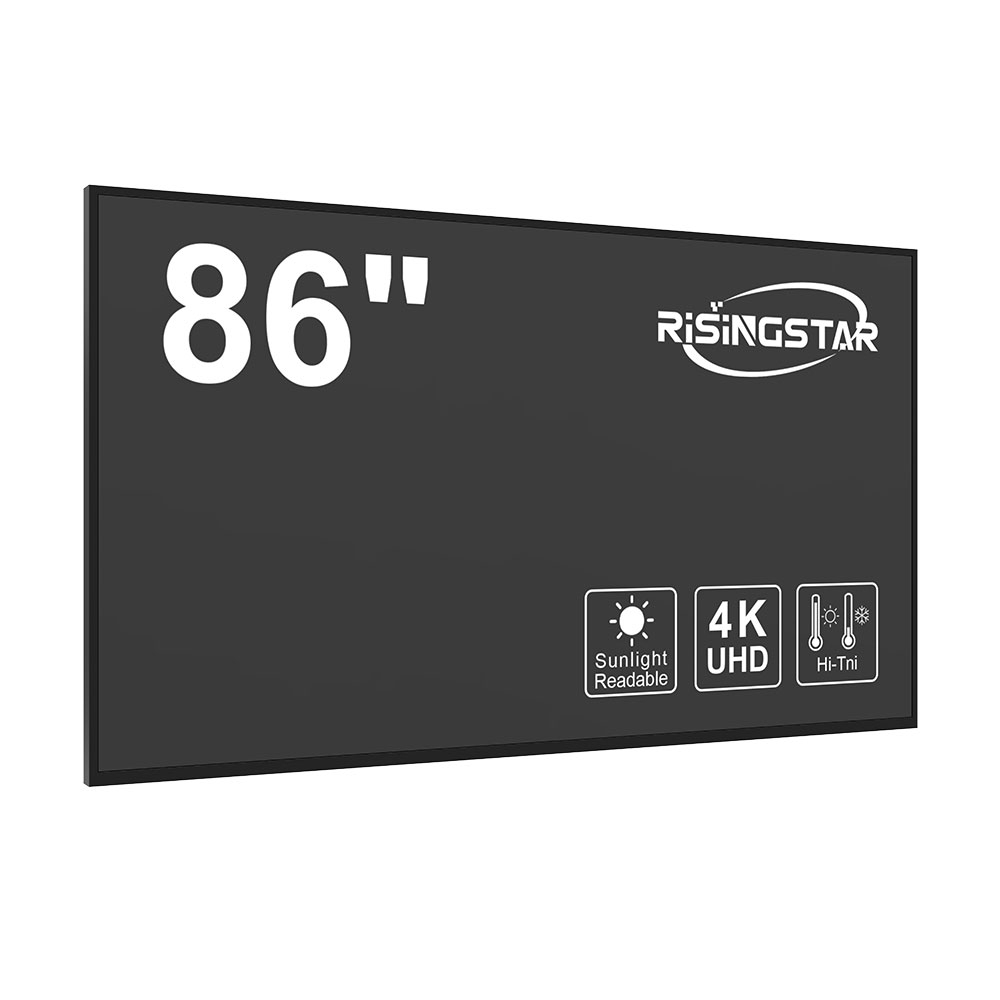
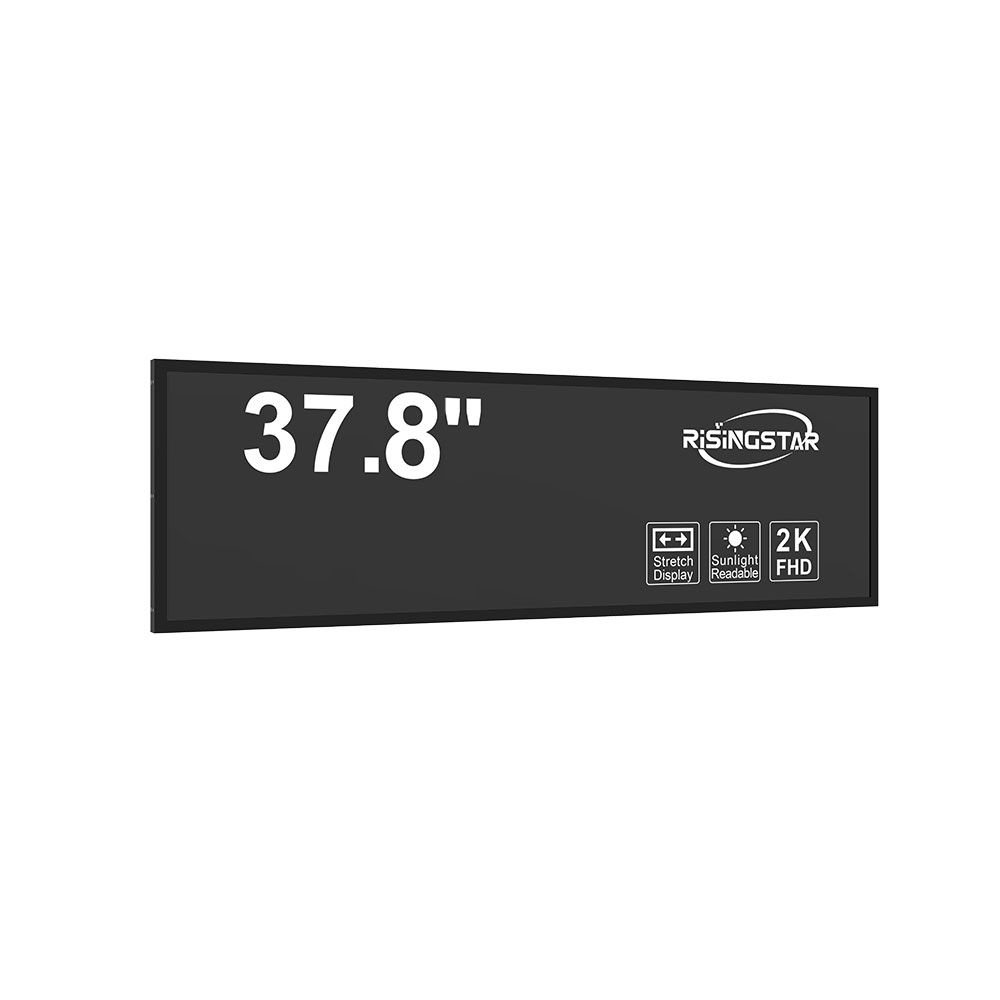
In modern industrial, military, aerospace, and outdoor consumer applications, the need for high-brightness sunlight-readable LCD screens has become increasingly critical. These displays must maintain visibility under intense ambient light conditions—such as direct sunlight exceeding 100,000 lux—while ensuring reliability, contrast, and readability across a wide range of temperatures and environmental stresses.
One of the most significant challenges in designing such displays is achieving adequate brightness without compromising power efficiency or lifespan. Industry standards like MIL-STD-810G (military durability) and ISO 16750 (automotive environmental testing) guide manufacturers to produce ruggedized screens that operate reliably from -40°C to +70°C. To meet these requirements, high-brightness LCDs typically employ backlight technologies such as LED arrays with optical films optimized for diffuse illumination. For example, some industrial-grade panels reach up to 5,000 nits of peak brightness—far beyond standard office monitors (250–350 nits)—ensuring clarity even under full sunlight.
Advanced design techniques also include anti-glare coatings, polarized filters, and high-transmittance glass laminates that reduce reflections by up to 90%. Additionally, active matrix technology (like TFT-LCD) ensures fast response times and sharp image quality, which is essential for real-time data visualization in aviation dashboards or vehicle control systems. Case studies from companies like Innolux and LG Display show that integrating these features into ruggedized LCD modules improves user performance in field operations by reducing eye strain and misreading errors.
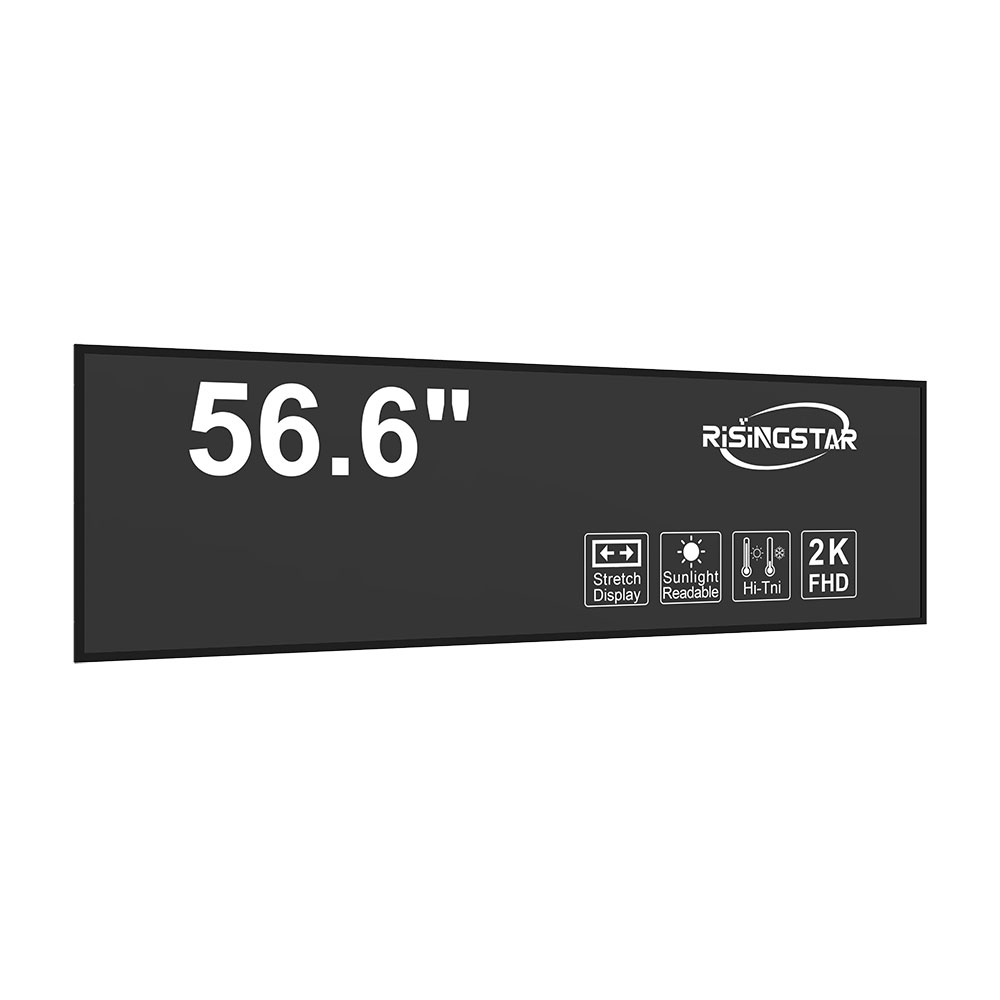
Another crucial factor is power management. High-brightness displays consume more energy, so modern designs incorporate adaptive brightness control algorithms that dynamically adjust luminance based on ambient light sensors. This not only extends battery life in portable devices but also reduces heat generation—a key consideration in confined environments like submarines or armored vehicles.
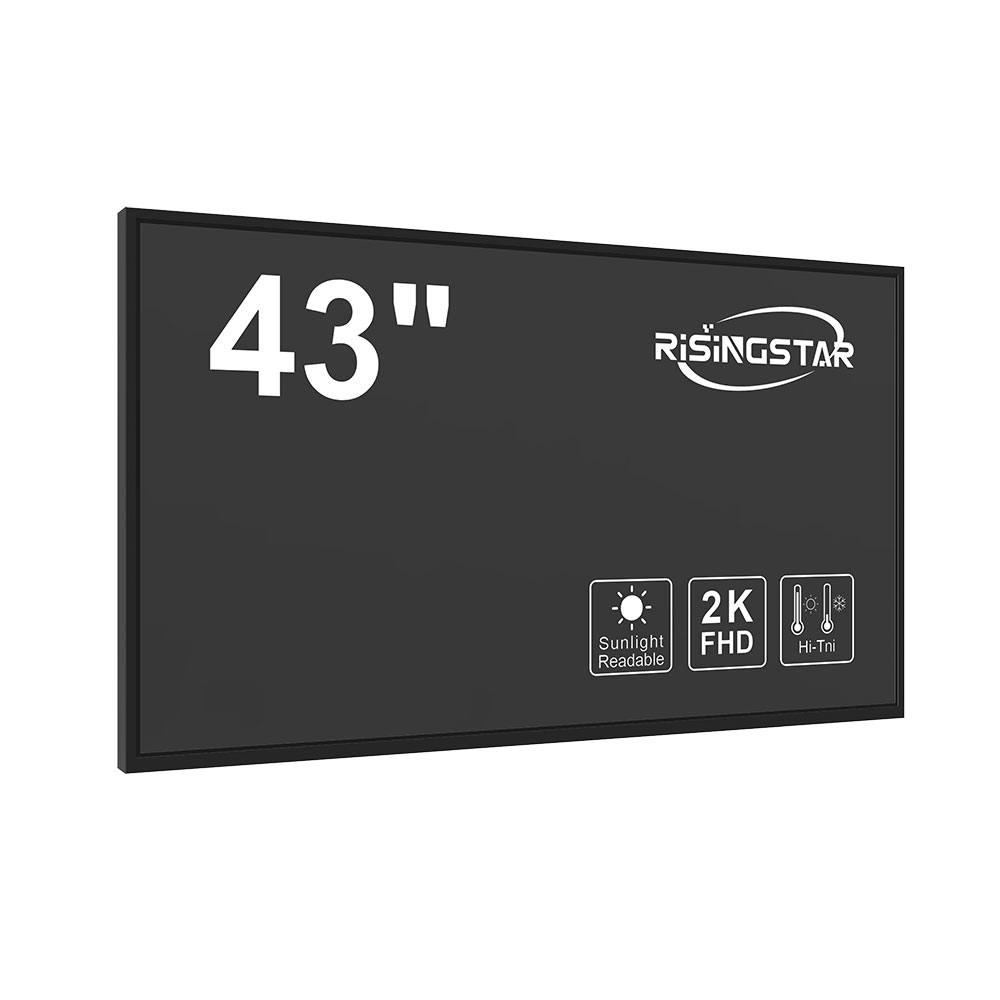
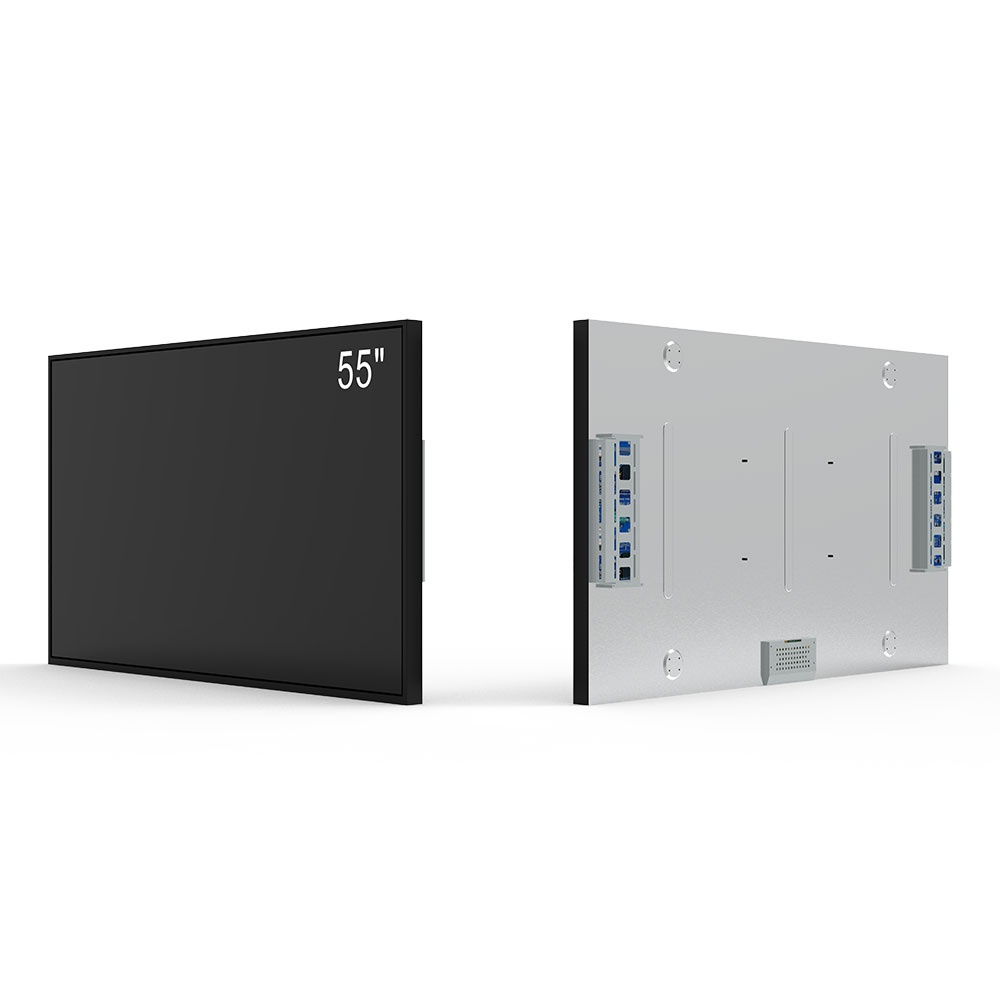
For military use, compliance with NATO STANAG 4342 ensures compatibility across platforms, while automotive-grade IPS panels meet AEC-Q200 standards for shock and vibration resistance. In construction equipment and agricultural machinery, manufacturers often integrate sealed, IP67-rated enclosures to prevent dust and water ingress, further enhancing durability.
The future of high-brightness sunlight-readable LCDs lies in innovations like micro-LED backlights, quantum dot enhancements, and AI-driven contrast optimization. These emerging technologies promise higher efficiency, better color accuracy, and longer operational lifespans—making them ideal for next-generation defense, smart city, and autonomous vehicle interfaces.
By leveraging rigorous testing protocols, advanced materials science, and industry-specific engineering practices, manufacturers continue to push the boundaries of what’s possible in extreme environments. As global demand for reliable outdoor displays grows—from solar farms to remote oil rigs—the evolution of sunlight-readable LCDs remains a cornerstone of robust human-machine interaction.