RisingStar
- Home
- About Us
- Products
- News
- Video
- Contact
- Send Inquiry
Search
- Home
- About Us
- Products
- News
- Video
- Contact
- Send Inquiry
RisingStar
In today’s increasingly connected world, industrial, military, and outdoor applications demand electronic displays that can withstand extreme environmental conditions—including dust, moisture, and mechanical stress. Among the most critical certifications for such environments is the IP66 rating—a standard defined by the International Electrotechnical Commission (IEC) under IEC 60529. An IP66-rated display offers complete protection against dust ingress (the “6” in IP66) and powerful water jets from any direction (the “6” for water resistance), making it an essential component for high-brightness sunlight-readable LCDs used in ruggedized systems.
The engineering behind an IP66 waterproof LCD involves more than just sealing the screen. It begins with a robust housing design using materials like stainless steel or aluminum alloy, which not only protects the internal electronics but also dissipates heat efficiently—an important factor in high-brightness LED-backlit displays. The display panel itself must be sealed at the edges with silicone gaskets or epoxy potting compounds to prevent moisture penetration. Additionally, the touch interface—whether capacitive or resistive—requires special attention. For instance, capacitive touchscreens must use waterproof conductive films and sealant layers to avoid short-circuiting when exposed to water jets.
Manufacturers follow strict test protocols to validate IP66 compliance. These include the Ingress Protection Test Method outlined in IEC 60529:2013, which specifies a dust chamber test (for the "6" in dustproof) where fine powder is circulated around the device for 8 hours, followed by a water jet test (for the "6" in water resistance). During the latter, a nozzle with a 6.3 mm diameter delivers water at 12.5 liters per minute at 100 kPa pressure from a distance of 3 meters, for 3 minutes from all angles. Only devices that pass both tests receive the official IP66 certification.
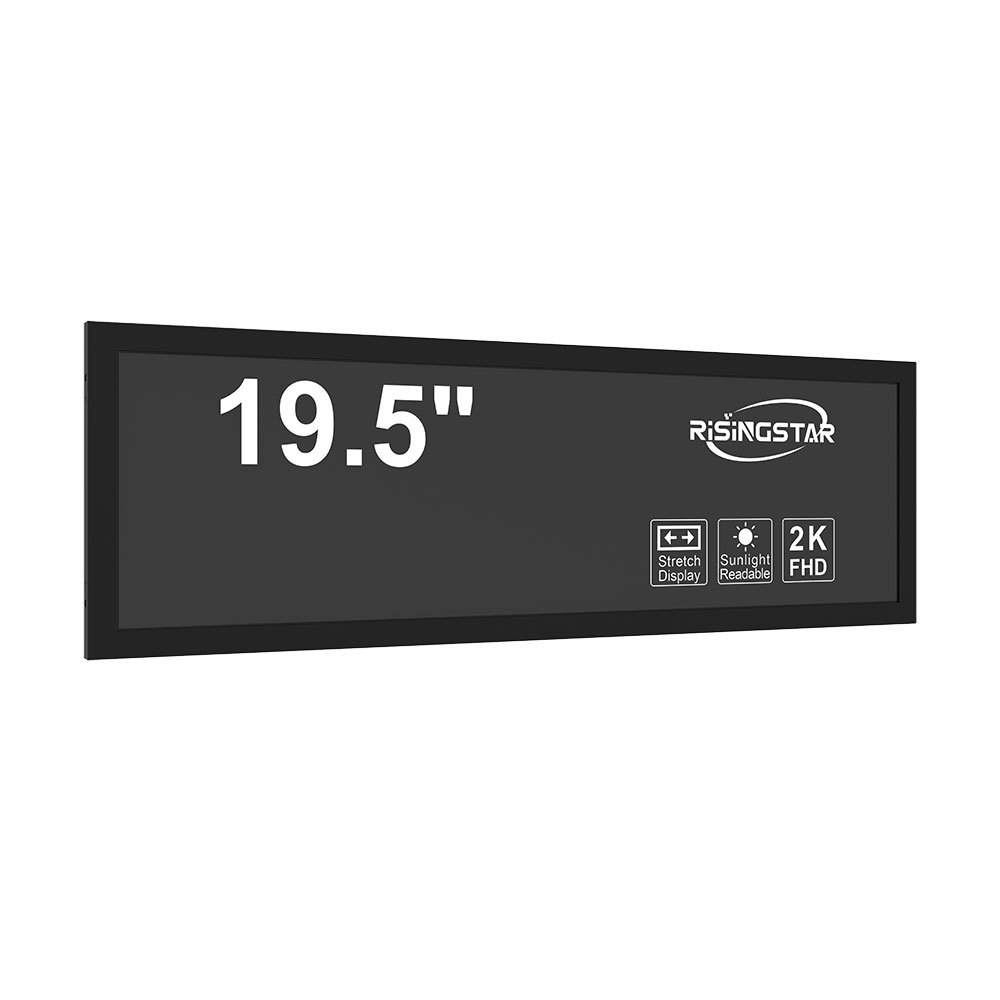
Real-world applications of IP66 waterproof LCDs are extensive. In construction and mining equipment, operators rely on these screens for real-time monitoring of heavy machinery even in dusty, wet, or windy conditions. In maritime environments—from commercial fishing vessels to naval ships—IP66-rated displays provide mission-critical navigation and communication interfaces. Military field operations, such as those conducted by U.S. Army or NATO forces, often integrate IP66 LCDs into handheld command units, drone control panels, and vehicle-mounted displays. Moreover, in agriculture, IP66-enabled displays on tractors and harvesters ensure continuous operation despite exposure to rain, mud, and airborne particles.
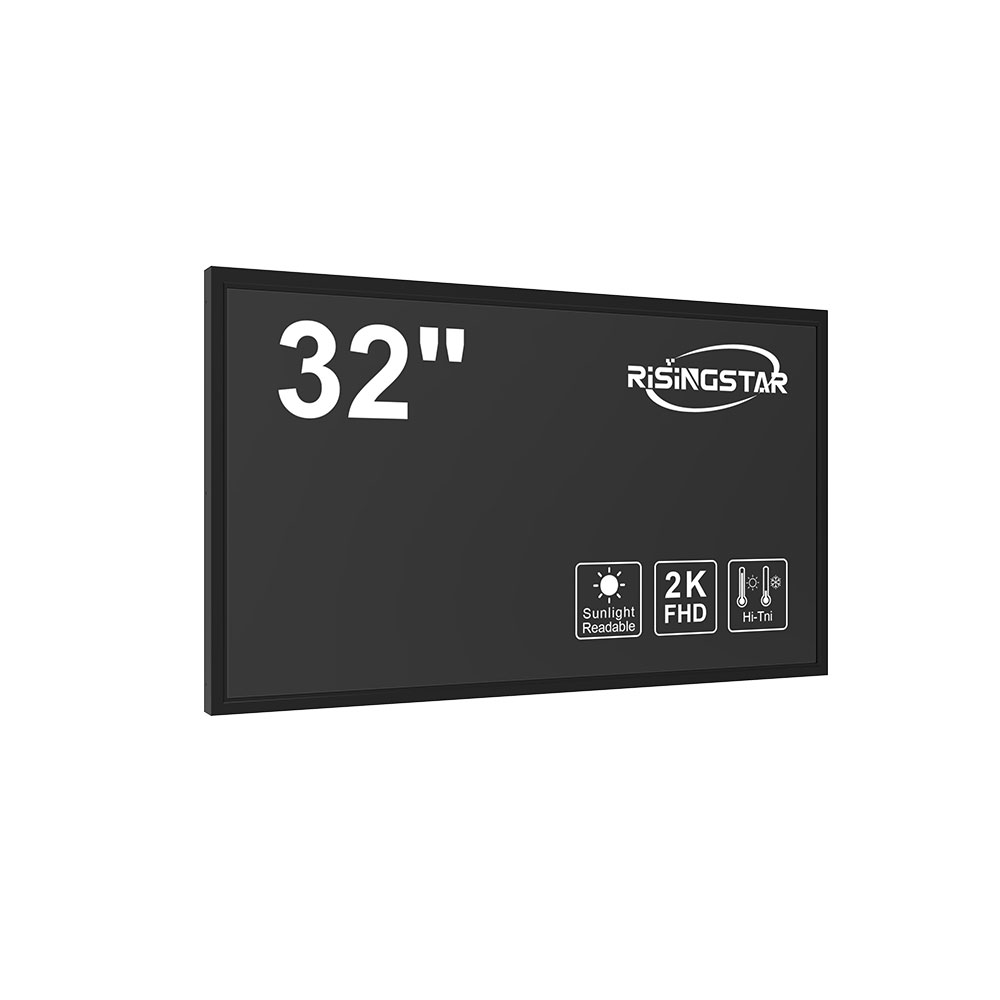
A case study from a leading industrial monitor manufacturer, such as ADATA or CUI Inc., shows that integrating IP66-rated LCDs into their outdoor solar-powered weather stations increased system uptime by over 40% compared to non-sealed alternatives. This was due to reduced maintenance needs and elimination of moisture-related failures during monsoon seasons in Southeast Asia.
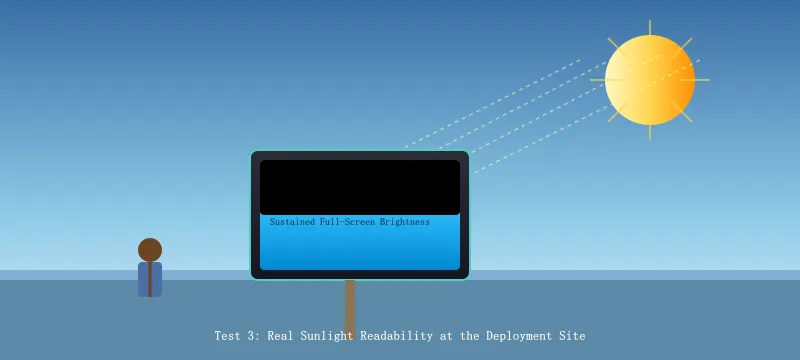
To maintain performance in harsh conditions, IP66 LCDs must also be paired with appropriate backlighting technologies. High-brightness LEDs (typically 3,000–5,000 nits) are essential for visibility in direct sunlight, while efficient thermal management ensures long-term reliability. Some manufacturers incorporate passive cooling fins or active fans within the sealed enclosure, all while preserving the IP66 integrity.
In summary, IP66 waterproof LCDs represent a mature yet continuously evolving segment of display technology. They combine mechanical resilience, advanced sealing techniques, and rigorous testing to meet global industrial standards. As industries move toward automation, IoT integration, and smart infrastructure, the demand for IP66-compliant, sunlight-readable displays will only grow—making this specification not just a feature, but a necessity for modern embedded systems operating outdoors or in hostile environments.