RisingStar
- Home
- About Us
- Products
- News
- Video
- Contact
- Send Inquiry
Search
- Home
- About Us
- Products
- News
- Video
- Contact
- Send Inquiry
RisingStar
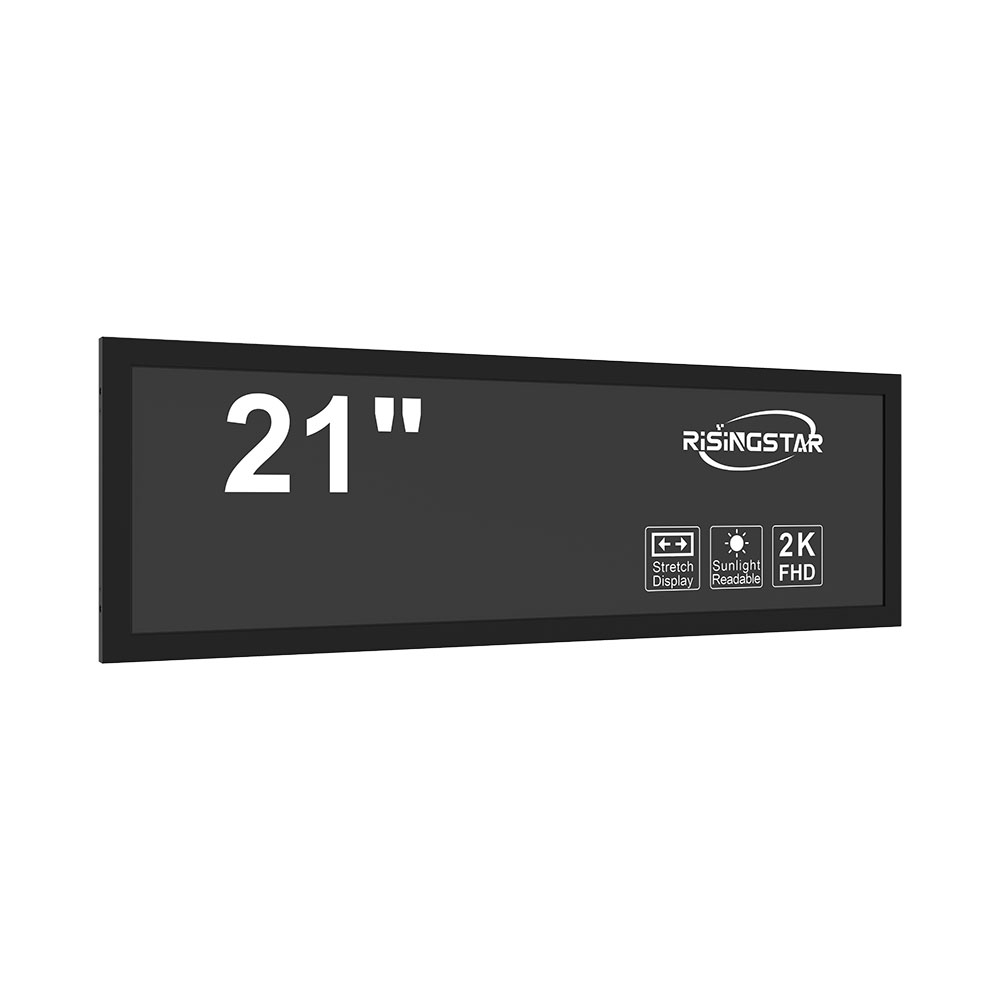
In today’s competitive retail environment, the way products are displayed directly impacts consumer behavior and sales performance. Ultra-wide shelf displays—large-format, high-brightness LCD screens integrated into store shelving—are emerging as a game-changing solution for modern retailers seeking to boost visibility, drive engagement, and improve conversion rates. These innovative digital displays offer dynamic content capabilities that traditional static signage cannot match, making them ideal for both in-store promotions and real-time product updates.
One of the primary advantages of ultra-wide shelf displays is their ability to capture attention in bright environments like supermarkets, pharmacies, and electronics stores. Unlike conventional LED or paper-based signage, these LCDs feature brightness levels exceeding 5,000 nits, ensuring clear visibility even under direct sunlight or fluorescent lighting—a critical requirement for retail spaces with high ambient light. According to a 2023 report by Statista, over 68% of consumers say they are more likely to notice digital shelf displays than printed posters when shopping in well-lit environments.
These displays also support interactive functionality, allowing customers to tap or hover over items to view detailed product information, pricing, reviews, or promotional offers. For example, Walmart has piloted ultra-wide digital shelf labels in select U.S. locations, reporting a 12–17% increase in impulse purchases due to enhanced visual engagement. Similarly, Amazon Go stores use embedded ultra-wide display panels to showcase product bundles, seasonal deals, and inventory availability, streamlining the shopping experience while reducing staff intervention.
From an operational standpoint, ultra-wide shelf displays integrate seamlessly with existing point-of-sale (POS) systems and inventory management software. This enables automatic price updates, markdown alerts, and personalized content delivery based on customer traffic patterns. Retailers can also leverage analytics from these systems to optimize shelf placement, track which products attract the most attention, and adjust marketing strategies in real time. A case study published by Nielsen in 2022 demonstrated that stores using smart shelf displays saw a 22% improvement in product turnover compared to those relying solely on manual labeling.
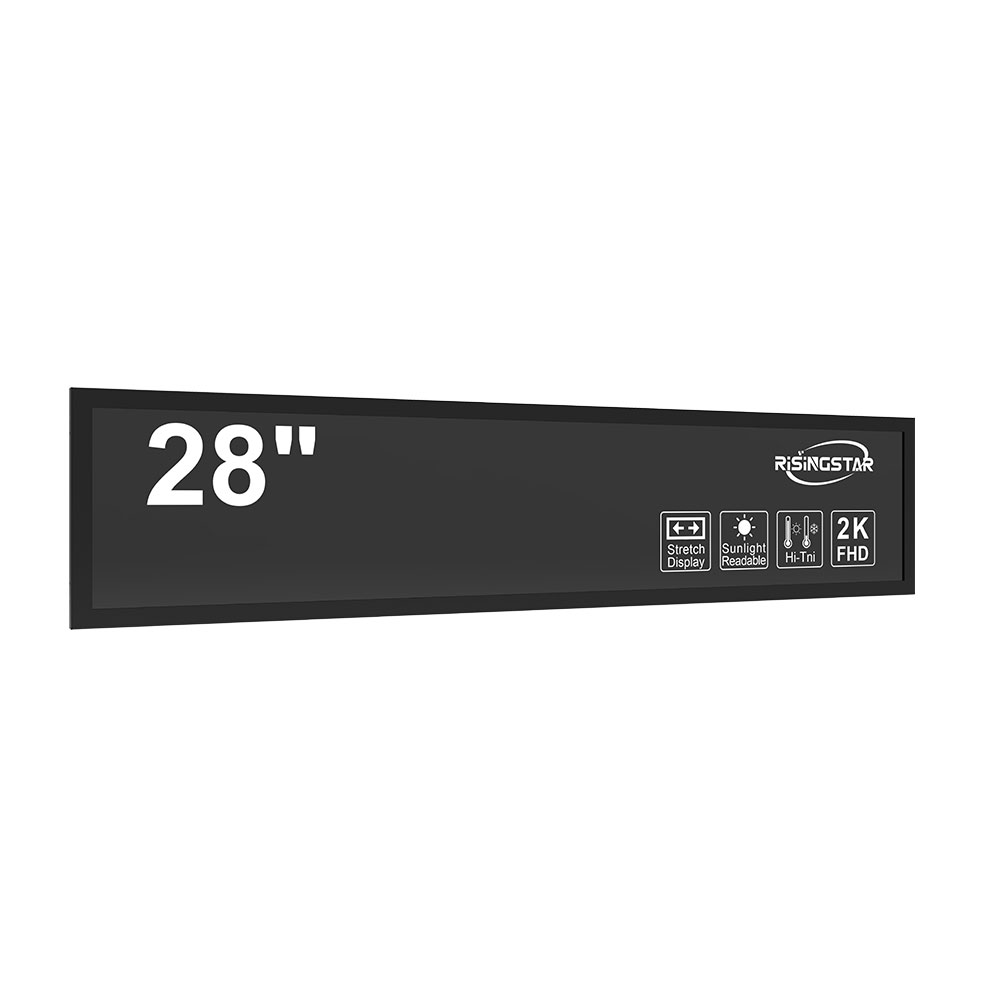
The technology behind ultra-wide shelf displays includes advanced anti-glare coatings, wide viewing angles (up to 178°), and ruggedized designs suitable for high-traffic retail zones. Many models comply with MIL-STD-810G standards for durability and operate efficiently across a broad temperature range (-10°C to 50°C), making them suitable for diverse climates—from urban grocery chains to outdoor kiosks.
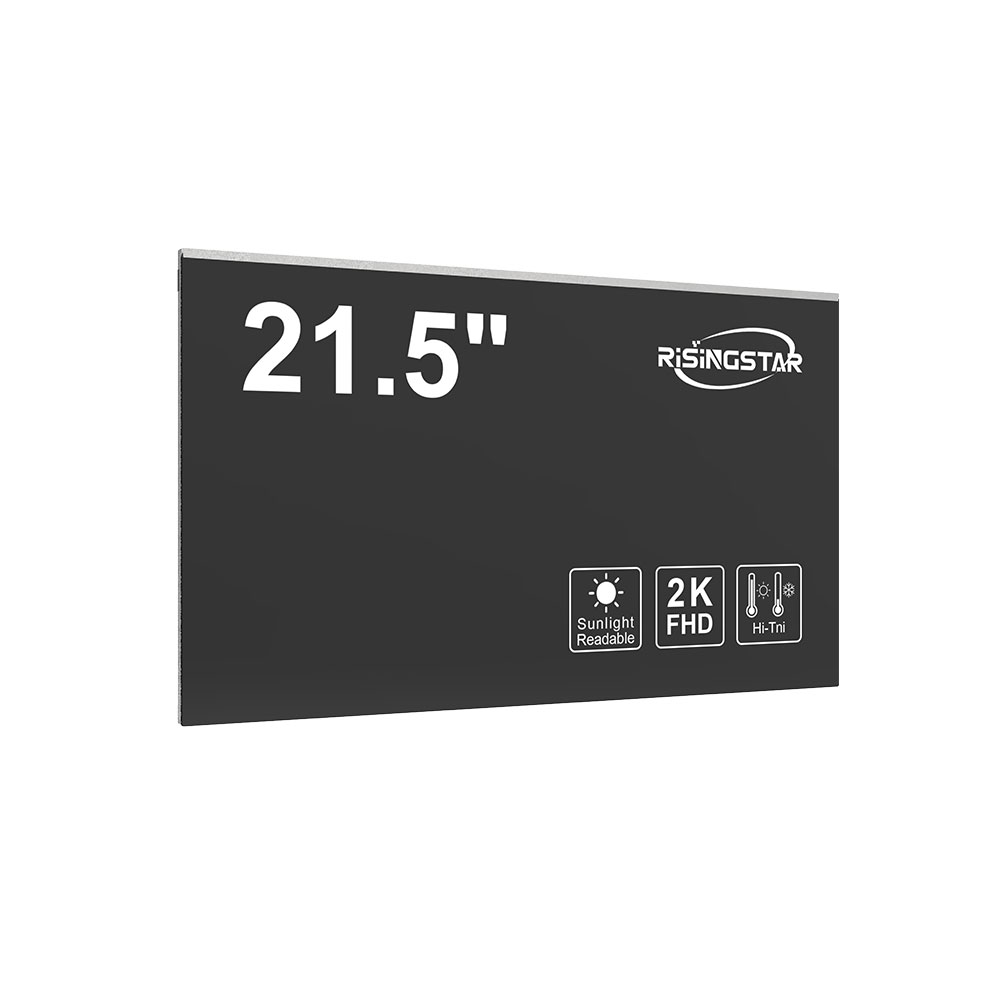
For brands aiming to stand out in crowded aisles, ultra-wide shelf displays represent a powerful investment in both aesthetics and functionality. Whether used for food & beverage, cosmetics, or electronics, these solutions bridge the gap between physical and digital retail experiences, offering retailers the flexibility to adapt quickly to market trends and consumer preferences. As e-commerce continues to grow, such in-store innovations will play a crucial role in retaining foot traffic and enhancing overall brand perception.