RisingStar
- Home
- About Us
- Products
- News
- Video
- Contact
- Send Inquiry
Search
- Home
- About Us
- Products
- News
- Video
- Contact
- Send Inquiry
RisingStar
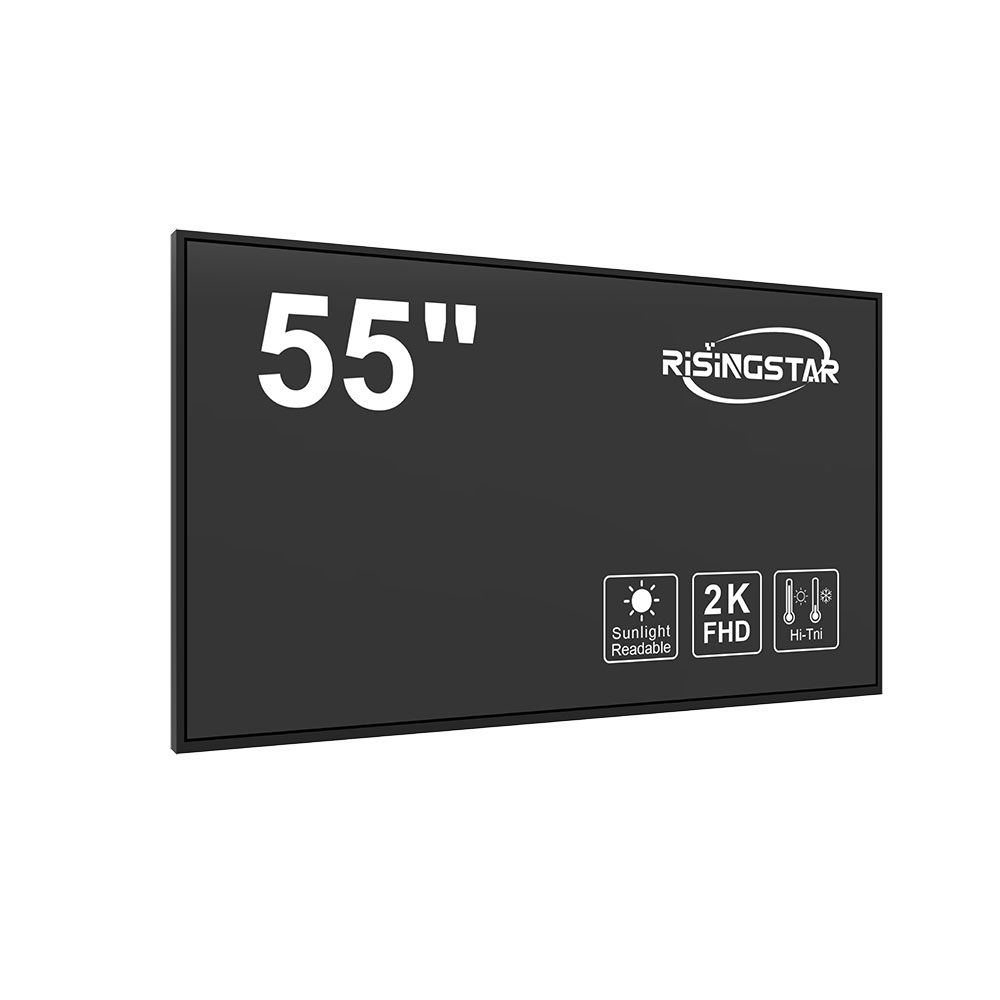
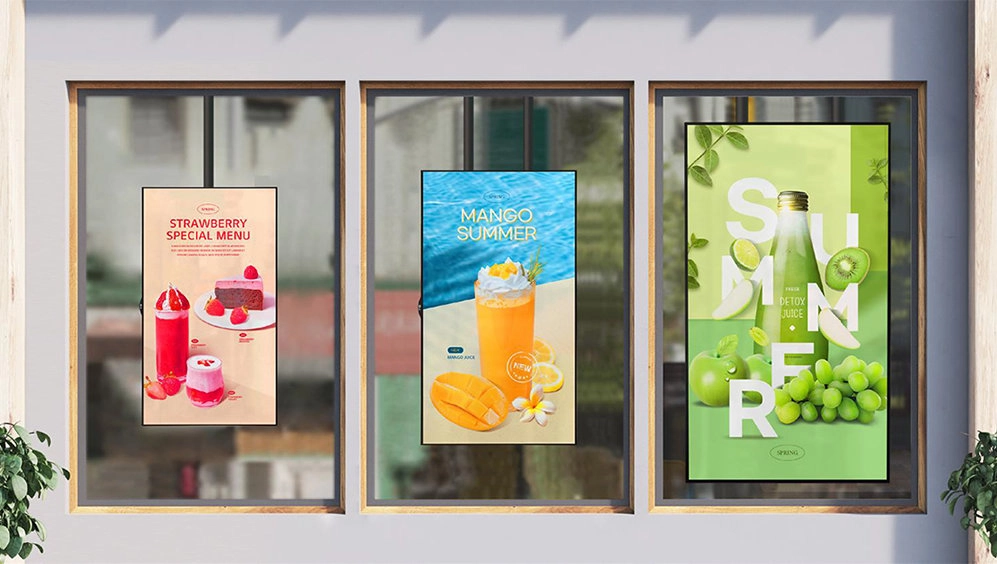
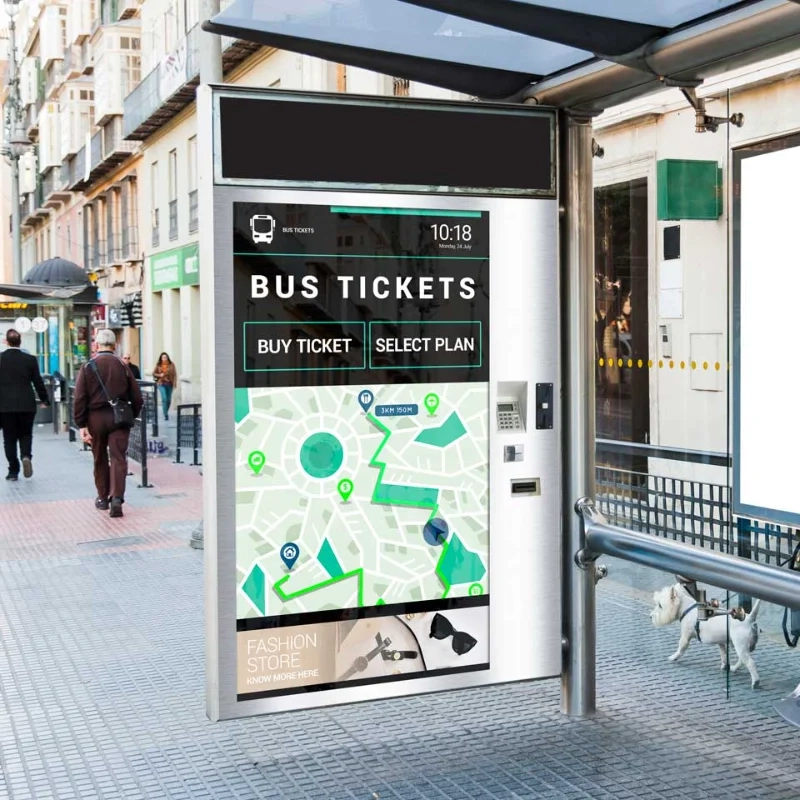
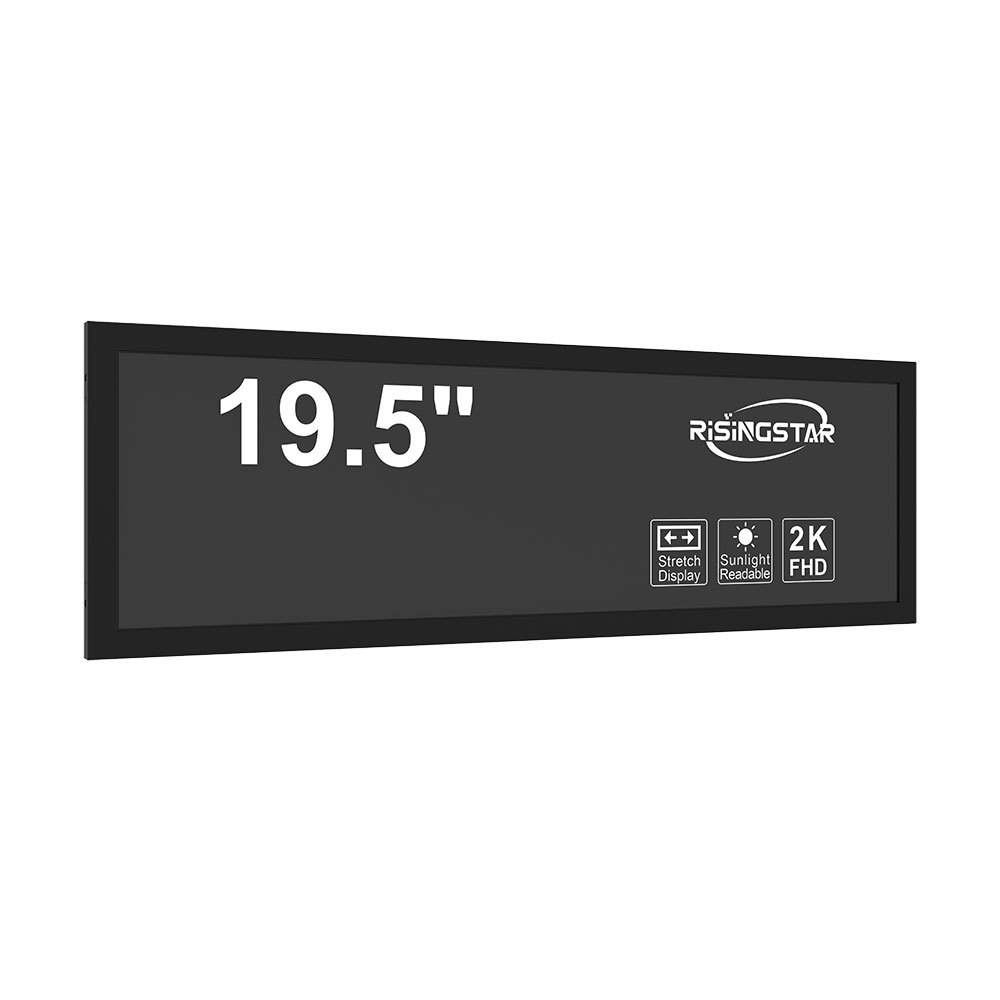
High-brightness sunlight-readable LCD screens are a specialized subset of liquid crystal display technology engineered to deliver crisp, legible visual output even under direct, intense sunlight—an indispensable feature for use cases spanning automotive Advanced Driver Assistance Systems (ADAS), rugged industrial equipment, airport digital signage, and marine navigation. Unlike standard consumer LCDs, which typically provide 200 to 500 nits of brightness and struggle in outdoor light above 10,000 lux, high-brightness models often exceed 1,000 nits, with industrial-grade units reaching 5,000+ nits to operate in extreme sunny conditions, per the 2023 Global Display Market Report from Display Supply Chain Consultants (DSCC).
Core technical innovations underpin this performance. High-power LED arrays form the backbone of the backlight system: direct-lit designs are favored for large outdoor signage for their uniform brightness and minimal hotspots, while edge-lit models offer slimmer form factors for portable devices. A critical component is the optimized anti-reflective (AR) and anti-glare (AG) coating, which reduces specular reflection that washes out images. ISO 9241-303, the international standard for visual display terminal ergonomics, mandates that outdoor displays maintain a contrast ratio of at least 10:1 under 100,000 lux sunlight; high-brightness LCDs achieve this by combining enhanced polarizer films with multi-layer AR coatings that absorb stray light instead of reflecting it back to the viewer.
Real-world case studies validate these technologies. Garmin’s 2024 marine multifunction displays (MFDs) use 2,500-nit sunlight-readable LCDs, allowing captains to read navigation and weather data clearly during midday offshore operations—an improvement over older 1,000-nit models that required shade or polarizing sunglasses for legibility. For automotive use, Tesla’s Cybertruck integrates 1,800-nit high-brightness LCDs in its infotainment and side mirror displays, compliant with SAE J1113 (automotive electromagnetic compatibility) and MIL-STD-810G (thermal stability, operating from -40°C to 85°C). This eliminates manual glare adjustments, boosting driver safety during sunny highway trips.
Market trends reflect growing demand: DSCC projects the global high-brightness sunlight-readable LCD market will grow at a 7.2% compound annual growth rate (CAGR) from 2023 to 2030, driven by ADAS adoption, smart city outdoor signage, and industrial Internet of Things (IIoT) devices. Key challenges include balancing brightness with power consumption—5,000-nit displays use significantly more energy than standard models, so manufacturers like Samsung Display have integrated local dimming algorithms to cut power use by up to 30% in low-light conditions, per a 2022 Society for Information Display (SID) study.
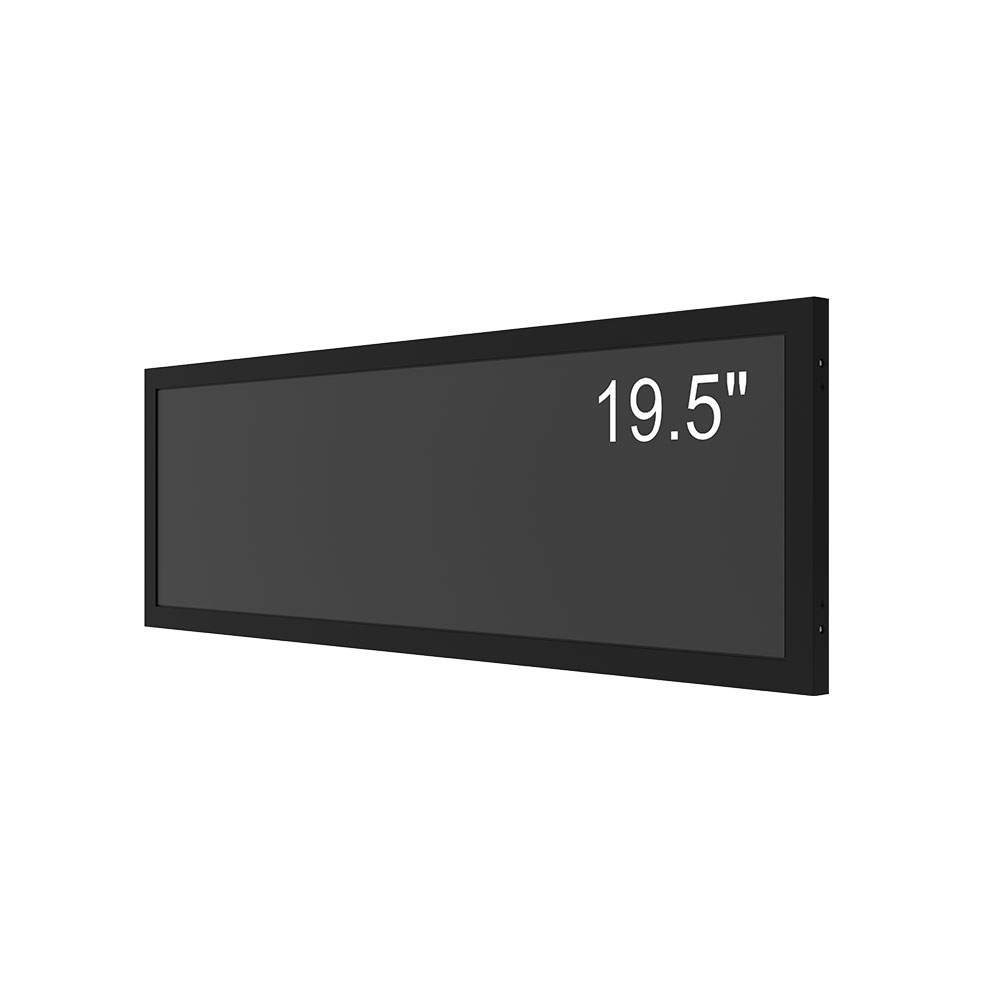
A notable infrastructure use case is Heathrow Airport’s 2022 departure signage upgrade: the airport replaced 800 standard LCDs with 1,500-nit high-brightness models, reducing glare-related readability complaints by 45% in sun-exposed terminal zones and cutting annual maintenance costs by 18% due to fewer cleaning and corrective adjustments. As industries increasingly rely on outdoor digital interfaces, these displays are evolving to meet stricter performance standards, making them a cornerstone of modern outdoor visual technology.