RisingStar
- Home
- About Us
- Products
- News
- Video
- Contact
- Send Inquiry
Search
- Home
- About Us
- Products
- News
- Video
- Contact
- Send Inquiry
RisingStar
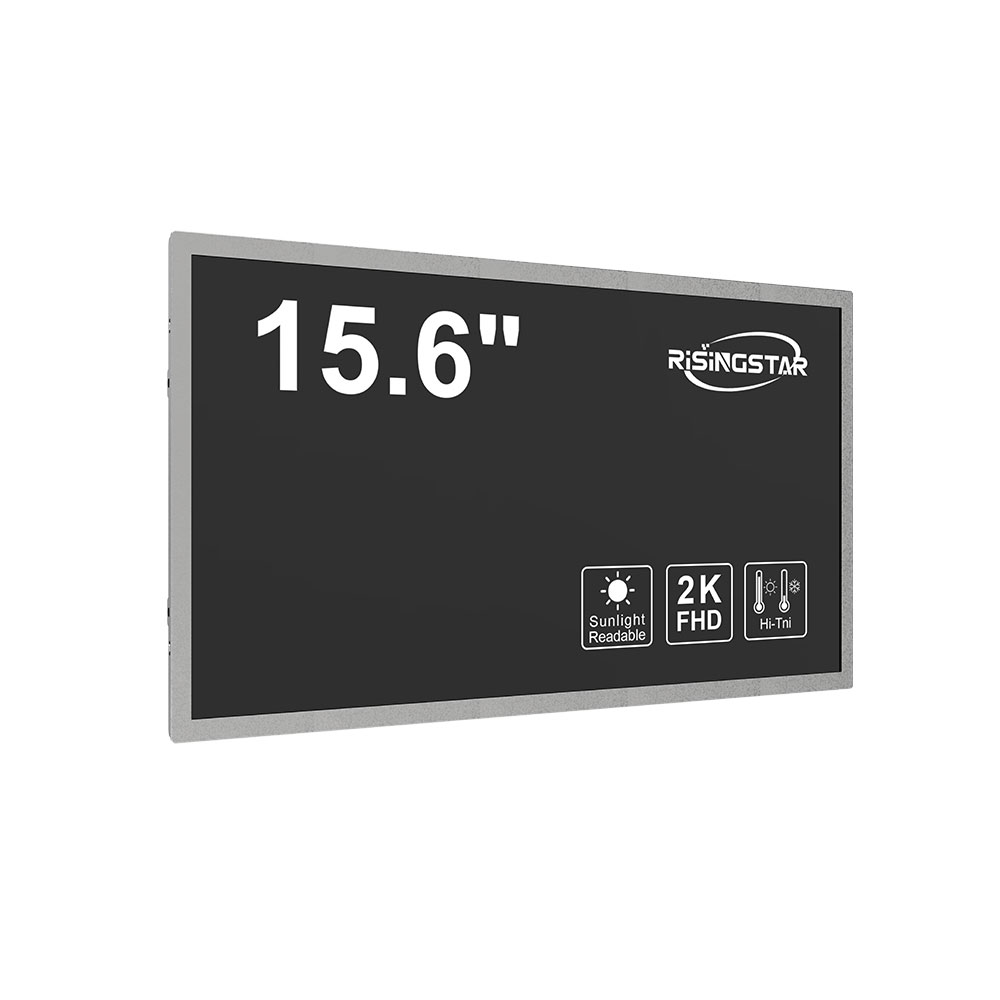
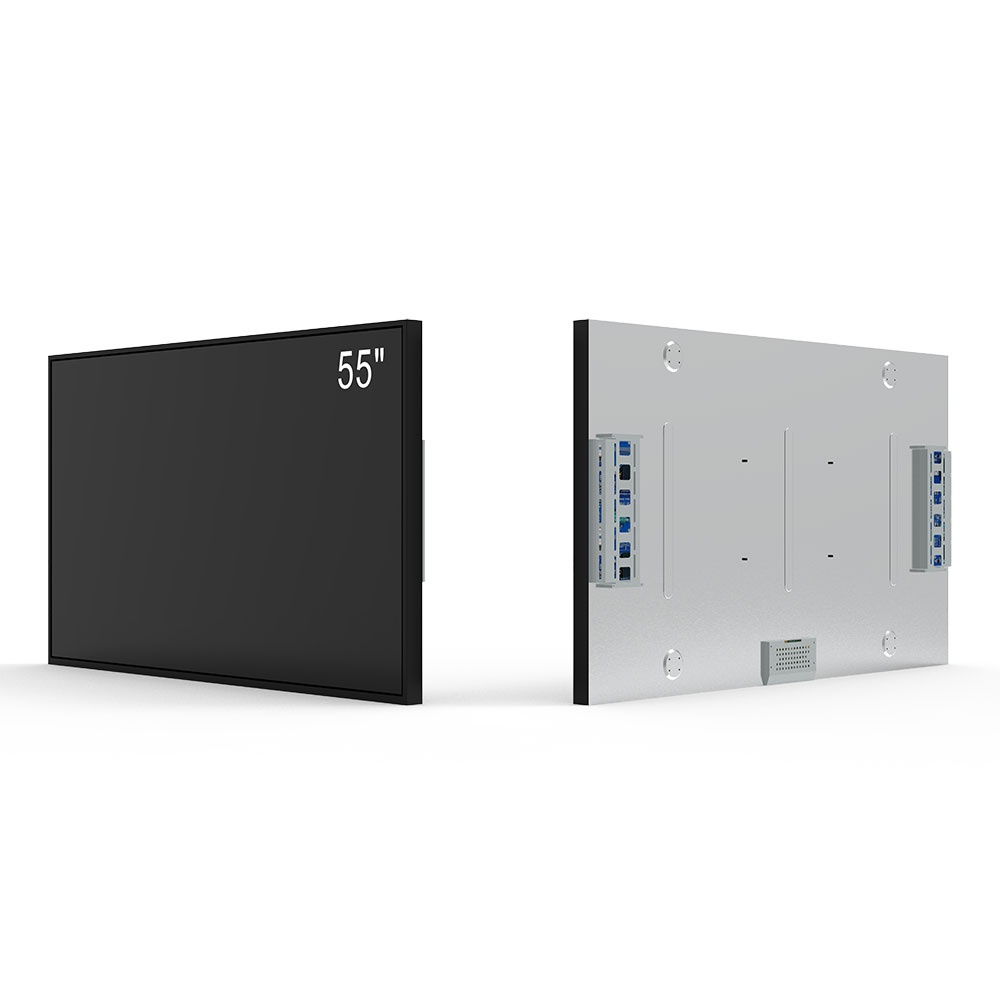
In today’s increasingly mobile and connected world, high-brightness sunlight-readable LCD screens have become essential for applications ranging from military field equipment to industrial automation and public information displays. These specialized displays are engineered to maintain clarity and usability under intense ambient lighting conditions—such as direct sunlight—where standard LCDs often fail due to poor contrast and visibility.
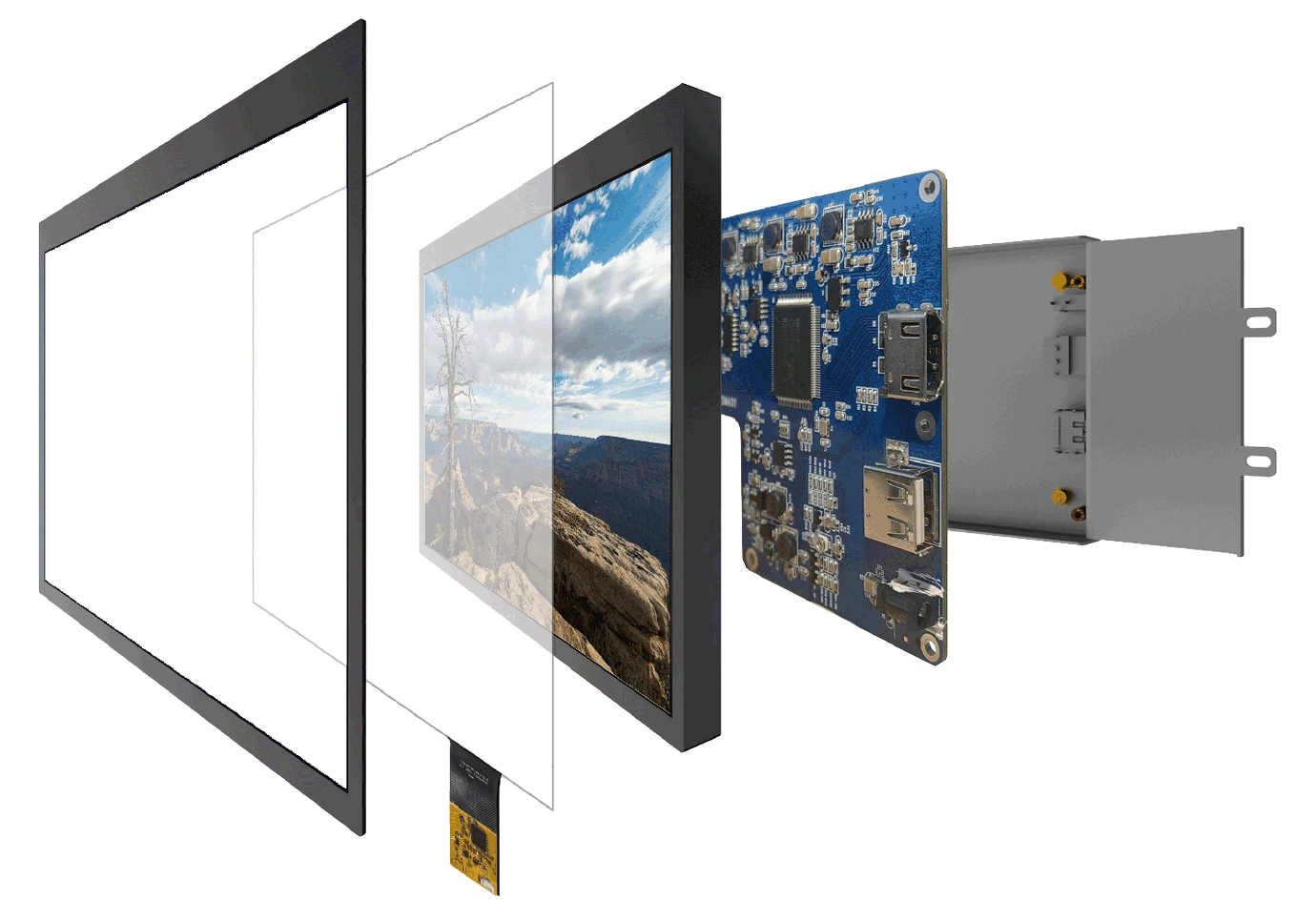
The core of a sunlight-readable LCD lies in its ability to achieve peak brightness levels typically exceeding 5,000 nits, with many commercial-grade models reaching 7,000–10,000 nits. This is accomplished through advanced backlighting technologies like LED arrays with optimized diffusers and high-efficiency phosphors. Additionally, anti-reflective coatings (ARC), polarized filters, and etched glass surfaces reduce glare while preserving color accuracy. For instance, manufacturers such as CMO Display and Novatek integrate multi-layer optical films that enhance luminance uniformity and minimize hotspots—an issue common in lower-cost backlights.
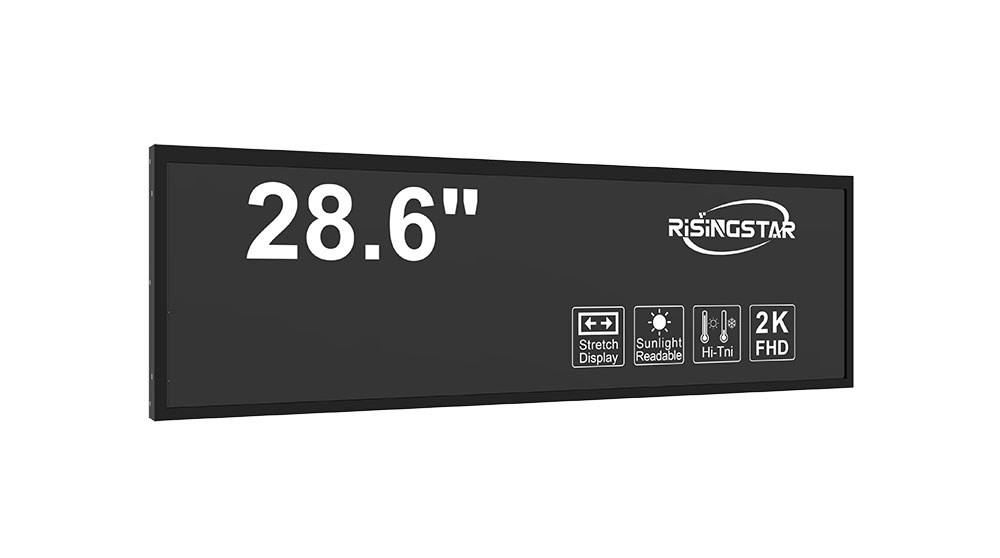
Another critical design consideration is the use of active matrix thin-film transistor (TFT) technology. TFT-LCDs provide faster response times and better image stability than passive matrix displays, which is crucial in dynamic outdoor environments where users may be viewing content on the move or in changing light conditions. In military applications, such as handheld targeting systems or vehicle-mounted command consoles, these screens must operate reliably across extreme temperatures—from -40°C to +70°C—making thermal management and ruggedized enclosures equally important.
Case studies demonstrate the effectiveness of modern sunlight-readable displays. For example, the U.S. Army’s Integrated Visual Augmentation System (IVAS) relies on a custom high-brightness OLED-LCD hybrid screen offering 10,000 nits of brightness, ensuring clear visibility even in full daylight. Similarly, outdoor digital signage in Tokyo’s Shibuya Crossing uses sealed, solar-powered LCD panels with automatic brightness adjustment, reducing energy consumption by up to 40% while maintaining readability during peak sun hours.
From an industry perspective, standards like MIL-STD-810G for environmental resistance and ISO 16750 for automotive electronics guide product development. Compliance ensures reliability in real-world conditions. Moreover, the growing adoption of smart city infrastructure—where public kiosks, traffic signs, and utility meters require durable, low-maintenance screens—is driving demand for these technologies globally.
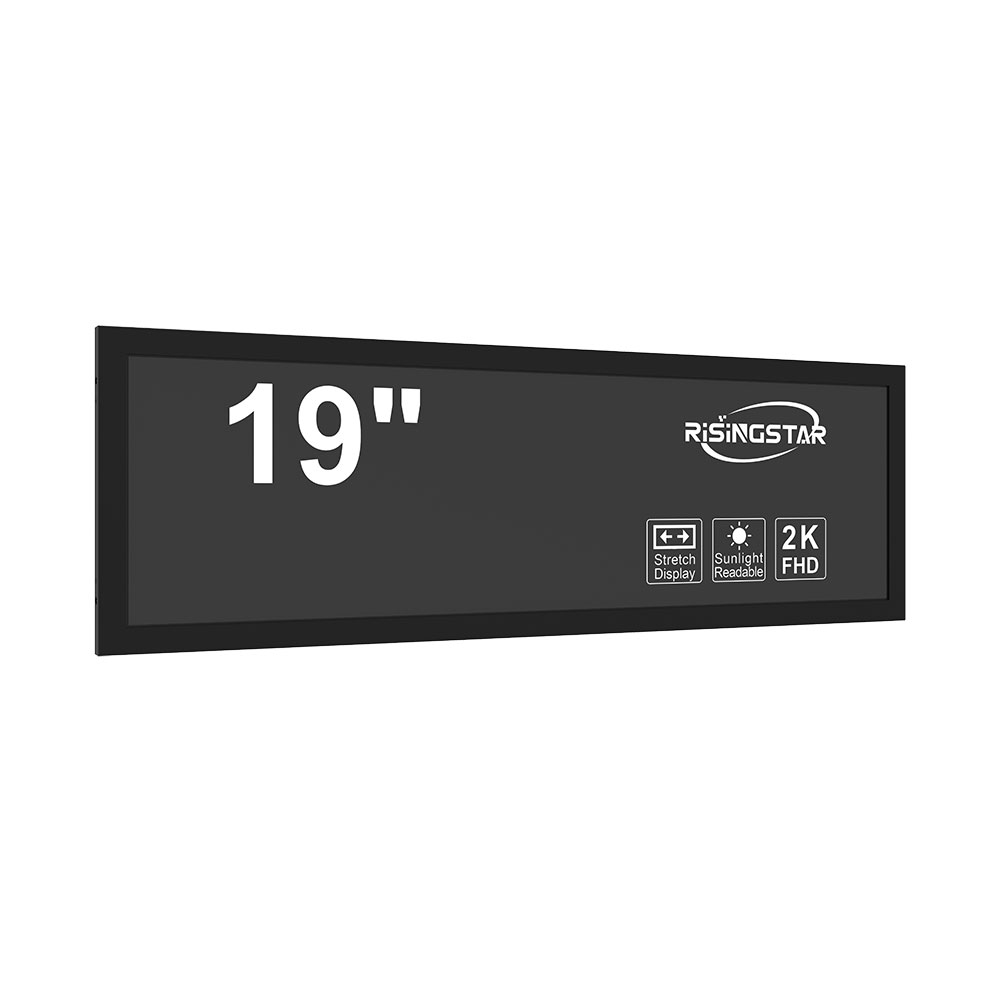
Manufacturers are also integrating smart features such as ambient light sensors (ALS) and adaptive brightness algorithms. These not only improve user experience but also extend panel lifespan by minimizing unnecessary power draw. According to a 2023 report by MarketsandMarkets, the global market for sunlight-readable displays is projected to grow at a CAGR of 7.9% from 2024 to 2030, fueled by rising demand in defense, transportation, and IoT sectors.
Ultimately, high-brightness sunlight-readable LCD screens are no longer niche components—they are mission-critical hardware enabling seamless human-machine interaction outdoors. As lighting conditions continue to challenge conventional display solutions, innovations in materials science, power efficiency, and intelligent control systems will define the next generation of robust, readable, and sustainable outdoor displays.