RisingStar
- Home
- About Us
- Products
- News
- Video
- Contact
- Send Inquiry
Search
- Home
- About Us
- Products
- News
- Video
- Contact
- Send Inquiry
RisingStar
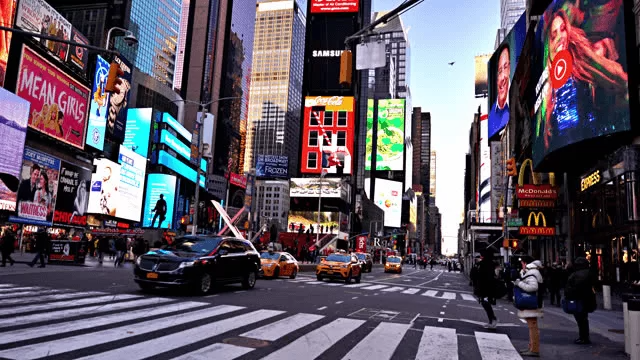
High-brightness sunlight-readable LCD screens are essential in outdoor applications where visibility under direct sunlight is critical—such as in military field equipment, industrial control panels, transportation signage, and public kiosks. These displays must maintain clarity, contrast, and color accuracy even when exposed to intense ambient light levels that can exceed 100,000 lux. Unlike standard indoor LCDs, which typically operate at brightness levels between 200–400 cd/m², sunlight-readable displays often require luminance of 5,000 to 10,000 cd/m² or more.
The key to achieving high readability in bright environments lies in a combination of hardware design, advanced display technologies, and intelligent software optimization. One of the most effective methods is using transflective liquid crystal technology. Transflective displays combine both transmissive (backlit) and reflective modes—allowing them to function efficiently in both low-light indoor environments and high-illumination outdoor conditions. This hybrid approach reduces power consumption while maximizing brightness when needed.
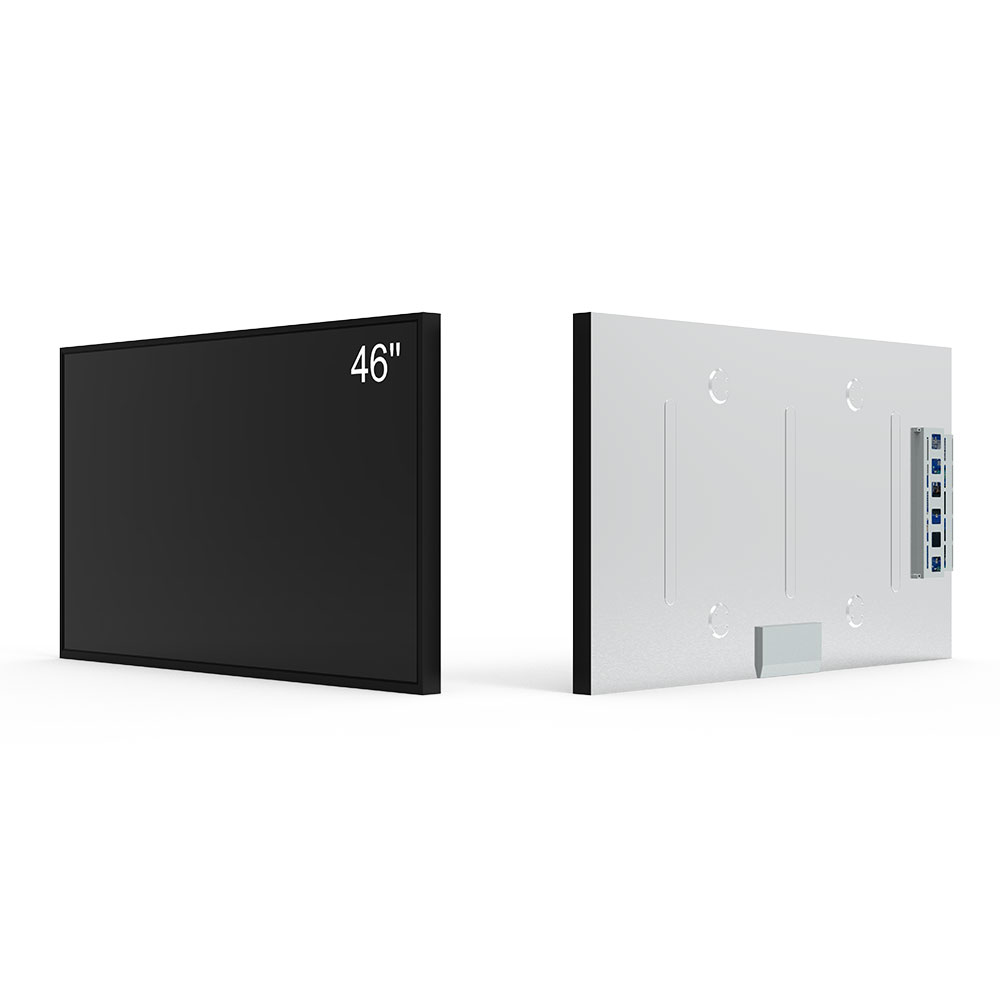
Another critical factor is the use of high-efficiency LED backlighting systems with optical enhancements such as light guides, diffusers, and reflectors. For example, edge-lit LED designs with micro-optical films can boost luminance by up to 30% compared to conventional direct-lit configurations. Additionally, anti-glare and anti-reflection coatings on the screen surface minimize specular reflections from sunlight, improving contrast ratios by as much as 50%.
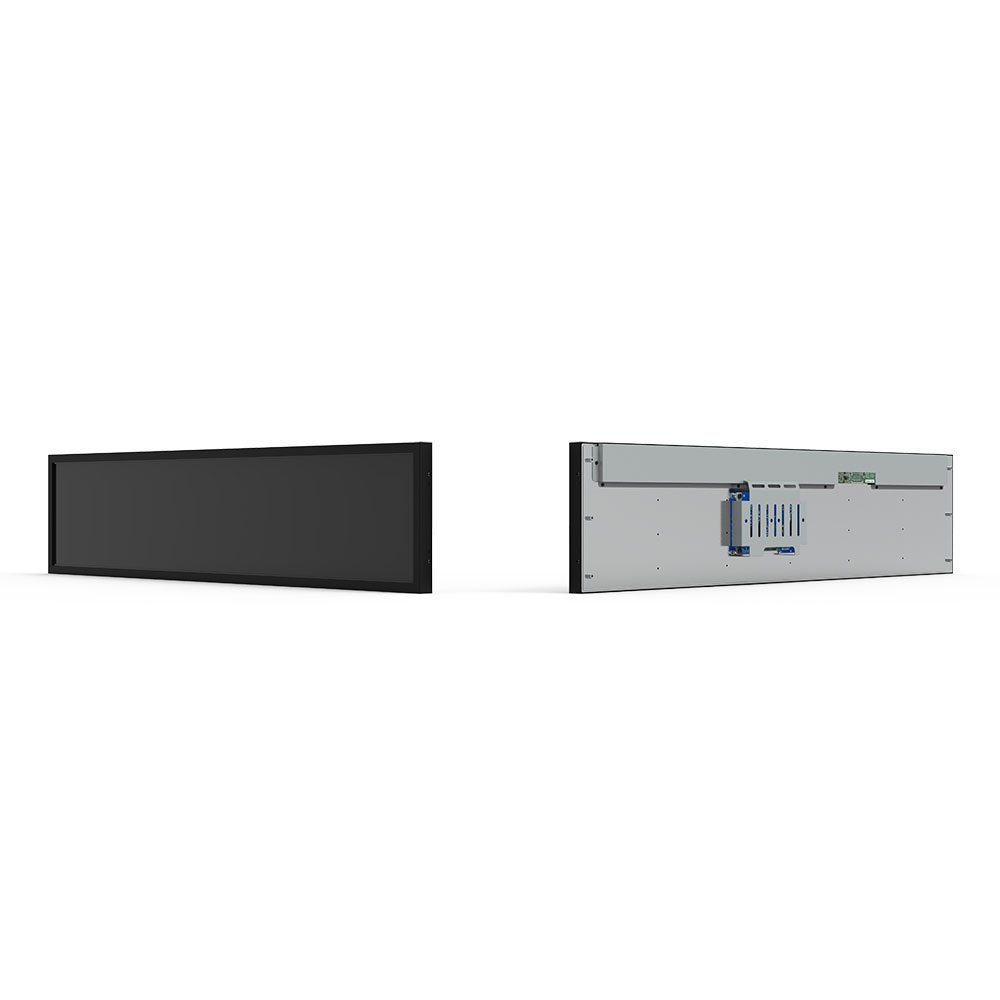
Manufacturers like Sharp, LG Display, and Innolux have developed specialized outdoor-grade LCDs compliant with MIL-STD-810G standards for shock, vibration, and temperature resistance—ensuring reliability in extreme climates. These panels often feature wide operating temperature ranges (-30°C to +70°C), IP65 ingress protection, and ruggedized bezels for dust and water resistance. Case studies from defense contractors show that deploying sunlight-readable LCDs in UAV ground control stations increased mission effectiveness by reducing pilot fatigue due to eye strain during prolonged daylight operations.
From an engineering perspective, selecting the right display involves evaluating not only peak brightness but also dynamic contrast ratio, viewing angle stability, response time, and power efficiency. Modern embedded systems now integrate automatic brightness adjustment algorithms using ambient light sensors (ALS). This adaptive control helps optimize battery life in portable devices while maintaining optimal readability—a crucial feature in solar-powered IoT terminals used in remote monitoring.
In summary, designing a successful sunlight-readable LCD requires a systems-level approach combining material science, optics, thermal management, and real-time environmental sensing. Whether for smart city infrastructure or offshore drilling platforms, these displays represent a convergence of engineering excellence and user-centric design principles that ensure performance under the harshest outdoor conditions.