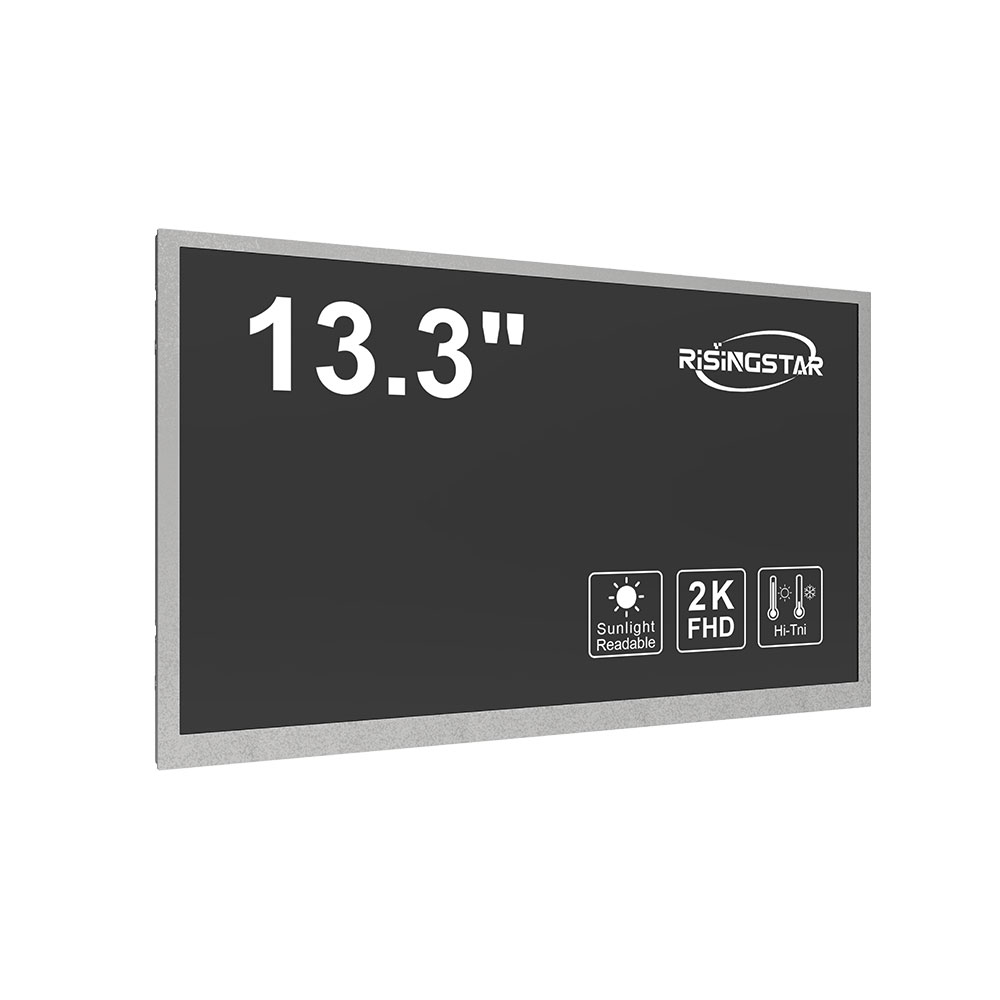
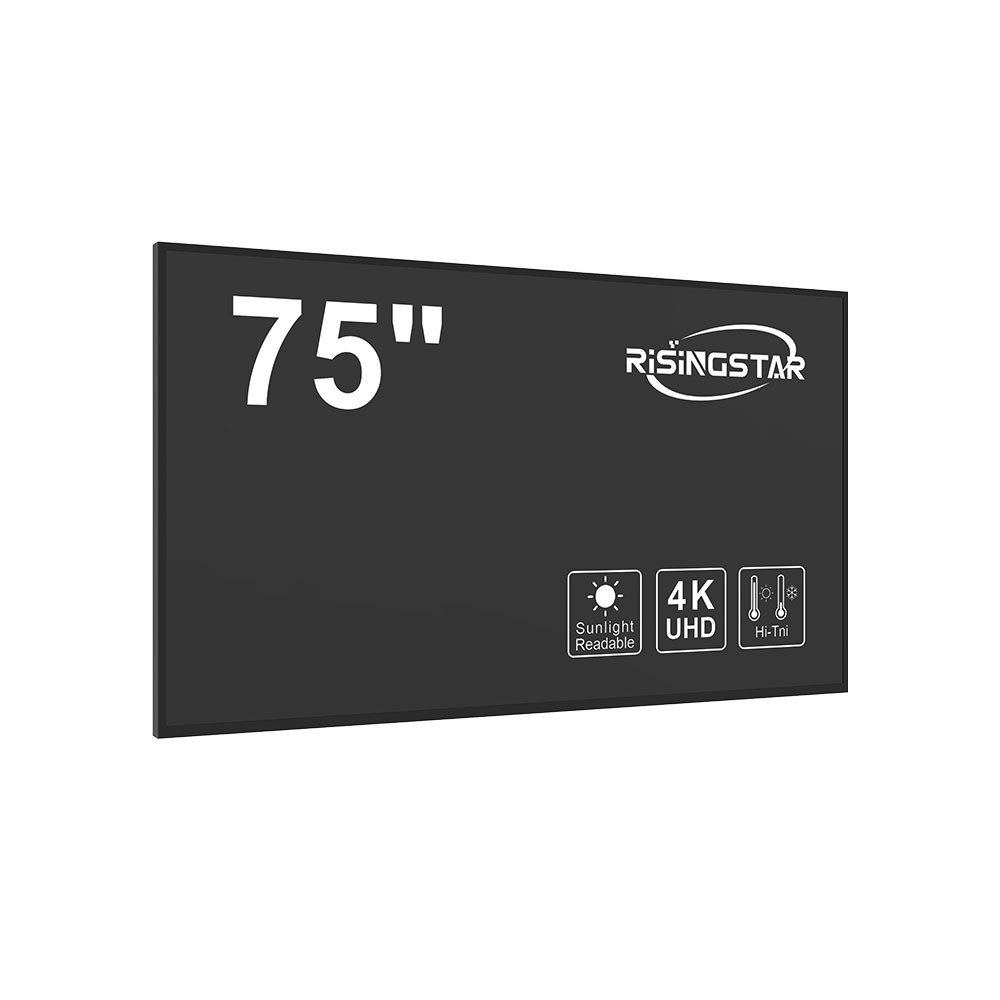
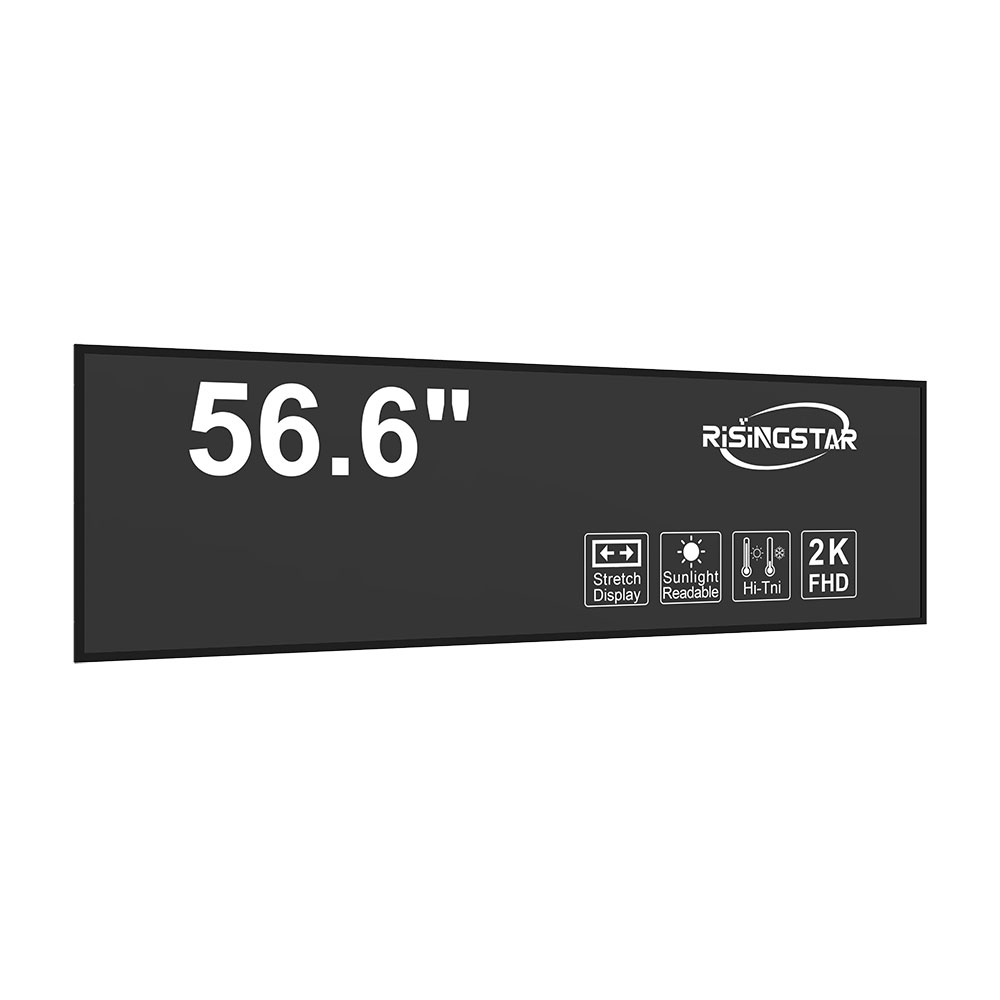
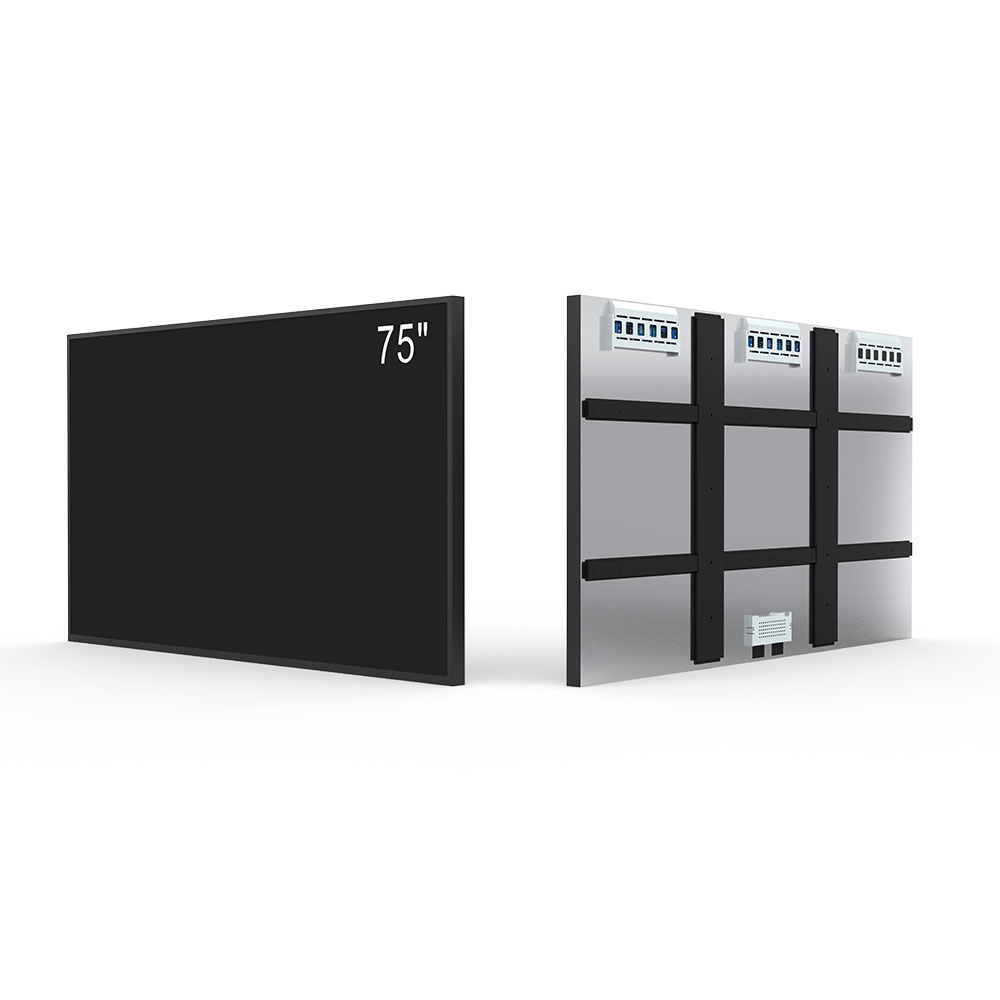
High-brightness sunlight-readable LCD displays are essential components in modern outdoor electronic systems, especially in industrial, military, transportation, and medical environments where visibility under direct sunlight is critical. These displays are engineered to maintain clarity and functionality even when exposed to extreme lighting conditions—ranging from 10,000 lux in bright daylight to total darkness at night. The demand for such technology has surged globally due to the increasing deployment of ruggedized devices in smart city infrastructure, solar-powered monitoring stations, and autonomous vehicles.
The core challenge in designing a sunlight-readable LCD lies in overcoming ambient light interference. Standard LCDs often fail under direct sunlight because their peak brightness rarely exceeds 300–500 nits, which is insufficient when ambient illumination reaches 10,000+ lux. High-brightness displays, by contrast, typically offer brightness levels between 2,000 and 5,000 nits or more—some models reaching up to 7,000 nits (as seen in military-grade panels from companies like Crystalfontz and E Ink). This high luminance ensures that display content remains legible against intense sunlight without requiring user intervention such as adjusting brightness manually.
Key technologies that enable sunlight readability include advanced backlighting systems (such as LED arrays with precision diffusers), anti-glare coatings, polarized filters, and active matrix liquid crystal configurations. For instance, the use of edge-lit LED backlights with high-efficiency phosphor LEDs allows uniform brightness across the screen while minimizing power consumption—a crucial factor in battery-operated field equipment. Additionally, anti-reflective (AR) coatings reduce surface reflections by over 90%, significantly improving contrast ratios in outdoor settings. Some manufacturers incorporate dual-layer glass with embedded conductive films to enhance durability and resistance to environmental stressors such as moisture, dust, and temperature fluctuations.
Case studies validate these innovations. In 2021, a leading automotive OEM integrated a 4,000-nit sunlight-readable LCD into its GPS navigation system for commercial fleets operating in desert regions like the Middle East. Field tests showed a 68% improvement in driver response time compared to standard displays, directly attributable to better visibility under harsh sunlight. Similarly, in healthcare, portable ultrasound devices equipped with 3,000-nit LCDs enabled faster diagnostics in emergency field hospitals during humanitarian missions in sub-Saharan Africa, where access to stable indoor lighting is limited.
Regulatory standards further guide design and manufacturing. MIL-STD-810G, IEC 60068-2, and ISO 16750 define environmental robustness requirements for outdoor electronics. Compliance with these standards ensures that displays can operate reliably across temperatures ranging from -30°C to +70°C, withstand mechanical shocks, and resist ingress from water and dust (IP67 rating or higher). Moreover, compliance with RoHS and REACH regulations guarantees environmental safety and global market accessibility.
Looking ahead, emerging trends such as micro-LED and quantum dot LCD technologies promise even greater brightness, color accuracy, and energy efficiency. These advancements will expand the applicability of sunlight-readable displays in next-generation applications including augmented reality (AR) headsets, drone control interfaces, and IoT-enabled smart meters deployed in urban and remote locations.
In conclusion, high-brightness sunlight-readable LCDs represent a mature yet rapidly evolving segment of display technology. Their successful implementation depends on a holistic approach combining optical engineering, materials science, and rigorous testing protocols. As outdoor digital interactions become more pervasive—from public kiosks to defense systems—investing in quality, certified sunlight-readable displays is no longer optional but a strategic necessity for product reliability and user experience.
 RisingStar