RisingStar
- Home
- About Us
- Products
- News
- Video
- Contact
- Send Inquiry
Search
- Home
- About Us
- Products
- News
- Video
- Contact
- Send Inquiry
RisingStar
When designing or selecting display solutions for outdoor industrial equipment—such as construction machinery, utility meters, agricultural vehicles, or military-grade field devices—the ability of an LCD screen to remain visible under direct sunlight is not just a convenience—it’s a necessity. High-brightness sunlight-readable LCDs are engineered specifically to overcome the challenges posed by ambient light levels that can exceed 100,000 lux in full daylight. These displays are essential for ensuring operational safety, data accuracy, and user efficiency in environments where visibility directly impacts productivity and decision-making.
The core challenge in outdoor applications lies in achieving sufficient contrast and brightness while maintaining power efficiency and durability. Standard LCDs typically max out at around 300–500 nits, which quickly becomes insufficient under bright sunlight conditions. In contrast, sunlight-readable LCDs commonly offer brightness levels between 2,000 and 5,000 nits, with some models reaching up to 7,000 nits for extreme environments such as desert operations or maritime deployments. This range is critical because human visual perception requires a minimum of 500 nits to read text clearly indoors, and outdoor visibility demands significantly more—especially when glare or reflections occur.
Key technologies behind high-brightness sunlight-readable LCDs include:
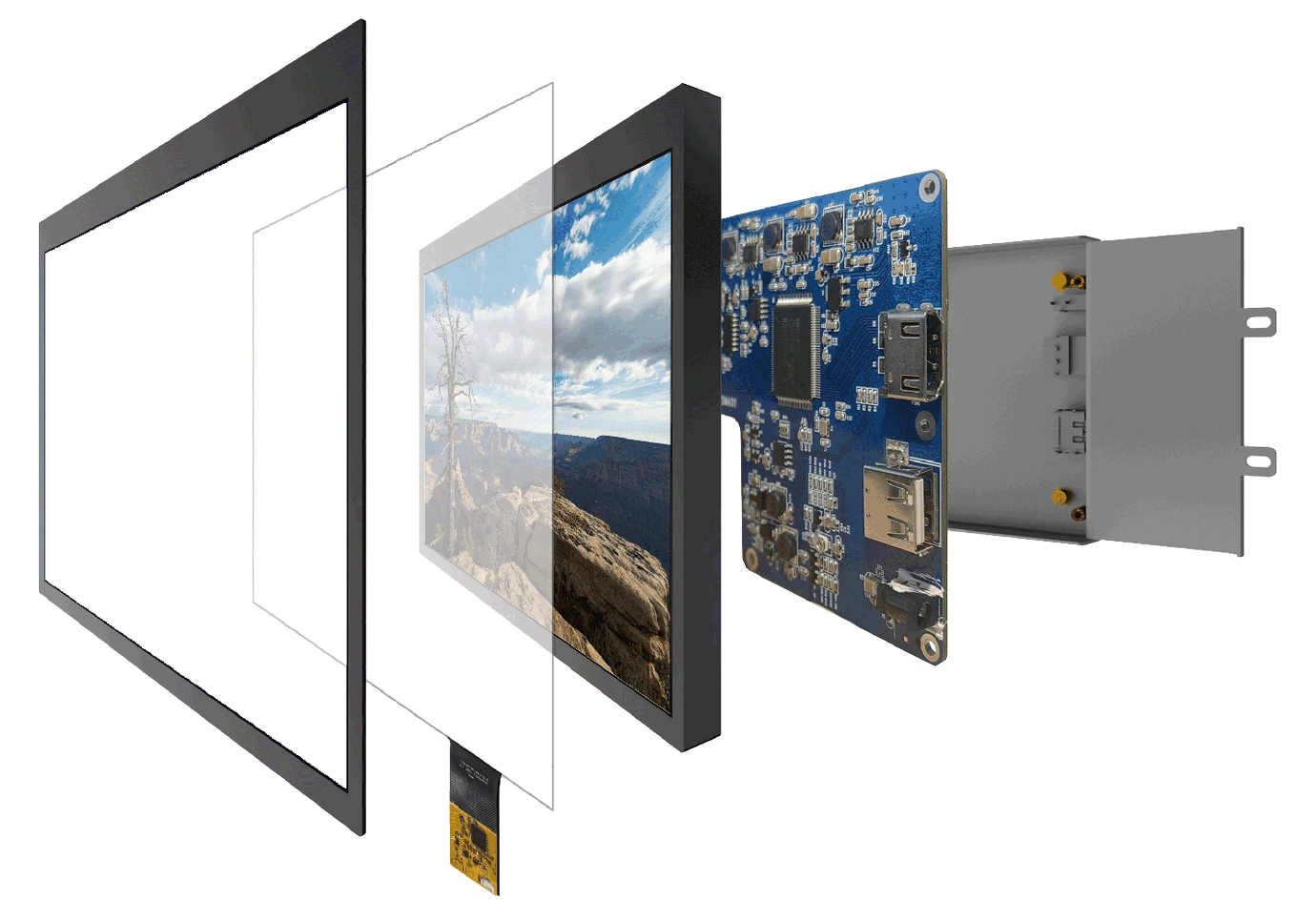
1. High-Brightness LED Backlighting: Utilizing high-efficiency LEDs with uniform illumination across the panel ensures consistent brightness without hotspots or dim corners. Advanced thermal management prevents overheating, especially in enclosed industrial enclosures.
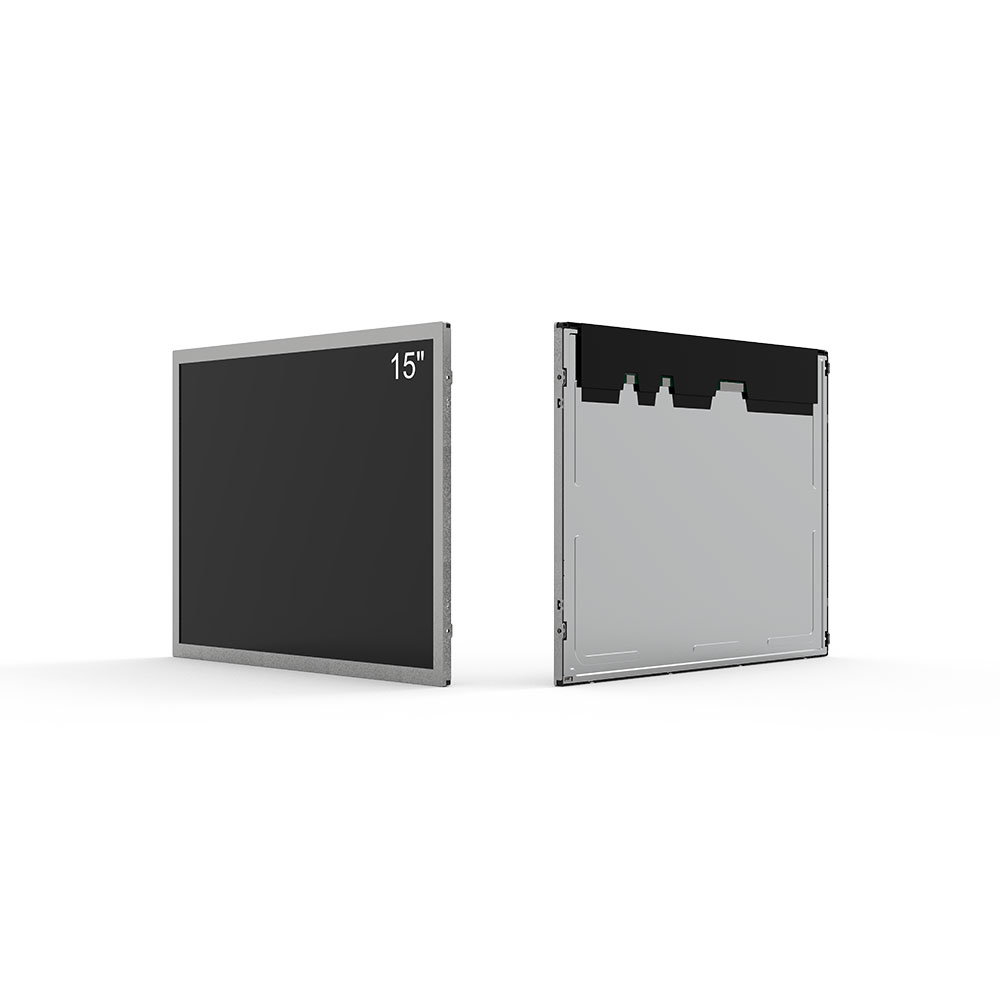
2. Anti-Glare Coatings: A matte surface treatment reduces reflection by scattering incident light rather than bouncing it back. Some manufacturers use nano-textured glass or specialized optical films (like polarizers and diffusers) to enhance contrast ratios even at oblique viewing angles.
3. Transflective Liquid Crystal Technology: Unlike traditional transmissive-only LCDs, transflective designs incorporate reflective layers that bounce ambient light back through the pixel array when external lighting is strong—reducing power consumption by up to 40% in sunny conditions.
4. Wide Temperature Range Operation: Industrial-grade screens must function reliably from -30°C to +70°C, often using wide-temperature liquid crystals and robust sealing techniques to prevent moisture ingress or internal condensation.
Case studies from leading OEMs highlight the real-world impact. For example, a European agricultural tractor manufacturer replaced their standard 400-nit display with a 3,500-nit transflective LCD in their latest model. Field tests showed a 67% reduction in operator errors during midday operations due to improved readability, resulting in increased uptime and reduced maintenance costs. Similarly, a U.S.-based energy company deployed 5,000-nit LCDs in remote gas metering units in Arizona. Despite solar exposure exceeding 8,000 lux for over 12 hours daily, operators reported zero issues with visibility, even during peak sun hours.
When sourcing these displays, overseas equipment manufacturers and distributors should consider certifications such as MIL-STD-810G for environmental resilience, IP65/IP67 for dust/water resistance, and compliance with RoHS and REACH standards for global market access. Partnering with suppliers who provide complete design support—including backlight optimization, firmware integration, and ruggedized housing—can accelerate time-to-market and reduce total cost of ownership.
In summary, choosing the right sunlight-readable LCD isn’t merely about brightness specs—it’s about integrating proven technologies into a system that delivers reliable performance under harsh conditions. With the right solution, industrial equipment can operate safely, efficiently, and consistently, regardless of location or weather.