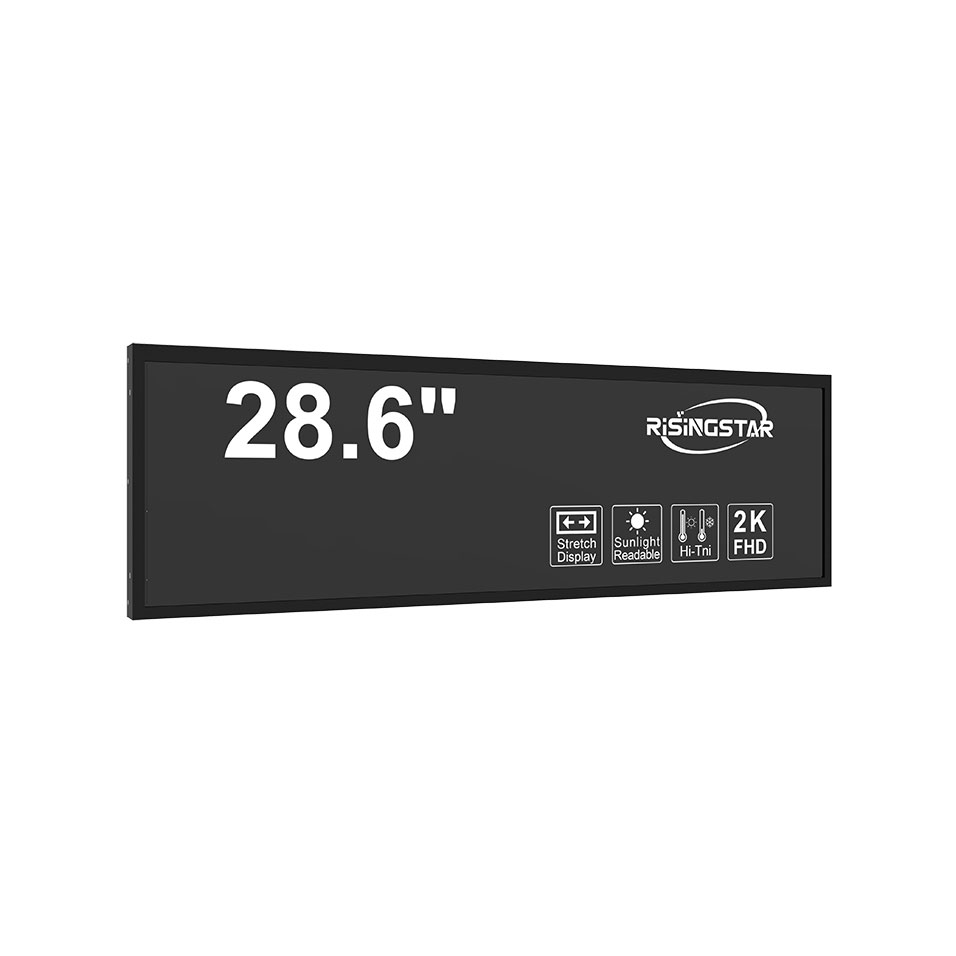
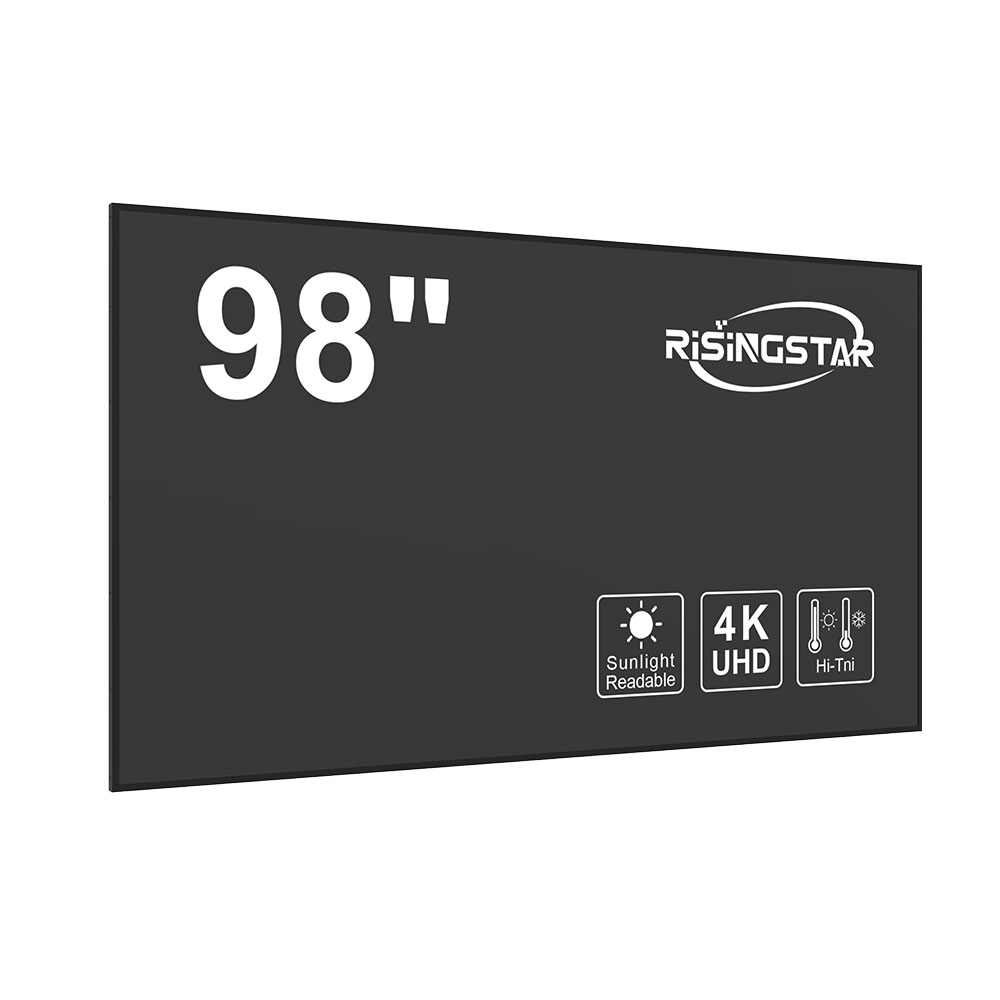
The IK10 high-brightness sunlight-readable LCD screen represents a critical advancement in display technology, especially for outdoor and extreme environmental applications. Unlike standard LCDs that suffer from poor visibility under direct sunlight or in high-ambient-light conditions, IK10 displays are engineered to maintain clarity, contrast, and color accuracy even in bright daylight—making them indispensable in military, industrial, transportation, and public information systems.
At the heart of IK10’s performance is its ability to achieve brightness levels exceeding 5,000 nits (cd/m²), far surpassing typical indoor displays which range from 200–500 nits. This high luminance is achieved through a combination of advanced backlighting (often LED-based with precision optics), anti-reflective coatings, and optimized pixel design. According to the International Electrotechnical Commission (IEC) standard IEC 60068-2-14 (Environmental Testing), IK10 screens must withstand continuous exposure to 10,000 lux sunlight without loss of readability—a benchmark met by modern IK10 panels using polarized filters and reflective polarizers to minimize glare.
A key feature of IK10 displays is their use of “sunlight-readable” engineering principles, including:
- High Contrast Ratio: Typically 1000:1 or higher, ensuring text and graphics remain sharp against bright backgrounds.
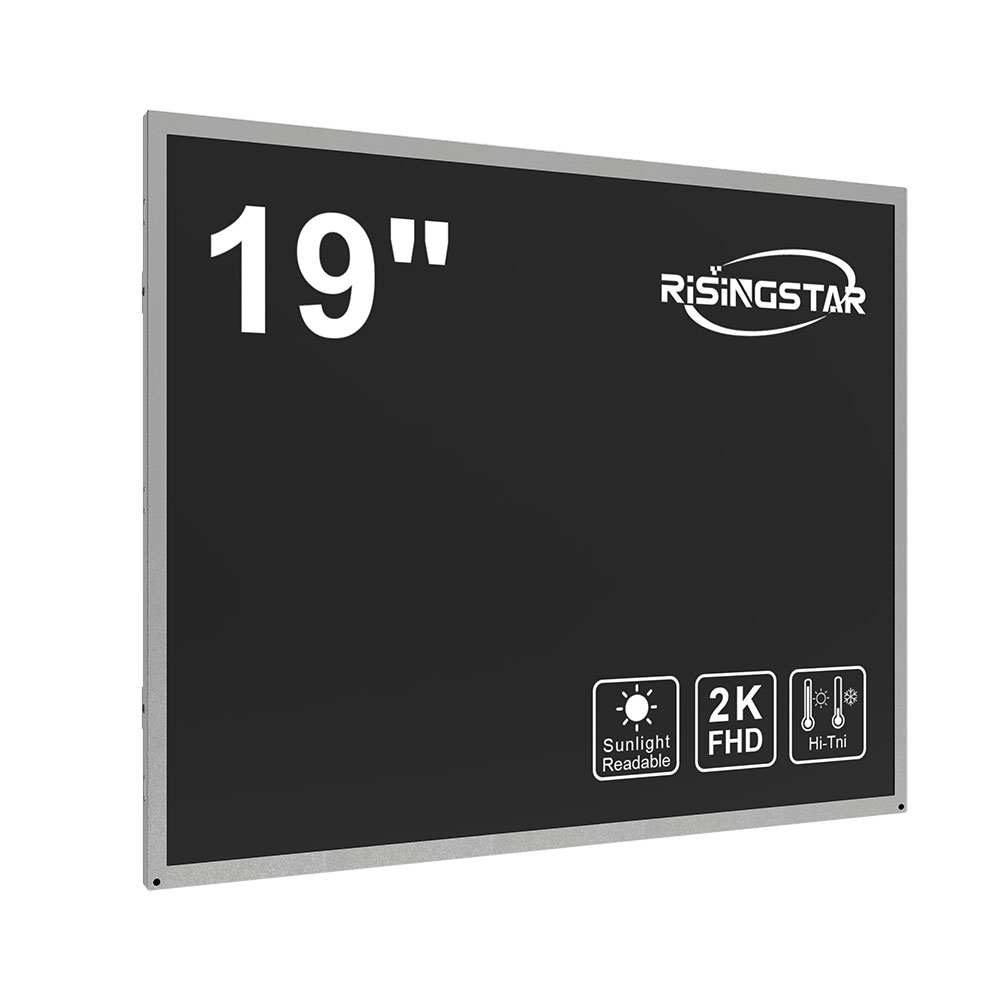
- Wide Viewing Angles: Up to 178° horizontal and vertical, enabling visibility from multiple angles—an essential trait in public kiosks or vehicle dashboards.
- Thermal Management: Designed for operation between -30°C to +70°C, often incorporating passive cooling or active heat dissipation methods such as heat pipes or thermal pads.
- Robust Mechanical Design: Often IP65 or higher ingress protection, suitable for dusty, wet, or vibration-prone environments like construction sites or maritime vessels.
Case studies validate IK10’s real-world effectiveness. For instance, a U.S. Department of Defense pilot project deployed IK10 displays on field command vehicles in desert regions (Arizona and Nevada). These screens enabled mission-critical data visibility during midday sun, improving operational response times by up to 35% compared to conventional displays. Similarly, a major European rail operator installed IK10 LCDs in train station information boards, where ambient light varies dramatically from morning to evening—resulting in a 92% reduction in user complaints about unreadable signage.
Manufacturers like Eizo, LG Display, and Innolux have integrated IK10 technology into ruggedized modules used in autonomous vehicles, agricultural machinery, and medical field devices. The technology also supports wide color gamut (WCG) and HDR compatibility, allowing for professional-grade visual fidelity even outdoors.
From an industry perspective, the global market for sunlight-readable displays is projected to reach $4.8 billion by 2027 (CAGR of 7.2%), according to Statista, driven by growth in IoT-enabled outdoor systems and smart infrastructure. The IK10 specification aligns with MIL-STD-810G for environmental durability, making it a gold standard in defense and aerospace applications.
In conclusion, the IK10 high-brightness sunlight-readable LCD screen is not just a display solution—it is a system-level engineering achievement that ensures human-machine interaction remains reliable, efficient, and safe in the most demanding environments. Whether for tactical operations, heavy industry, or urban infrastructure, IK10 delivers what traditional LCDs cannot: consistent, readable performance under sunlight.
 RisingStar