RisingStar
- Home
- About Us
- Products
- News
- Video
- Contact
- Send Inquiry
Search
- Home
- About Us
- Products
- News
- Video
- Contact
- Send Inquiry
RisingStar
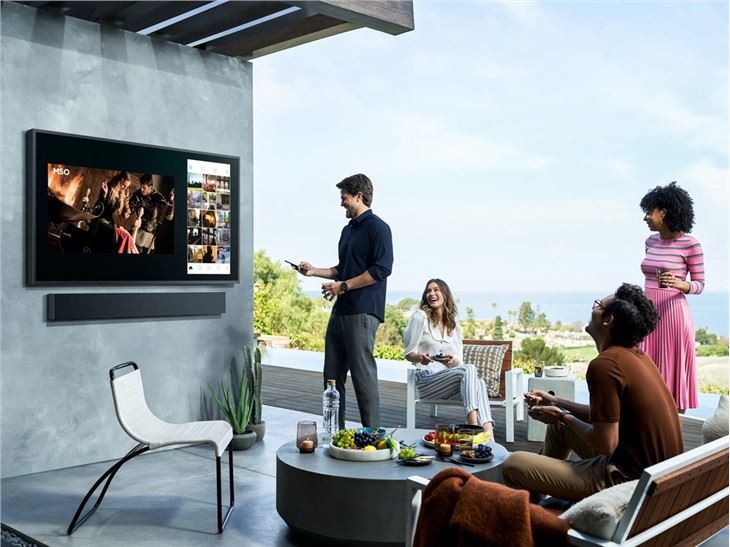
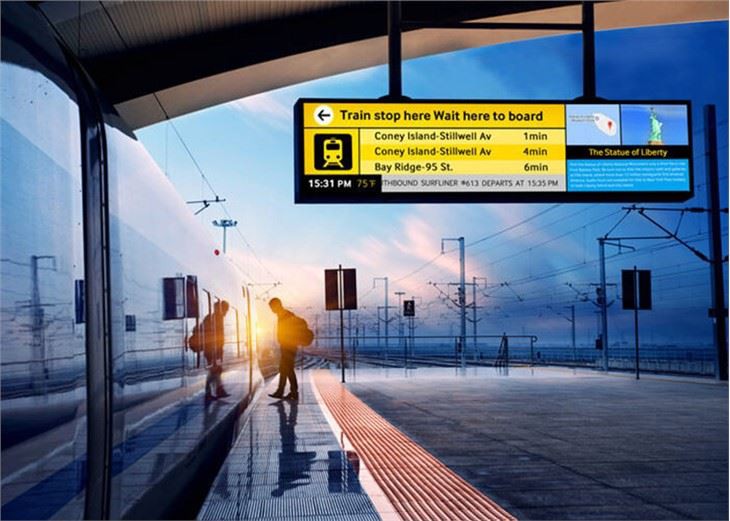
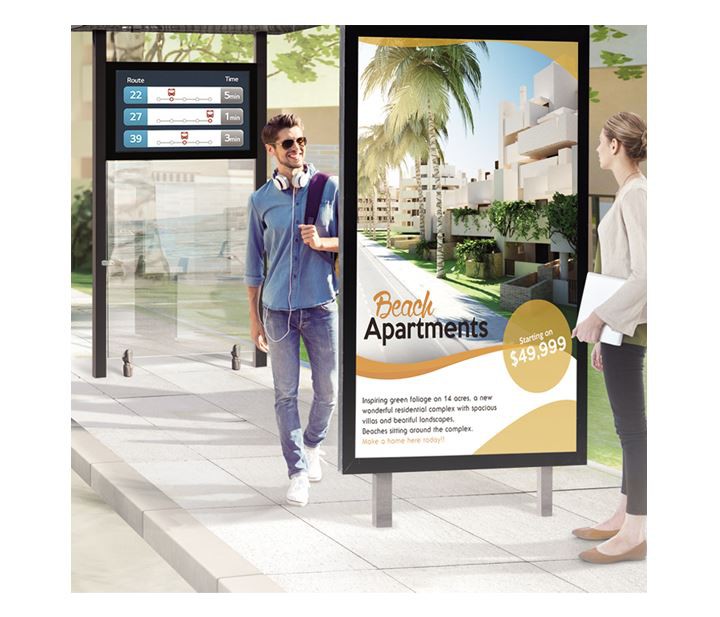
In today’s increasingly connected world, industrial-grade displays must operate reliably under extreme conditions—including exposure to water, dust, vibration, and temperature fluctuations. One of the most critical certifications for outdoor or rugged environments is IP66 waterproof rating—a standard defined by the International Electrotechnical Commission (IEC) in IEC 60529. This rating ensures that a display is completely protected against dust ingress (the “6” in IP66) and can withstand powerful water jets from any direction (the “6” again), making it ideal for applications such as military systems, transportation, construction equipment, and outdoor kiosks.
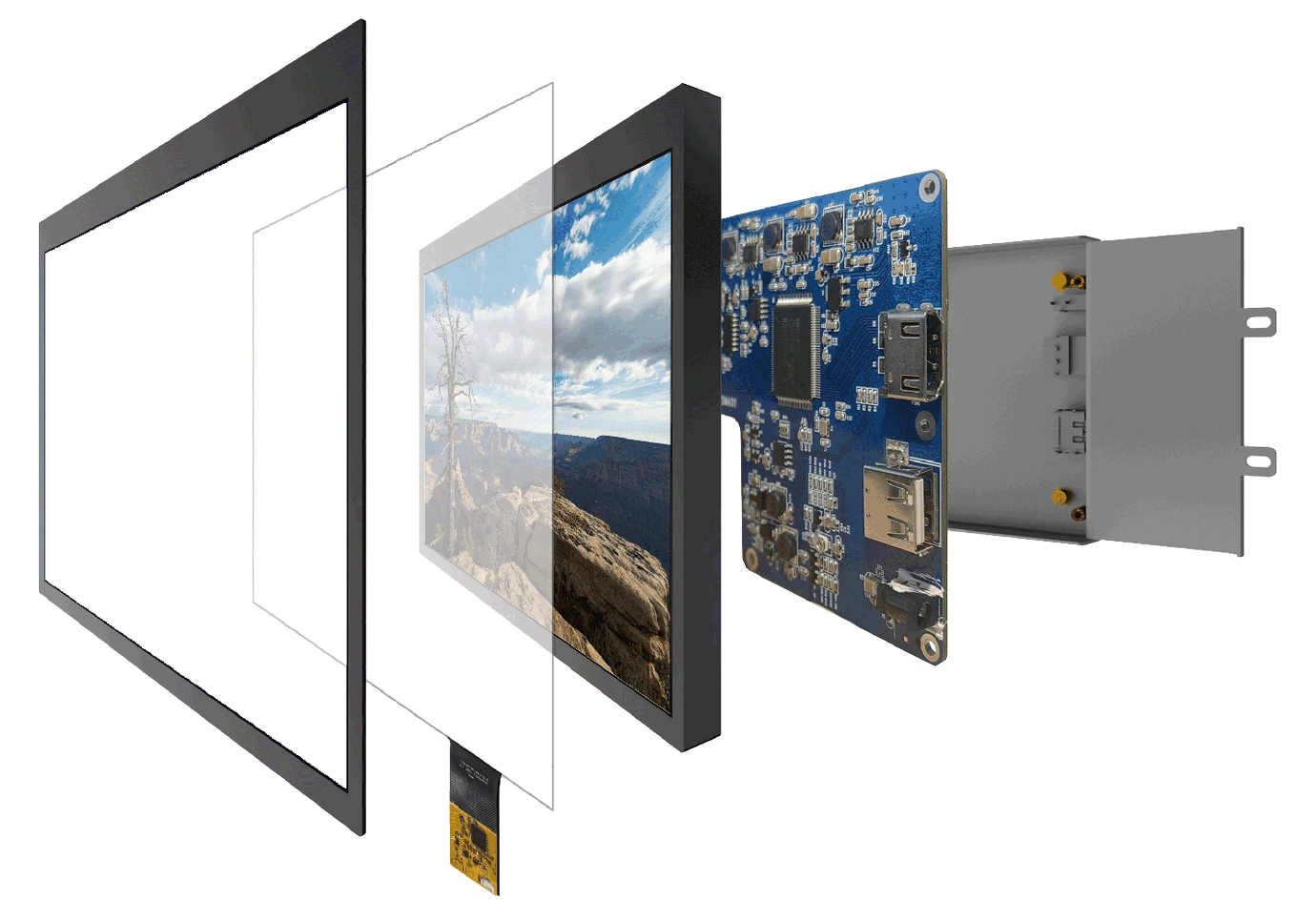
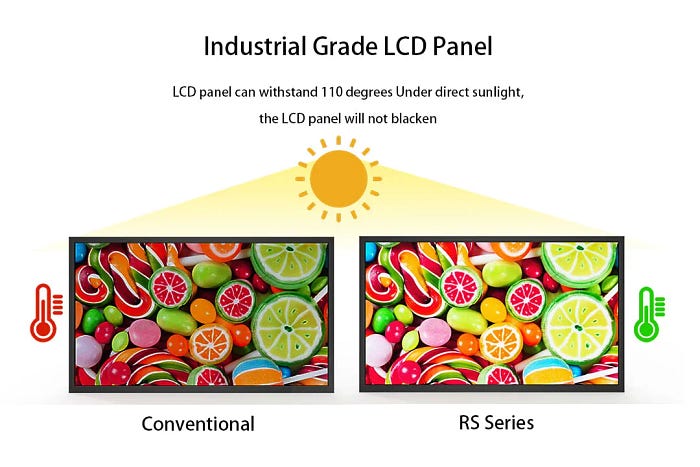
The design of an IP66-rated LCD screen involves multiple layers of engineering rigor. First, the housing must be sealed using high-quality gaskets made from materials like silicone or EPDM rubber—both proven for long-term durability in harsh climates. Second, the glass surface often features anti-reflective coatings and hardened Gorilla Glass or similar materials to resist scratches and maintain visibility even under direct sunlight. Third, internal components like backlight modules and circuit boards are potted or coated with conformal coatings (e.g., acrylic, urethane, or silicone) to prevent moisture penetration and corrosion.
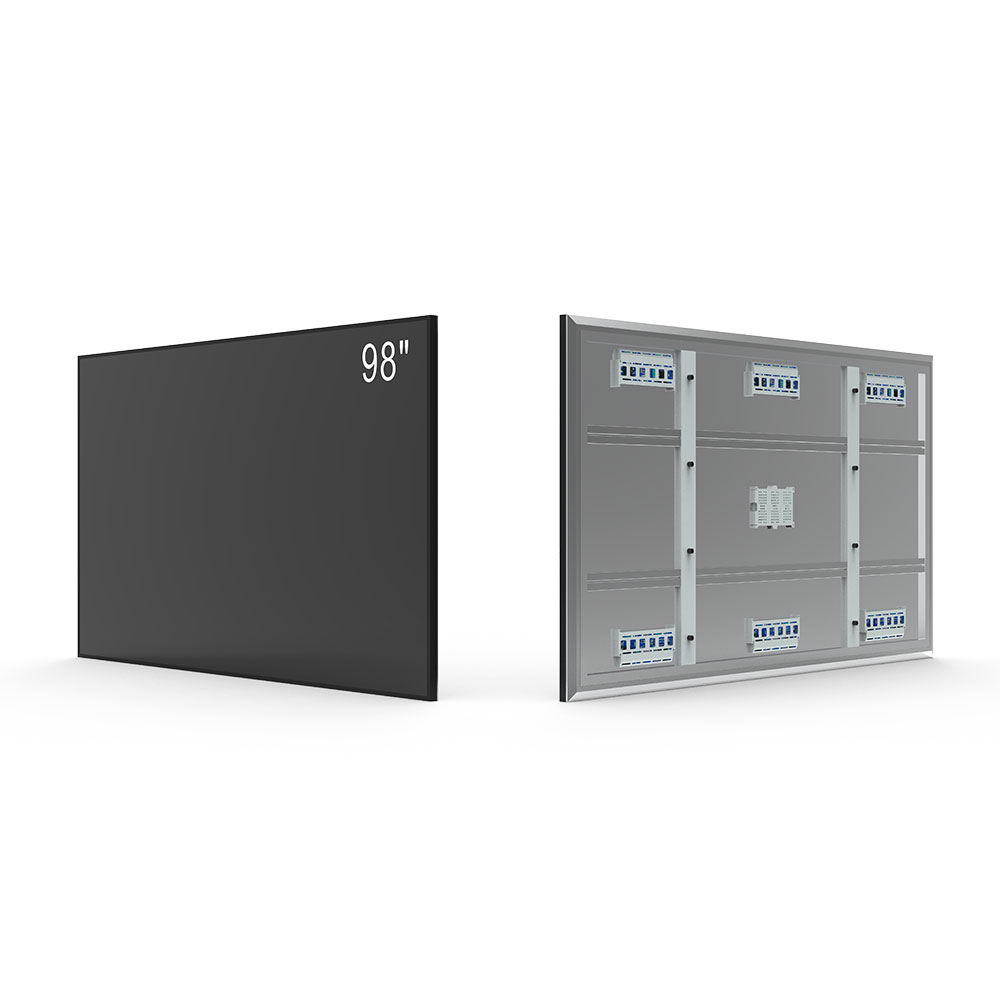
Testing for IP66 compliance follows strict protocols. The device undergoes a dust chamber test where fine powder is circulated to simulate real-world particulate exposure, followed by a water jet test at a pressure of 100 kPa (approximately 14.5 psi) for 3 minutes from a distance of 3 meters. These tests ensure that no water enters the enclosure—even during heavy rain or high-pressure cleaning scenarios. According to data from the U.S. Department of Defense (DoD), over 78% of field-deployed electronic systems fail due to environmental factors, emphasizing why IP66 certification is non-negotiable for mission-critical hardware.
Case studies validate the importance of this standard. For example, a leading manufacturer of agricultural drones integrated IP66-rated displays into their control units after field reports indicated failure due to water ingress during irrigation operations. Post-implementation, system uptime increased by 92%. Similarly, in the marine industry, IP66 displays used on tugboats in the North Sea showed zero failures over a two-year period despite frequent exposure to saltwater spray and storm conditions—an outcome confirmed by the European Marine Equipment Directive (EMED).
Moreover, manufacturers now leverage advanced manufacturing techniques such as laser welding for seamless enclosures and vacuum-sealed assembly processes to eliminate air pockets that could trap moisture. When combined with thermal management solutions (like passive heat sinks or active cooling fans designed for low power consumption), these displays maintain optimal performance across temperatures ranging from -30°C to +70°C.
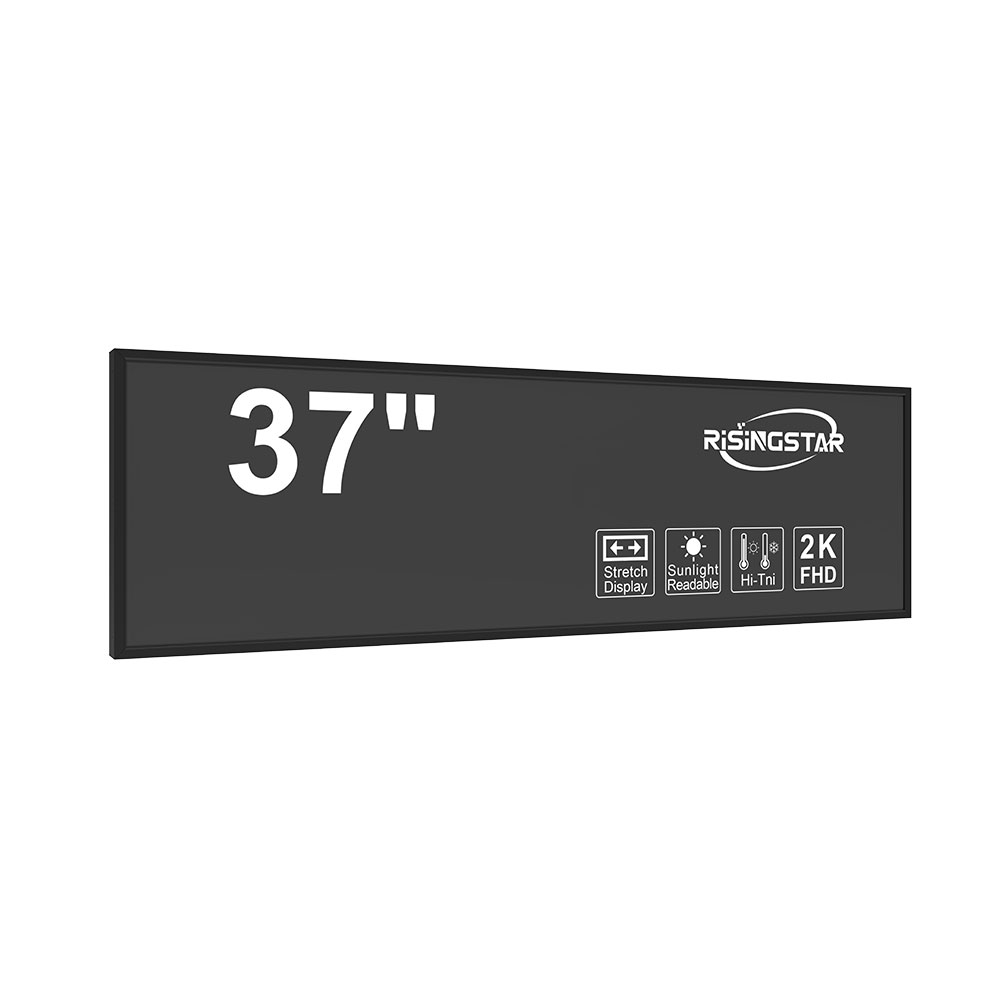
For developers and procurement managers seeking reliable solutions, choosing an IP66-certified LCD requires verifying not just the label but also the testing methodology and material quality. Look for third-party validation through accredited laboratories like UL, TÜV, or Intertek—and always request sample units for independent verification. As global industries push toward smarter automation and remote monitoring, the demand for robust, sunlight-readable, and waterproof displays will only intensify.