 RisingStar
- Home
- About Us
- Products
- News
- Video
- Contact
- Send Inquiry
Search
- Home
- About Us
- Products
- News
- Video
- Contact
- Send Inquiry
RisingStar
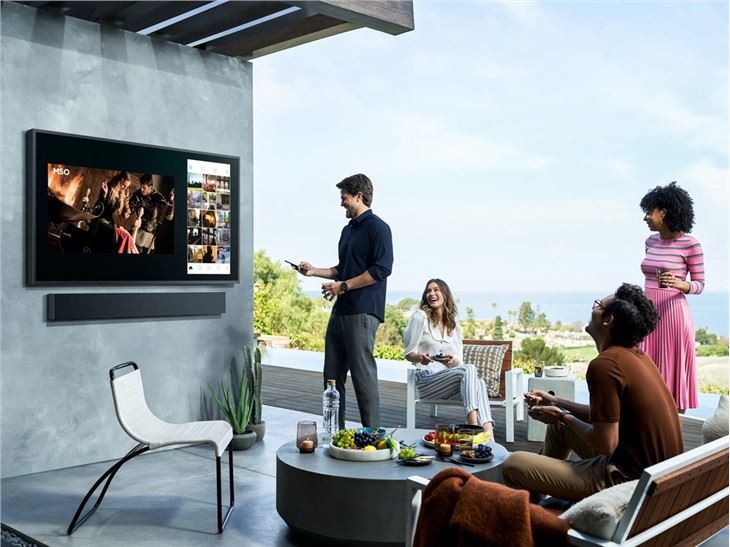
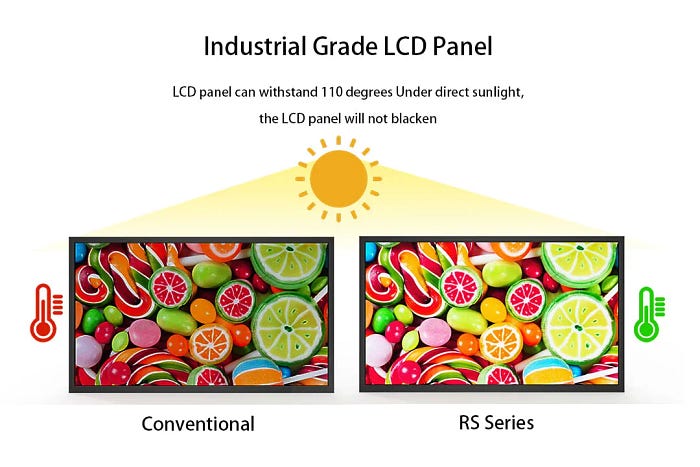
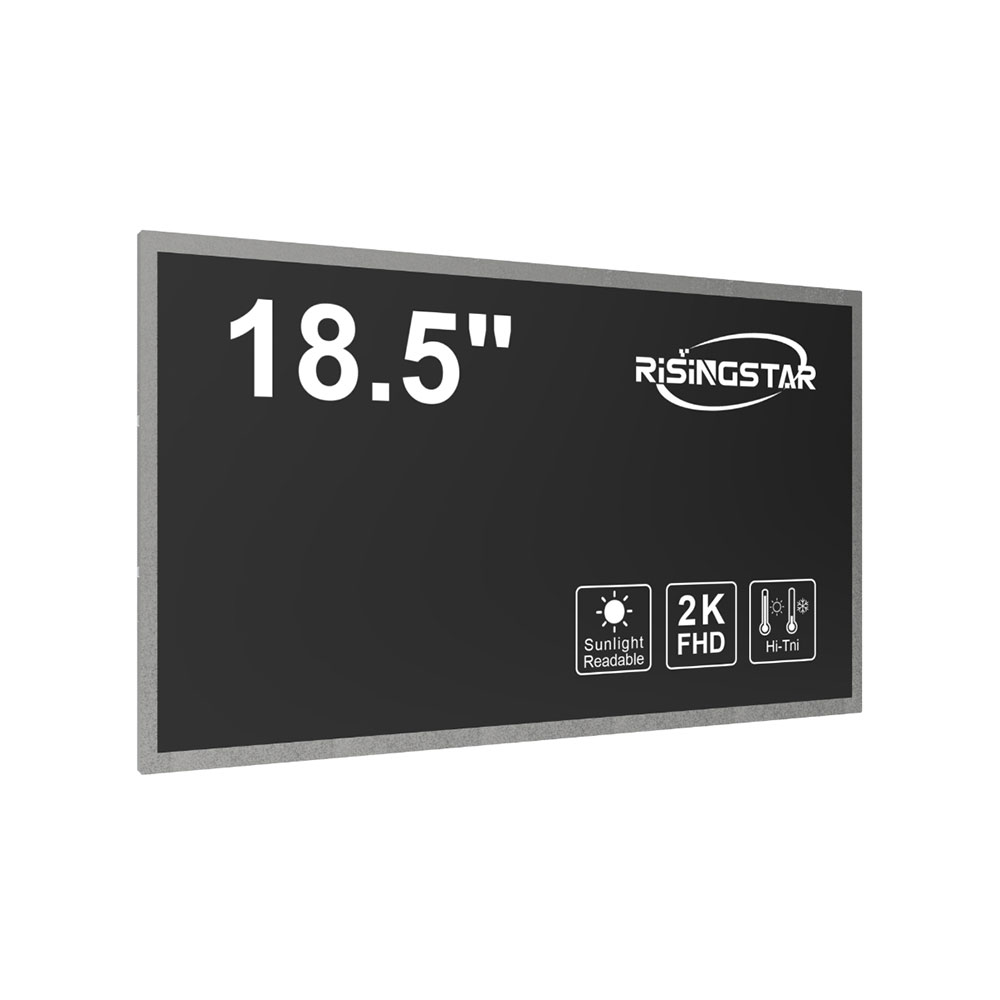
In today’s increasingly digital world, high-brightness sunlight-readable LCD displays have become essential components in a wide range of outdoor applications—from military and industrial equipment to public transportation systems and retail kiosks. These specialized screens are engineered to maintain clarity and visibility even under direct sunlight, making them indispensable in environments where standard displays fail due to glare or low contrast.
The core technology behind these displays lies in their ability to produce brightness levels that far exceed those of typical indoor LCDs. While consumer-grade screens usually operate at 200–300 nits (candela per square meter), sunlight-readable LCDs can achieve 5,000 to 10,000 nits—sometimes even higher in extreme conditions such as desert environments or marine operations. This is accomplished through a combination of advanced backlighting, anti-glare coatings, polarization filters, and optimized pixel design. For example, some models use LED-based edge-lit backlights with diffusers to ensure uniform illumination across the screen, while others integrate ambient light sensors that dynamically adjust brightness based on environmental conditions—an energy-efficient feature valued in battery-powered devices.
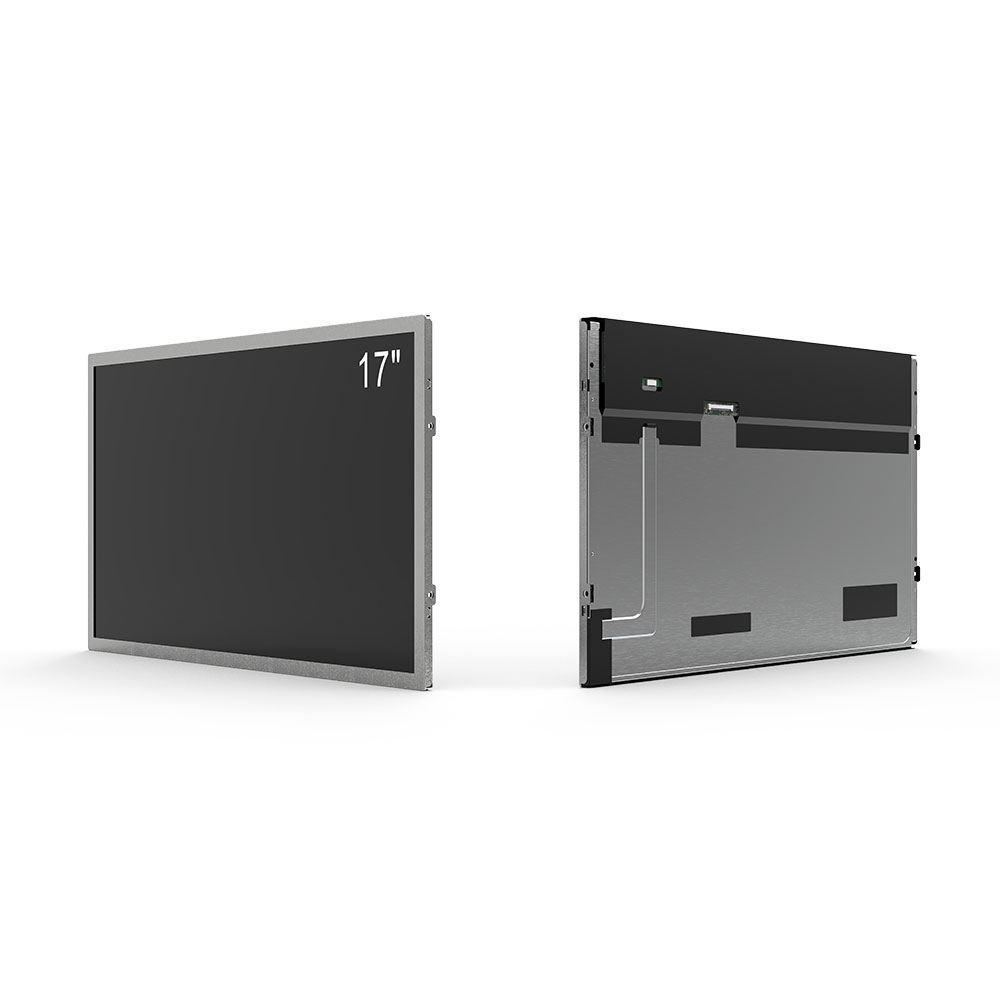
A critical factor in achieving readability outdoors is the use of high-contrast ratios, often exceeding 1000:1. This ensures text and images remain sharp and legible against bright backgrounds. Manufacturers also incorporate features like wide viewing angles (typically 170° horizontal and vertical) and ruggedized housings resistant to dust, water (IP65/IP67 ratings), and mechanical shocks. These attributes make the displays suitable for deployment in harsh climates—from Arctic monitoring stations to tropical construction sites.
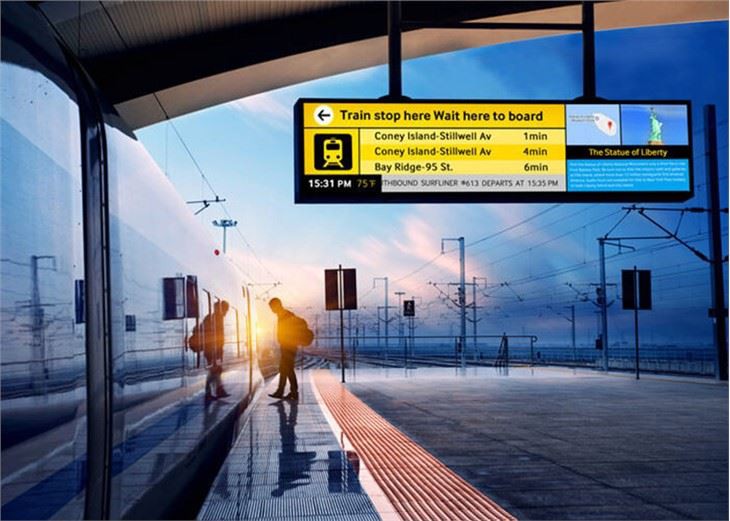
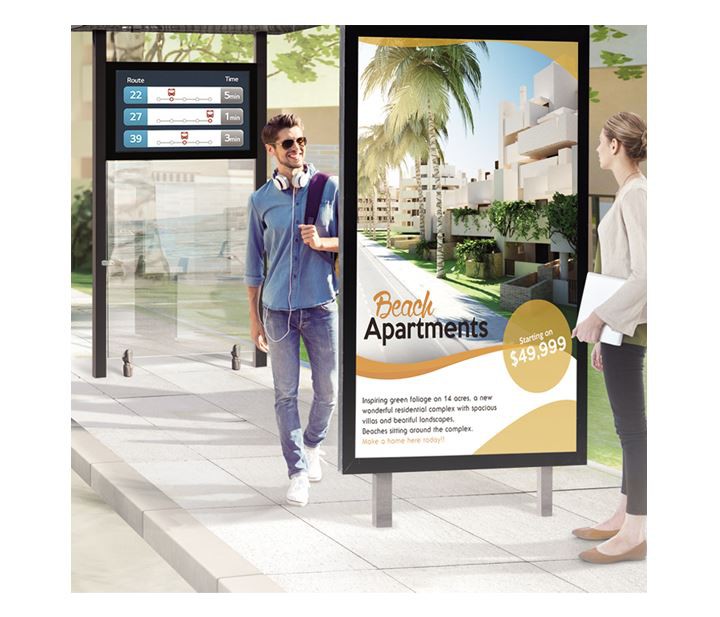
Real-world case studies demonstrate the effectiveness of these technologies. In 2021, the U.S. Department of Defense implemented high-brightness LCDs in field communication terminals used by troops in Afghanistan, significantly improving situational awareness during daylight missions. Similarly, major transit authorities in cities like Tokyo and Singapore now rely on sunlight-readable displays in bus stop information boards, ensuring passengers receive real-time updates regardless of weather or time of day.
Beyond military and public infrastructure, commercial applications are growing rapidly. Retailers are adopting these screens for outdoor advertising and self-service kiosks, especially in urban centers where solar exposure is intense. The integration of touch functionality—often multi-touch capacitive panels—is another innovation that enhances usability in outdoor settings without compromising durability.
For developers and system integrators, choosing the right display involves understanding not just brightness and contrast but also power efficiency, thermal management, and compatibility with embedded operating systems. Leading manufacturers such as Advertised Pro Display offer customizable solutions tailored to specific industry needs, including custom bezels, mounting options, and firmware support for seamless integration into existing hardware ecosystems.
As demand increases for reliable, human-readable interfaces in outdoor environments, high-brightness sunlight-readable LCDs continue to evolve—with advancements in OLED-based designs, mini-LED backlights, and AI-driven adaptive brightness algorithms leading the next wave of innovation. Whether deployed in defense, transportation, or commercial sectors, these displays are no longer optional—they are foundational to modern operational resilience in sunlit conditions.