RisingStar
- Home
- About Us
- Products
- News
- Video
- Contact
- Send Inquiry
Search
- Home
- About Us
- Products
- News
- Video
- Contact
- Send Inquiry
RisingStar
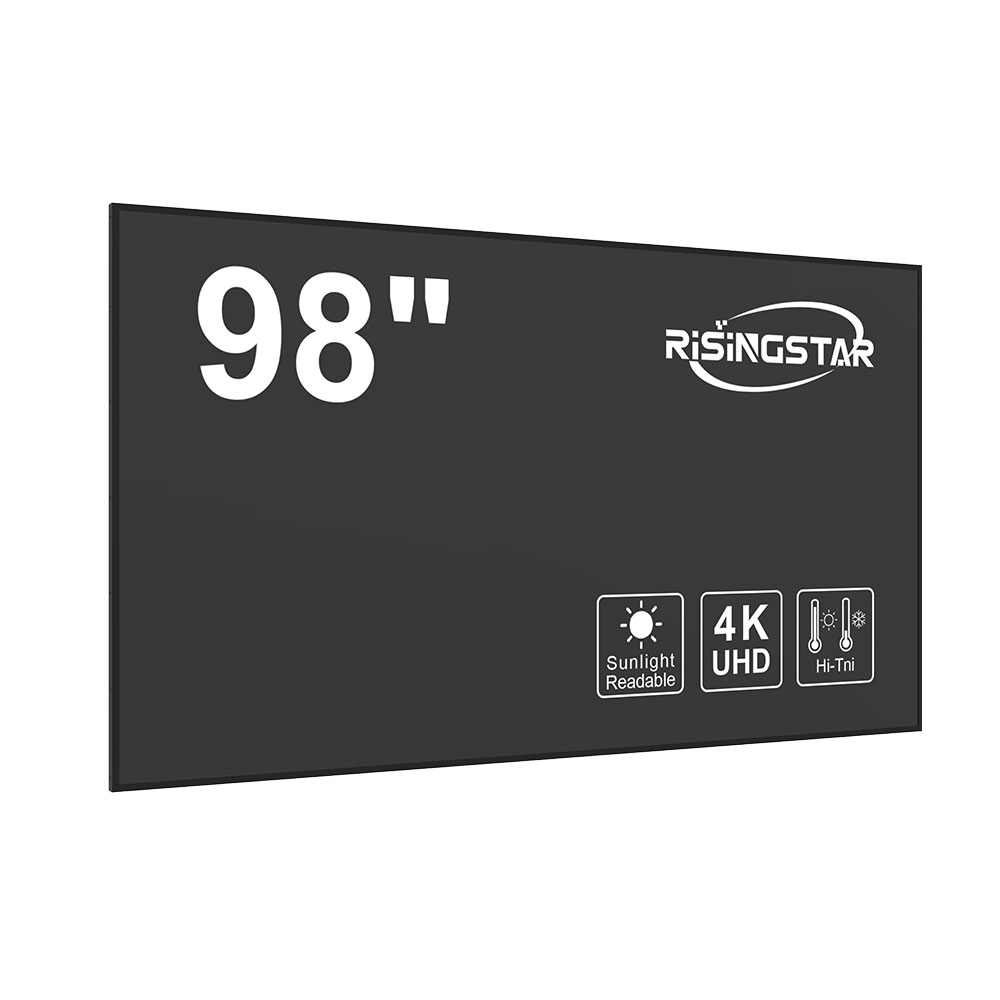
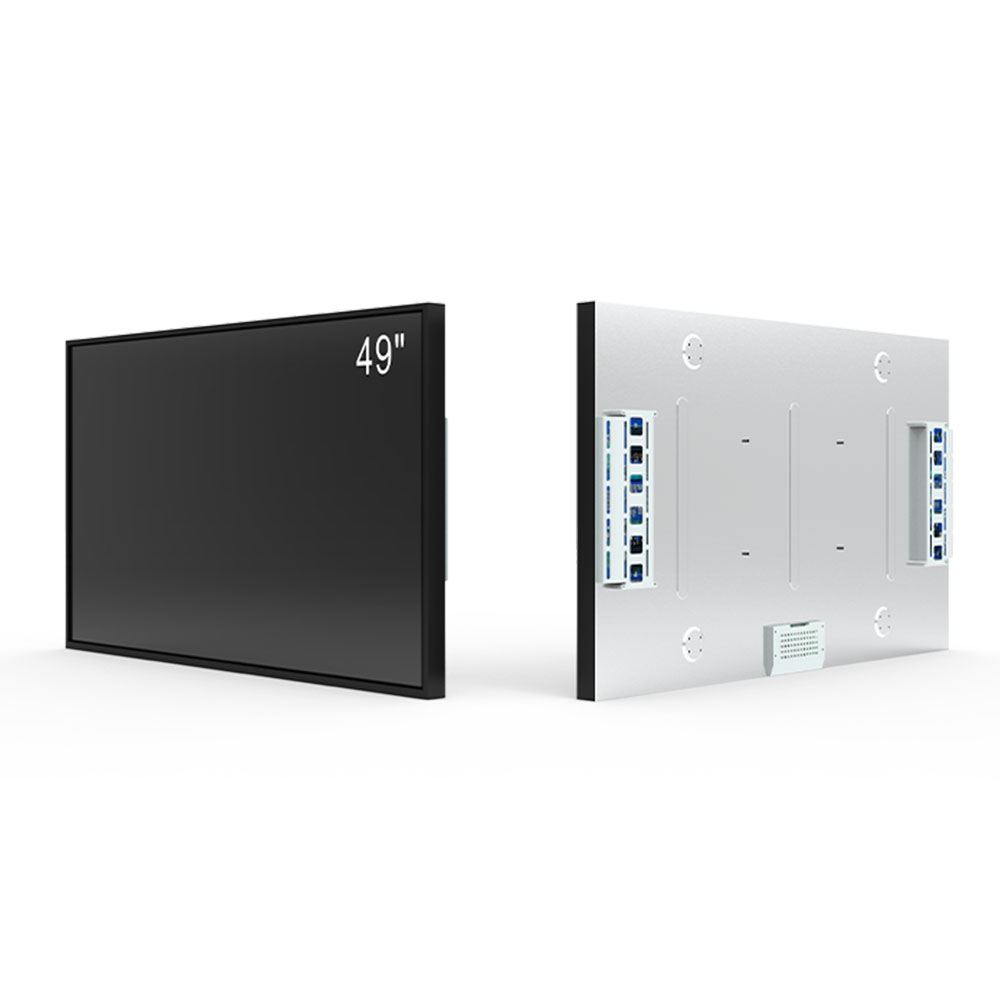
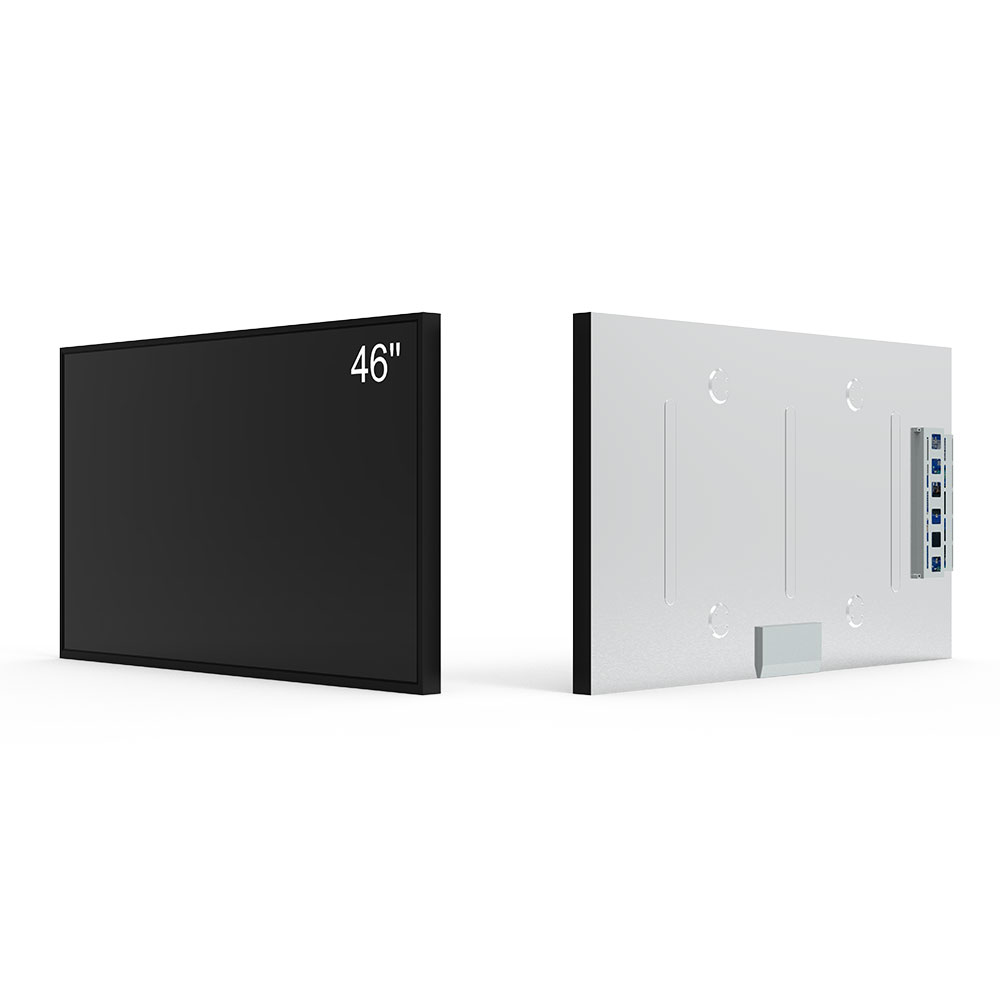
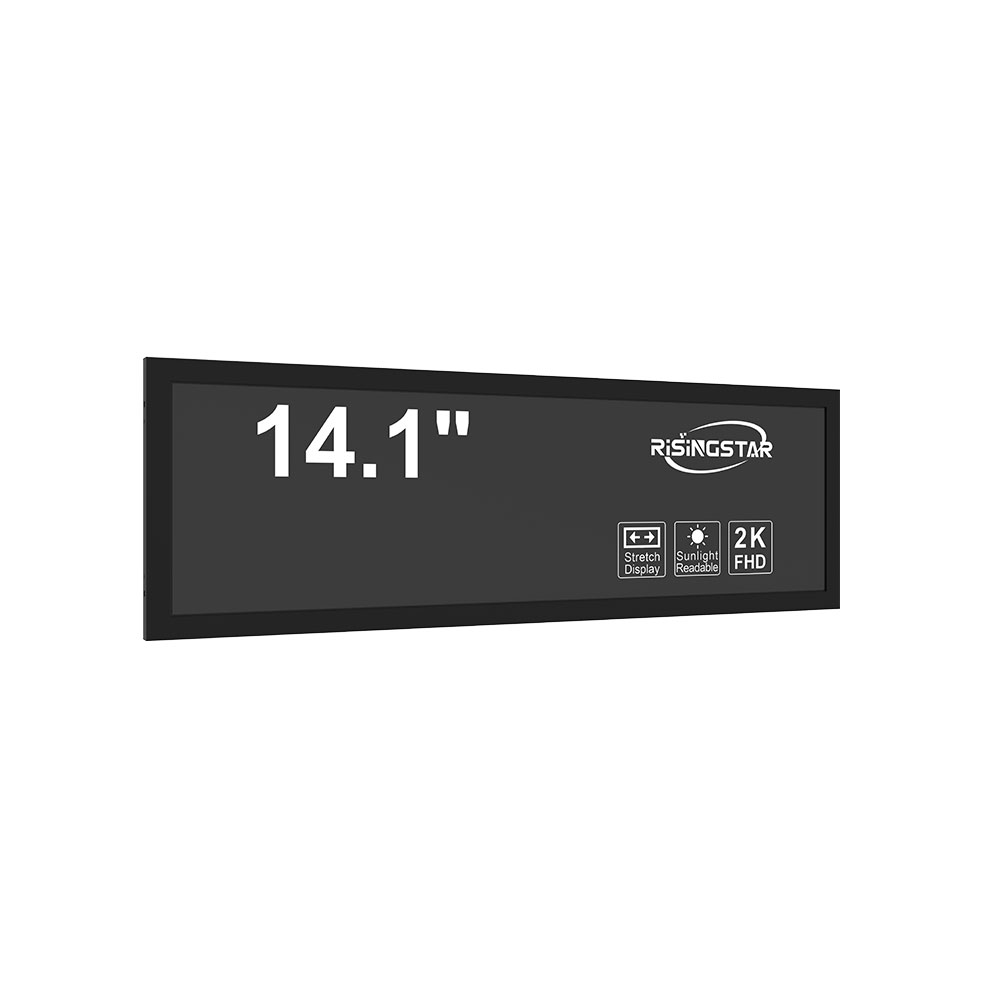
In today’s global industrial landscape, outdoor equipment such as construction machinery, agricultural tractors, utility vehicles, and mobile monitoring systems increasingly rely on high-brightness, sunlight-readable LCD displays. These displays must operate reliably under extreme environmental conditions—direct sunlight exposure (up to 100,000 lux), wide temperature ranges (-20°C to +70°C), and mechanical shock or vibration—while maintaining clarity, color accuracy, and responsiveness. For overseas equipment manufacturers and distributors, selecting the right LCD technology is not just a design consideration—it’s a critical component of product durability, user safety, and long-term brand reputation.
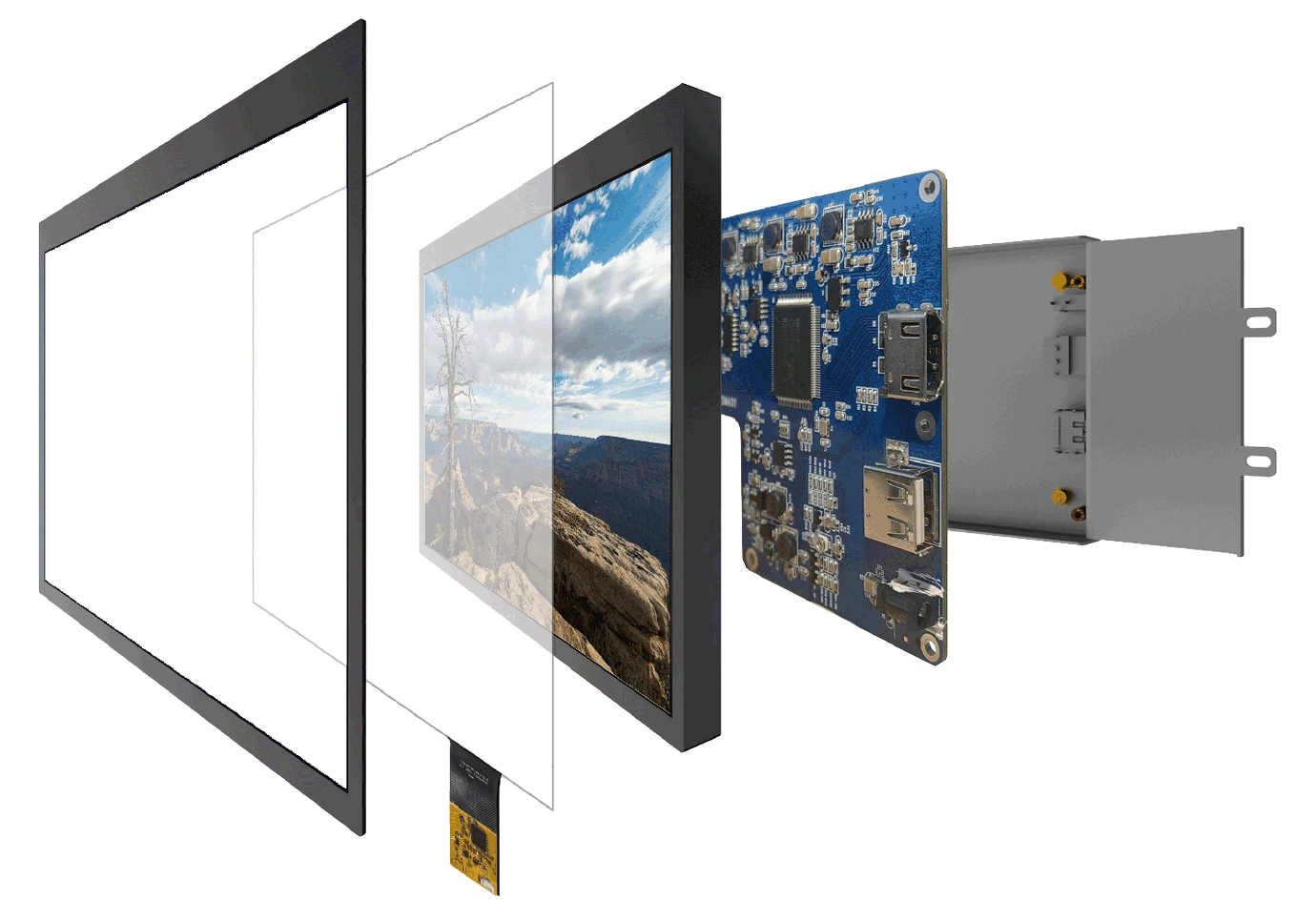
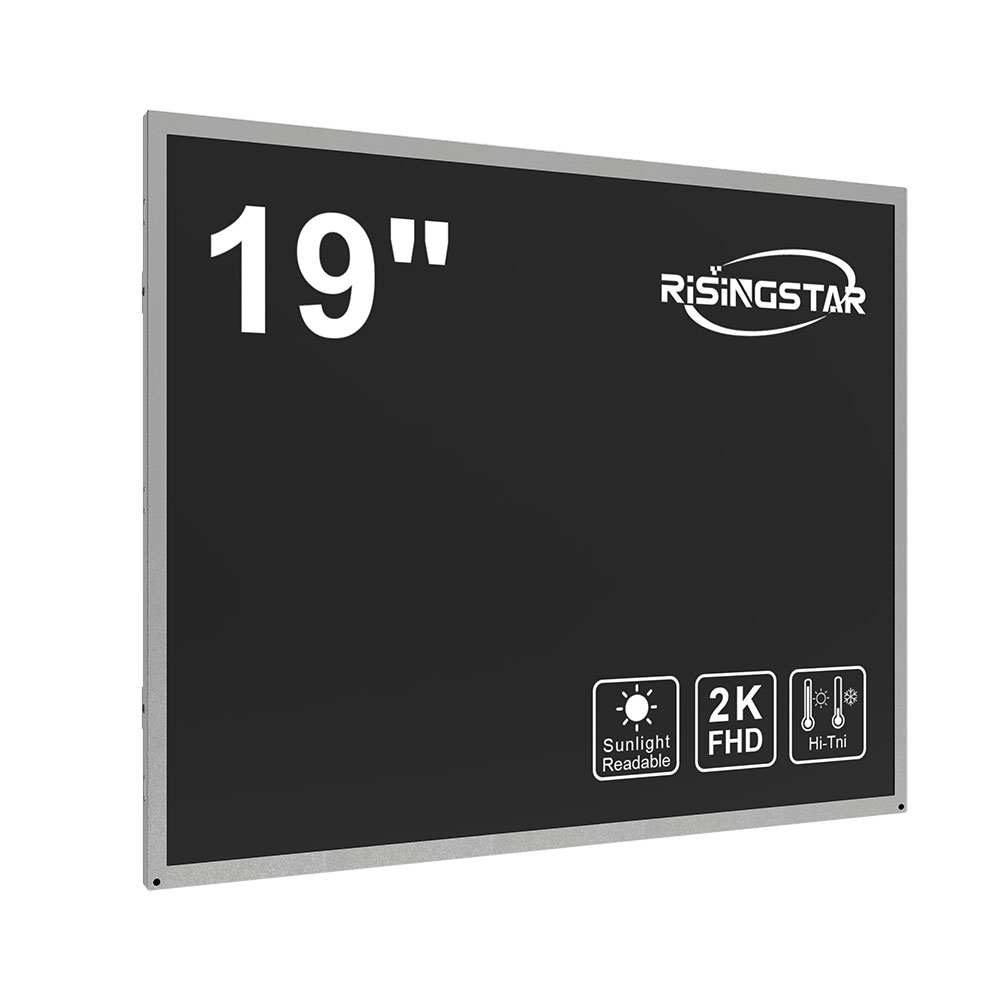
The core challenge lies in achieving visibility under direct sunlight without compromising power efficiency or display quality. Traditional LCDs fail in bright environments because their peak brightness typically ranges from 300 to 500 nits, which is insufficient when ambient light exceeds 5,000 lux. Sunlight-readable LCDs, however, are engineered to exceed 3,000 nits of peak brightness—often reaching 5,000 to 8,000 nits—to ensure visibility even at noon in full sun. This is achieved through advanced backlighting technologies like LED arrays with optical diffusion layers, local dimming, and anti-glare coatings.
Moreover, modern sunlight-readable displays integrate features such as wide viewing angles (170° horizontal/vertical), ruggedized glass (e.g., Gorilla Glass or chemically strengthened glass), and IP65 or higher dust/water resistance ratings. These features align with international standards such as MIL-STD-810G for military-grade durability and IEC 60529 for environmental protection. Case studies from companies like John Deere and Caterpillar show that integrating 5,000-nit displays into tractor control panels reduced operator errors by up to 40% during daytime operations—a key metric for OEMs prioritizing safety compliance.
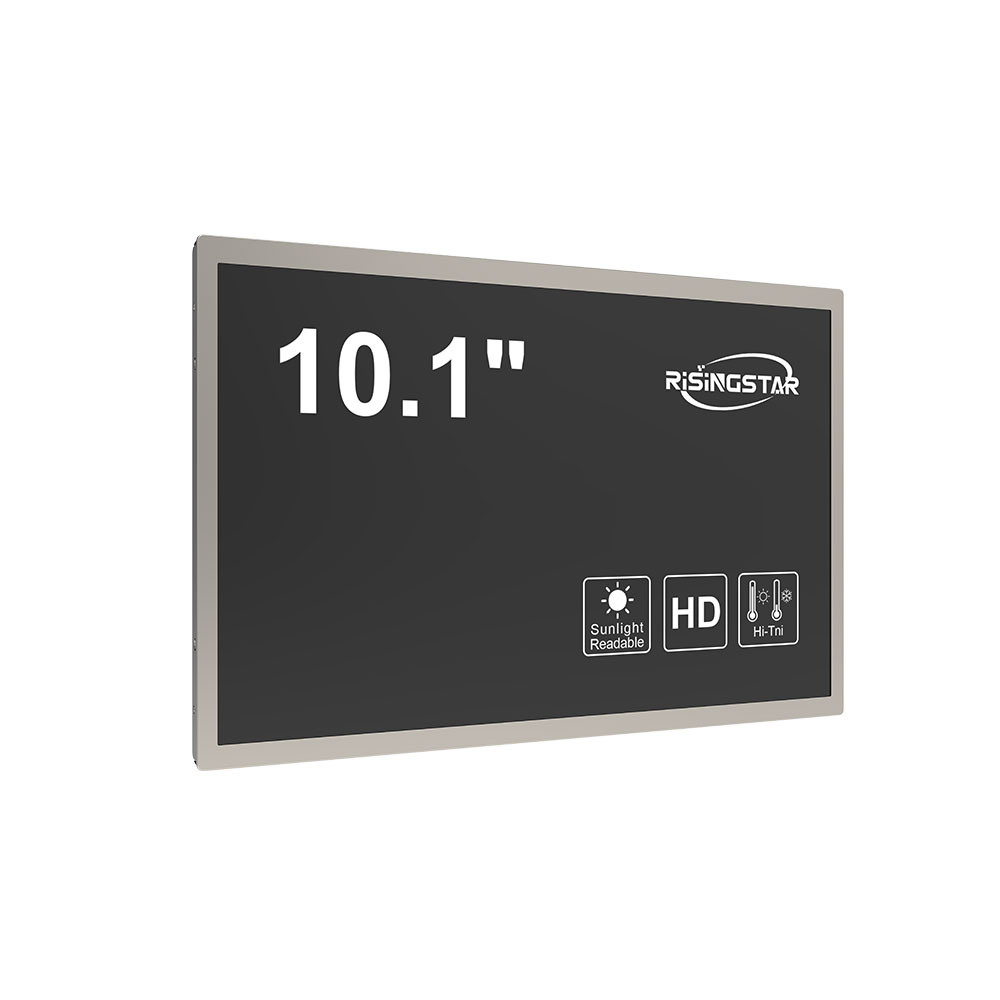
For distributors targeting markets like Australia, South Africa, and Southeast Asia, where solar intensity is exceptionally high, choosing displays rated for “sunlight readability” rather than “brightness alone” ensures compliance with regional regulatory requirements such as CE, FCC, and RoHS. Additionally, these displays often support touch functionality (capacitive or resistive) and can be customized with specific firmware for integration into proprietary control systems—an essential feature for embedded applications in smart agriculture, logistics, and energy sectors.
Manufacturers must also consider total cost of ownership (TCO). While high-brightness displays may carry a 20–30% premium upfront, they reduce maintenance costs by minimizing screen failure due to overheating or UV degradation. According to a 2023 study by the International Electronics Manufacturing Initiative (iEMI), sunlight-readable displays extend the average lifespan of outdoor equipment interfaces by 3–5 years compared to standard LCDs.
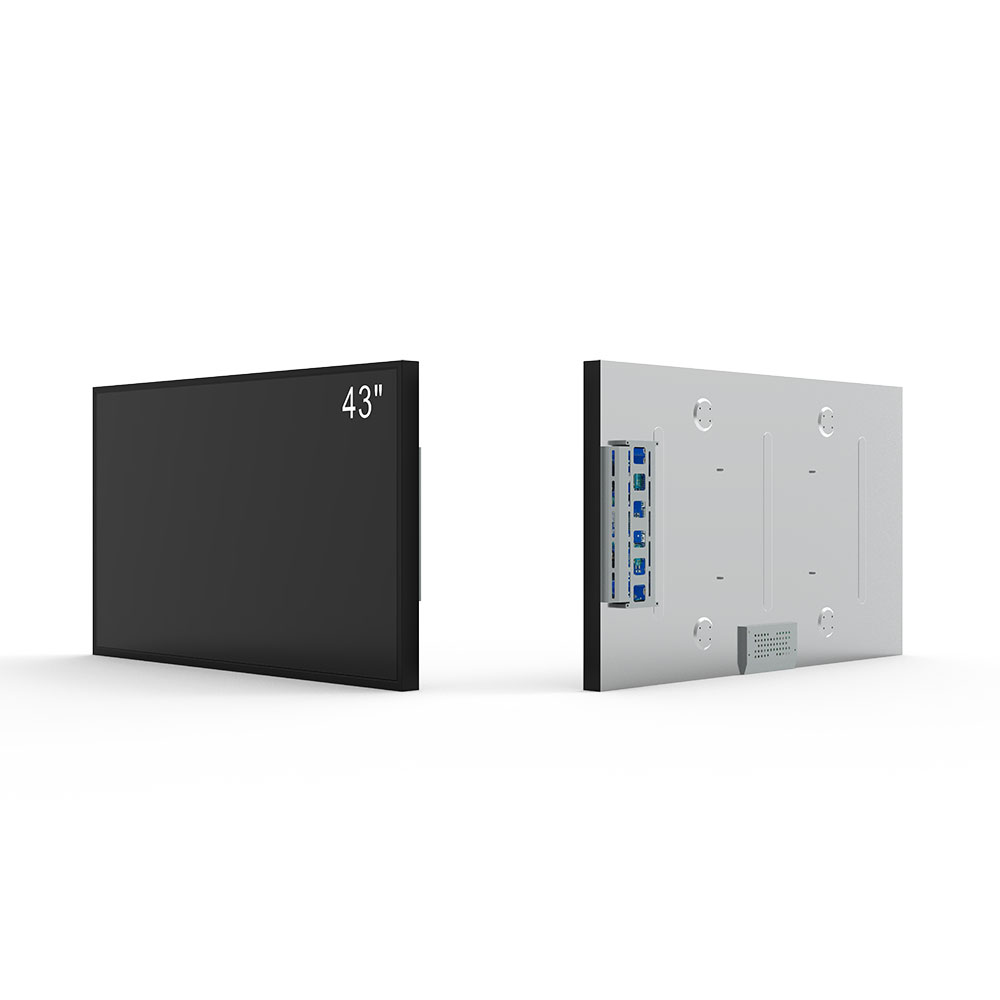
Ultimately, partnering with a certified supplier offering ISO 9001 and IATF 16949-compliant manufacturing processes ensures consistency in performance, reliability, and supply chain resilience. This technical foundation enables global OEMs to build competitive, field-ready products that meet both functional and aesthetic expectations in demanding outdoor environments.