RisingStar
- Home
- About Us
- Products
- News
- Video
- Contact
- Send Inquiry
Search
- Home
- About Us
- Products
- News
- Video
- Contact
- Send Inquiry
RisingStar
In today’s increasingly connected world, industrial, medical, military, and outdoor applications demand robust display solutions that can withstand extreme environmental conditions. Among these, IP66-rated waterproof LCD displays have emerged as a critical technology for ensuring reliable operation in wet, dusty, or high-vibration environments. The IP66 rating—defined by the International Electrotechnical Commission (IEC) under IEC 60529—means the device is completely protected against dust ingress (6) and can resist powerful water jets from any direction (6). This level of protection is essential for applications where moisture, particulates, or accidental splashes could compromise system integrity.
High-brightness sunlight-readable LCDs with IP66 certification are commonly used in marine navigation systems, construction equipment controls, agricultural machinery, public transportation interfaces, and military-grade ruggedized devices. These screens typically feature brightness levels exceeding 3,000 nits, which ensures visibility even under direct sunlight—a key requirement for outdoor use. Combined with an IP66-rated enclosure or sealed panel design, they deliver both optical clarity and physical resilience.
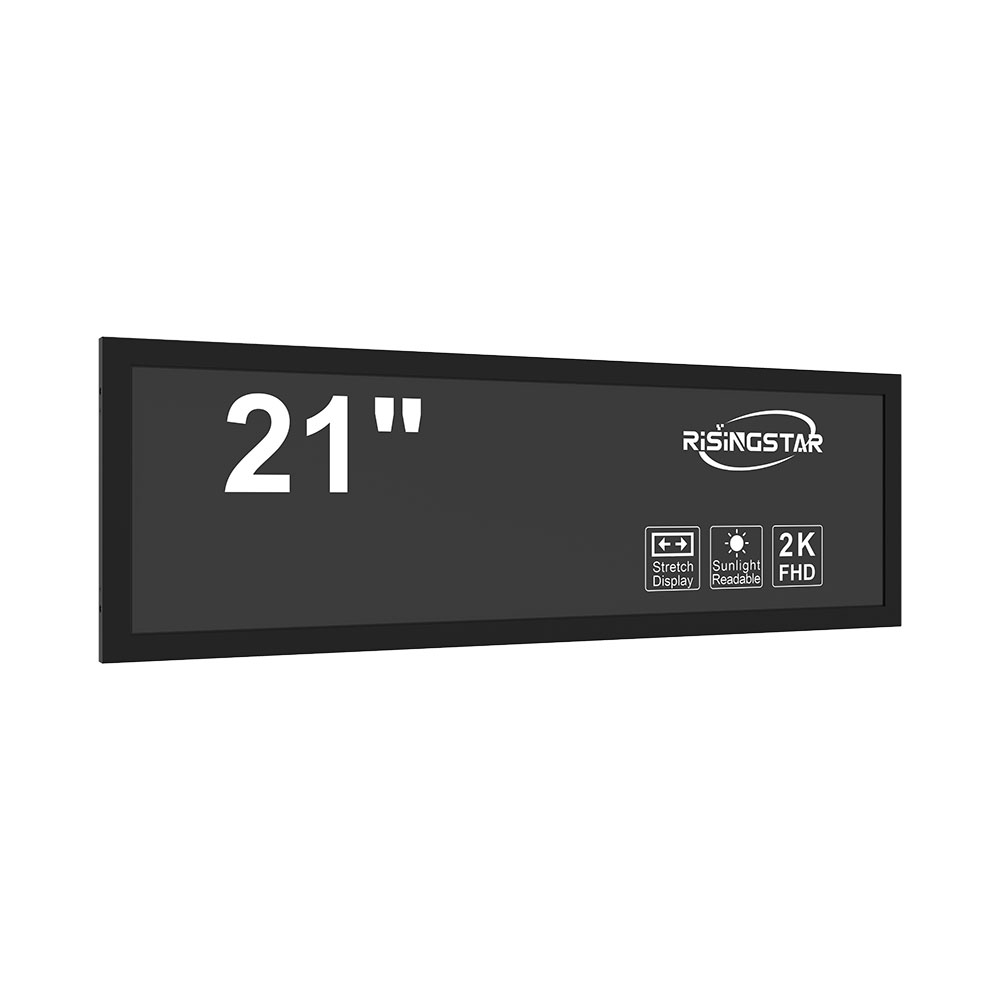
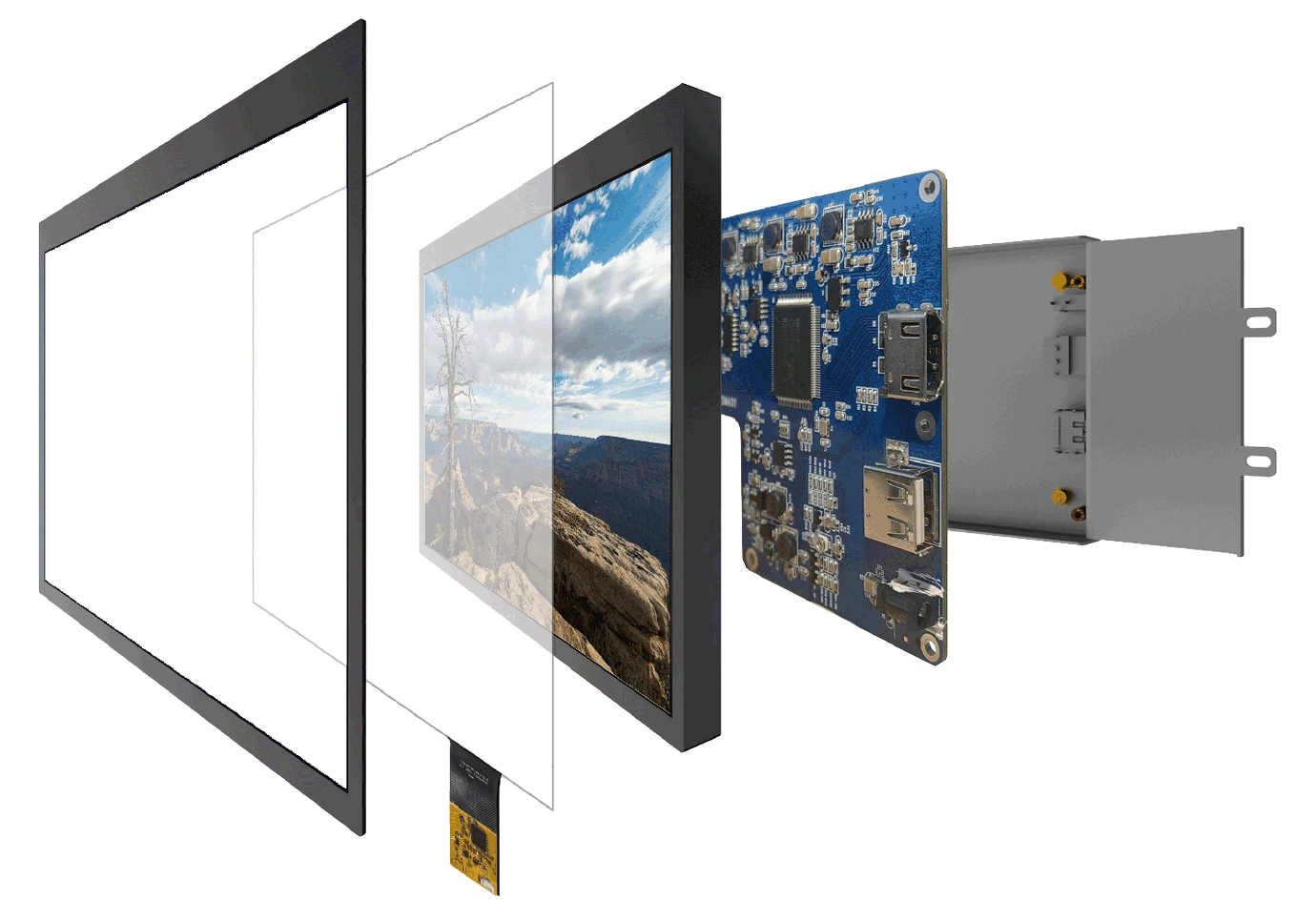
From a technical standpoint, achieving IP66 compliance involves multiple layers of engineering. First, the LCD module must be encapsulated using advanced sealing methods such as silicone gaskets, O-rings, or epoxy potting to prevent water ingress. Second, the bezel and housing must be machined to tight tolerances to maintain consistent pressure across all joints. Third, the internal components—including backlighting, PCBs, and connectors—must be either conformally coated or selected for inherent moisture resistance. For example, LED backlights with sealed drivers and IP66-rated connectors like M12 or Hirose are often employed.
Real-world case studies highlight the value of this approach. In a 2022 deployment by a leading agricultural drone manufacturer, IP66-rated LCDs were integrated into field control units exposed to rain, mud, and high humidity. Over 12 months of continuous operation in diverse climates, no display failures occurred due to environmental exposure—demonstrating both the durability and operational confidence provided by certified waterproofing. Similarly, the U.S. Department of Defense has adopted IP66-compliant displays in tactical vehicles, citing their ability to function reliably during amphibious operations and sandstorm conditions.
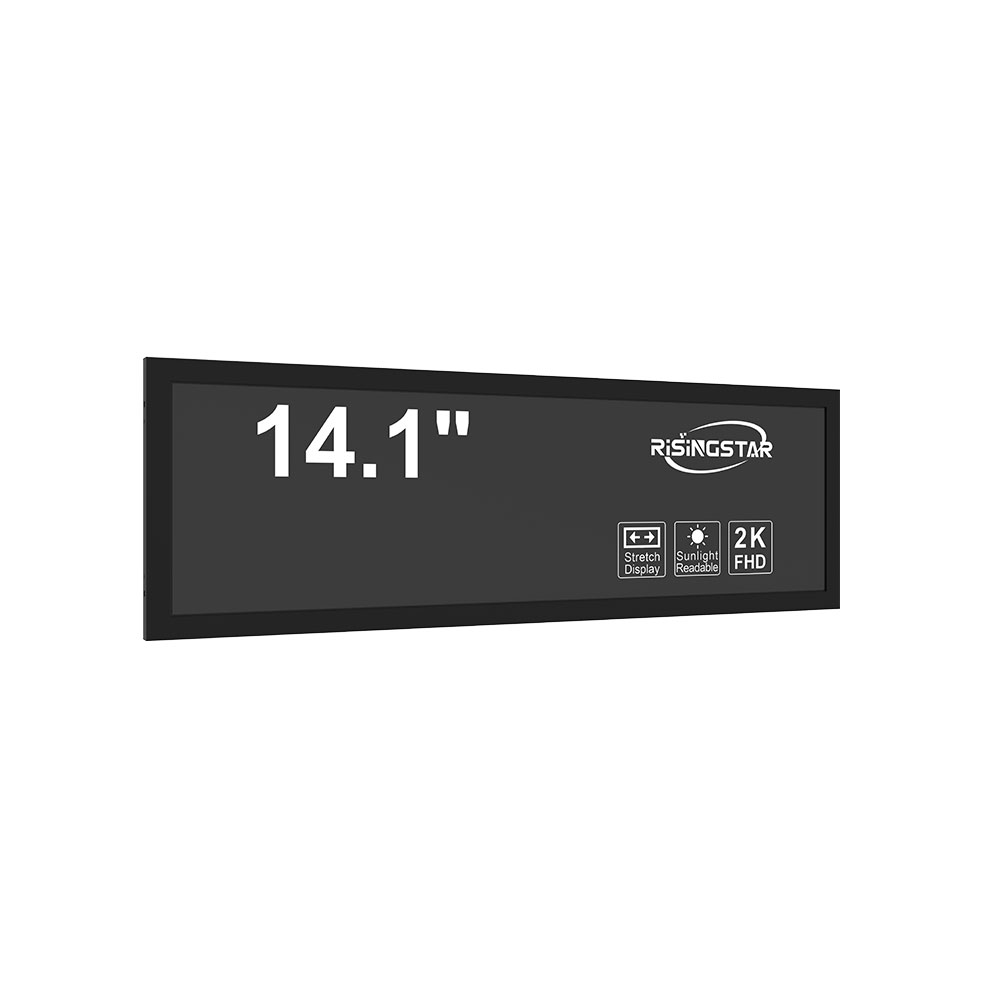
Importantly, while IP66 offers excellent protection, it does not imply submersion resistance. Unlike IP68-rated displays designed for prolonged underwater use, IP66 units must remain dry when exposed to standing water. Therefore, proper mounting orientation and drainage considerations are crucial in application design. Additionally, manufacturers must perform rigorous testing per IEC 60529 standards, including dust chamber exposure (for IP6X) and jet water tests at 100 liters per minute at 30 kPa pressure from a 6 mm nozzle at 3 meters distance.
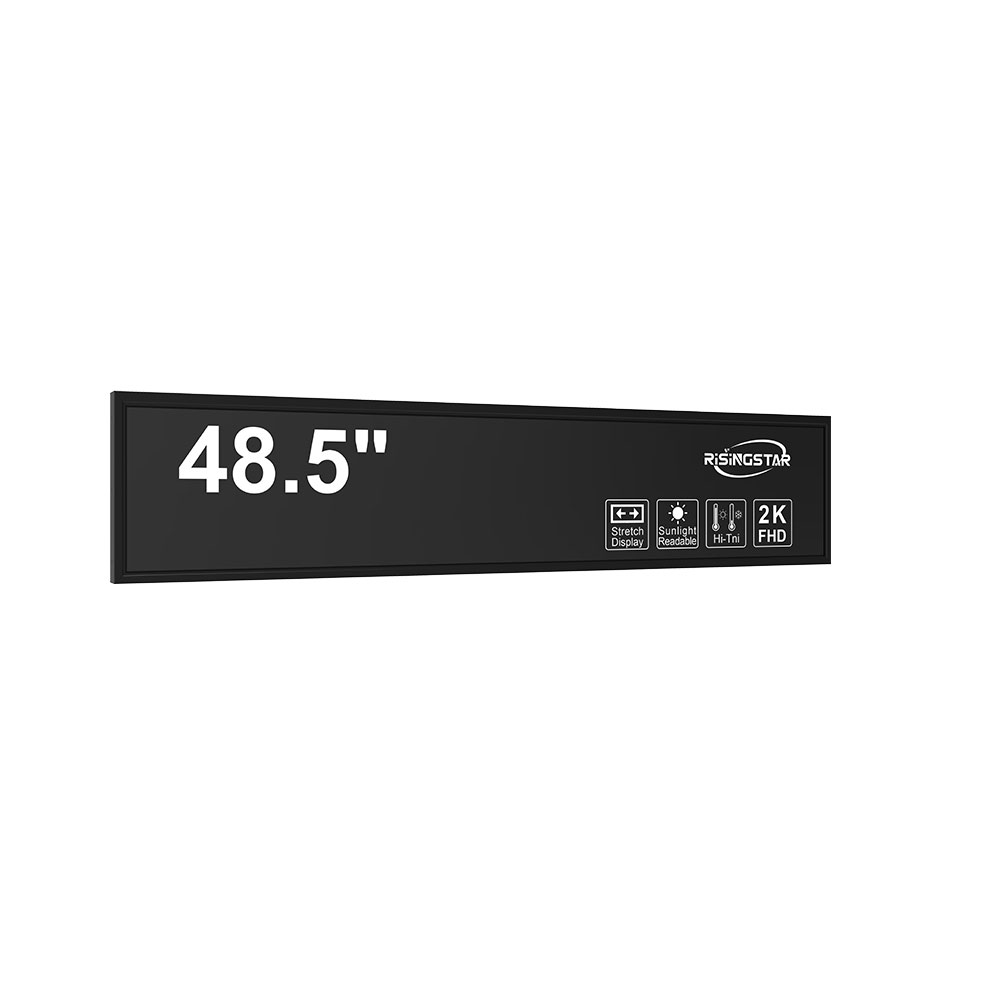
For engineers and procurement specialists sourcing displays for mission-critical systems, choosing an IP66-rated LCD means prioritizing reliability over cost savings. While premium materials and precision manufacturing increase initial investment, the long-term reduction in maintenance, downtime, and warranty claims makes this a strategic choice. With global markets demanding higher uptime and greater resilience—from smart cities to offshore platforms—IP66 waterproof LCDs are no longer optional; they are a foundational element of modern display architecture.