RisingStar
- Home
- About Us
- Products
- News
- Video
- Contact
- Send Inquiry
Search
- Home
- About Us
- Products
- News
- Video
- Contact
- Send Inquiry
RisingStar
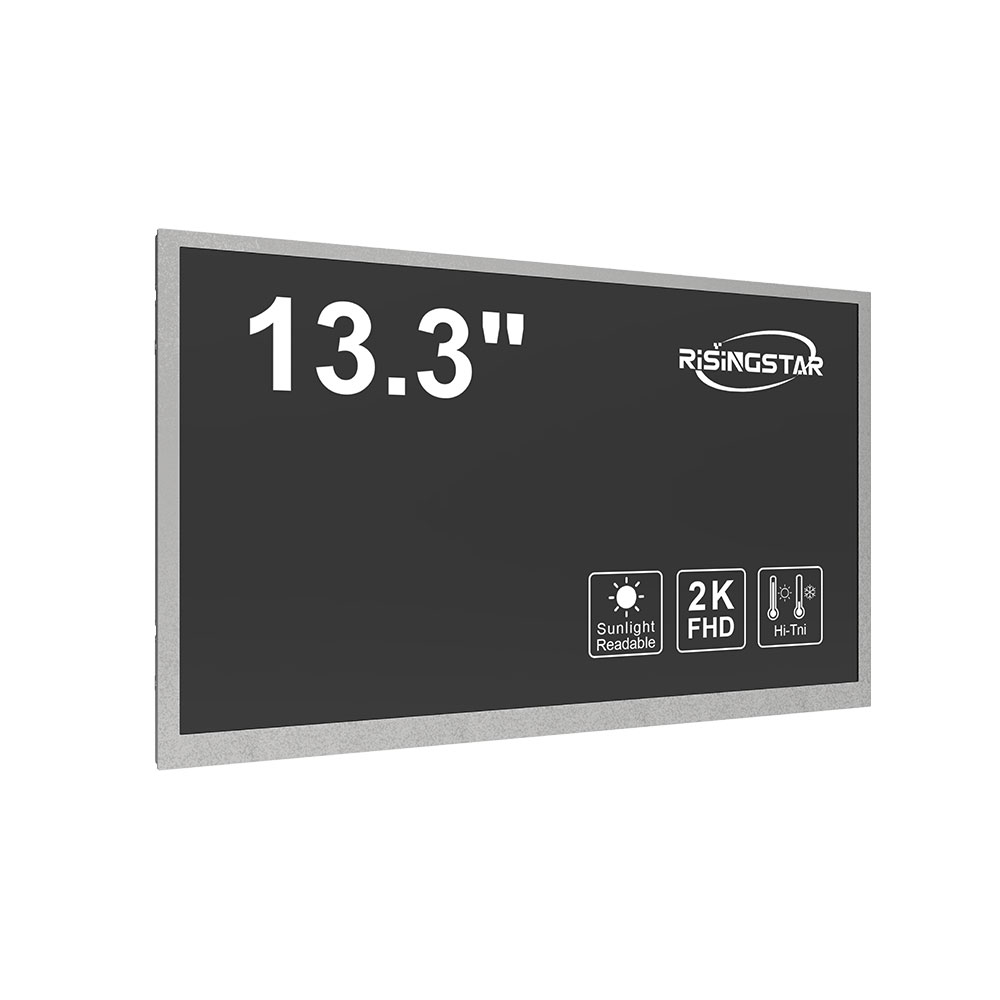
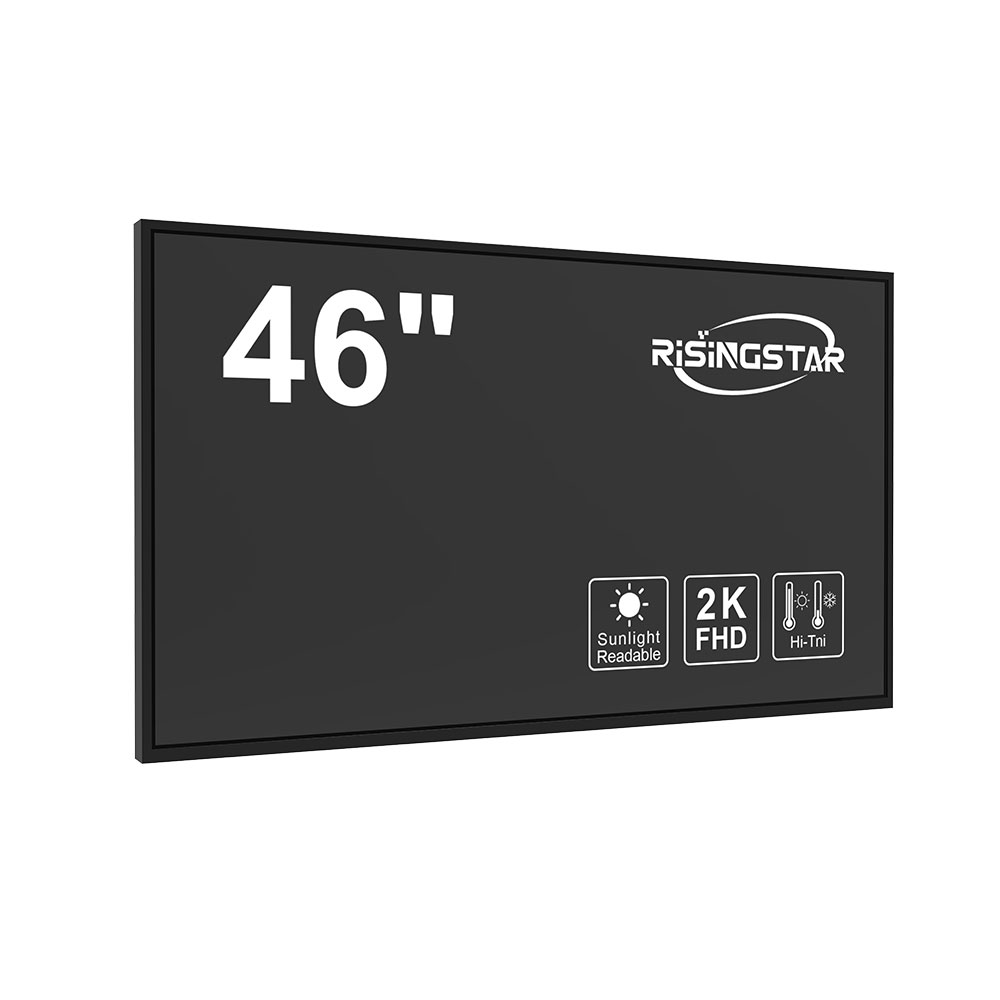
Outdoor LCD display digital signage has become a cornerstone of modern communication across industries such as retail, transportation, advertising, and public infrastructure. These high-brightness displays are engineered to remain visible under direct sunlight—often exceeding 5,000 nits of peak brightness—and are designed for durability in extreme weather conditions. Unlike indoor displays that rely on ambient lighting, outdoor digital signage must contend with variable lighting, temperature fluctuations, humidity, and even vandalism or tampering.
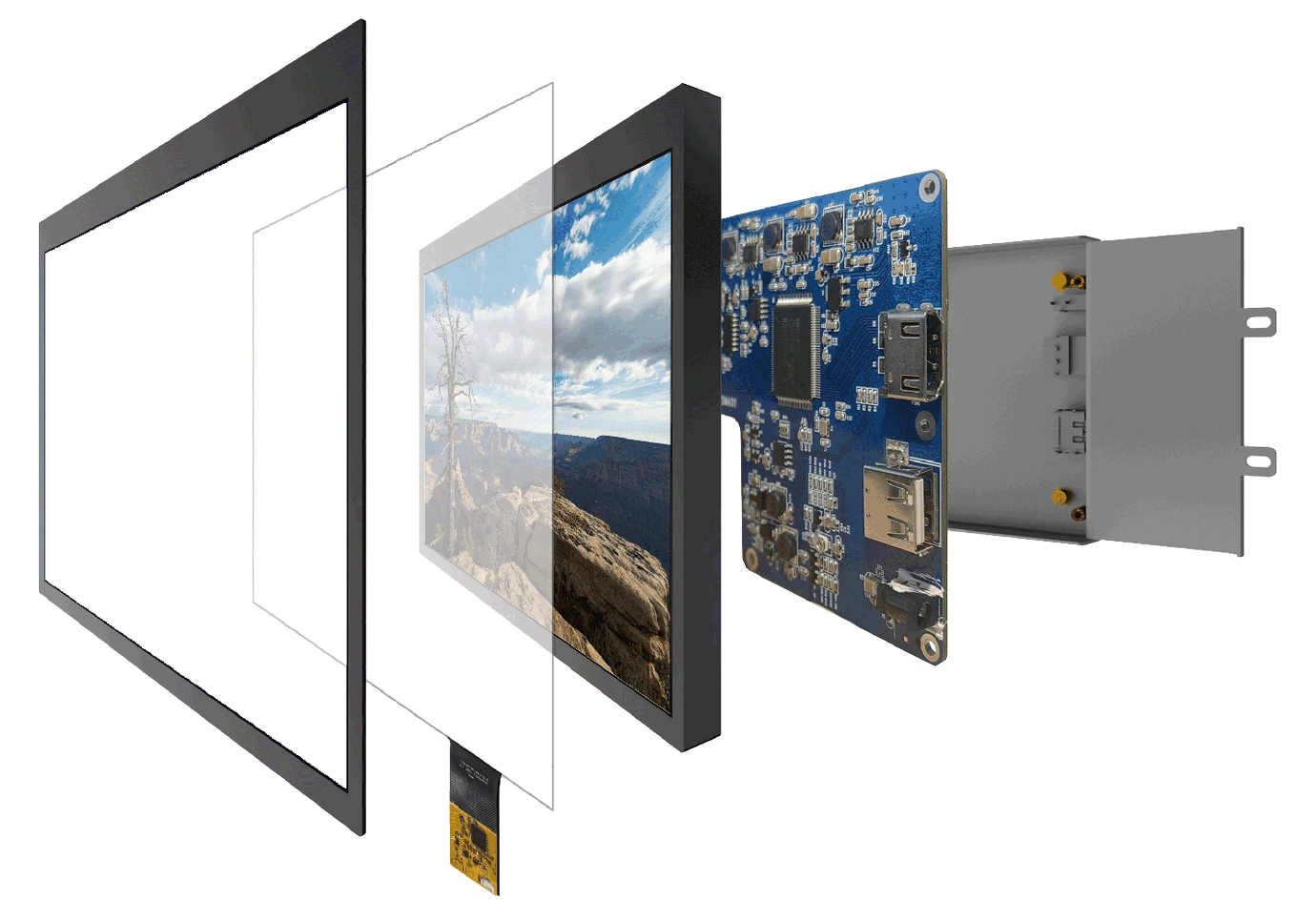
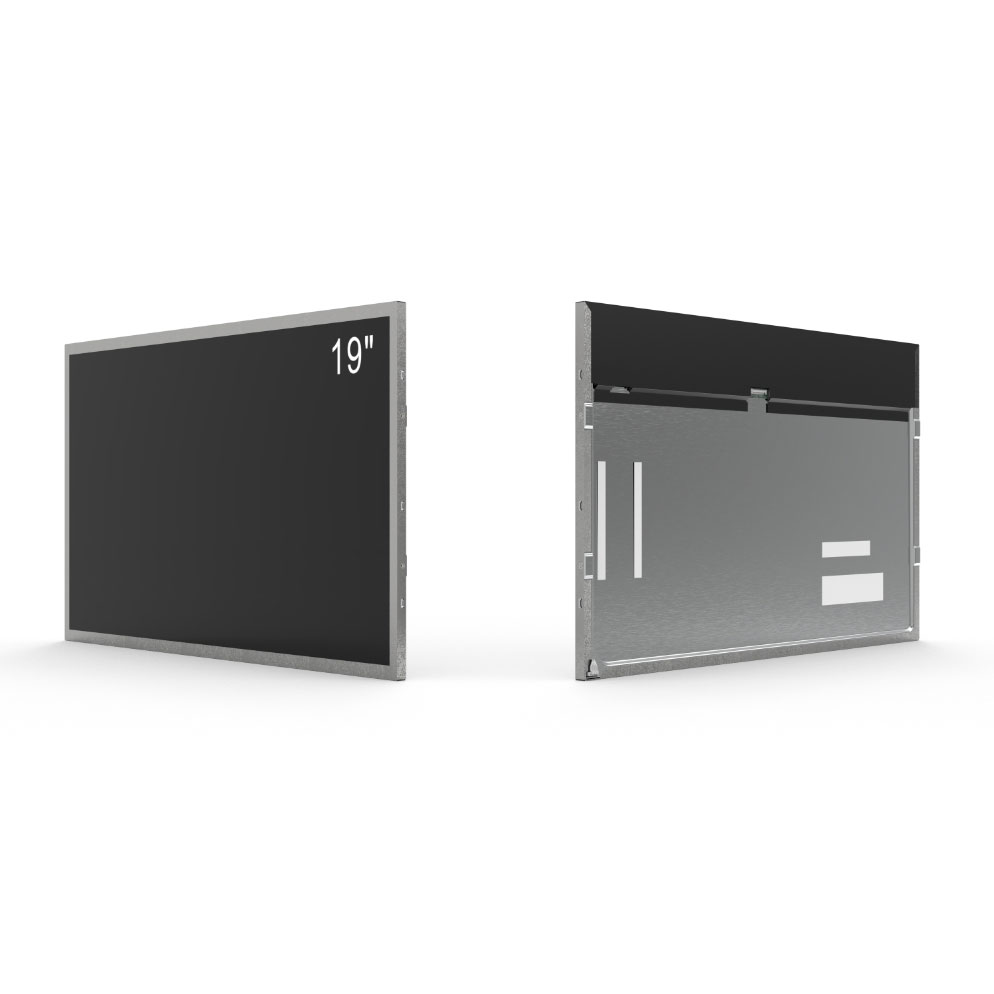
The core technology behind effective outdoor LCDs involves several critical components: high-luminance LED backlights (typically using full-array local dimming), anti-glare or anti-reflective coatings, ruggedized aluminum or stainless steel enclosures rated IP65 or higher for dust and water resistance, and wide viewing angles (up to 178°). Many manufacturers now integrate automatic brightness adjustment via ambient light sensors, which not only improves energy efficiency but also extends panel lifespan by reducing unnecessary power consumption during low-light periods.
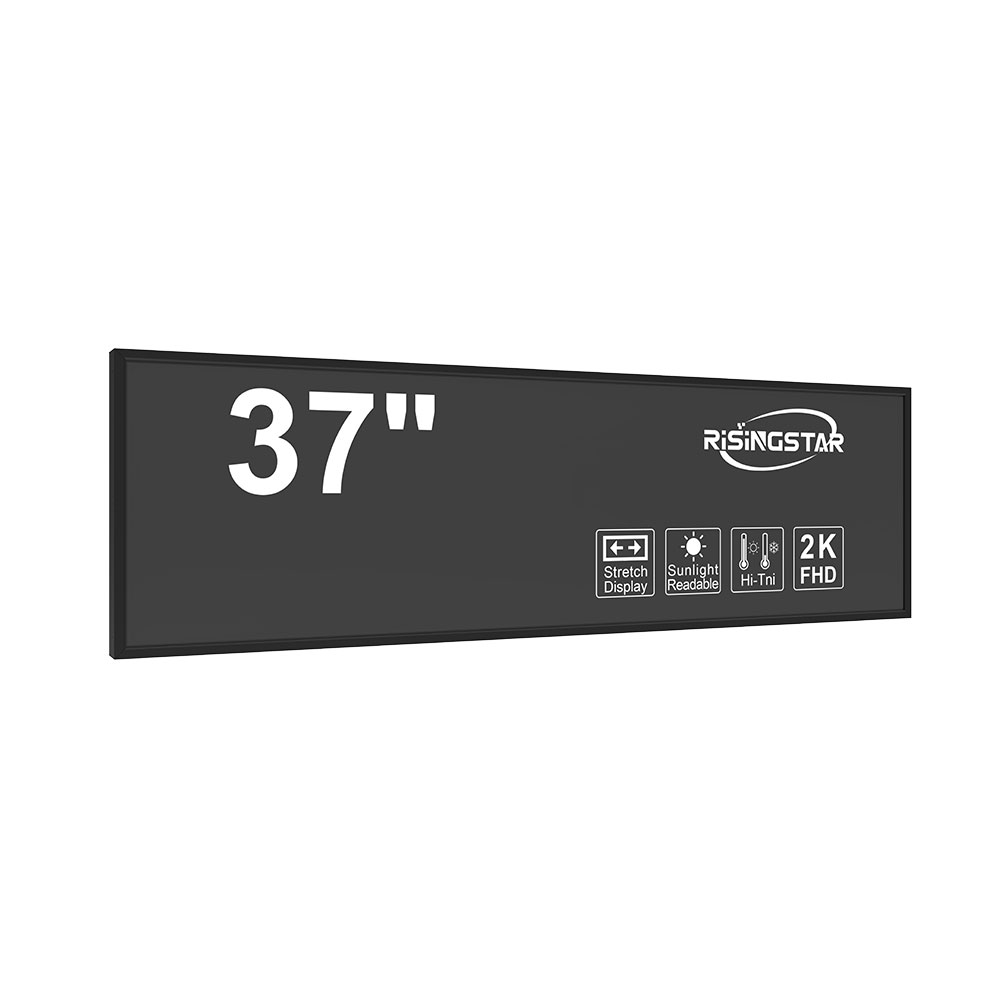
Case studies from real-world deployments illustrate the value of properly engineered outdoor LCDs. For instance, London’s Transport for London (TfL) deployed high-brightness LCD screens at major bus stops and subway stations to provide real-time transit updates. These displays operate 24/7 in sub-zero winter temperatures and scorching summer heat, yet maintain consistent image quality due to built-in thermal management systems and advanced heat dissipation design. Similarly, McDonald’s in Dubai implemented outdoor digital menu boards powered by 7,000-nit LCD panels, resulting in a 30% increase in impulse purchases compared to static signage.
According to the 2023 Global Digital Signage Market Report by MarketsandMarkets, the outdoor digital signage segment is projected to grow at a CAGR of 9.2% through 2028, driven by rising demand for location-based advertising, smart city initiatives, and interactive kiosks. This growth underscores the need for reliable, sunlight-readable displays that meet international standards such as EN 60068 (Environmental Testing), IEC 60529 (IP Ratings), and MIL-STD-810G (MIL-spec durability).
For businesses seeking long-term ROI, it's essential to choose outdoor LCDs certified for continuous operation (e.g., 24/7 uptime) and supported by robust service ecosystems—including remote diagnostics, firmware over-the-air (OTA) updates, and extended warranties. Leading brands like LG, Samsung, Sharp, and NEC offer industrial-grade outdoor models with embedded edge computing capabilities for content delivery without dependency on cloud connectivity.
In summary, outdoor LCD display digital signage represents more than just eye-catching visuals—it is a strategic tool for engaging audiences in dynamic environments. With advancements in display engineering, environmental resilience, and intelligent features, these solutions are now indispensable for brands aiming to deliver impactful, responsive, and resilient digital experiences in any climate or setting.