RisingStar
- Home
- About Us
- Products
- News
- Video
- Contact
- Send Inquiry
Search
- Home
- About Us
- Products
- News
- Video
- Contact
- Send Inquiry
RisingStar
High-brightness sunlight-readable LCD screens are critical for outdoor digital signage, industrial control panels, military displays, and automotive infotainment systems where visibility under direct sunlight is non-negotiable. These displays must maintain clarity, contrast, and color accuracy even at ambient light levels exceeding 100,000 lux—a level far beyond what standard indoor LCDs can handle. According to the Society for Information Display (SID), high-brightness LCDs typically require luminance output of at least 3,000 to 5,000 cd/m², with some specialized military-grade units reaching up to 10,000 cd/m².
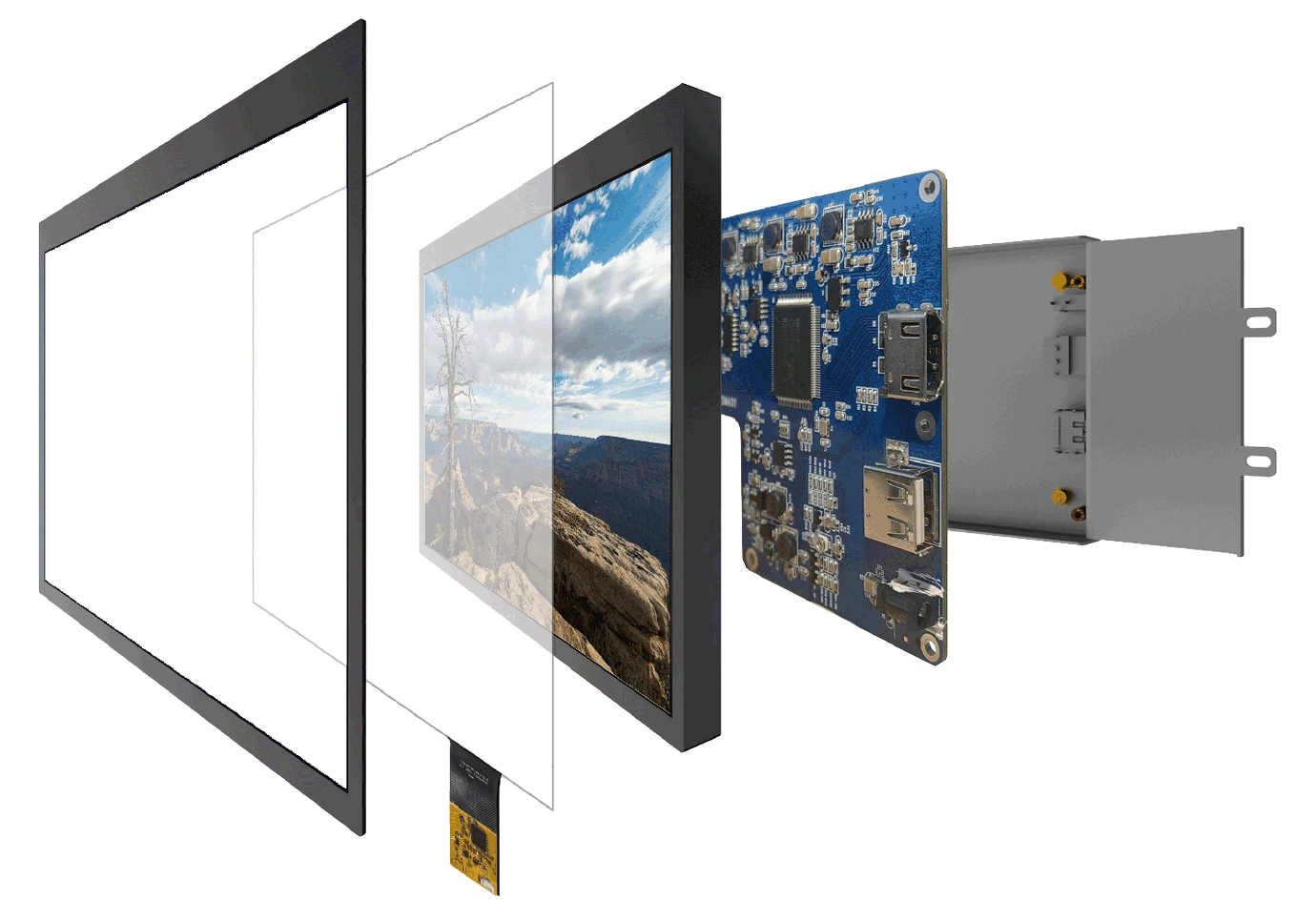
The core technology behind these displays involves several advanced engineering principles. First, backlighting solutions such as LED arrays with optimized diffusers and optical films ensure uniform brightness across the screen surface. Second, anti-glare coatings—often nano-textured or polarized—are applied to reduce specular reflection, a major issue when sunlight hits the display surface at oblique angles. Third, active matrix thin-film transistor (TFT) technology enhances pixel response time and reduces motion blur, which is vital for dynamic content like video or GPS navigation.
Case studies from industries like defense and transportation illustrate real-world applications. For instance, Rockwell Collins (now part of Raytheon Technologies) developed a 15-inch sunlight-readable LCD used in U.S. Air Force cockpit displays, meeting MIL-STD-810G environmental durability standards. Similarly, Sharp’s “Sunlight Readable” LCD modules, widely adopted in public transport information systems, utilize dual-layer polarization filters that improve contrast ratios by over 40% compared to conventional designs.
Another key innovation is adaptive brightness control via ambient light sensors integrated into the display module. This not only improves readability but also reduces power consumption—especially important for battery-powered devices like handheld field computers. According to a 2023 report by MarketsandMarkets, the global market for high-brightness LCDs is projected to grow at a CAGR of 7.2% through 2028, driven by demand from smart city infrastructure and autonomous vehicle interfaces.
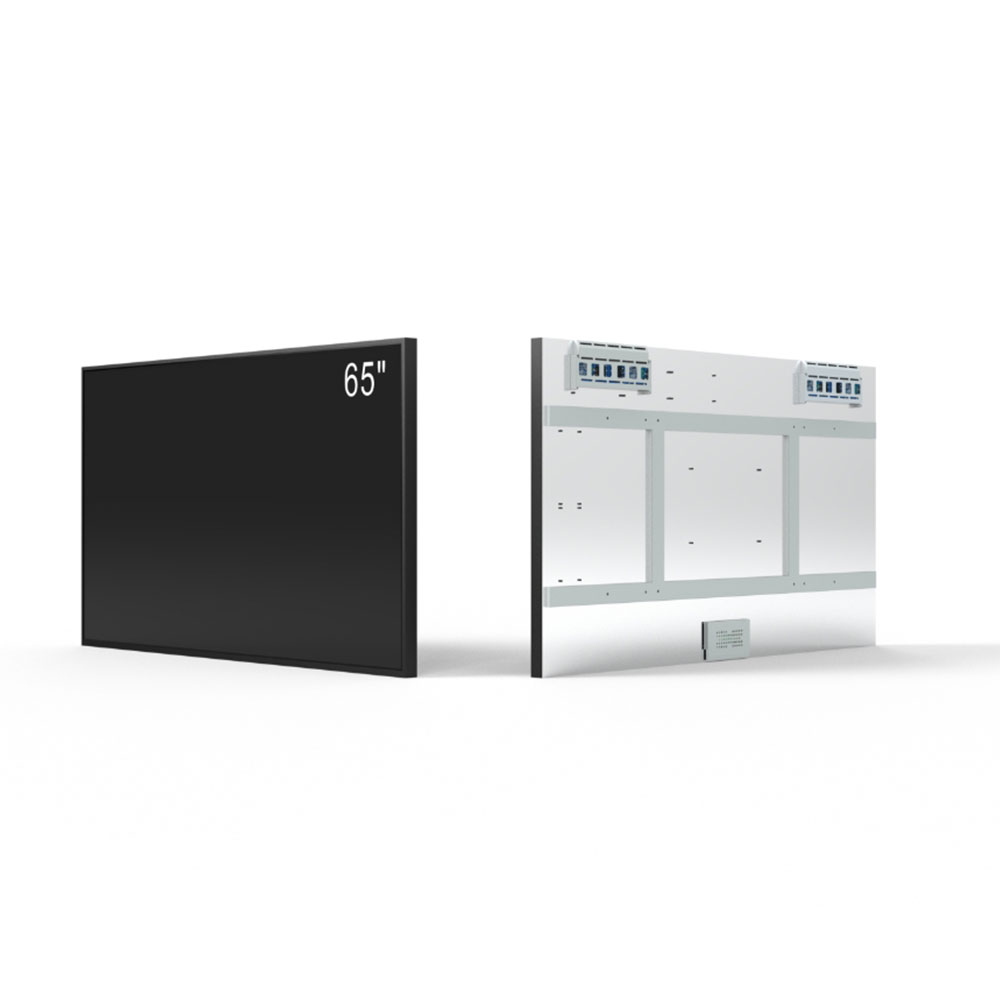
From an engineering perspective, achieving high brightness without compromising longevity requires thermal management strategies—such as heat dissipation layers and efficient LED driver circuits—to prevent premature degradation of components. Moreover, manufacturers increasingly adopt OLED-based sunlight-readable technologies for future-proofing, though cost remains a barrier for mass adoption.
In conclusion, high-brightness sunlight-readable LCDs are no longer just an option—they are a necessity for any outdoor application demanding reliable visual performance. Their design combines optical physics, material science, and intelligent electronics, making them indispensable across sectors from aviation to public safety. As display requirements evolve alongside AI-driven interfaces and augmented reality, the evolution of these screens will remain central to human-machine interaction in challenging environments.