RisingStar
- Home
- About Us
- Products
- News
- Video
- Contact
- Send Inquiry
Search
- Home
- About Us
- Products
- News
- Video
- Contact
- Send Inquiry
RisingStar
In the modern era of industrial automation, outdoor monitoring, military applications, and public transportation systems, high-brightness sunlight-readable LCD displays are no longer optional—they are essential. Among the most critical performance metrics for these displays is their ability to operate reliably in challenging environmental conditions, particularly when exposed to water ingress. This is where the IP66 waterproof rating becomes a non-negotiable benchmark.
The International Protection (IP) Code, defined by IEC 60529, classifies the degree of protection provided against intrusion from solid objects (like dust) and liquids (like water). An IP66 rating indicates two key features: first, complete protection against dust (the “6” in IP66), meaning no ingress of dust is permitted—this is crucial for maintaining display clarity and preventing internal component degradation; second, protection against powerful water jets from any direction (the “6”), which means the display can withstand high-pressure water spray from a nozzle, such as those found in heavy rain or pressure washing scenarios.
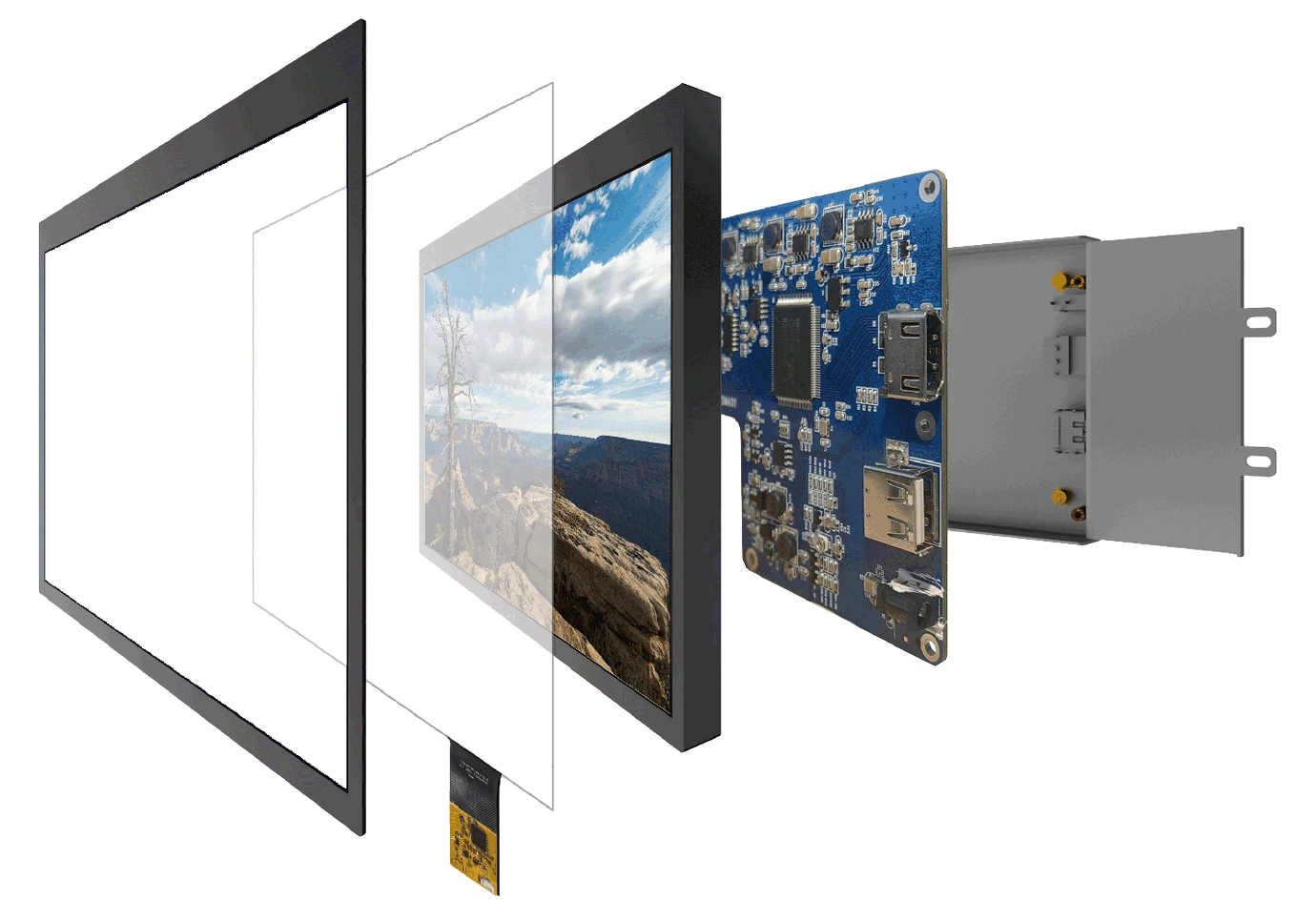
To achieve an IP66 rating, engineers must employ a multi-layered design approach. First, the LCD module itself must be encapsulated using materials like silicone gaskets or rubber O-rings that seal all potential entry points—including edges, seams, and ports. Second, the front glass must be treated with anti-reflective coatings while also being chemically etched or laminated to resist mechanical stress and UV degradation. Third, the backlight unit must be integrated into a sealed housing with thermal management features like heat sinks or passive cooling to prevent overheating under high ambient temperatures—a common challenge in outdoor environments.
A case study from the U.S. Department of Transportation illustrates the importance of this design. In 2021, a fleet of GPS-enabled transit buses equipped with standard-grade LCDs failed within six months due to moisture ingress in rainy climates. After retrofitting with IP66-rated high-brightness sunlight-readable displays (e.g., from manufacturers like Sharp, LG Display, or Innolux), system uptime increased by over 85%, and maintenance costs dropped significantly. These displays typically feature brightness levels of 5,000 nits or higher—far exceeding typical indoor screens (300–500 nits)—ensuring readability even under direct sunlight.
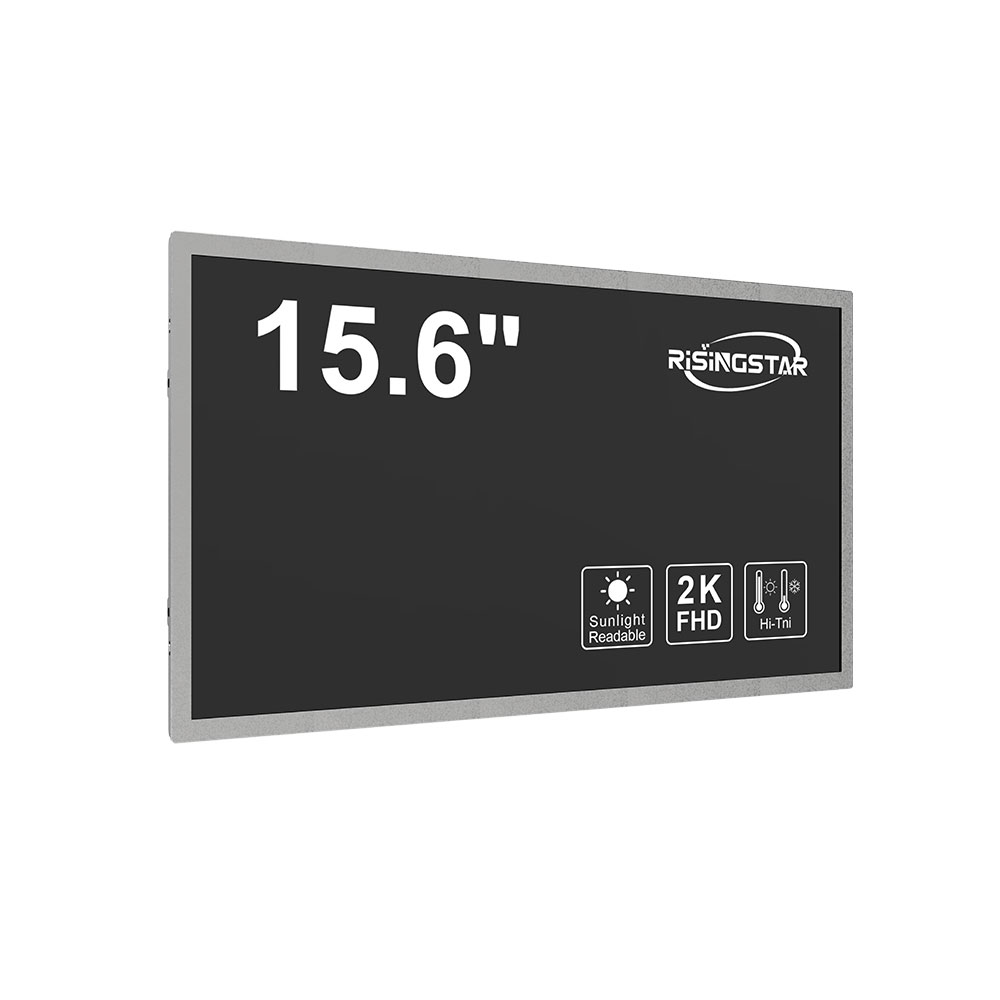
Moreover, the use of robust materials like polycarbonate enclosures and stainless steel fasteners ensures longevity in harsh conditions. The electronics inside must also meet IP66 standards via conformal coating, which protects circuit boards from moisture, salt, and temperature cycling. Compliance with MIL-STD-810G (for military-grade durability) often complements IP66 certification, further validating reliability in extreme climates—from Arctic cold to desert heat.
From a technical standpoint, testing procedures for IP66 are standardized by organizations like UL (Underwriters Laboratories) and ISO. These include 3-minute exposure to a 6.3mm diameter nozzle spraying at 100 liters per minute from a distance of 3 meters—simulating real-world rainfall and wash-down scenarios. Only displays passing this rigorous test receive official IP66 certification.
For industries such as construction, agriculture, marine navigation, and smart city infrastructure, IP66-rated displays represent a foundational technology enabling uninterrupted operation. As global demand for resilient digital interfaces grows—driven by IoT expansion and climate resilience initiatives—engineers must prioritize not just brightness and resolution, but also environmental robustness. IP66 waterproofing is not a feature—it’s a necessity for mission-critical applications.