RisingStar
- Home
- About Us
- Products
- News
- Video
- Contact
- Send Inquiry
Search
- Home
- About Us
- Products
- News
- Video
- Contact
- Send Inquiry
RisingStar
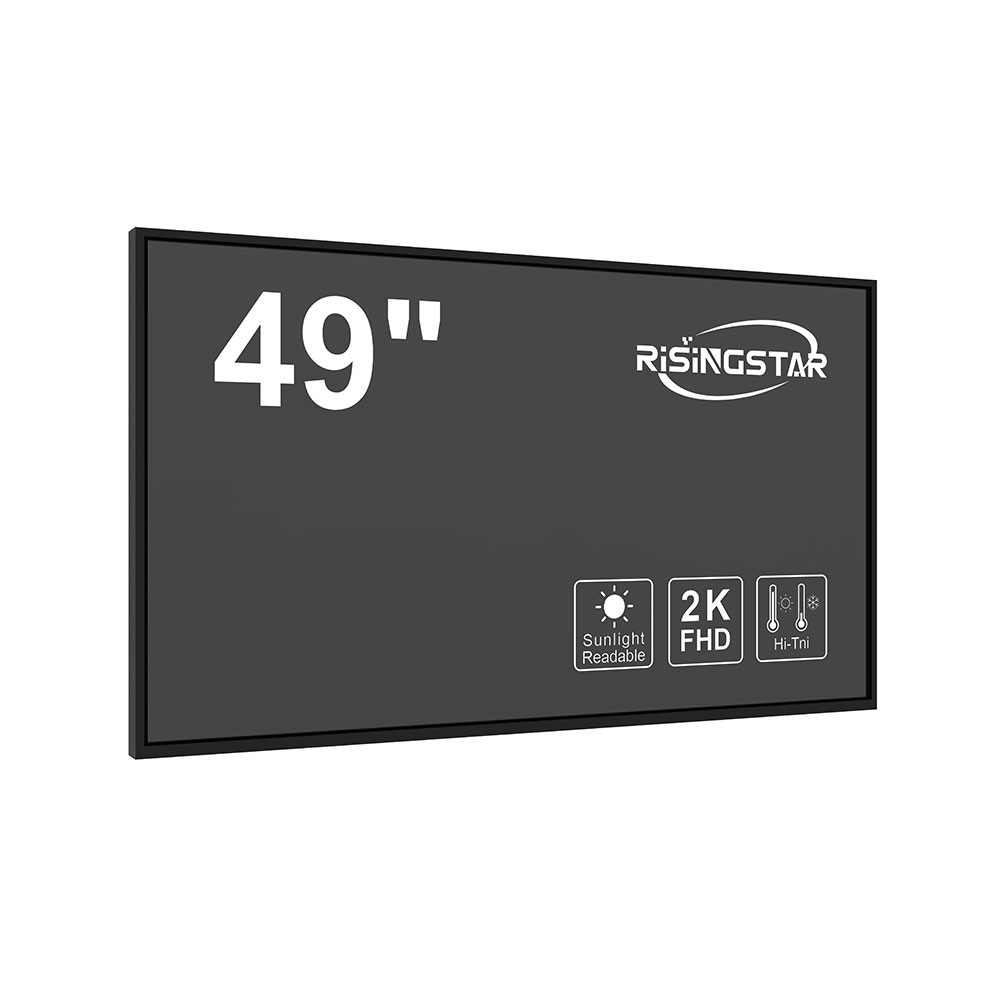
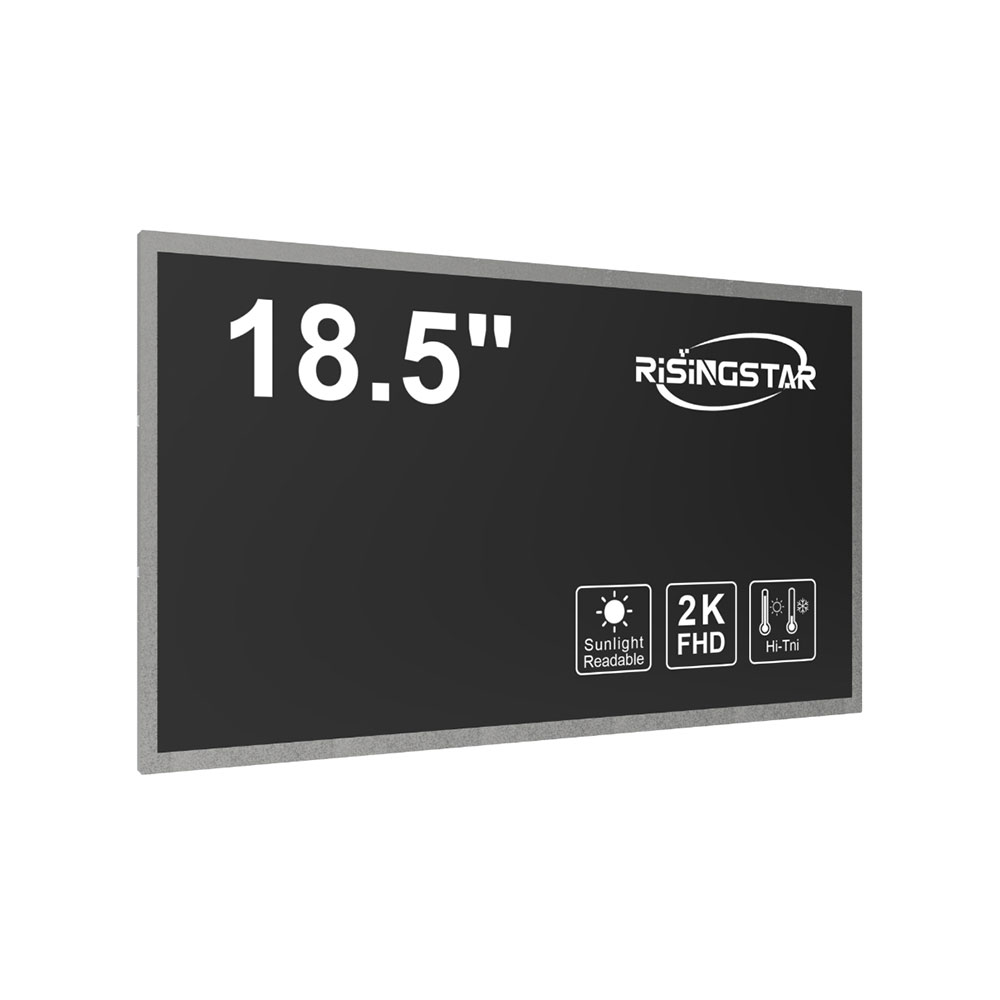
In the rapidly evolving landscape of industrial automation, outdoor signage, military systems, and transportation control panels, the demand for high-brightness sunlight-readable LCD screens has surged—especially those with robust environmental protection. Among these, IP66-rated waterproof displays have emerged as a critical standard for ensuring operational reliability in demanding conditions. The Ingress Protection (IP) rating system, defined by IEC 60529, classifies the degree of protection provided against solid objects (like dust) and liquids (such as water). An IP66 rating means the display is completely dust-tight (6) and protected against powerful water jets from any direction (6)—a crucial requirement for applications exposed to rain, splashing, or even high-pressure cleaning.
High-brightness sunlight-readable LCDs are engineered with luminance levels typically exceeding 5,000 cd/m², enabling clear visibility under direct sunlight—a key differentiator from standard indoor displays. However, achieving this brightness while maintaining IP66 compliance demands advanced thermal management, optical bonding techniques, and ruggedized housing materials like aluminum alloy or polycarbonate. For example, military-grade displays used in UAV ground stations often integrate IP66-rated enclosures with anti-glare coatings and ambient light sensors to optimize readability across varying lighting conditions.
Case studies validate the real-world performance of IP66 waterproof LCDs. A leading European railway operator deployed IP66-certified touchscreens in outdoor ticketing kiosks across multiple cities. After two years of continuous exposure to rain, snow, and temperature swings from -30°C to +50°C, the displays maintained full functionality with zero moisture ingress incidents—a testament to the durability of IP66 compliance. Similarly, in offshore oil platforms, where saltwater corrosion and high humidity pose constant threats, IP66-rated industrial monitors remain the preferred choice due to their ability to withstand both water jet exposure and chemical degradation.
Manufacturers must adhere to strict testing protocols to verify IP66 certification. This includes immersion tests (for the "6" in dust tightness), water jet tests at 12.5 kPa pressure (for the "6" in water resistance), and thermal cycling to simulate extreme environments. Industry standards such as MIL-STD-810G and EN 60068 further ensure that these displays meet mechanical shock, vibration, and environmental resilience benchmarks. Moreover, modern IP66 displays increasingly incorporate features like capacitive touch technology with glove compatibility, extended operating temperature ranges (-40°C to +70°C), and LED backlight longevity exceeding 50,000 hours—making them suitable for mission-critical operations.
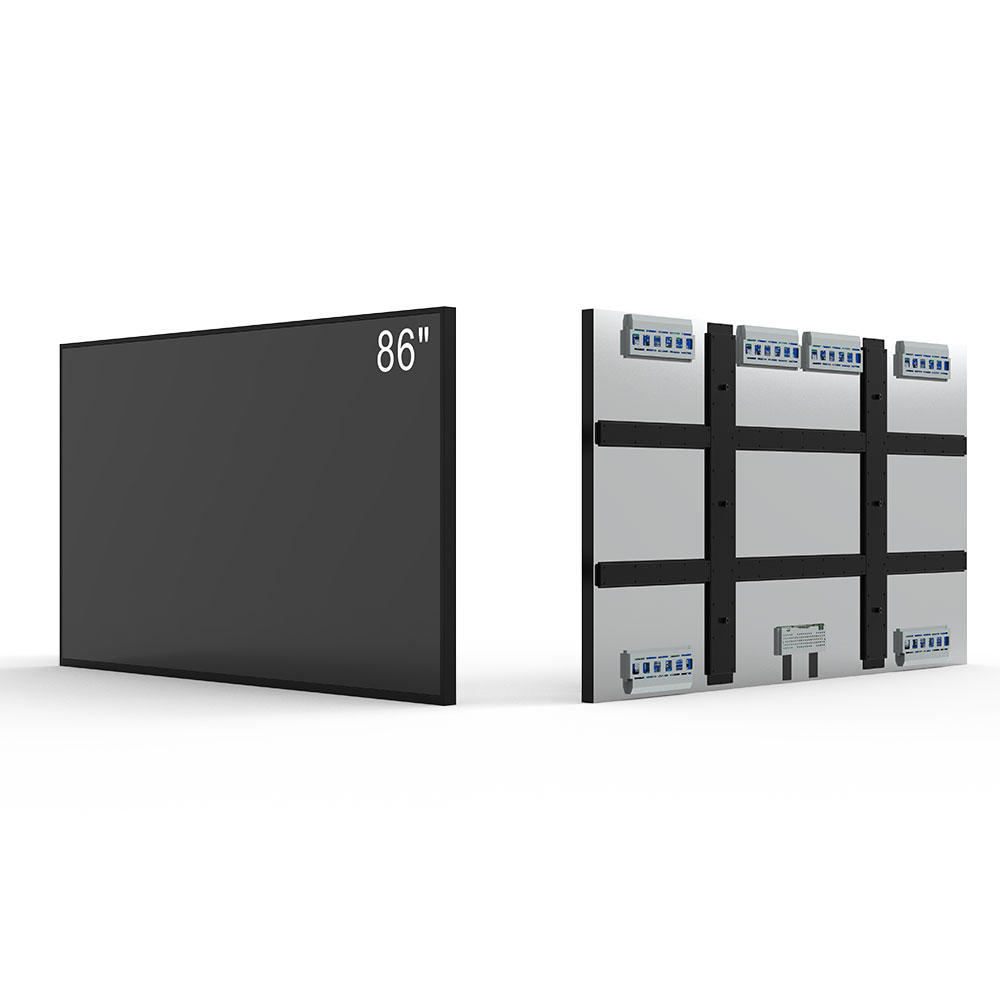
For engineers and procurement managers sourcing reliable displays, selecting an IP66-rated solution is not just about compliance—it’s about risk mitigation. Whether deploying in smart city infrastructure, agricultural monitoring systems, or mobile command units, the integration of IP66 waterproofing ensures long-term uptime, reduced maintenance costs, and enhanced user safety. As global industries push toward smarter, more connected environments, the synergy between high brightness and IP66 waterproofing will remain foundational to next-generation display technologies.