 RisingStar
- Home
- About Us
- Products
- News
- Video
- Contact
- Send Inquiry
Search
- Home
- About Us
- Products
- News
- Video
- Contact
- Send Inquiry
RisingStar
In today’s technology-driven world, high-brightness sunlight-readable LCD displays are no longer a luxury—they are a necessity for outdoor and high-exposure environments. From military field equipment to public transportation systems, from industrial control panels to solar-powered kiosks, these displays ensure visibility even under the most intense sunlight conditions. According to industry reports by MarketsandMarkets (2023), the global market for high-brightness LCDs is projected to exceed $18 billion by 2027, driven by increasing demand in automotive, defense, and smart infrastructure sectors.
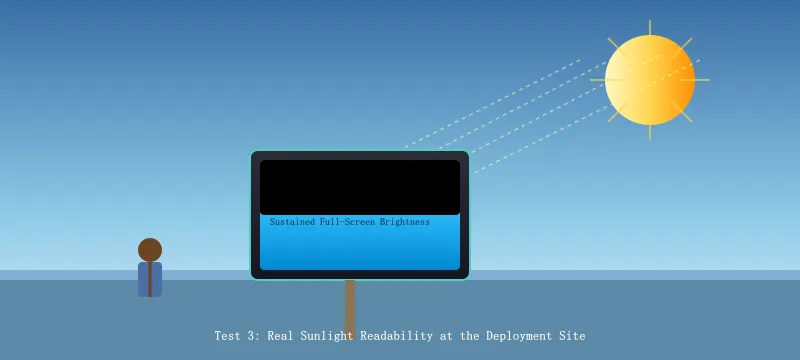
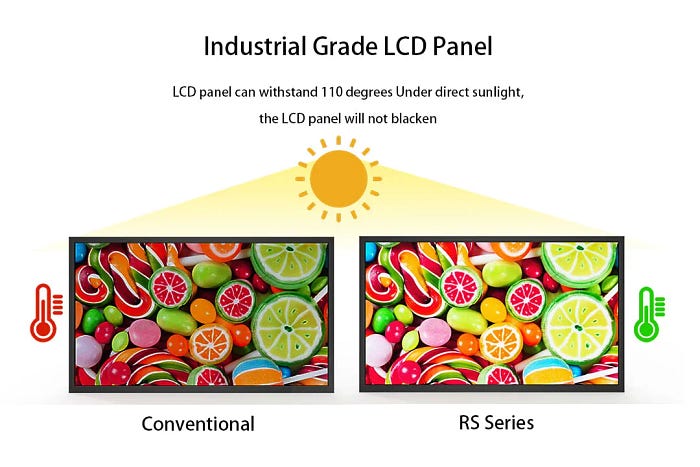
The core challenge in designing sunlight-readable displays lies in overcoming ambient light interference—especially direct sunlight which can reach up to 100,000 lux. Standard LCDs, typically rated at 300–500 nits, fail dramatically under such conditions, becoming nearly invisible. In contrast, high-brightness sunlight-readable LCDs operate at 3,000 to 10,000 nits or more, making them suitable for direct sun exposure without glare or loss of contrast. This is achieved through advanced technologies such as enhanced backlighting, anti-glare coatings, and optimized polarizer layers that minimize reflection and maximize contrast ratio.
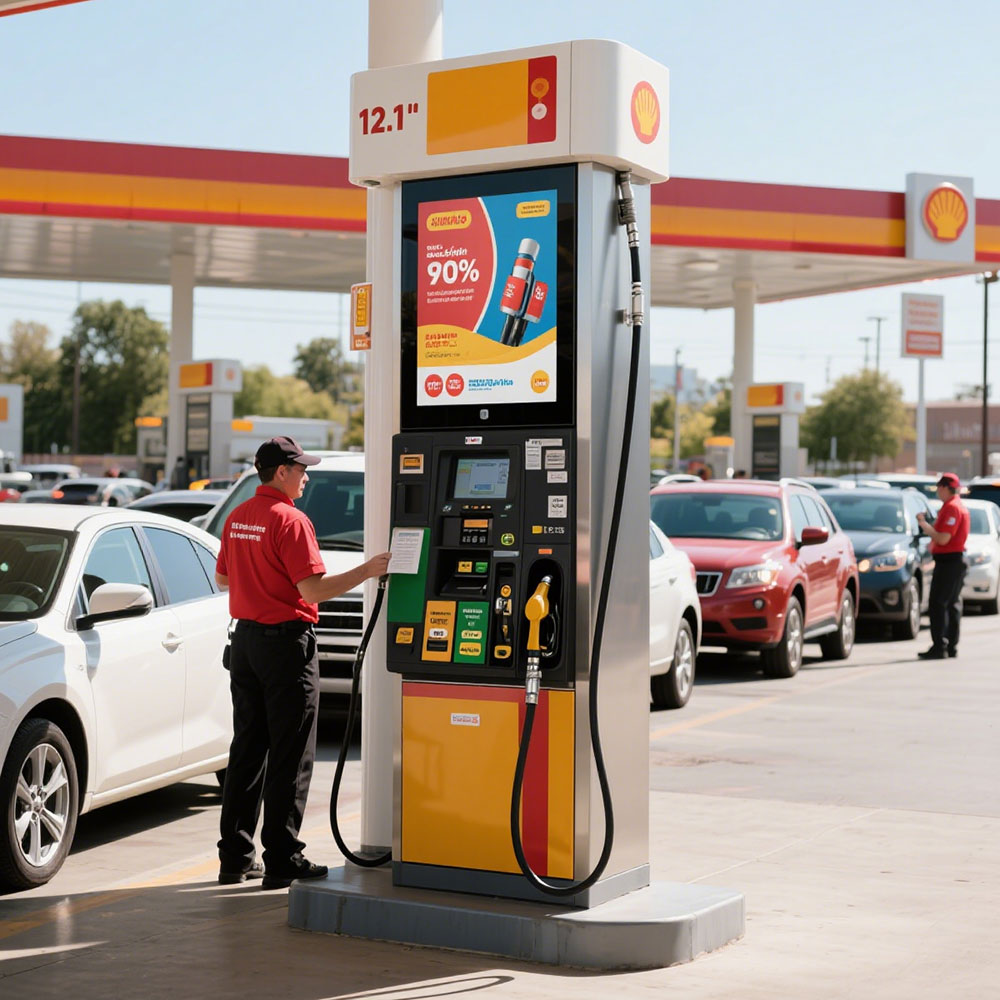
A critical factor in achieving sunlight readability is the use of high-efficiency LED backlights with dynamic brightness control. For example, recent models from companies like LG Display and Sharp utilize mini-LED arrays with local dimming, enabling precise luminance adjustment per pixel while maintaining low power consumption—a key requirement for battery-operated devices. Additionally, manufacturers integrate proprietary algorithms that automatically adjust display brightness based on real-time ambient light sensors, improving both user experience and energy efficiency.
Another vital innovation is the adoption of transflective liquid crystal technology. Unlike traditional transmissive displays, transflective LCDs combine both reflective and transmissive modes. During daylight, they reflect ambient light, reducing reliance on the backlight and conserving power; in low-light conditions, they switch to full backlight mode. This dual-mode approach has been successfully implemented in ruggedized tablets used by utility workers and in GPS navigation units for aviation and maritime applications, where battery life and visibility are equally critical.
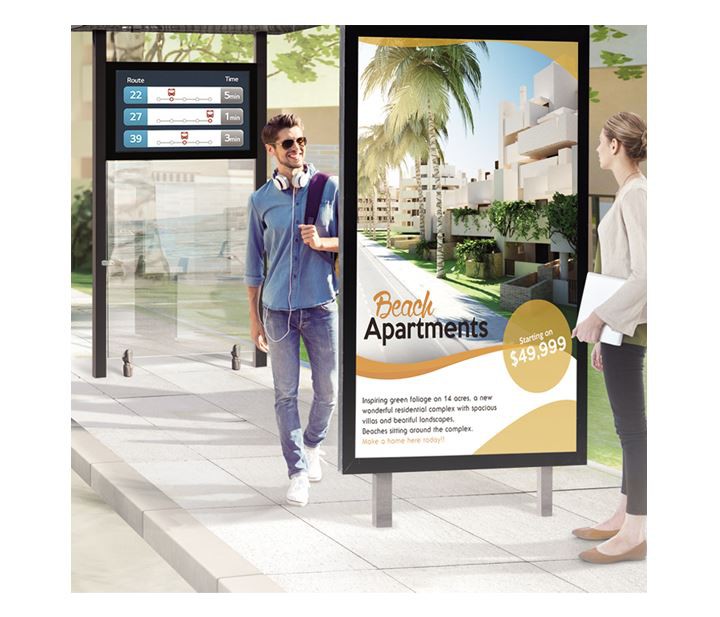
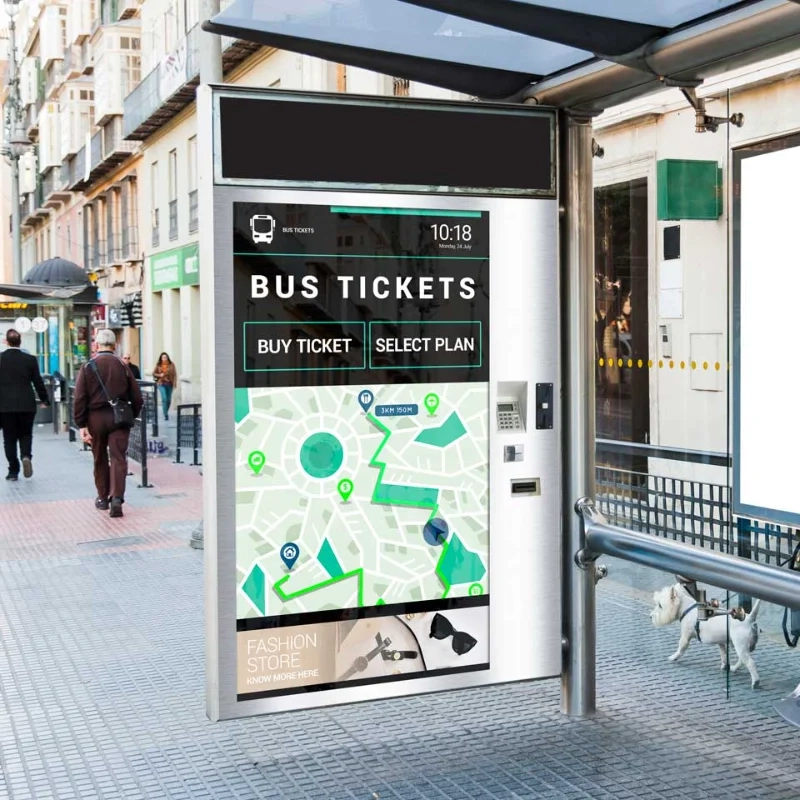
Case studies further validate the effectiveness of these solutions. For instance, in 2022, a major European transit authority deployed 10,000 high-brightness LCDs (rated at 5,000 nits) in bus stop information boards. Post-deployment surveys showed a 94% improvement in legibility during peak sunlight hours compared to previous standard LCDs. Similarly, the U.S. Department of Defense adopted sunlight-readable displays in handheld command-and-control devices for field operations, citing improved situational awareness and reduced operational errors.
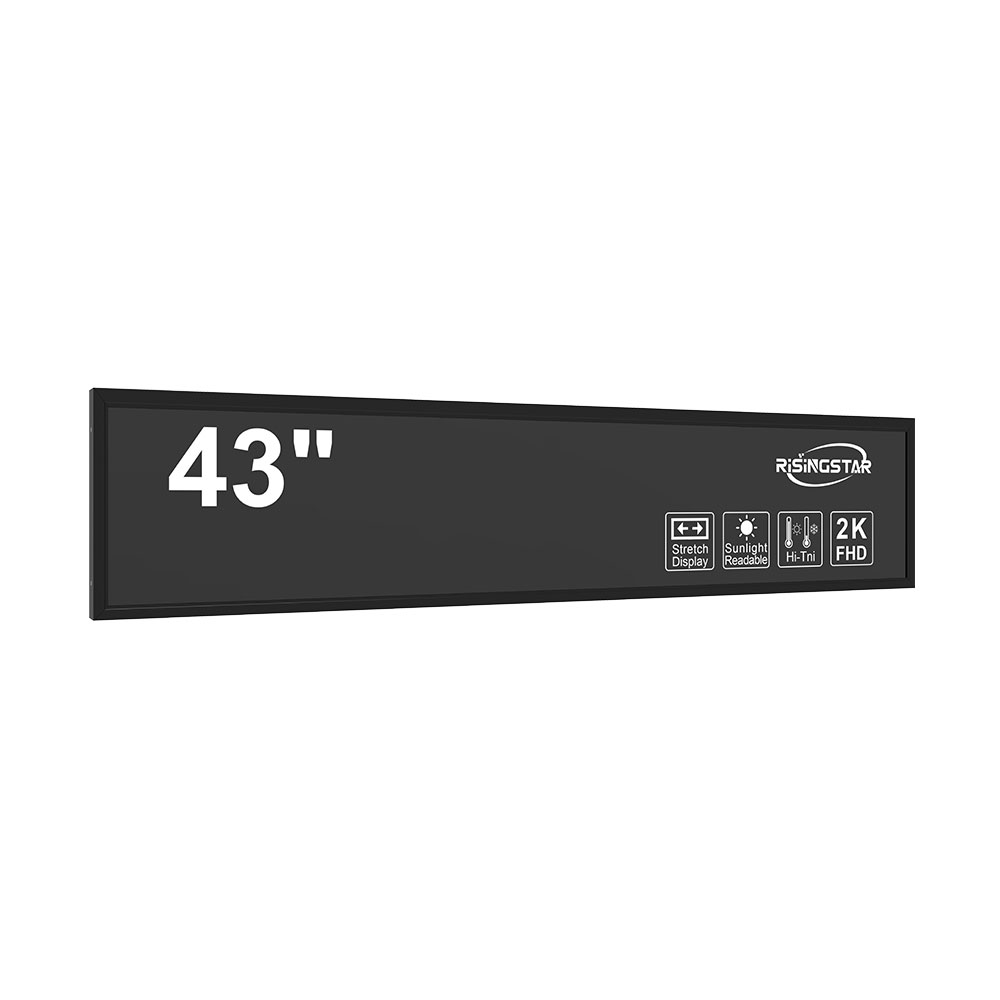
From a technical standpoint, compliance with standards such as MIL-STD-810G (for environmental durability) and ISO 16067 (for visual performance) ensures reliability across temperature extremes, humidity, and mechanical shock. These certifications are not just regulatory checkboxes—they represent real-world validation that the display will function reliably in harsh outdoor environments.
In conclusion, high-brightness sunlight-readable LCD displays are indispensable for modern outdoor applications. With continuous advancements in materials science, optical engineering, and intelligent control systems, their performance, efficiency, and cost-effectiveness continue to improve. As industries increasingly prioritize resilience, usability, and sustainability, the demand for robust, readable displays under all lighting conditions will only grow stronger—making this technology a cornerstone of tomorrow’s connected, outdoor-first ecosystems.