RisingStar
- Home
- About Us
- Products
- News
- Video
- Contact
- Send Inquiry
Search
- Home
- About Us
- Products
- News
- Video
- Contact
- Send Inquiry
RisingStar
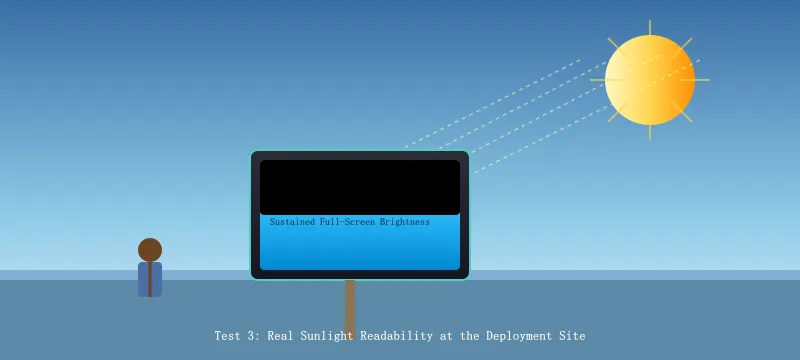
In today’s rapidly evolving industrial, transportation, and military sectors, the demand for high-brightness sunlight-readable LCD screens has surged. These displays must perform reliably under extreme lighting conditions—especially direct sunlight, where standard LCDs fail due to poor contrast and visibility. The key to overcoming this challenge lies in advanced backlighting technologies, anti-glare coatings, and optimized panel designs tailored for brightness levels exceeding 5,000 nits (cd/m²), often reaching up to 10,000 nits for military-grade applications.
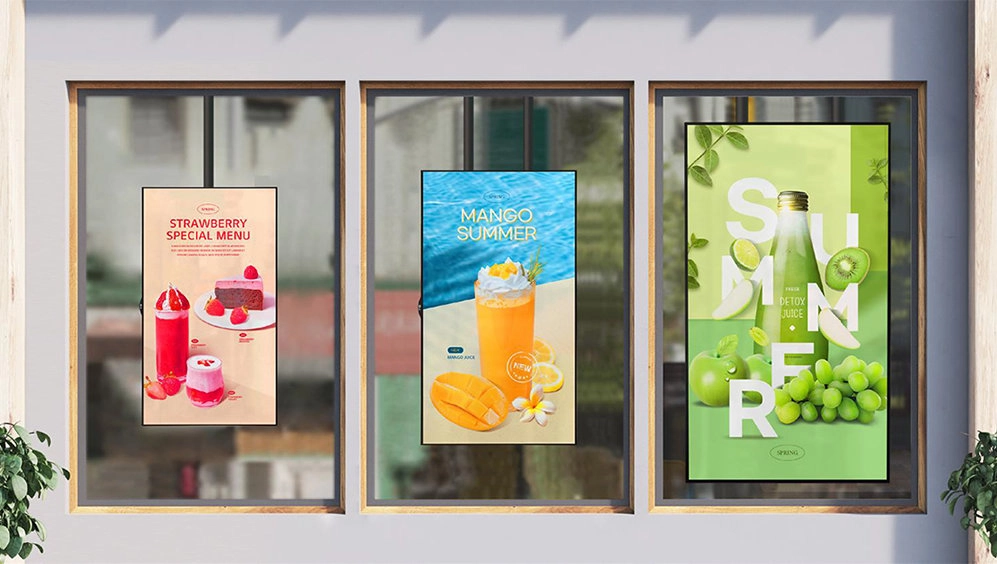
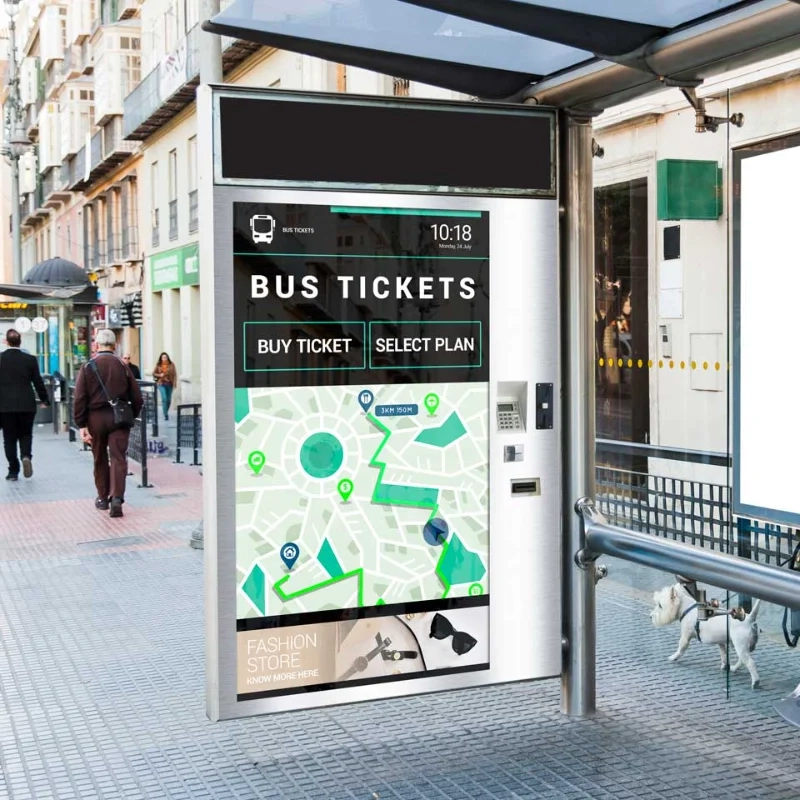
Display ratios such as 16:9 remain dominant across all screen sizes—from compact 10.1-inch units used in portable field devices to massive 110-inch panels deployed in outdoor command centers. This aspect ratio ensures compatibility with modern video content, HD/4K resolution standards, and ergonomic user interfaces. For example, a 27-inch 16:9 display offers excellent clarity for data visualization in control rooms, while a 55-inch version is ideal for public information kiosks or digital signage in airports and stadiums.
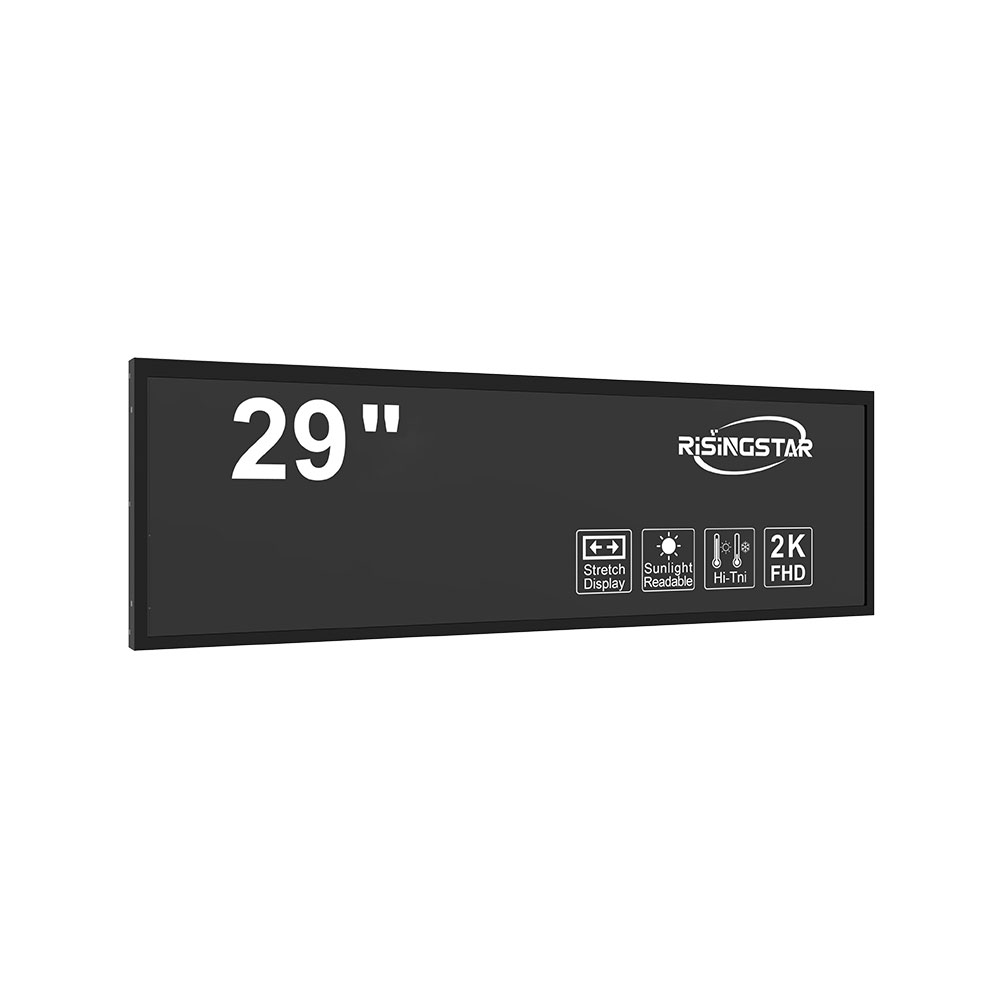
Manufacturers like LG Display, BOE Technology, and Sharp have developed proprietary solutions including transflective liquid crystal technology, which combines reflective and transmissive modes to maintain readability both indoors and outdoors without excessive power consumption. Additionally, newer models integrate adaptive brightness sensors that automatically adjust luminance based on ambient light, improving energy efficiency by up to 30% compared to fixed-brightness alternatives.
Case studies from the U.S. Department of Defense confirm that sunlight-readable displays with peak brightness above 7,000 nits are essential for tactical operations in desert environments. Similarly, companies like Samsung and NEC have implemented these screens in vehicle dashboards and agricultural machinery, where prolonged exposure to direct sunlight can cause eye strain and reduce operational safety.
The increasing adoption of these screens in sectors such as maritime navigation, solar energy monitoring, and autonomous vehicles highlights their importance beyond traditional industrial use. With global demand projected to grow at a CAGR of 8.2% through 2030 (per MarketsandMarkets research), manufacturers are focusing on reducing costs, enhancing durability (IP65/IP67 ratings), and integrating touch functionality (capacitive or resistive) into larger form factors like 86” and 98”.
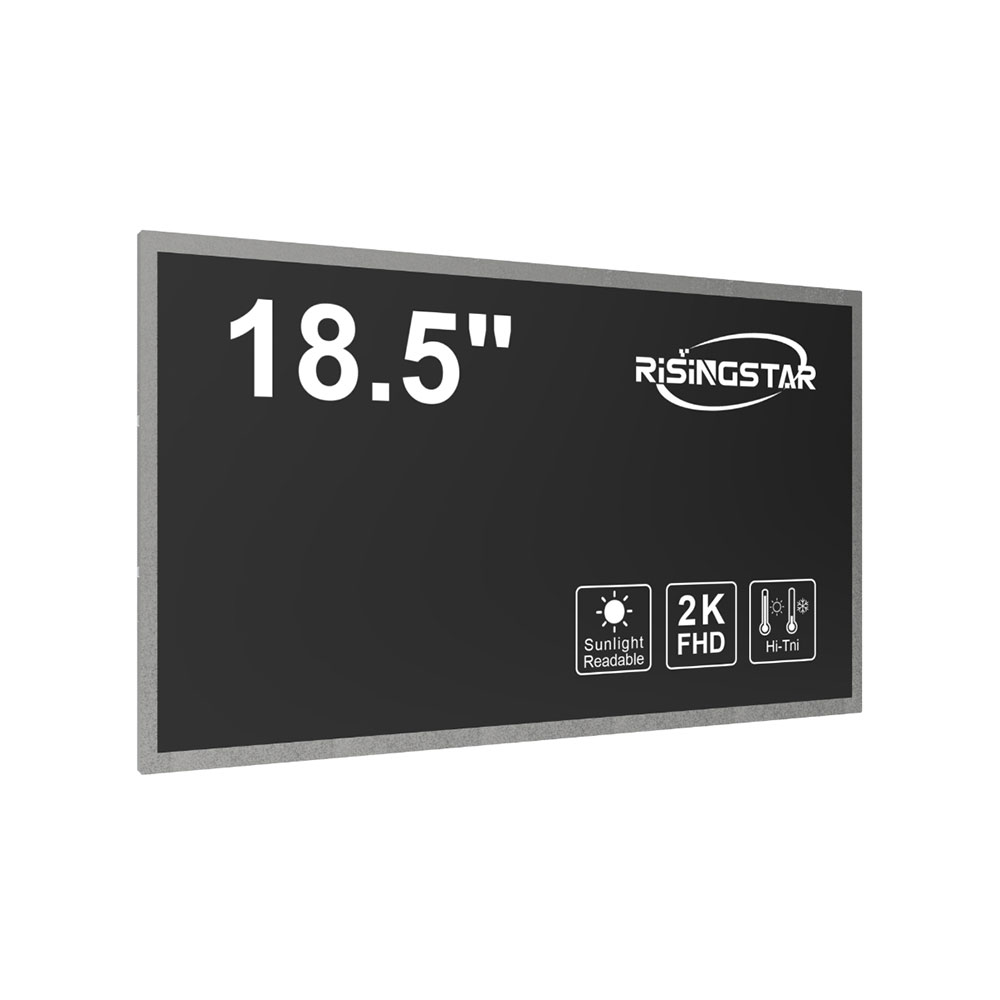
To ensure optimal performance, designers must consider not only screen size (e.g., 13.3”, 15.6”, 18.5”) but also thermal management, viewing angles, and response times—critical for dynamic content such as live video feeds. When combined with ruggedized housings and wide temperature tolerance (-30°C to +70°C), these displays become indispensable tools for mission-critical applications worldwide.