 RisingStar
- Home
- About Us
- Products
- News
- Video
- Contact
- Send Inquiry
Search
- Home
- About Us
- Products
- News
- Video
- Contact
- Send Inquiry
RisingStar
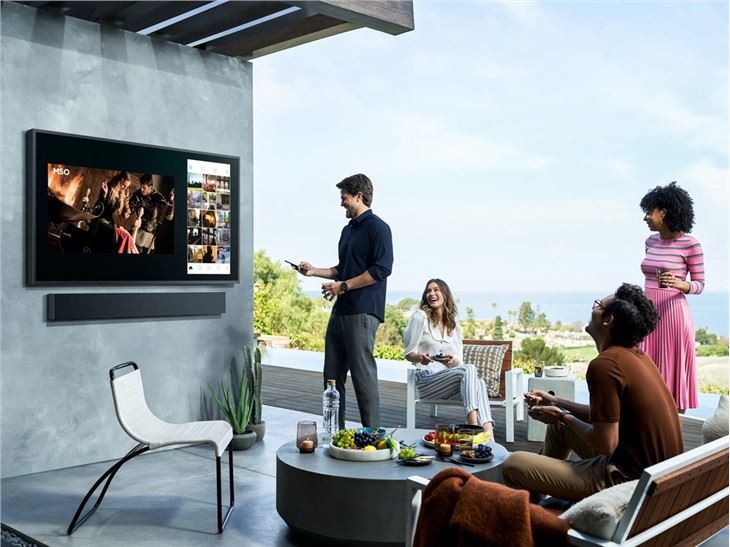
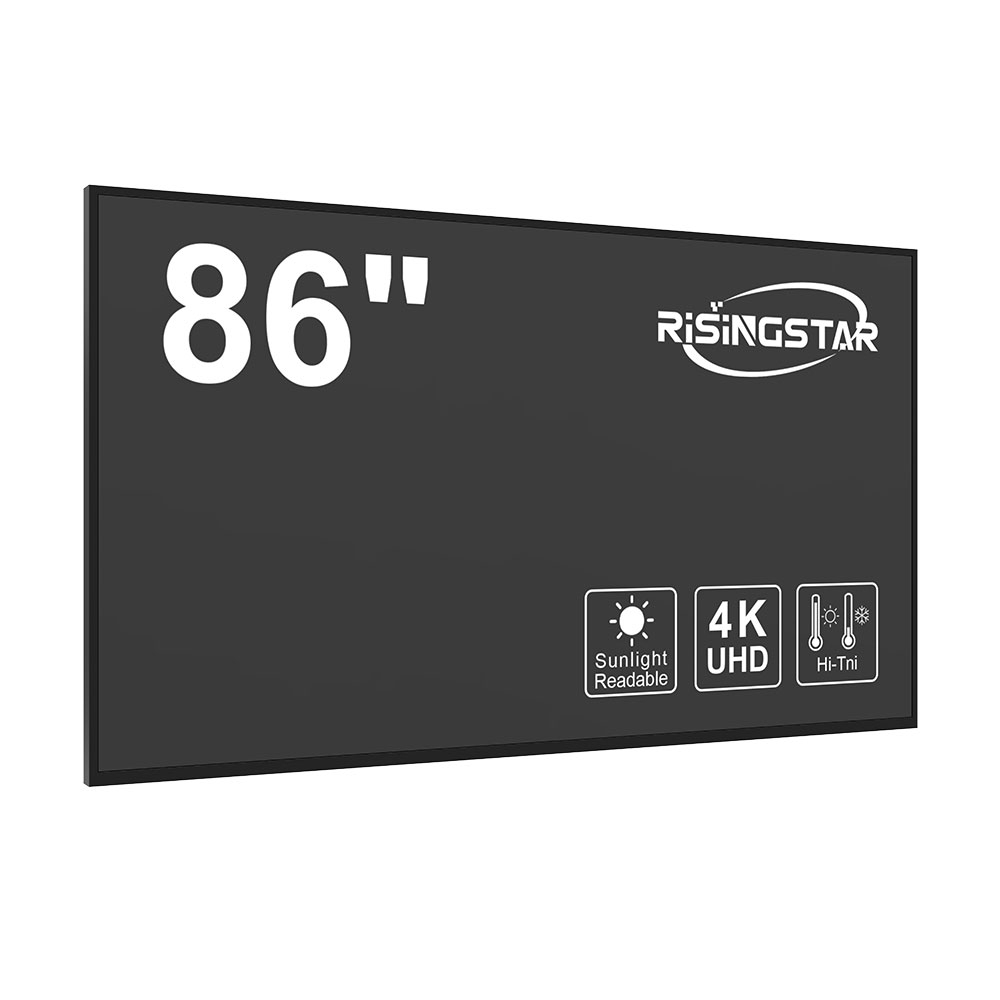
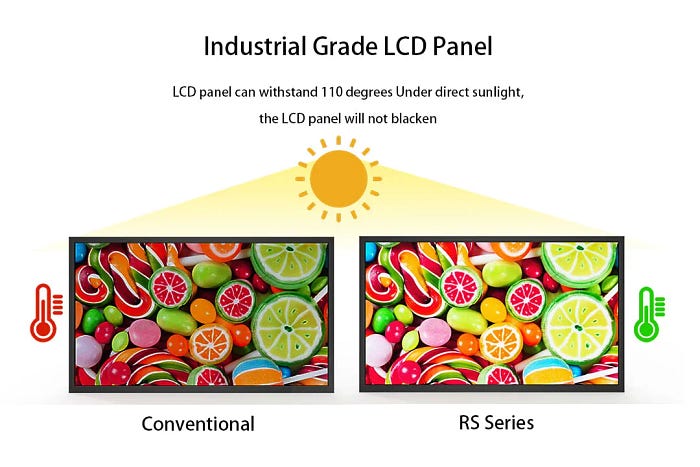
In the dynamic urban landscape of Denver, where bright skies and high-altitude sunlight challenge traditional display technologies, deploying reliable outdoor digital signage requires specialized solutions. Sunlight-readable LCD screens have become essential for businesses, government agencies, and public spaces seeking to communicate effectively in direct sunlight. These displays are engineered with advanced optical coatings, high-brightness backlighting (typically 5,000 to 10,000 nits), and anti-glare surfaces—features that ensure visibility even under intense Colorado daylight.
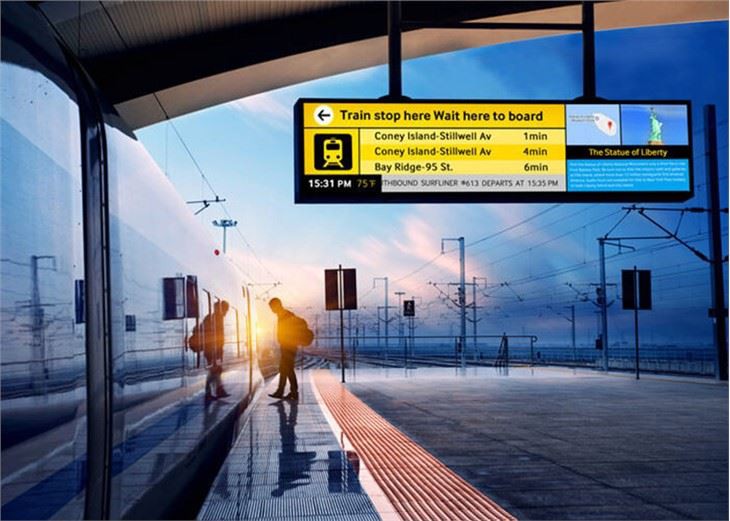
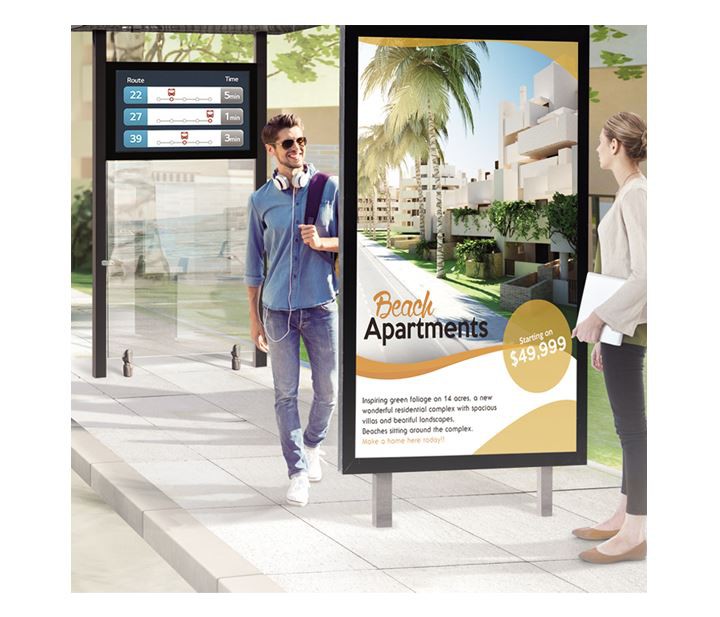
Denver’s unique climate, characterized by over 300 sunny days annually and rapid temperature shifts, demands ruggedized outdoor digital signage systems. For example, city transit authorities use sunlight-readable digital billboards along highways and bus stops to provide real-time arrival updates, while retail chains install them at shopping centers like Cherry Creek Mall or The Streets at SouthGlenn. In these environments, standard indoor LCDs fail due to glare, low contrast, and reduced brightness in direct sunlight. By contrast, industrial-grade outdoor digital signage in Denver employs IPS panels with enhanced luminance, wide viewing angles, and IP65 or higher weatherproof ratings for dust and water resistance.
The integration of interactive touchscreens—such as those used in public kiosks at Denver International Airport or local museums—adds another layer of engagement. These systems often combine capacitive multi-touch technology with solar-powered or energy-efficient power management, making them sustainable for long-term deployment. According to a 2023 report by Grand View Research, the global market for interactive digital signage is projected to reach $78 billion by 2030, with outdoor applications in North America leading growth due to increased demand from smart cities and transportation infrastructure.
For developers and integrators, choosing the right solution involves evaluating not only brightness levels but also environmental durability, content management software compatibility, and remote monitoring capabilities. Companies like LG, NEC, and Samsung offer certified models specifically designed for outdoor use in high-sunlight regions like Denver. These units undergo rigorous testing per MIL-STD-810G standards for shock, vibration, and thermal cycling, ensuring longevity in harsh conditions.
Ultimately, successful deployment of digital interactive signage in Denver hinges on understanding both the technological specifications and the end-user experience. Whether it's delivering targeted advertising to commuters, providing emergency alerts during wildfire seasons, or enhancing visitor navigation in parks and plazas, sunlight-readable digital signage transforms public spaces into smart, responsive environments that work seamlessly in any light condition.