 RisingStar
- Home
- About Us
- Products
- News
- Video
- Contact
- Send Inquiry
Search
- Home
- About Us
- Products
- News
- Video
- Contact
- Send Inquiry
RisingStar
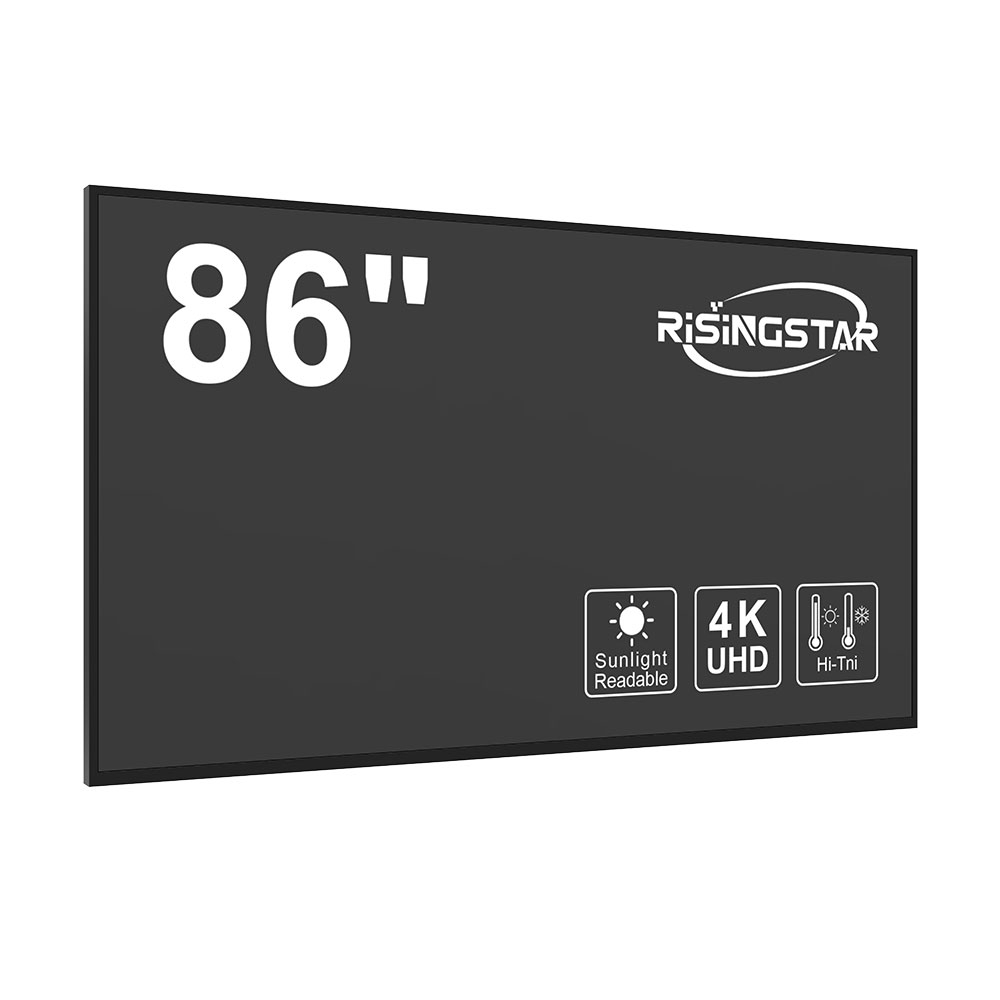
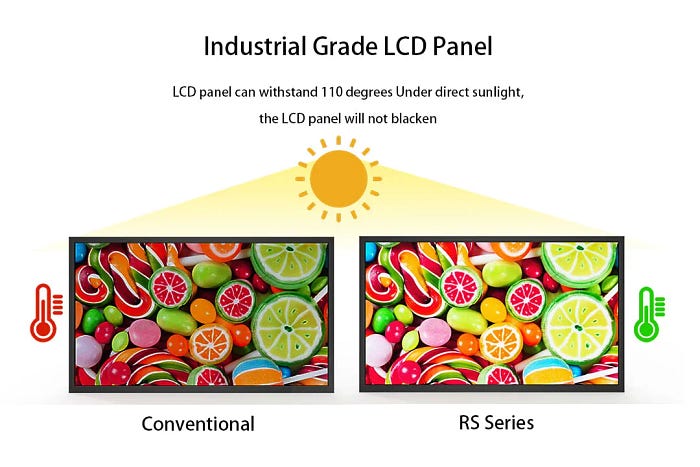
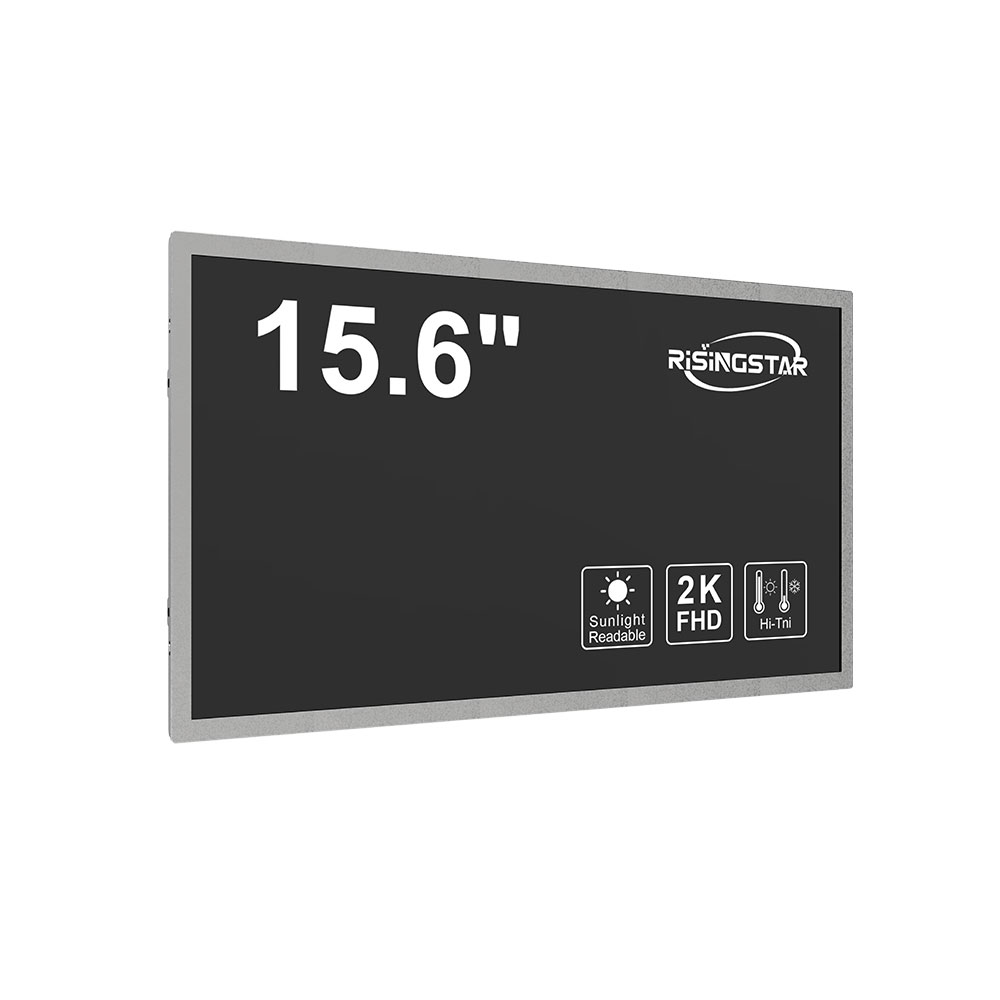
Choosing the right high-brightness sunlight-readable LCD screen is critical for ensuring optimal visibility and performance in demanding outdoor environments such as military vehicles, construction equipment, industrial control panels, and public transportation systems. These screens must maintain clarity under direct sunlight, often exceeding 100,000 lux, while operating reliably across extreme temperatures and environmental stressors like vibration, humidity, and dust.
One of the most important factors in selection is brightness level—measured in nits (cd/m²). For true sunlight readability, a minimum of 3,000 nits is recommended, though many modern applications demand 5,000 to 10,000 nits or more. This range ensures that the display remains legible even under harsh midday sun conditions. Industry standards from organizations such as the International Electrotechnical Commission (IEC) and MIL-STD-810 provide guidelines for durability and brightness thresholds relevant to defense and commercial use.
Another key consideration is contrast ratio. A high contrast ratio (typically 1000:1 or greater) improves image clarity by enhancing the difference between dark and light areas on the screen. This is especially crucial in outdoor settings where ambient light can wash out low-contrast displays. Technologies such as transflective liquid crystal displays (LCDs), which combine reflective and transmissive properties, are particularly effective in balancing power consumption with readability in variable lighting conditions.
Backlight design also plays a pivotal role. LED-based backlights offer superior efficiency, longevity, and uniformity compared to older CCFL (cold cathode fluorescent lamp) systems. For high-brightness applications, edge-lit or full-array LED configurations with local dimming are preferred to enhance both brightness and energy efficiency. Some manufacturers now integrate adaptive brightness control using ambient light sensors to dynamically adjust output based on real-time environmental conditions—an energy-saving feature increasingly adopted in portable and battery-powered devices.
Environmental resilience is another core requirement. Look for screens rated at least IP65 (dust-tight and protected against water jets) or higher, especially if deployed in marine or agricultural contexts. Additionally, compliance with military-grade standards such as MIL-STD-810G for shock, vibration, temperature extremes (-30°C to +70°C), and altitude tolerance is essential for mission-critical applications. For example, a study published in the Journal of Display Technology (IEEE, 2022) found that properly ruggedized LCDs maintained 98% of their initial brightness after 10,000 hours of operation under simulated battlefield conditions.
Display technology choice—whether TN, IPS, or OLED—affects not only viewing angles and color accuracy but also long-term reliability. IPS (In-Plane Switching) panels, though slightly more expensive, offer wider viewing angles and better color consistency than TN panels. OLEDs, while offering deeper blacks and faster response times, are less common in high-brightness outdoor applications due to potential burn-in risks and lower peak brightness compared to advanced LED-backlit LCDs.
Case studies from leading manufacturers like COTS USA, BAE Systems, and LG Display confirm that successful deployment hinges on integrating all these parameters—not just brightness alone. In one notable project involving GPS navigation units for U.S. Army field operations, a custom-designed 7-inch IPS panel with 7,000 nits brightness, dual-layer anti-glare coating, and MIL-STD-810G certification delivered a 40% improvement in usability over legacy models during desert deployments.
Finally, consider integration capabilities. Modern high-brightness LCDs should support standard interfaces like LVDS, MIPI DSI, or HDMI, and ideally include built-in signal processing for noise reduction and image enhancement. Software compatibility with Linux, Android, or RTOS platforms further enhances flexibility across diverse embedded systems.
By prioritizing brightness, contrast, backlight efficiency, environmental protection, and system integration, engineers and procurement managers can ensure reliable, long-lasting performance for any outdoor display application—no matter how challenging the environment.