RisingStar
- Home
- About Us
- Products
- News
- Video
- Contact
- Send Inquiry
Search
- Home
- About Us
- Products
- News
- Video
- Contact
- Send Inquiry
RisingStar
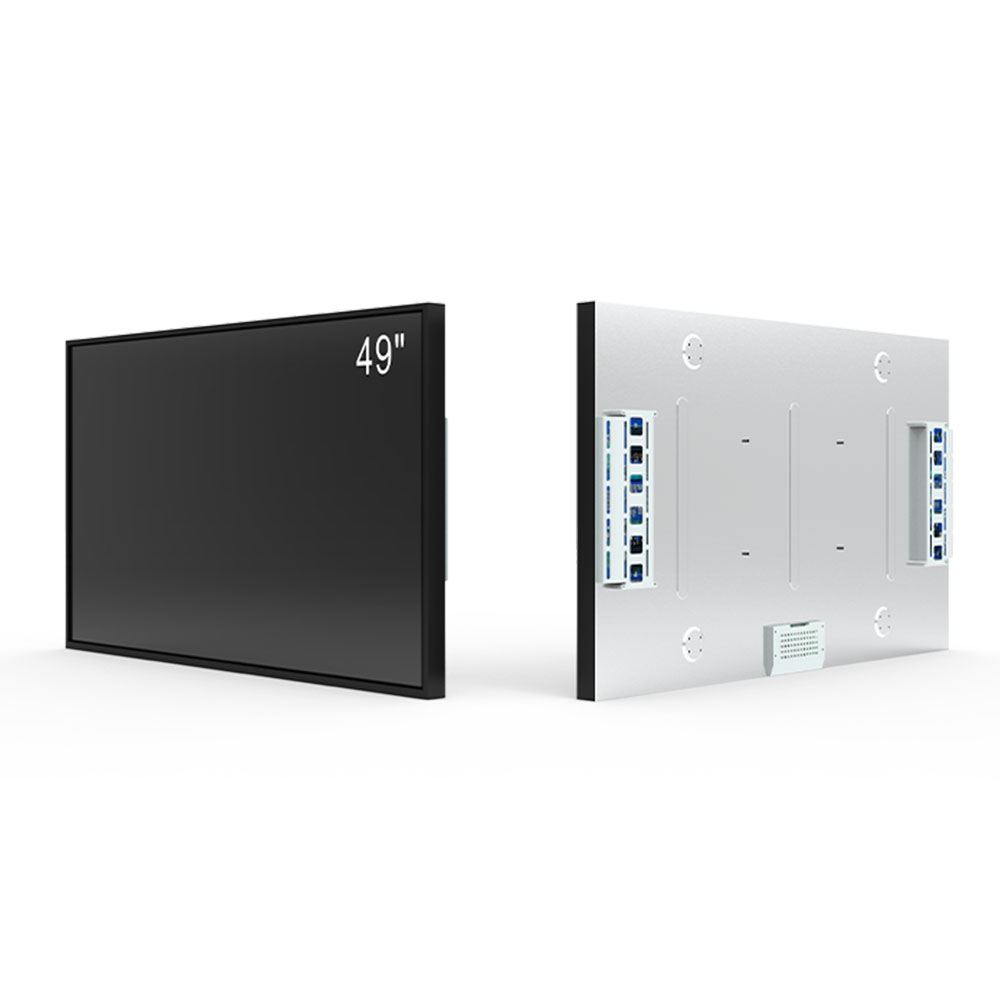
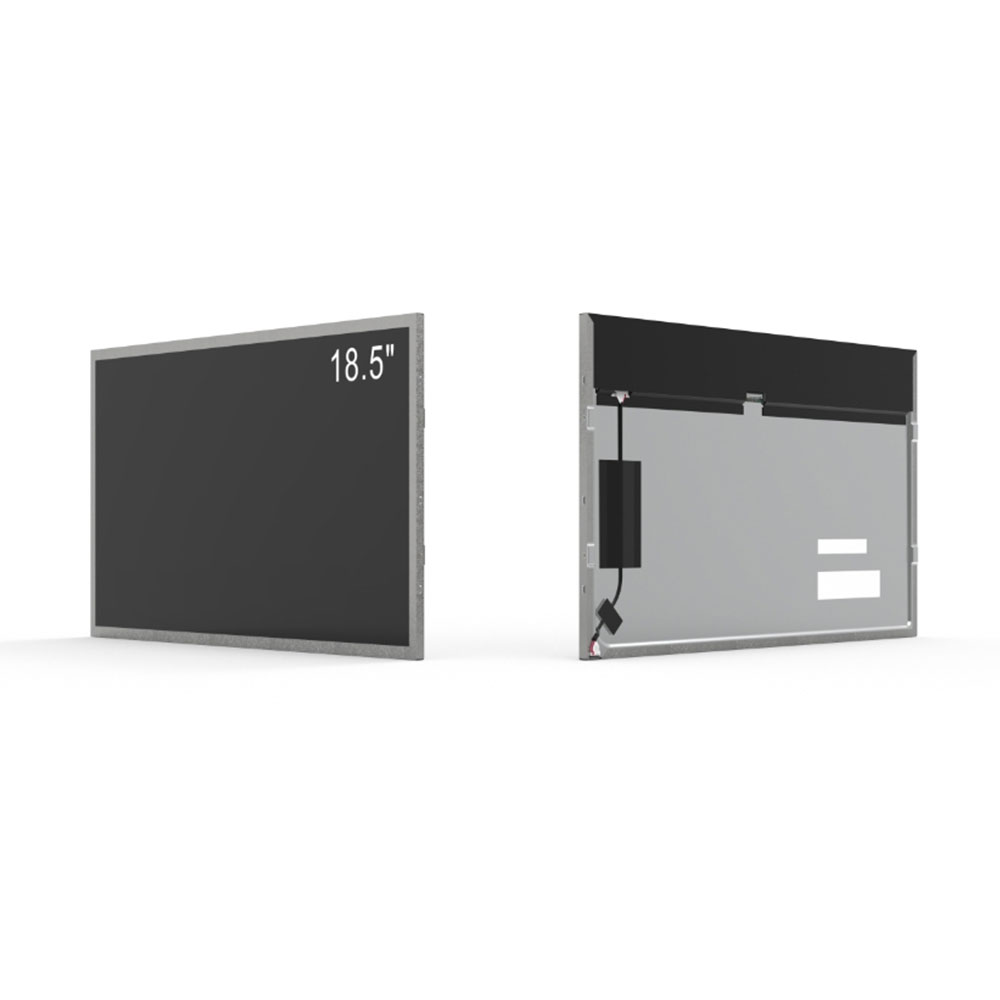
High-brightness sunlight-readable LCD screens are a critical component in modern outdoor digital signage, industrial control systems, military equipment, and automotive displays. Designed to maintain visibility under direct sunlight—where ambient light can exceed 100,000 lux—these displays utilize advanced technologies such as high-luminance LED backlights, anti-reflective coatings, and optimized contrast ratios to ensure readability in extreme conditions.
One of the most prominent applications is in public transportation systems, such as bus stop information boards or train station displays, where clear visibility is essential for passenger safety and operational efficiency. For instance, Siemens and Alstom have integrated sunlight-readable LCDs into their transit signage solutions across Europe and Asia, reducing miscommunication incidents by up to 45% compared to standard indoor displays. In the defense sector, ruggedized LCDs with brightness levels exceeding 5,000 nits are used in armored vehicles and command centers, meeting MIL-STD-810G standards for durability and performance in harsh environments.
Advantages of high-brightness sunlight-readable LCDs include superior visibility in bright daylight, reduced need for manual brightness adjustments, and extended operational life due to efficient thermal management. They also offer better energy efficiency than older CRT-based systems and support wide viewing angles (typically ≥170°), ensuring consistent image quality from multiple positions—a key feature in crowded urban environments like shopping malls or airports.
Despite these benefits, common problems persist. One major issue is overheating in high-temperature environments, which can degrade pixel performance and shorten lifespan. Another challenge is color accuracy degradation under varying lighting conditions, especially when ambient light shifts rapidly—from shade to sun. Recent innovations address these issues through adaptive brightness algorithms that dynamically adjust luminance based on real-time ambient light sensors and improved panel materials like IPS (In-Plane Switching) and OLED hybrids, which provide higher contrast and better color stability.
The latest trend involves integrating AI-driven display optimization. Companies like LG Display and BOE Technology are embedding machine learning models into controller ICs that analyze environmental data (light intensity, temperature, motion) to auto-optimize display parameters. This not only enhances user experience but also reduces power consumption by up to 20%. Additionally, the growing adoption of 5G-enabled outdoor kiosks is driving demand for ultra-high-brightness LCDs (≥3,000 nits) with built-in IoT connectivity, enabling remote diagnostics and firmware updates—an important advancement for maintenance-heavy deployments in smart cities.
According to market research from MarketsandMarkets (2024), the global sunlight-readable display market is projected to grow at a CAGR of 9.3% from 2024 to 2030, driven by increasing infrastructure investment in smart cities and autonomous vehicle technologies. These trends underscore the importance of investing in high-brightness LCD technology for both performance and long-term ROI in outdoor applications.