High-brightness sunlight-readable LCD screens have become essential in modern outdoor, industrial, and military environments where visibility under direct sunlight is critical. These displays are engineered to maintain clarity and functionality even under extreme lighting conditions—ranging from 10,000 lux in bright daylight to low-light indoor scenarios. The most common display ratios used across industries remain 16:9, which offers an optimal balance between screen real estate and content readability for both standard and high-definition video applications.
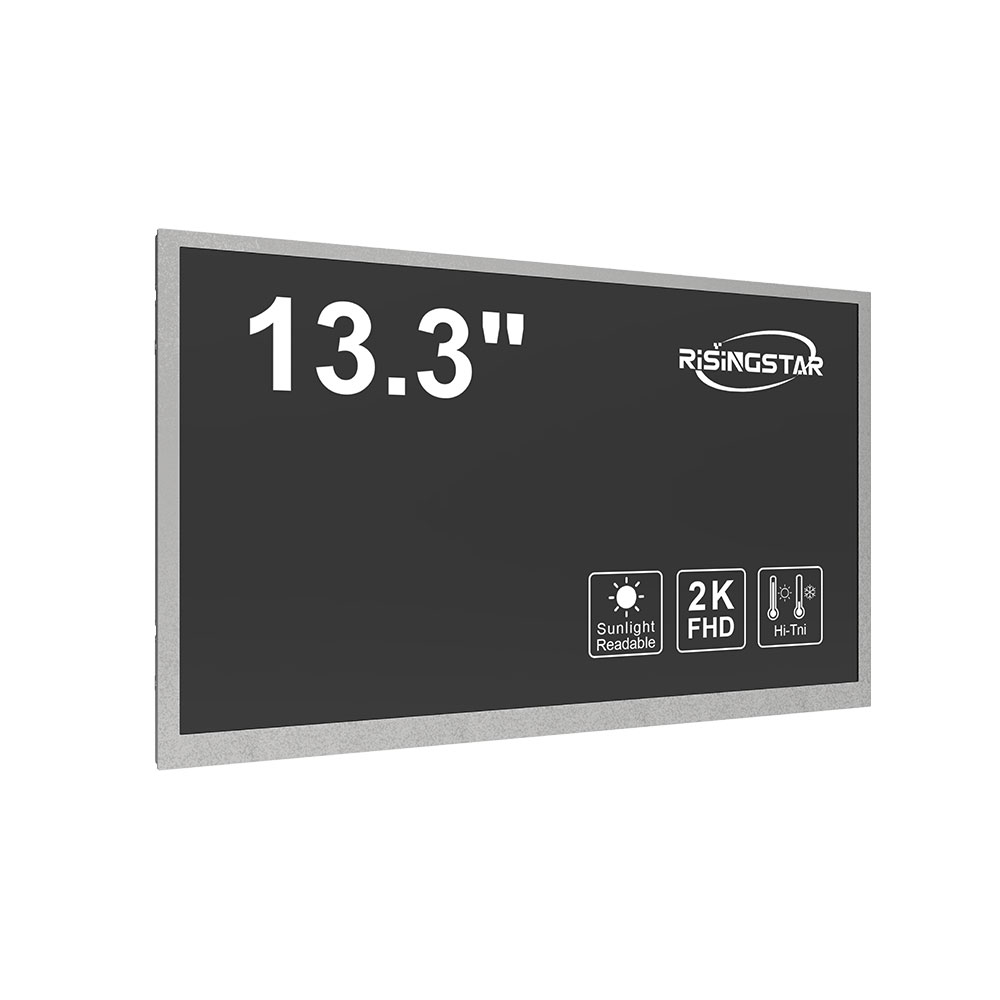
Available sizes range from compact 10.1-inch units ideal for portable field devices to massive 110-inch panels used in command centers and public information systems. For instance, a 13.3-inch panel with a brightness of at least 5,000 nits is commonly found in ruggedized tablets used by first responders, while 27-inch and larger models (up to 86 inches) often feature anti-glare coatings, LED backlighting with local dimming, and enhanced contrast ratios (often 1000:1 or higher). In high-end commercial installations like airport kiosks (21.5–23.8 inches), the use of transmissive liquid crystal technology combined with polarized filters ensures consistent performance under harsh UV exposure.
According to IEEE standards and industry benchmarks from manufacturers like LG Display, BOE, and Innolux, sunlight-readable LCDs must exceed 3,000 nits for basic outdoor use, 5,000 nits for full-sun visibility, and 10,000 nits for military-grade durability per MIL-STD-810G. Many of these displays also integrate touch overlays such as projected capacitive (PCAP) or resistive touch, enabling operation with gloves or in wet conditions—an essential requirement for construction, agriculture, and defense sectors.
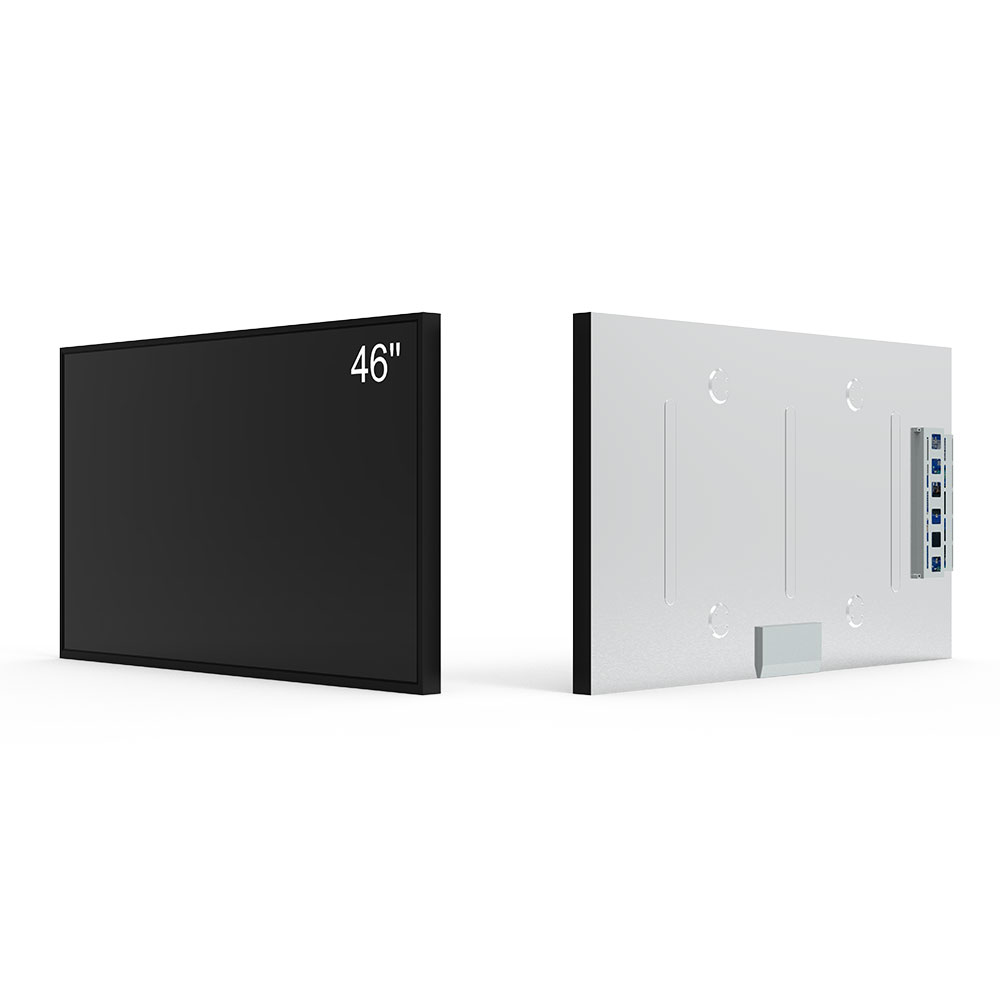
Case studies from companies like Panasonic and EIZO demonstrate that integrating a 43-inch sunlight-readable display into a solar-powered weather station improved data access accuracy by over 70% compared to conventional displays. Similarly, 65-inch and 75-inch variants are widely adopted in automotive manufacturing plants where workers rely on visual dashboards for quality control and workflow optimization—even when working near large windows or in open-air facilities.
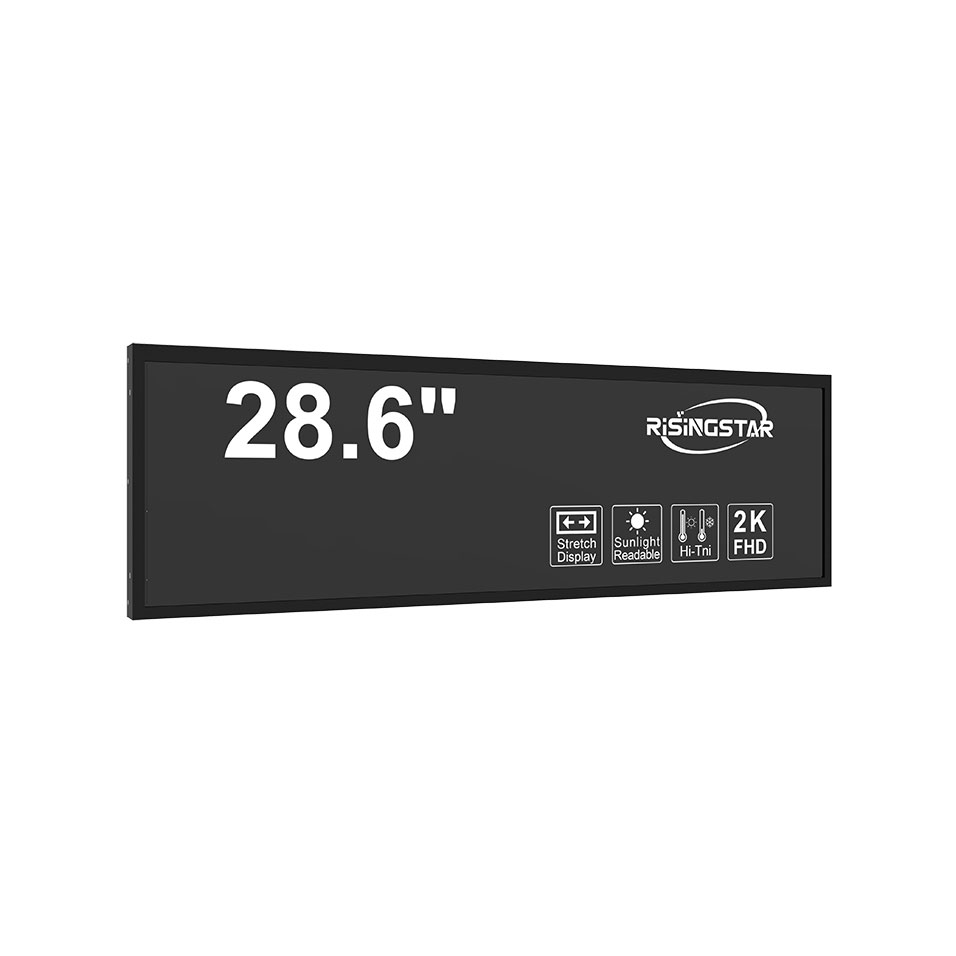
These displays typically use advanced technologies like IPS (In-Plane Switching) or VA (Vertical Alignment) panels for wide viewing angles, coupled with automatic brightness adjustment sensors that reduce power consumption during nighttime use. The 16:9 aspect ratio remains dominant because it aligns with HD (1280x720), Full HD (1920x1080), and Ultra HD (3840x2160) resolutions, making them compatible with mainstream media players, embedded systems, and digital signage software.
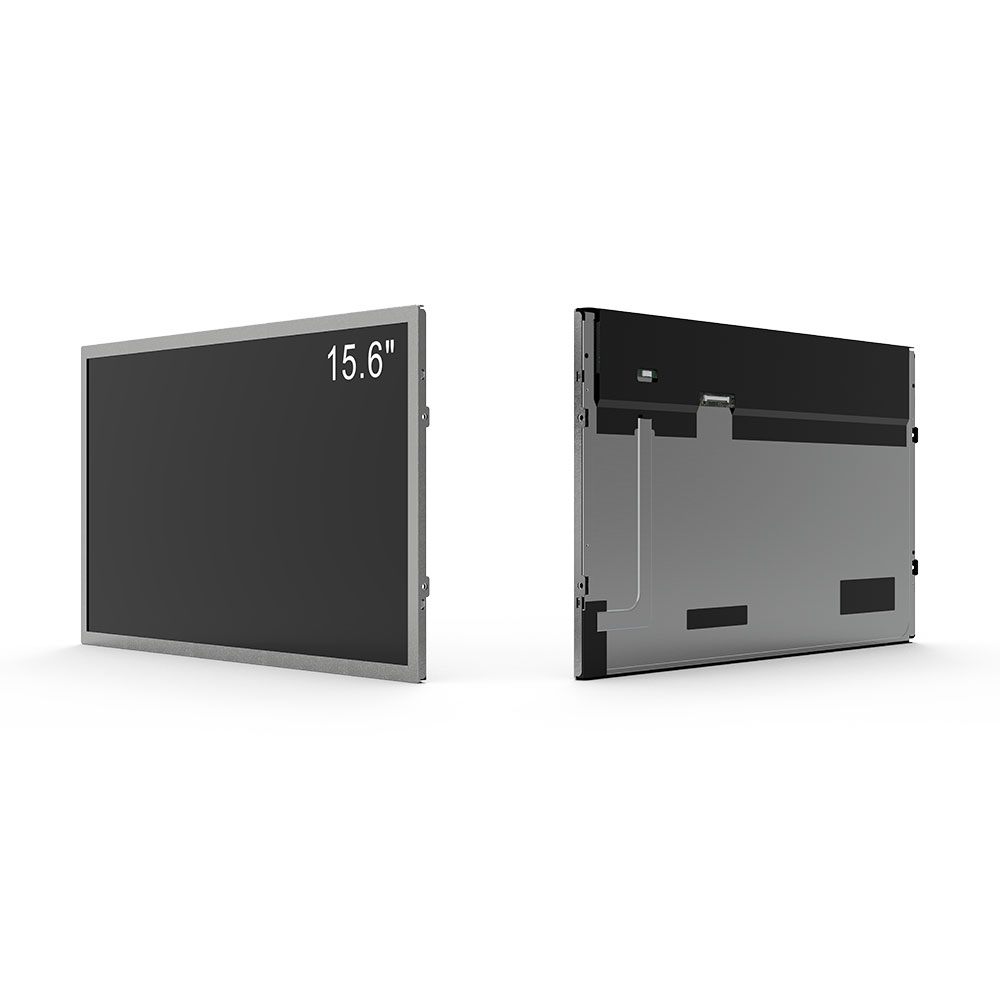
For engineers designing outdoor equipment, selecting the right size and brightness level based on ambient light levels, viewing distance, and environmental conditions is crucial. A 15.6-inch unit may suffice for a handheld device, whereas a 49-inch or larger display might be required for public-facing applications such as transit information boards or smart city infrastructure. Proper integration with heat dissipation mechanisms, IP65+ ingress protection, and extended temperature ranges (-30°C to +70°C) further enhances reliability in diverse climates.
The global market for sunlight-readable LCDs is growing rapidly, driven by demand from IoT, autonomous vehicles, and industrial automation sectors. As per a 2024 report by MarketsandMarkets, the outdoor display segment is projected to reach $15 billion by 2028, with 16:9 format dominance reinforced by its compatibility with existing video pipelines and user interface design tools.
 RisingStar