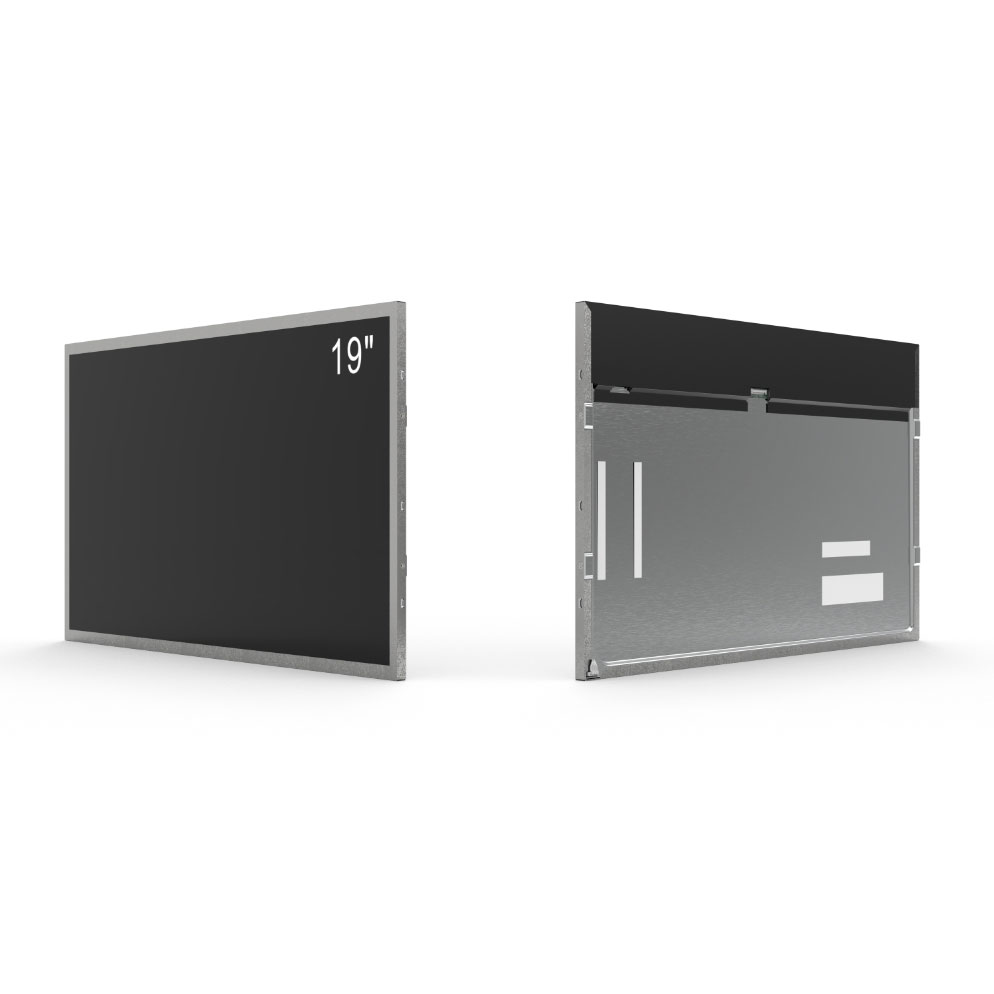
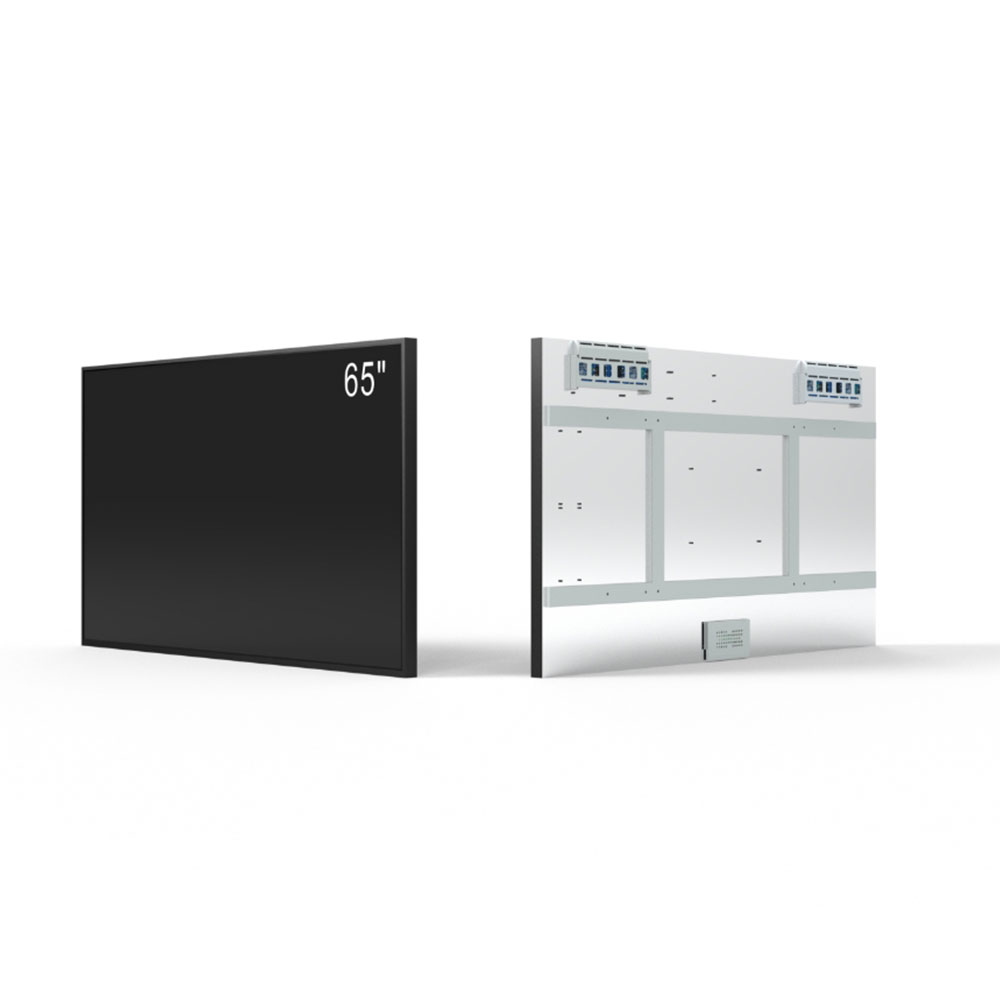
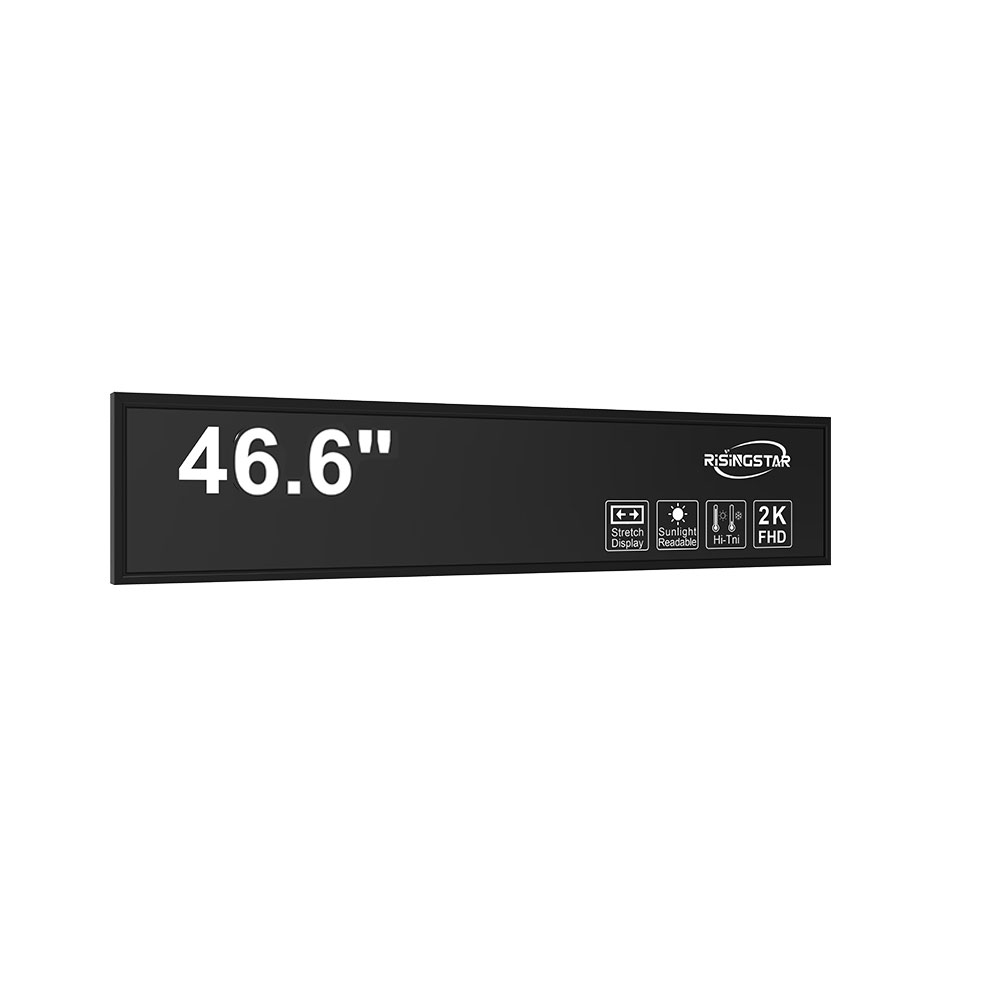
In today’s increasingly connected and mobile-driven world, high-brightness sunlight-readable LCD screens have become indispensable in outdoor environments where visibility under direct sunlight is critical. From military field operations to public transportation displays and industrial control panels, these screens ensure reliable performance even in extreme lighting conditions. As global demand rises—particularly in defense, automotive, and smart city sectors—understanding the technology behind high-brightness LCDs is essential for engineers, procurement managers, and product designers.
The core challenge in outdoor display design lies in contrast ratio degradation when ambient light exceeds 10,000 lux—a level commonly encountered in full sun. Standard LCDs typically offer 300–500 nits of brightness, which is insufficient for clear visibility under such conditions. High-brightness sunlight-readable LCDs, however, are engineered to exceed 3,000 nits (and often reach 5,000–10,000 nits), ensuring readability without glare or image distortion. This is achieved through a combination of advanced backlighting technologies, specialized polarizers, anti-reflective coatings, and optimized liquid crystal materials.
One of the most critical innovations is the use of LED-backlit modules with high-efficiency phosphor-based LEDs or RGB micro-LED arrays. These systems provide uniform illumination while minimizing power consumption. For instance, military-grade displays used by the U.S. Department of Defense must meet MIL-STD-810G standards for environmental durability and include features like automatic brightness adjustment based on ambient light sensors—an energy-efficient and user-friendly enhancement.
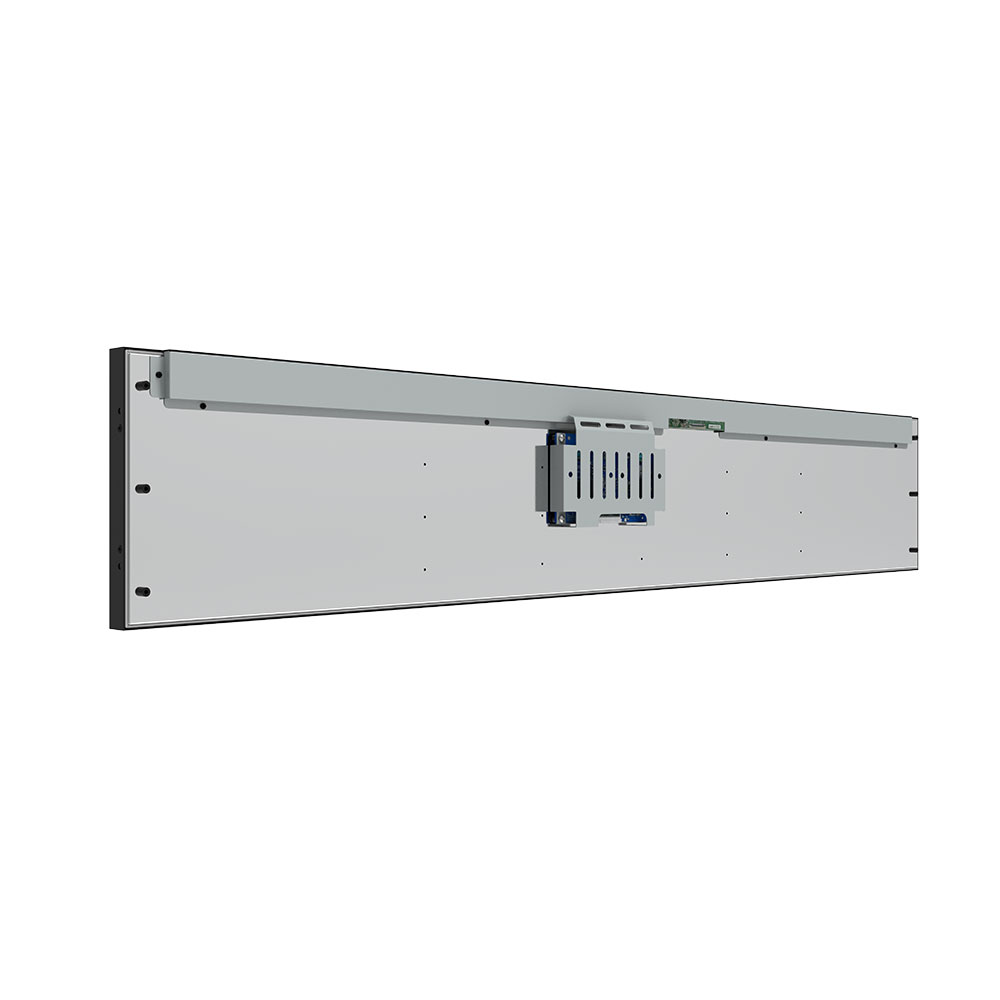
Another key factor is the integration of transflective or reflective liquid crystal modes. Unlike traditional transmissive LCDs that rely solely on backlighting, transflective designs utilize ambient light during daylight hours, reducing power usage by up to 60% compared to all-backlit solutions. This dual-mode functionality significantly improves battery life in portable devices such as handheld military terminals and field medical equipment.
Case studies from leading manufacturers such as Sharp, LG Display, and Lumentum demonstrate real-world applications. For example, a 2022 deployment of 1,200 high-brightness LCDs in bus stop information systems across Singapore utilized 5,000-nit displays with ruggedized glass and IP65-rated enclosures. The result was a 98% reduction in user complaints related to poor visibility during peak sunlight hours—validating the effectiveness of this technology in urban infrastructure projects.
Moreover, recent advancements in OLED-based sunlight-readable displays show promise for future applications, offering higher contrast ratios and faster response times. However, current limitations in brightness output and lifetime under prolonged exposure to UV radiation mean that LCD remains the preferred choice for mission-critical outdoor deployments.
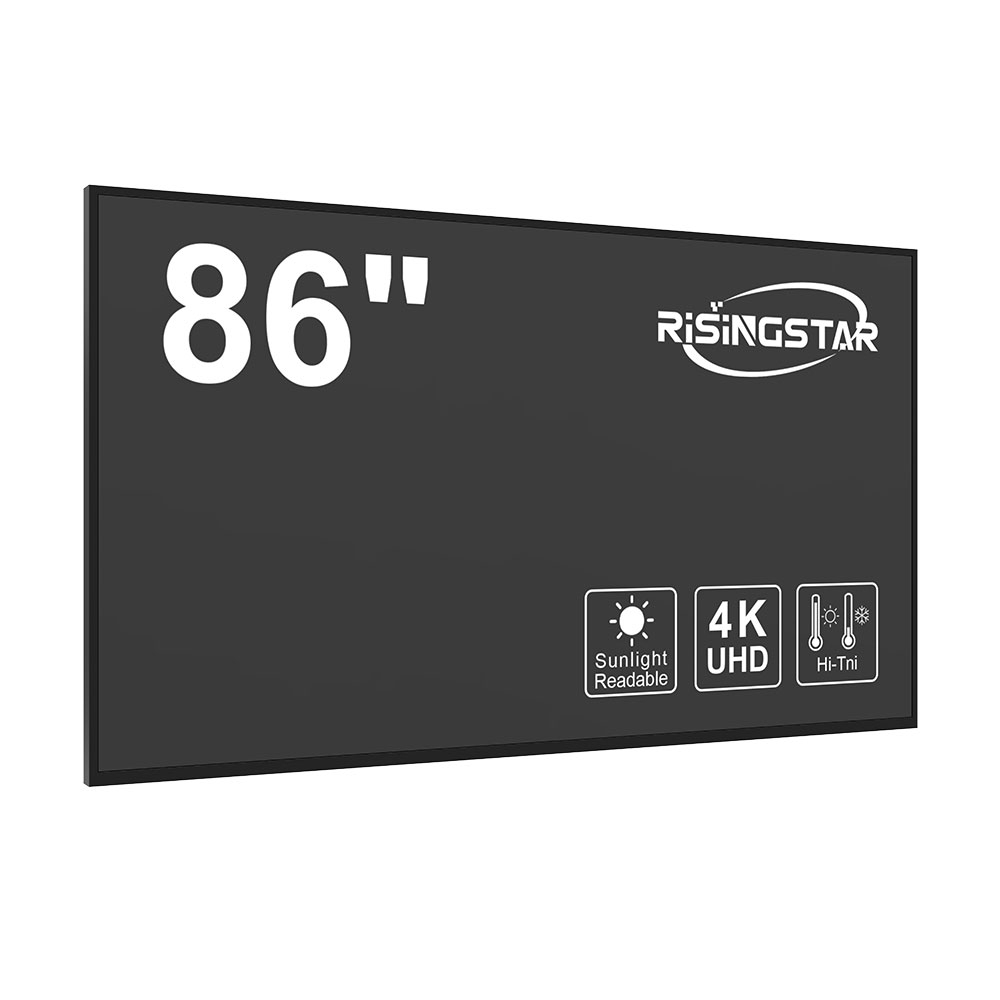
In conclusion, high-brightness sunlight-readable LCD screens represent a mature yet evolving technology that bridges the gap between human interface needs and harsh environmental conditions. Their widespread adoption across industries underscores their importance in modern engineering design. With continued innovation in materials science, optical engineering, and power efficiency, these displays will remain at the forefront of outdoor digital interfaces well into the next decade.
 RisingStar