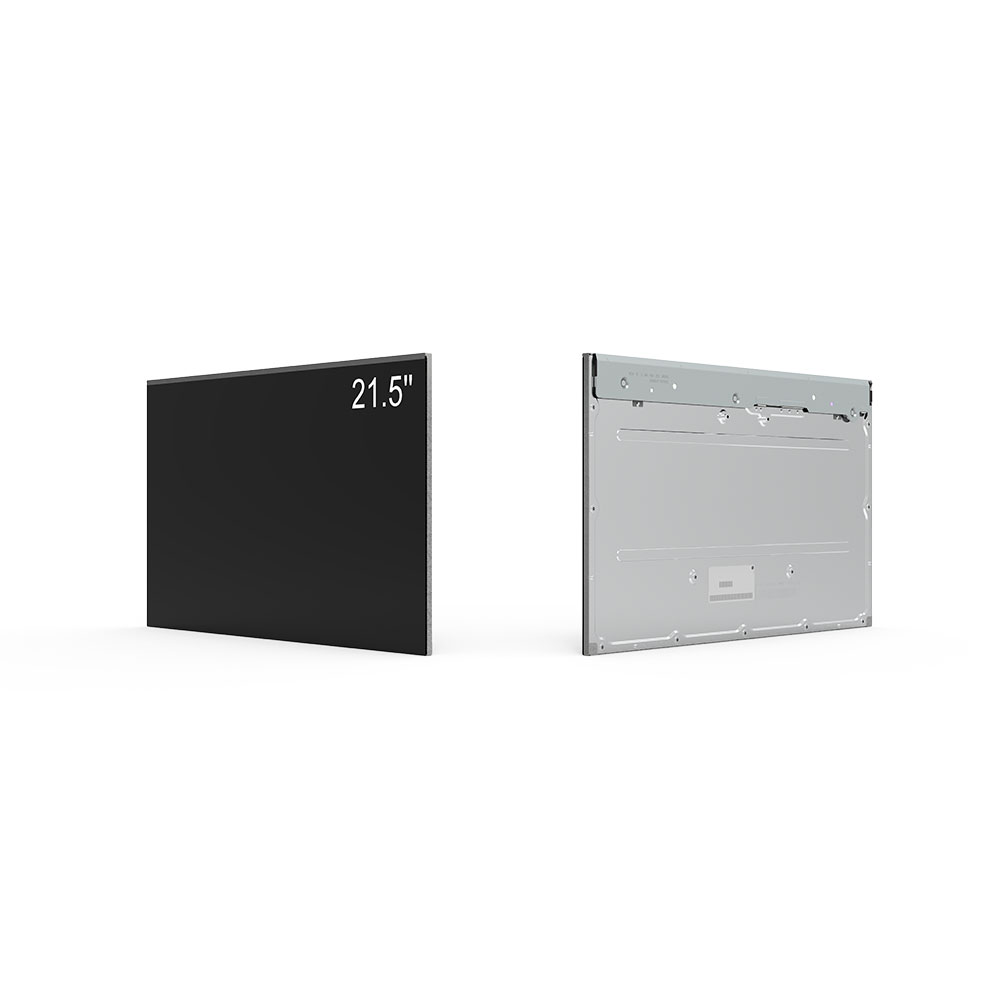
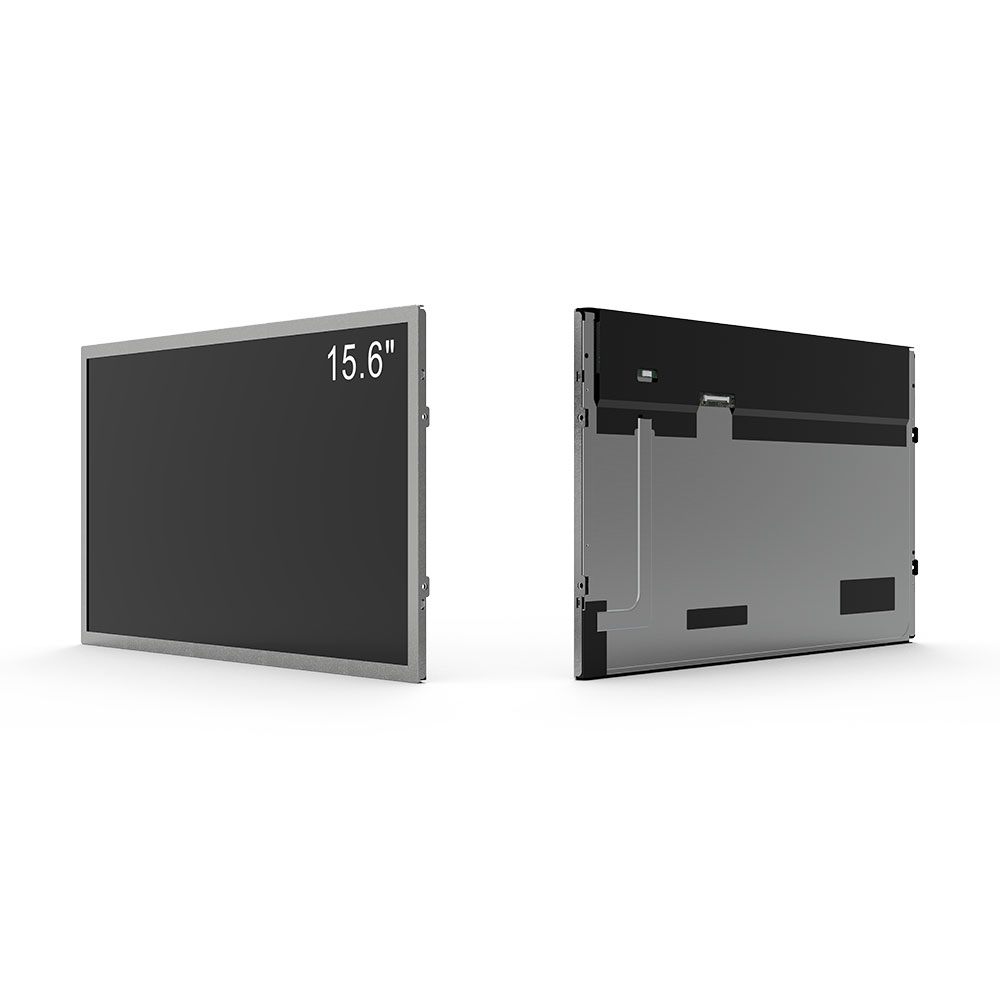
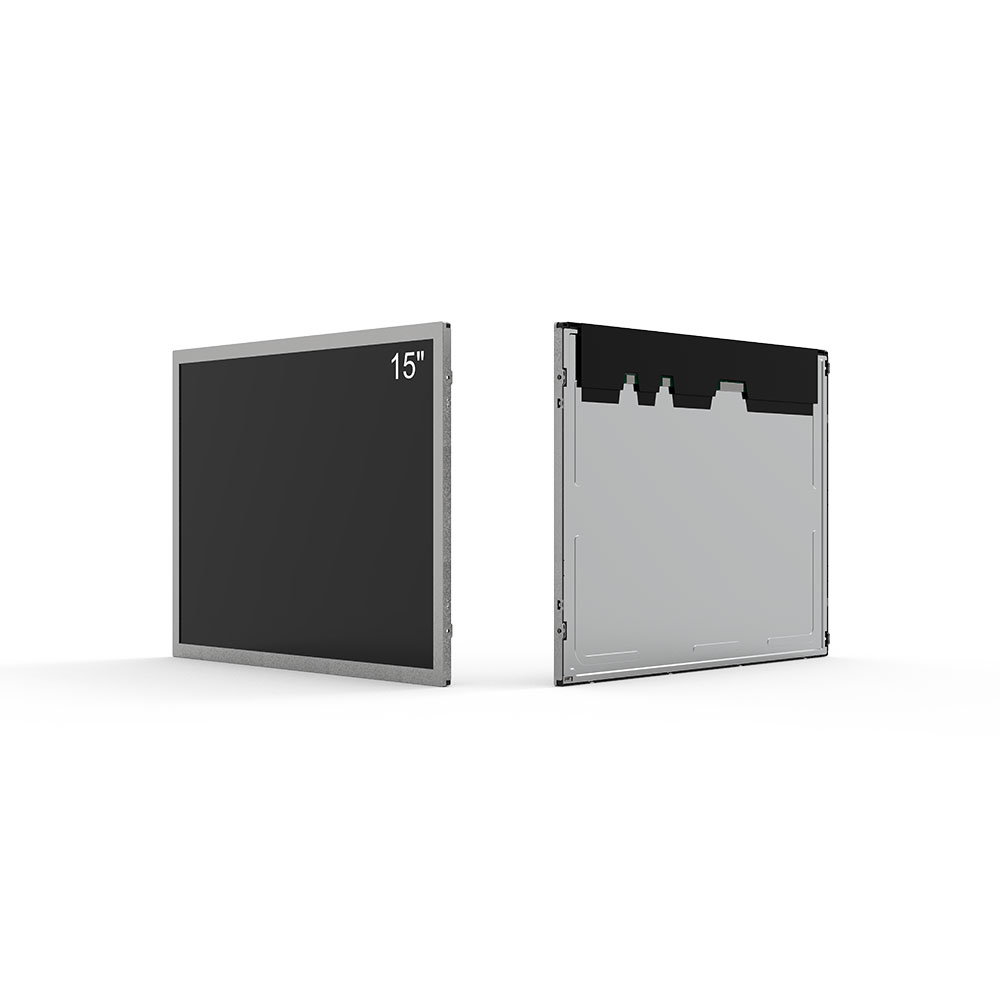
In today’s increasingly connected and mobile-driven world, high-brightness sunlight-readable LCD screens have become indispensable in outdoor environments where visibility under direct sunlight is critical. These displays are engineered to maintain clarity, contrast, and responsiveness even when exposed to intense solar radiation—common in automotive dashboards, industrial control panels, military equipment, and public information kiosks. The core challenge lies not only in achieving brightness levels sufficient to overcome ambient light but also in preserving color accuracy, power efficiency, and long-term reliability.
The most advanced sunlight-readable LCDs now exceed 5,000 nits of peak brightness—far surpassing standard indoor displays that typically operate at 250–500 nits. This is achieved through a combination of technologies: high-efficiency LED backlighting (often using RGB or white LEDs with diffusers), anti-reflective coatings on the glass surface, and active matrix thin-film transistor (TFT) technology optimized for wide viewing angles and fast response times. For instance, the U.S. Department of Defense mandates that military-grade displays meet MIL-STD-810G standards, which include environmental durability, temperature resistance, and sunlight readability—a benchmark many commercial manufacturers now strive to meet.
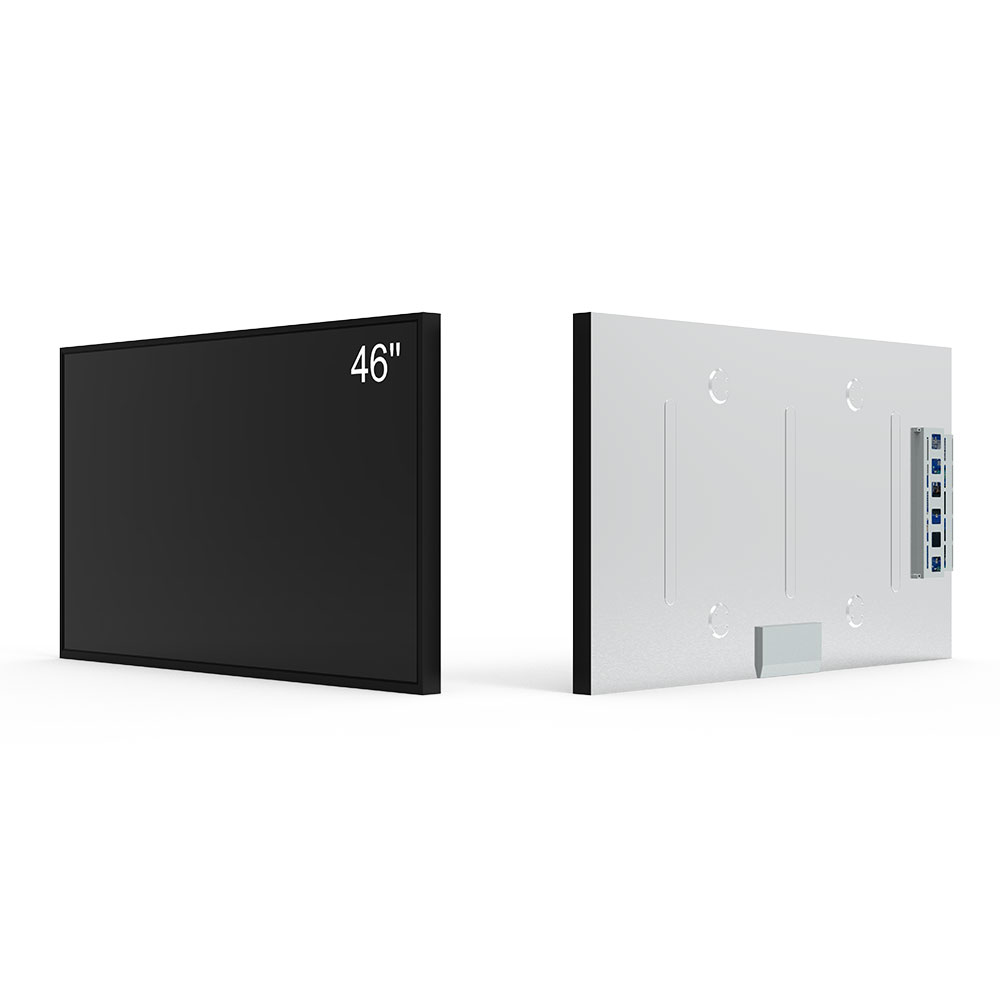
Case studies from industries such as aviation and construction further validate the importance of these displays. In aircraft cockpits, pilots rely on sunlight-readable LCDs for navigation and flight data, even during midday sun exposure. Similarly, construction machinery operators use ruggedized outdoor LCDs integrated into HUDs (Heads-Up Displays) to monitor load weights, GPS locations, and safety alerts without diverting attention from their surroundings. Companies like Sharp, LG Display, and Innolux have pioneered adaptive brightness systems that dynamically adjust luminance based on ambient light sensors, reducing power consumption by up to 40% while maintaining optimal visibility.
Beyond hardware, software calibration plays a crucial role. Modern drivers use algorithms to enhance contrast ratios automatically—especially important in high-contrast scenarios like black text on a bright background. Additionally, some models incorporate polarized filters or transflective liquid crystal layers, allowing them to function efficiently in both bright sunlight and low-light conditions. Such hybrid designs reduce reliance on external lighting, making them ideal for energy-sensitive applications like solar-powered IoT devices.
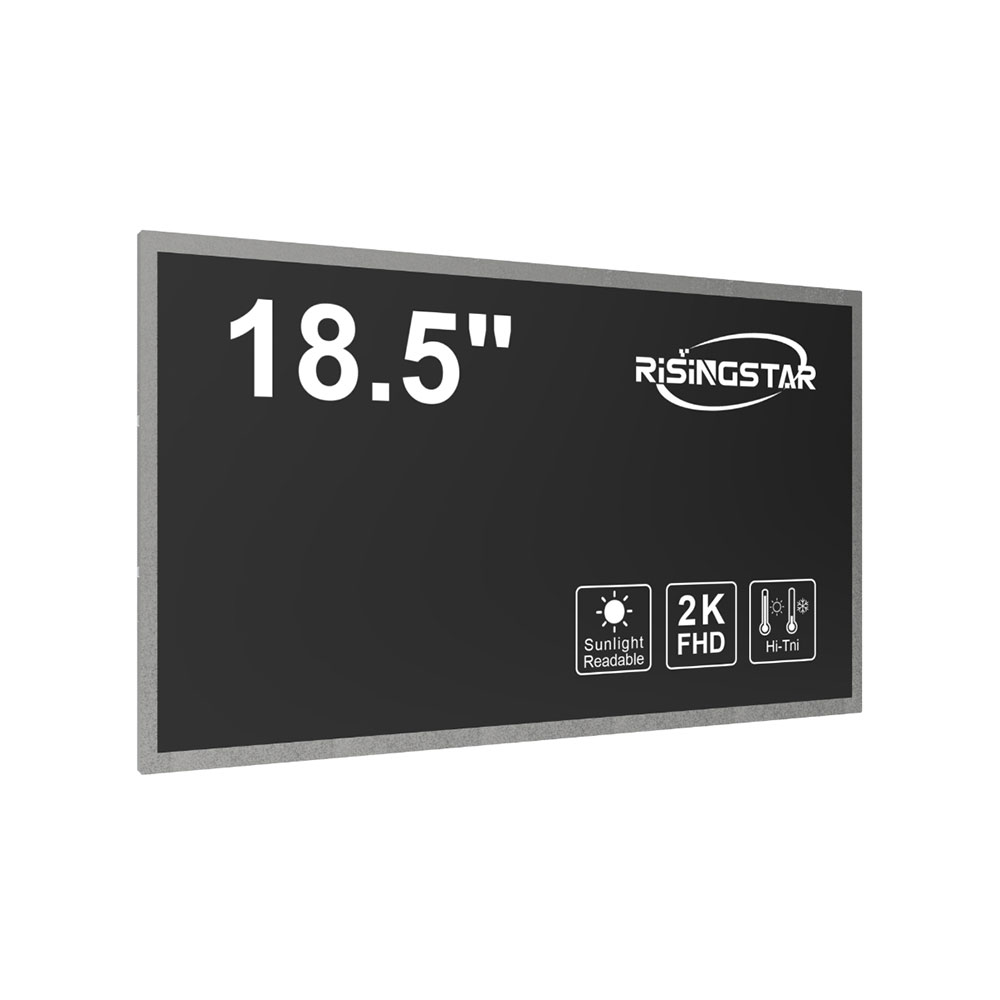
For developers and integrators, choosing the right display requires evaluating several parameters: luminance (measured in nits), viewing angle (typically ≥170°), IP rating for dust/water resistance (IP65 or higher), and thermal performance under extreme temperatures (-30°C to +70°C). Leading manufacturers now offer certified solutions compliant with ISO 9001 and RoHS standards, ensuring quality, safety, and environmental responsibility.
Ultimately, high-brightness sunlight-readable LCDs represent the convergence of optical engineering, materials science, and smart electronics. As demand grows across transportation, defense, healthcare, and smart city infrastructure, innovation in this space will continue to drive safer, more efficient, and more intuitive human-machine interfaces in outdoor settings.
 RisingStar