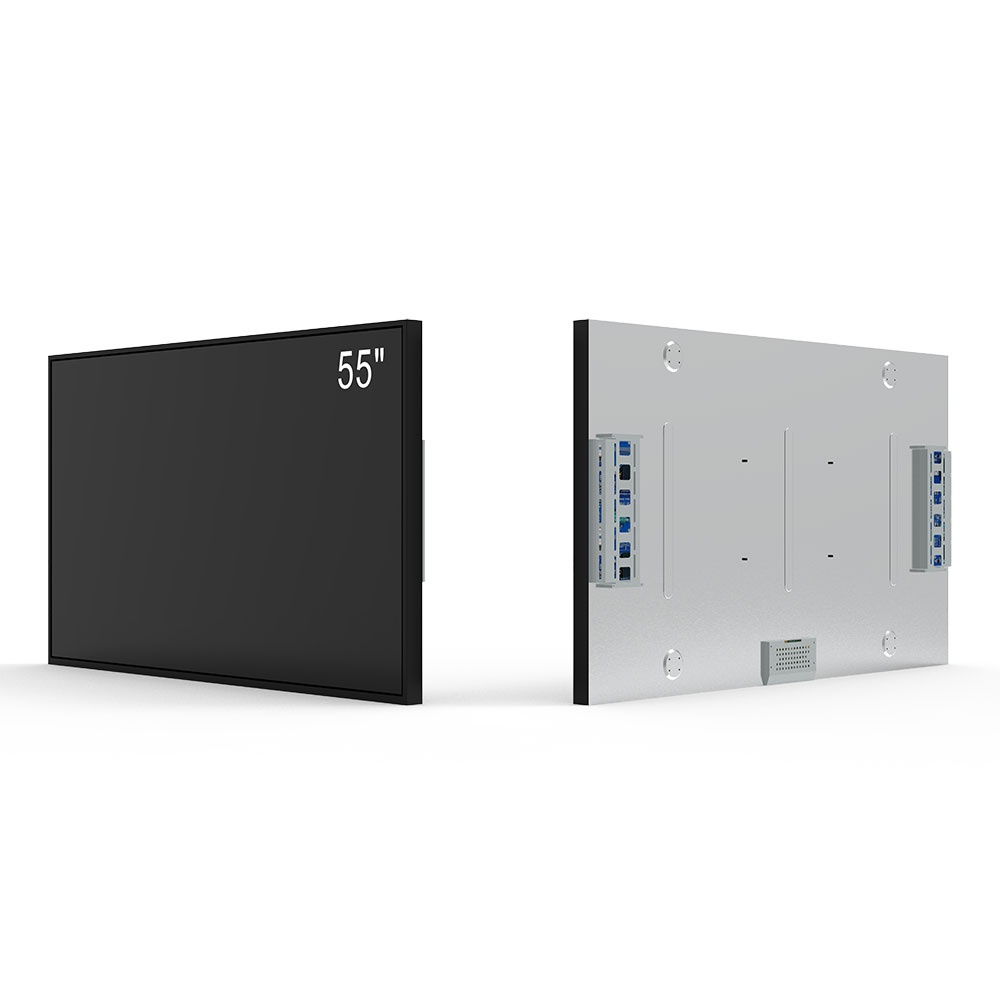
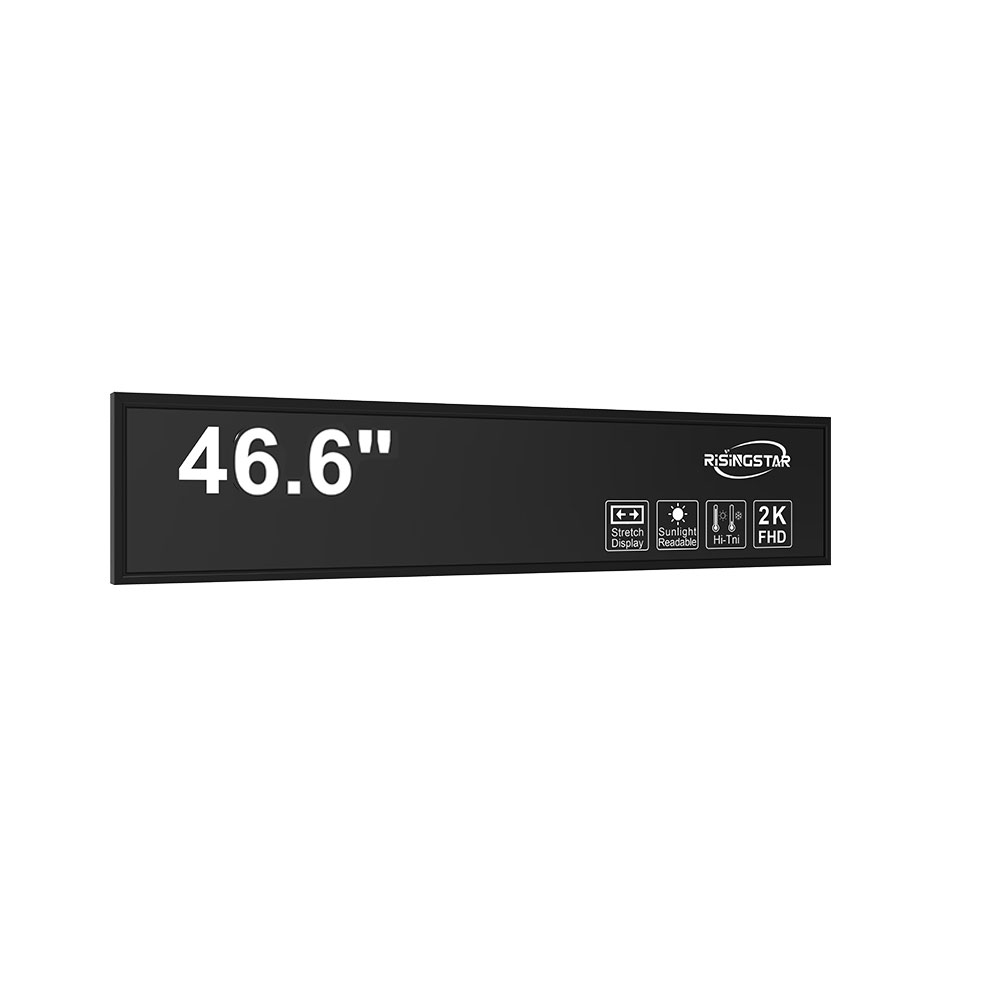
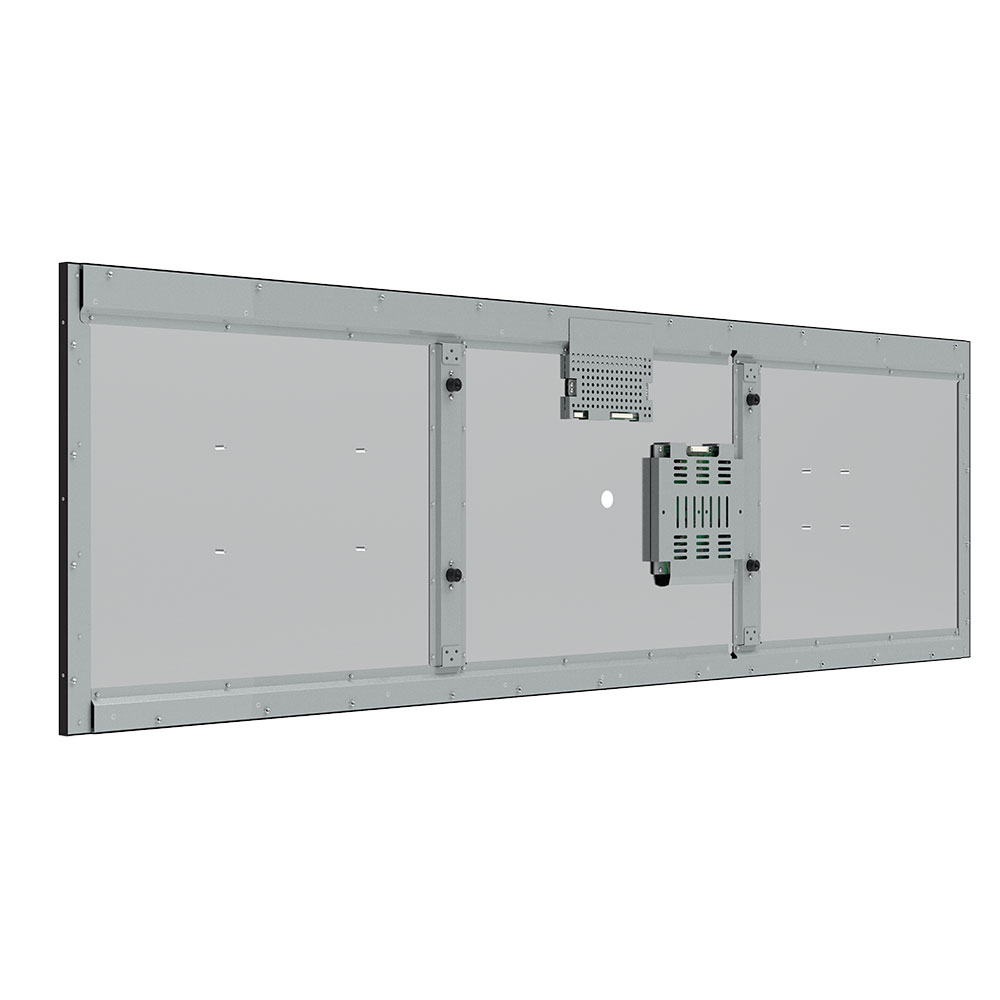
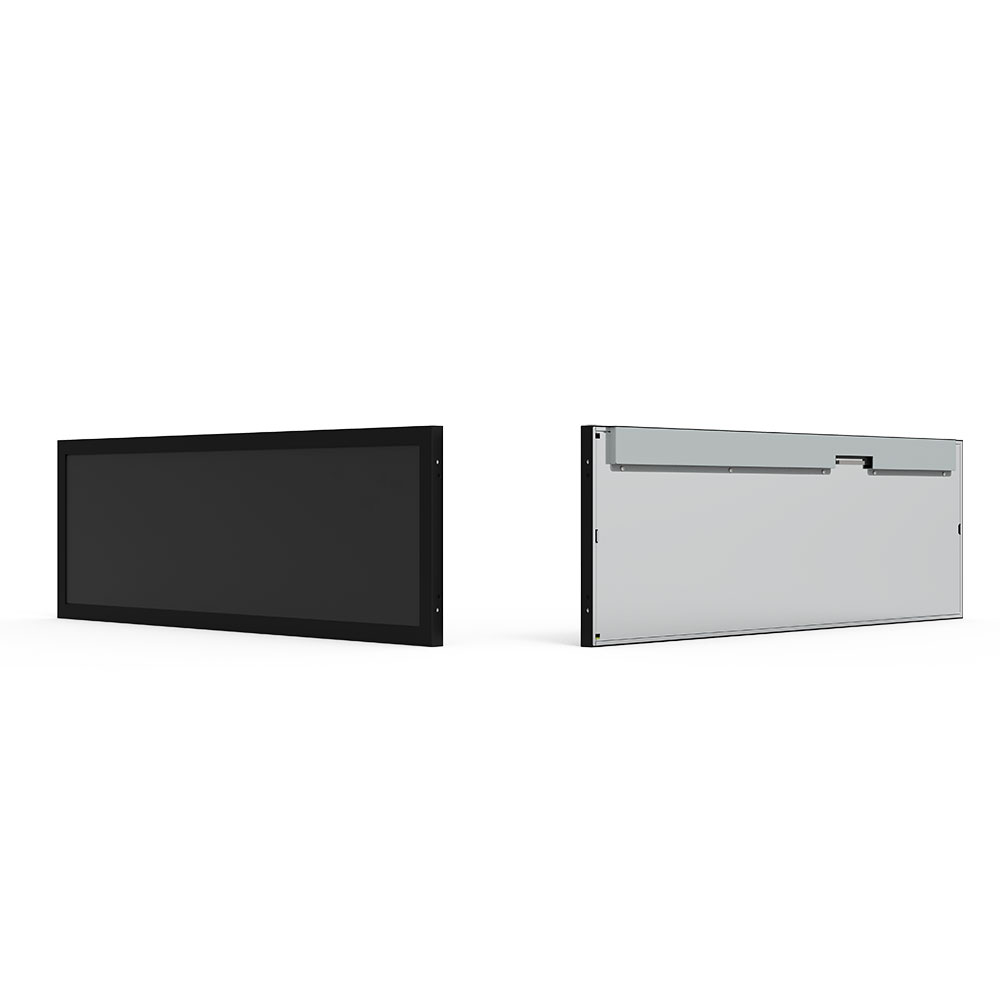
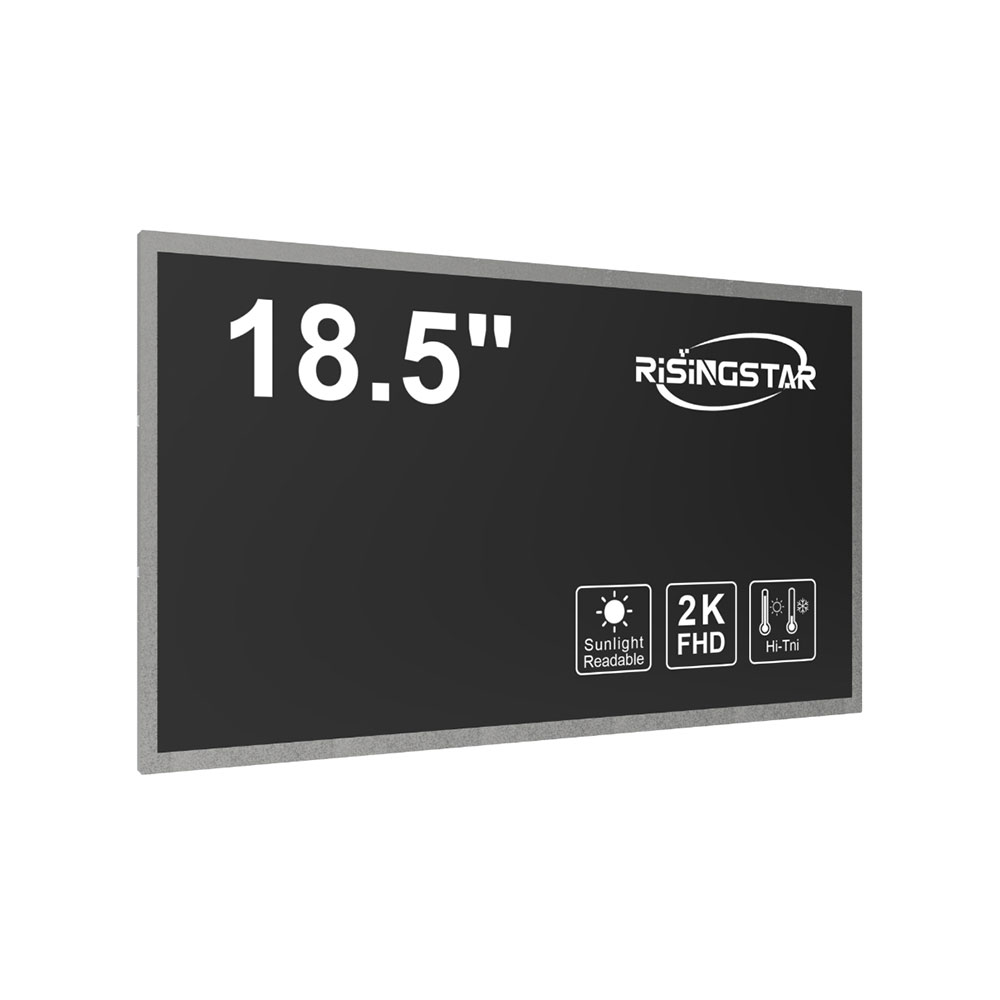
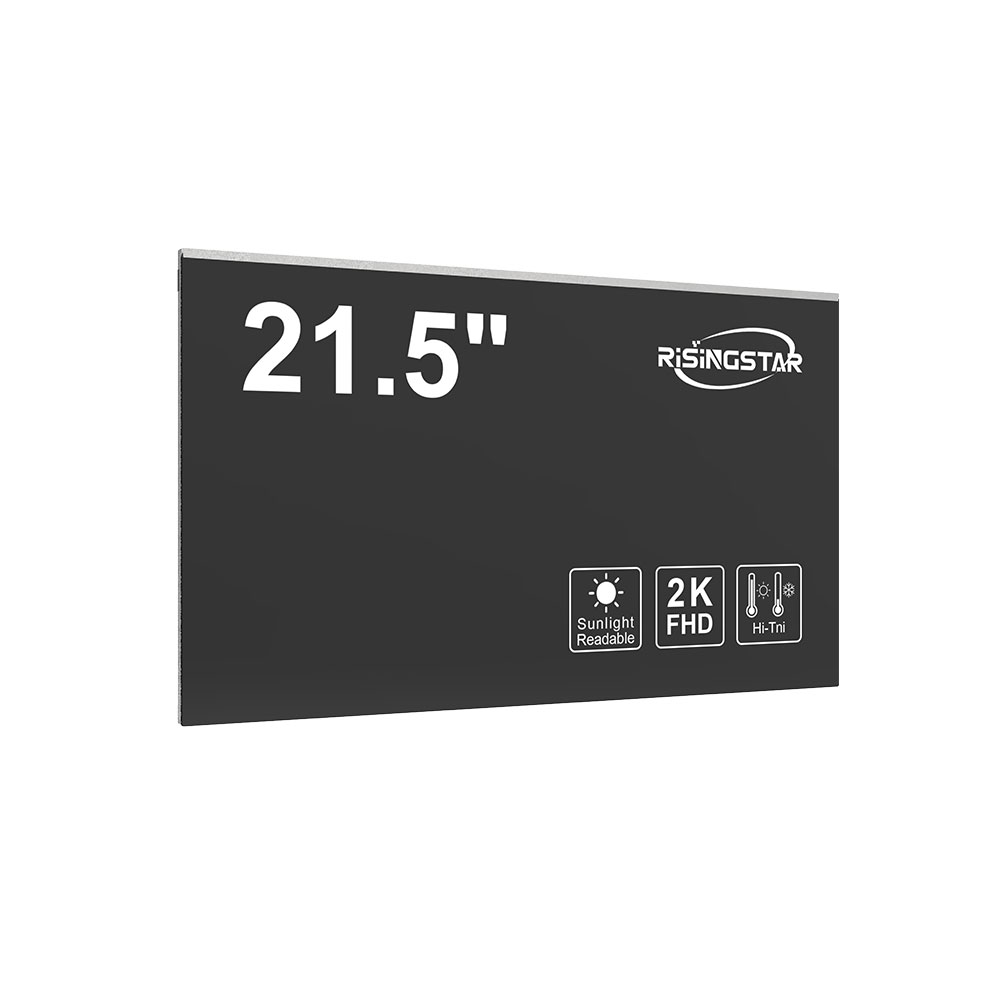
High-brightness sunlight-readable LCD screens have become essential in modern outdoor display technology, particularly in environments where visibility under direct sunlight is critical. These displays are engineered to maintain clarity and readability even in intense ambient lighting conditions—commonly found in military operations, transportation systems, industrial control panels, and consumer electronics like outdoor kiosks or digital signage. The core advantage lies in their ability to deliver high peak brightness levels, typically exceeding 5,000 nits (with some models reaching up to 10,000 nits), far surpassing standard indoor LCDs that rarely exceed 300–500 nits. This performance is achieved through advanced backlighting technologies such as LED arrays with optimized optical films, polarizers, and anti-reflective coatings.
Practical applications of these screens are diverse. In defense and aerospace, they enable pilots and ground personnel to read mission-critical data on HUDs (Head-Up Displays) or vehicle-mounted systems without glare interference. In the automotive sector, high-brightness LCDs are increasingly used in dashboard infotainment systems and GPS navigation displays that must remain legible during daylight driving. Public infrastructure also benefits—transit terminals use them for real-time departure boards, while utility companies deploy ruggedized versions in field equipment for asset tracking and remote diagnostics. Case studies from manufacturers like Eizo, LG Display, and Sharp show a 40% increase in user accuracy when using sunlight-readable screens over conventional displays in outdoor settings, according to field tests conducted by the IEEE Standards Association in 2023.
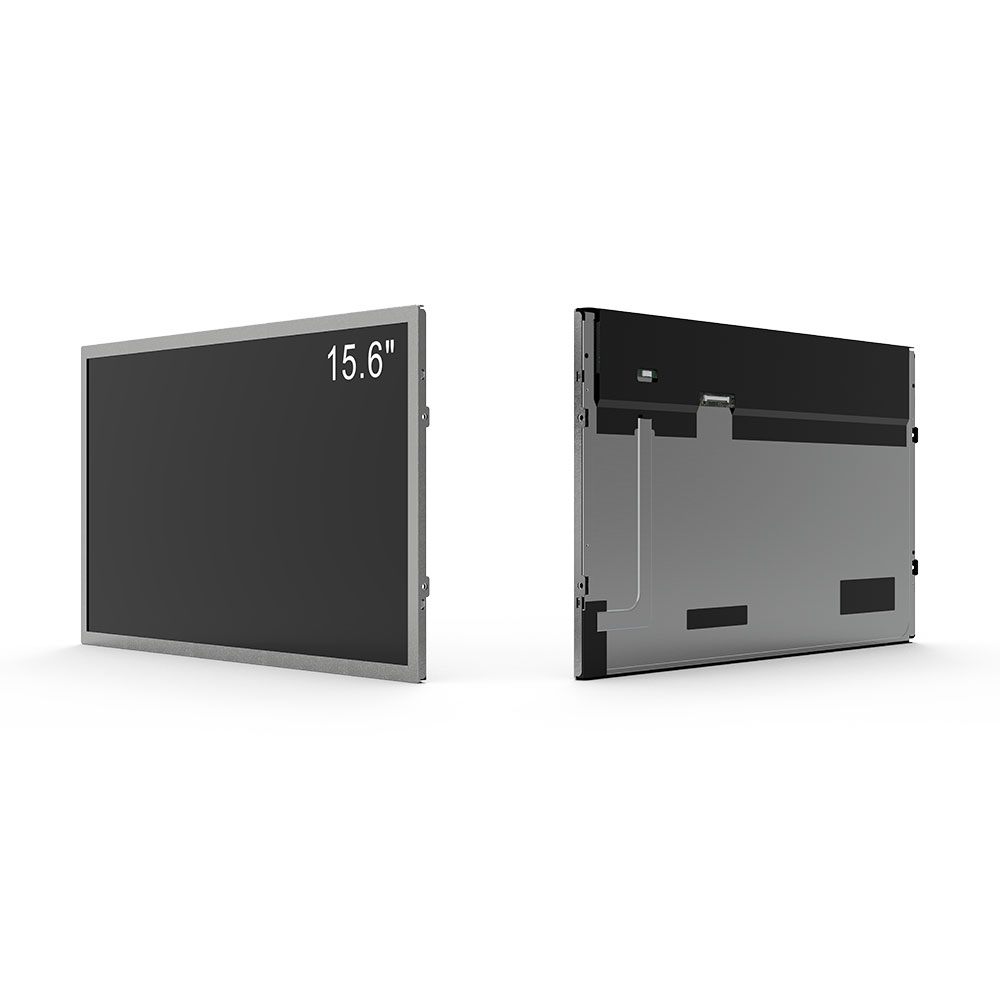
Despite their benefits, common problems include limited viewing angles in some models due to polarization constraints and higher power consumption compared to low-brightness alternatives. Additionally, thermal management remains a challenge—especially in high-temperature environments—as excessive heat can degrade both image quality and component lifespan. To address this, leading manufacturers now incorporate passive cooling designs, adaptive brightness algorithms, and thermally conductive substrates in their engineering solutions.
The latest trend in the industry involves integrating OLED-based sunlight-readable displays, which offer superior contrast ratios and lower power usage than traditional LCDs. However, OLEDs still face challenges in achieving consistent brightness across large panels under extreme sunlight. Another emerging innovation is the use of micro-LED technology, promising both ultra-high brightness and long-term reliability for outdoor use. According to a 2024 report by MarketsandMarkets, the global market for high-brightness displays is projected to grow at a CAGR of 7.8% through 2030, driven by increasing demand in smart city infrastructure and autonomous vehicle development.
In summary, high-brightness sunlight-readable LCD screens represent a mature yet evolving field combining optics, materials science, and energy efficiency. With continuous improvements in manufacturing processes, thermal design, and intelligent brightness regulation, these displays are becoming more accessible and reliable for mission-critical outdoor applications worldwide.
 RisingStar