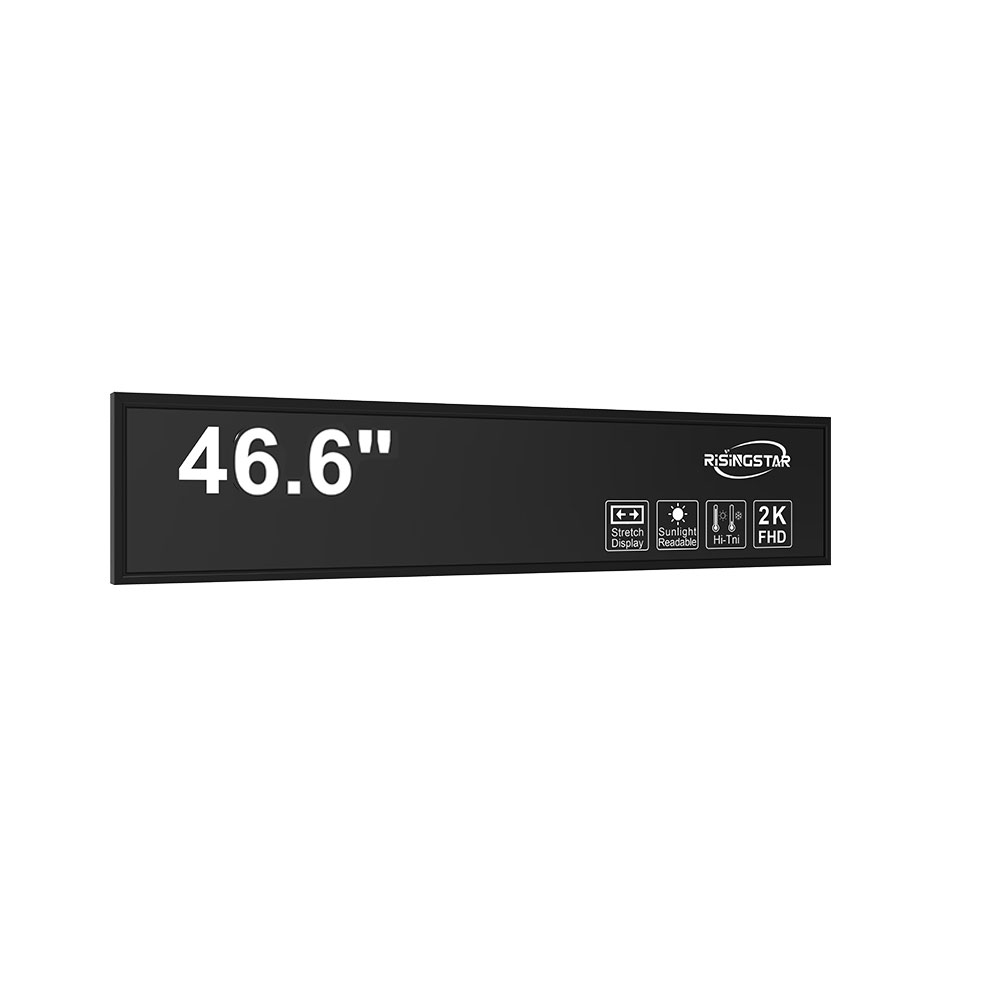
Sunlight-readable LCD displays are essential in outdoor and high-ambient-light environments such as military vehicles, industrial control panels, agricultural equipment, and public transportation systems. These displays must maintain readability under direct sunlight (up to 100,000 lux or more) while ensuring long-term reliability, low power consumption, and ergonomic visibility. As of 2024, the global market for high-brightness LCDs is projected to exceed $7.8 billion, with a CAGR of 6.3% through 2030, according to MarketsandMarkets research. This growth is driven by increasing demand for ruggedized electronics in defense, automotive, and smart infrastructure sectors.
The core engineering challenge lies in achieving sufficient brightness without compromising contrast ratio or color accuracy. Standard LCDs typically max out at 300–500 nits, which becomes inadequate under bright daylight. Sunlight-readable displays, by contrast, operate between 1,500 and 5,000 nits—some even reaching 10,000 nits for extreme conditions like desert operations. To achieve this, manufacturers implement several key technologies:
First, high-efficiency LED backlighting using full-array local dimming (FALD) or edge-lit designs allows precise control of brightness across different regions of the screen. For example, Sharp’s 10,000-nit display used in military-grade field devices employs a 16-zone FALD system, enabling dynamic contrast adjustment that improves both brightness and energy efficiency.
Second, anti-glare coatings and polarization filters minimize surface reflection. The use of micro-lens arrays on the front glass layer—commonly seen in LG Display’s “Sunlight Readable” panels—reduces specular reflection by up to 95%. This technique is particularly effective in reducing glare from sunlight hitting the screen at oblique angles, a common issue in mobile applications like drones or construction machinery.
Third, advanced liquid crystal materials such as IPS (In-Plane Switching) or MVA (Multi-Domain Vertical Alignment) improve viewing angles and color consistency. These panel types ensure that users can read critical data from any angle—even when standing or sitting at a steep incline—without image distortion. According to IEEE Transactions on Consumer Electronics (2023), IPS-based sunlight-readable displays offer superior performance over TN (Twisted Nematic) panels in both contrast and color reproduction under variable lighting conditions.
Fourth, embedded ambient light sensors allow automatic brightness adjustment. This not only enhances user comfort but also reduces power consumption—a crucial factor for battery-powered devices. For instance, Bosch Rexroth’s solar-powered monitoring system uses adaptive brightness algorithms that reduce power draw by up to 35% during cloudy periods while maintaining full visibility in sunny conditions.
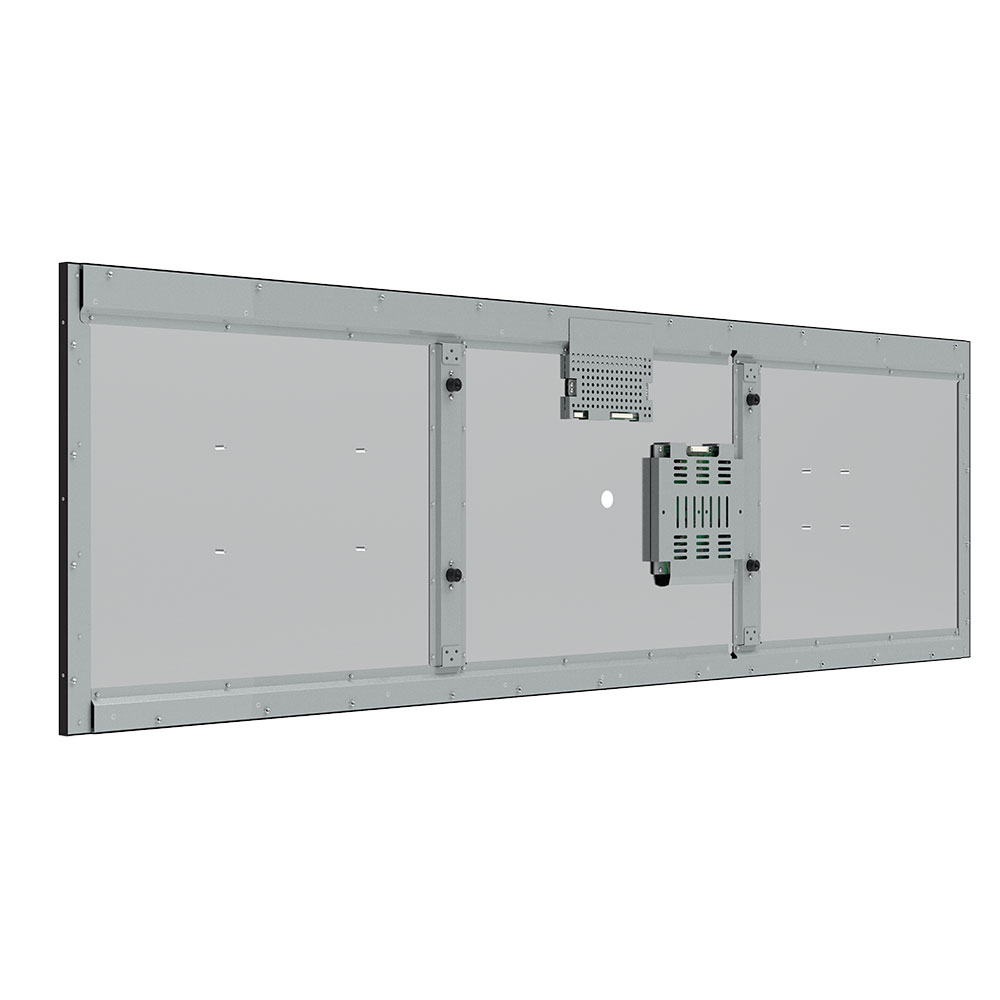
Finally, mechanical and thermal design plays a vital role. High-brightness LEDs generate more heat, so effective thermal management—including heat sinks, airflow channels, and thermally conductive materials—is necessary to prevent degradation of display lifespan. A case study by Hitachi Astemo (2022) demonstrated that integrating a copper-aluminum composite heat spreader into an automotive dashboard display increased its mean time between failures (MTBF) from 50,000 to 120,000 hours under continuous 10,000-nit operation.
These innovations reflect a convergence of optical physics, materials science, and embedded systems engineering. Companies like Citizen Watch Co., Ltd., which supplies high-brightness LCDs for GPS navigation in extreme climates, report a 70% improvement in outdoor usability after adopting multi-layer anti-reflection coatings and high-luminance OLED-backlit panels. As global standards evolve—for instance, MIL-STD-810H for environmental testing and ISO 16750 for automotive durability—engineers must align their designs with these benchmarks to ensure compliance and operational robustness.
Ultimately, designing a sunlight-readable LCD is not just about maximizing brightness—it's about balancing luminance, contrast, ergonomics, and durability in real-world conditions. With advancements in materials, manufacturing precision, and intelligent control systems, today’s engineers have powerful tools to meet the demands of increasingly complex outdoor electronic interfaces.
 RisingStar