RisingStar
- Home
- About Us
- Products
- News
- Video
- Contact
- Send Inquiry
Search
- Home
- About Us
- Products
- News
- Video
- Contact
- Send Inquiry
RisingStar
High-brightness sunlight-readable LCD screens are engineered to perform optimally in direct sunlight, making them essential in a variety of settings, including outdoor kiosks, transportation displays, and industrial environments. These specialized displays utilize advanced technologies to ensure that images and text remain clearly visible, even in bright conditions.
The core technology behind high-brightness LCDs involves increasing the backlight intensity. Standard LCDs typically feature brightness levels ranging from 200 to 400 nits, while high-brightness displays can exceed 1,500 nits. This enhanced luminance is achieved through the use of powerful LED backlighting and optical films that distribute light evenly across the display surface. For instance, multi-zone LED backlighting can dynamically adjust varying regions of the display to improve contrast and clarity depending on the content being shown.
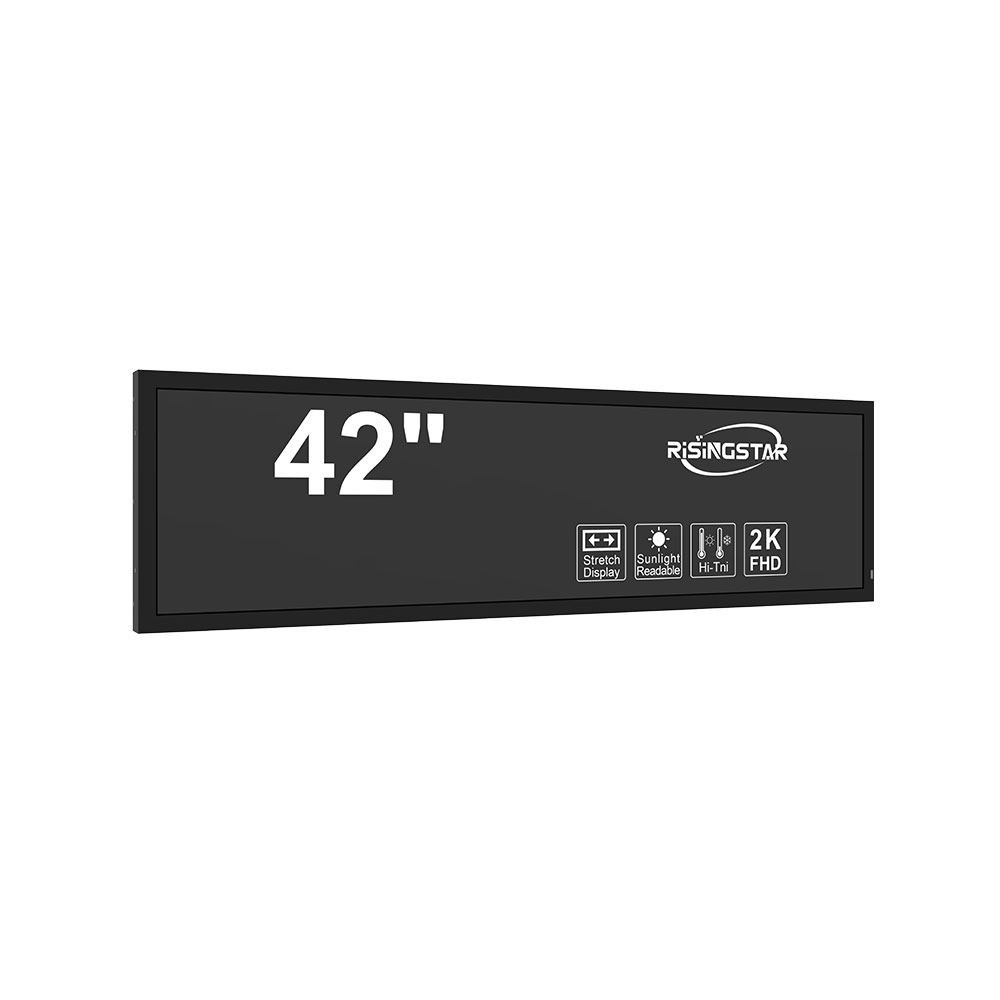
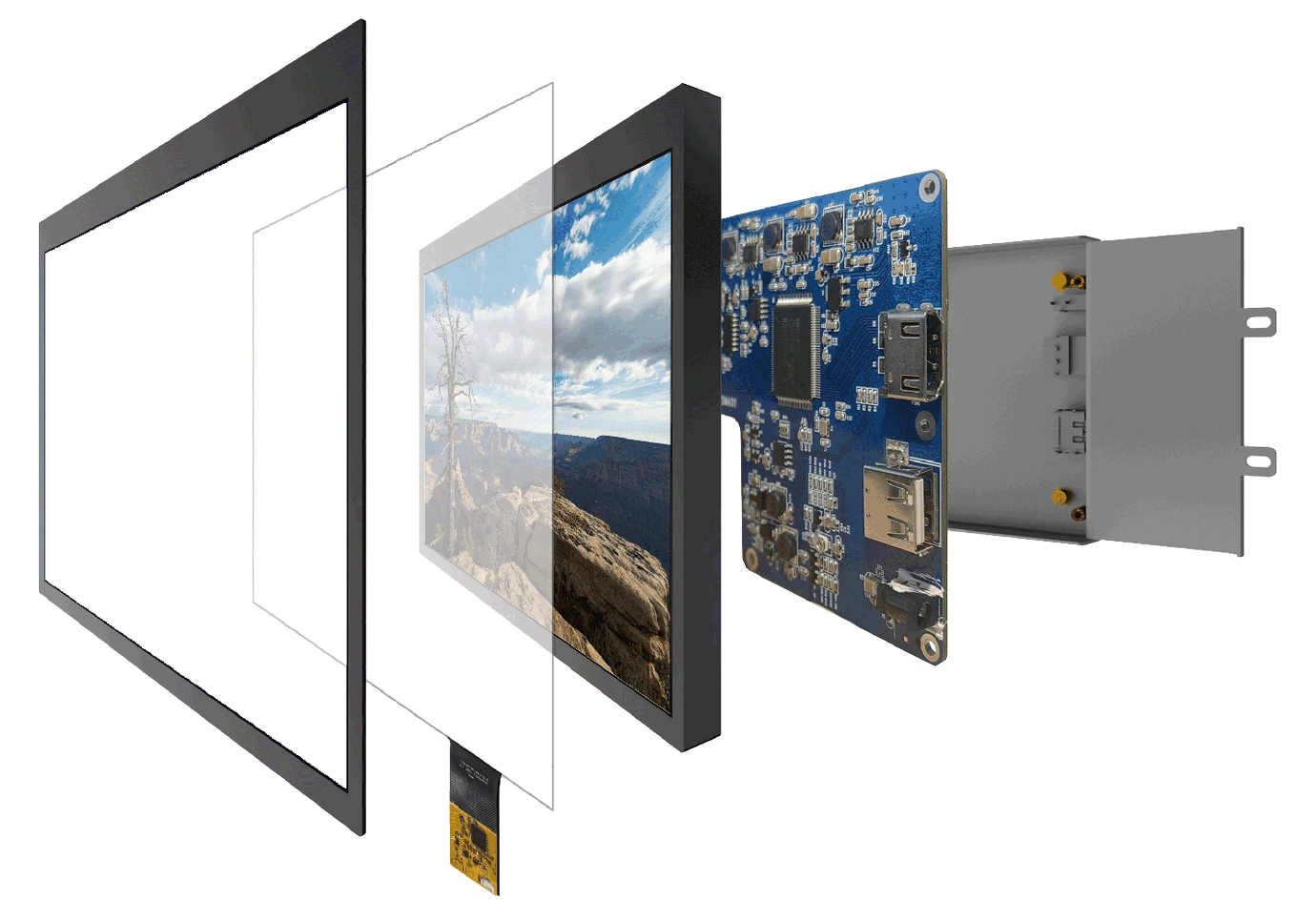
In addition to brightness, anti-reflective coatings and specific polarizing technologies play a crucial role in enhancing outdoor visibility. These coatings minimize glare from surrounding light sources, preventing washout of images. The use of impact-resistant glass or polycarbonate materials also adds a layer of protection, enabling these screens to withstand harsh outdoor conditions and maintain their functionality.
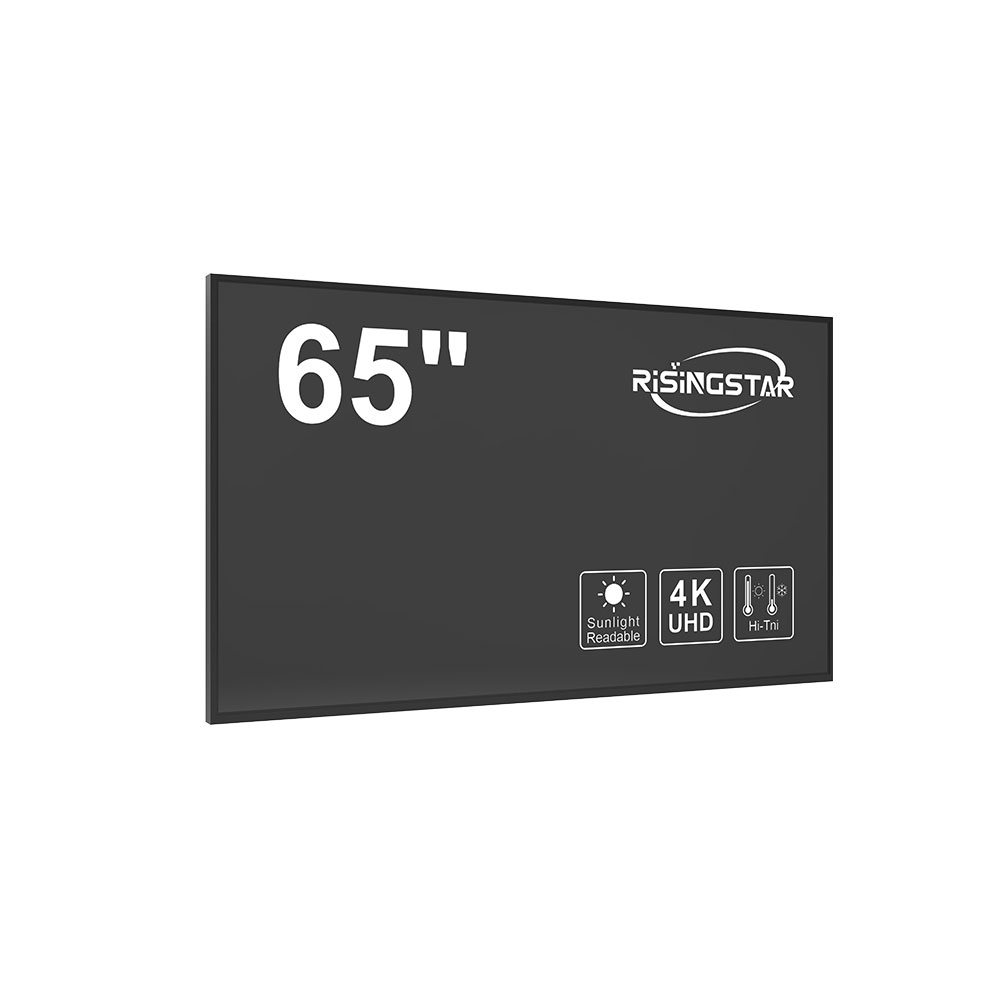
Several industries are leveraging high-brightness sunlight-readable LCDs to improve user interaction and data visibility. The transportation industry, for example, utilizes these displays in public transport vehicles for real-time information systems. Airports and train stations implement digital signage powered by these screens to deliver critical updates to passengers. Similarly, retail environments employ this technology to attract attention and communicate promotions effectively.
A notable case study is the use of sunlight-readable displays on military vehicles. These screens must perform reliably under extreme conditions, including heat, dust, and moisture. By integrating high-brightness technology, the military can use digital maps and tactical data systems without visibility issues in bright sunlight, enhancing operational efficiency and safety.
Moreover, the implementation of international standards is critical to ensuring the durability and reliability of high-brightness displays. The IK rating system, designated to robustness against impact, is especially important in applications where physical damage is a risk. An IK10 rating indicates that a display can withstand external impacts up to 20 joules, making it suitable for high-stress environments such as construction sites and outdoor installations. Many manufacturers now offer IK10-rated models to meet the demand for ruggedized applications.
As technology evolves, ongoing research on improving the energy efficiency of high-brightness displays is reshaping the market. Manufacturers are exploring advanced materials and innovative circuit designs, aiming to boost performance while minimizing power consumption. Furthermore, integrating smart technologies such as automatic brightness adjustment sensors can optimize energy usage without compromising visibility.
In conclusion, high-brightness sunlight-readable LCD screens are revolutionizing the way information is presented and consumed in outdoor environments. With their remarkable brightness, advanced protective features, and robust standards, they deliver reliable performance across various sectors. As industries continue to embrace digitization, investing in high-quality LCD screens will undoubtedly remain a pivotal element in ensuring effective communication and safety in all conditions.