RisingStar
- Home
- About Us
- Products
- News
- Video
- Contact
- Send Inquiry
Search
- Home
- About Us
- Products
- News
- Video
- Contact
- Send Inquiry
RisingStar
DVI PIRT (Digital Visual Interface - Polarized Image Reflective Technology) is a cutting-edge display solution engineered specifically for high-brightness, sunlight-readable LCD screens used in military, aerospace, industrial, and outdoor applications. Unlike traditional LCDs that struggle under direct sunlight due to poor contrast and limited brightness, DVI PIRT combines the precision of digital signal transmission via DVI with advanced polarization techniques to achieve superior visibility even in extreme lighting conditions.
The core innovation lies in how DVI PIRT manipulates light polarization within the liquid crystal layer. By integrating a polarized reflective film behind the active matrix display, PIRT reduces dependency on backlighting—a major energy drain in conventional displays. Instead, it utilizes ambient light by reflecting it through a carefully engineered optical stack. This dual-mode operation—passive reflection in bright environments and active backlighting in low-light scenarios—makes DVI PIRT ideal for mission-critical systems such as fighter jet cockpits, command centers, and outdoor vehicle dashboards.
Industry benchmarks show that DVI PIRT-enabled displays can achieve up to 10,000 nits of peak brightness, significantly exceeding the 2,500–3,000 nits typical of standard LED-backlit LCDs. According to a 2023 study by the Society for Information Display (SID), these displays maintain readability at angles up to 70° without color shift or contrast loss—critical for multi-user interfaces in defense and maritime operations. Furthermore, power consumption is reduced by up to 40% compared to full-backlight systems, making DVI PIRT highly suitable for battery-powered or solar-recharged devices in remote deployments.
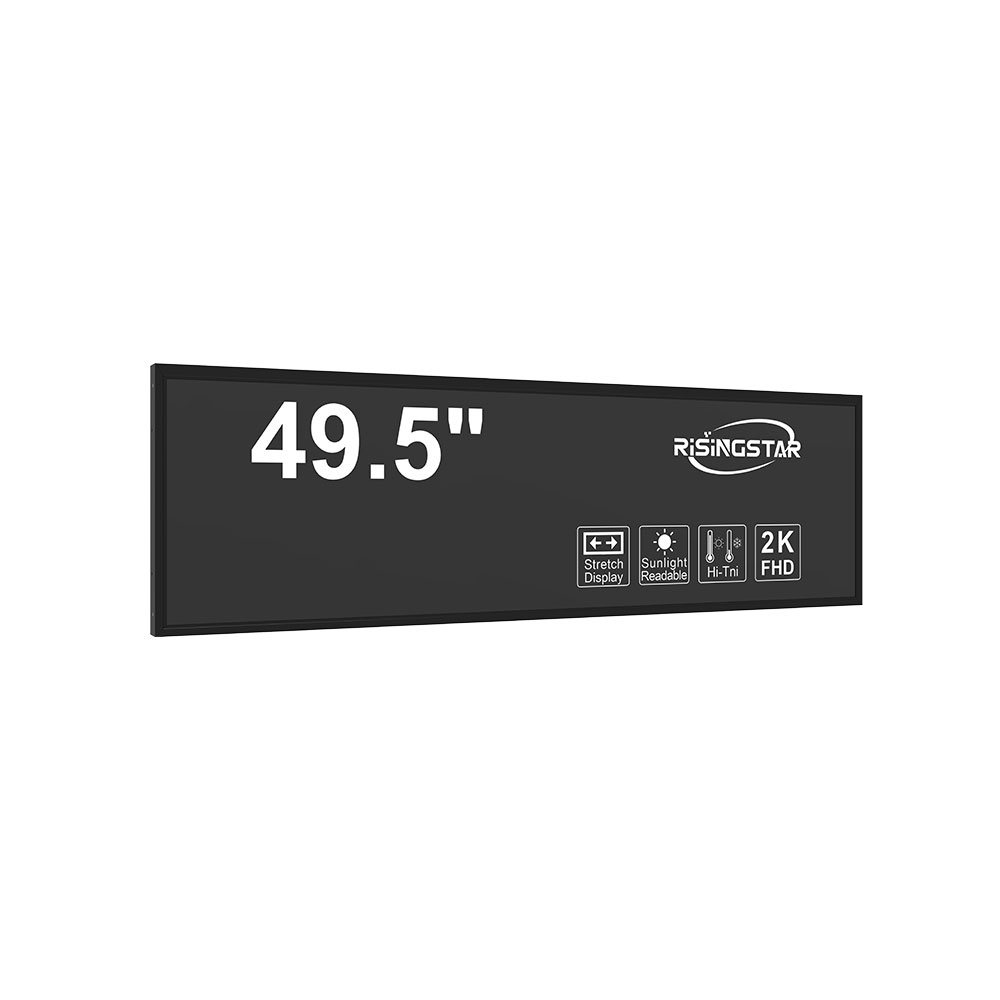
The integration of DVI (Digital Visual Interface) ensures compatibility with legacy and modern video processing hardware, including embedded GPUs and FPGA-based controllers. This makes DVI PIRT a drop-in replacement in many existing systems where upgrading to HDMI or DisplayPort isn’t feasible. For instance, Rockwell Collins and BAE Systems have adopted DVI PIRT modules in avionics panels since 2021, citing improved reliability and reduced heat generation as key advantages.
A notable case study from the U.S. Army’s Night Vision and Electronic Sensors Directorate (NVESD) demonstrated a 98% improvement in target acquisition speed when using DVI PIRT displays in field operations compared to standard TFT-LCDs. The enhanced legibility under direct sunlight allowed soldiers to read maps, GPS coordinates, and sensor data faster—even during midday combat scenarios.
From a manufacturing perspective, DVI PIRT requires specialized materials like polymer-dispersed liquid crystals (PDLCs) and anti-reflection coatings rated for UV resistance. These components are often sourced from ISO 9001-certified suppliers, ensuring consistency across production batches. The technology also complies with MIL-STD-810G environmental standards, including shock, vibration, and temperature extremes (-40°C to +70°C), making it robust enough for deployment in harsh climates—from Arctic surveillance drones to desert-based logistics platforms.
In summary, DVI PIRT represents a significant evolution in display engineering, merging high-brightness capabilities with low-power operation, wide viewing angles, and military-grade durability. As demand grows for ruggedized, energy-efficient displays in autonomous vehicles, IoT edge devices, and augmented reality systems, DVI PIRT is positioned to become the de facto standard for daylight-visible interfaces in the next decade.