 RisingStar
- Home
- About Us
- Products
- News
- Video
- Contact
- Send Inquiry
Search
- Home
- About Us
- Products
- News
- Video
- Contact
- Send Inquiry
RisingStar
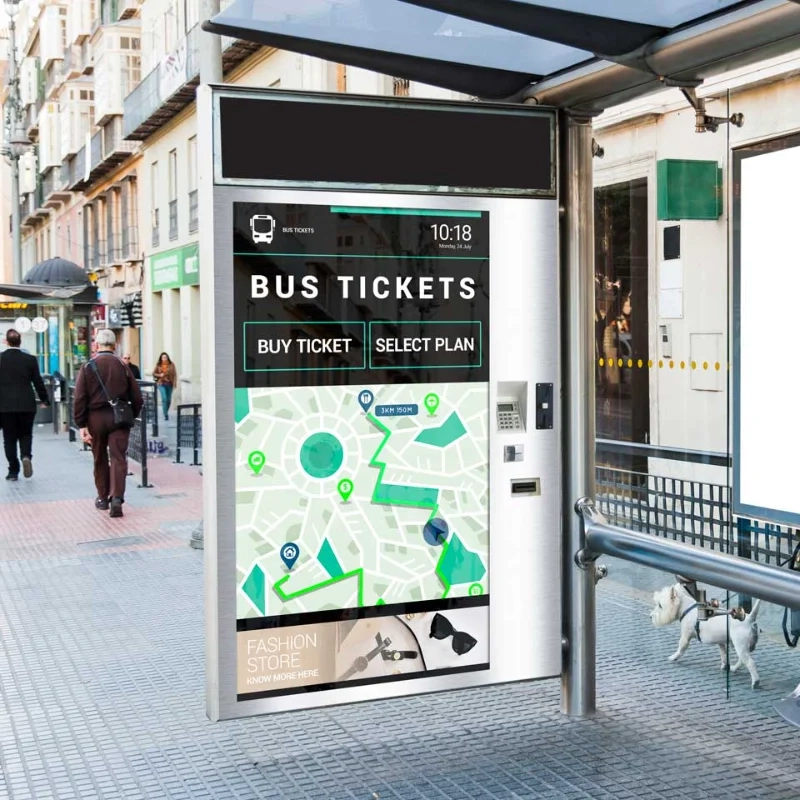
High-brightness sunlight-readable LCD displays are critical components in modern outdoor electronic systems, ranging from industrial control panels to military command centers and public transportation signage. These displays must maintain readability under extreme ambient lighting conditions—especially direct sunlight—which can reach luminance levels exceeding 100,000 lux. The engineering behind such displays involves a combination of advanced materials, optimized backlighting, anti-reflective coatings, and intelligent display algorithms that ensure consistent contrast and visibility.
The introduction of high-brightness LCDs began in the 1990s with the need for ruggedized electronics in aerospace and defense applications. Over time, technological advancements have driven down costs while improving performance metrics such as peak brightness (now commonly 5,000 to 10,000 cd/m²), contrast ratio (>1000:1), and viewing angles (>160°). Industry standards like MIL-STD-810 for environmental durability and ISO 9241-3 for human factors in display design guide development processes. Additionally, IEC 60068-2-1 provides test methods for temperature and humidity resilience—key considerations for outdoor deployment.
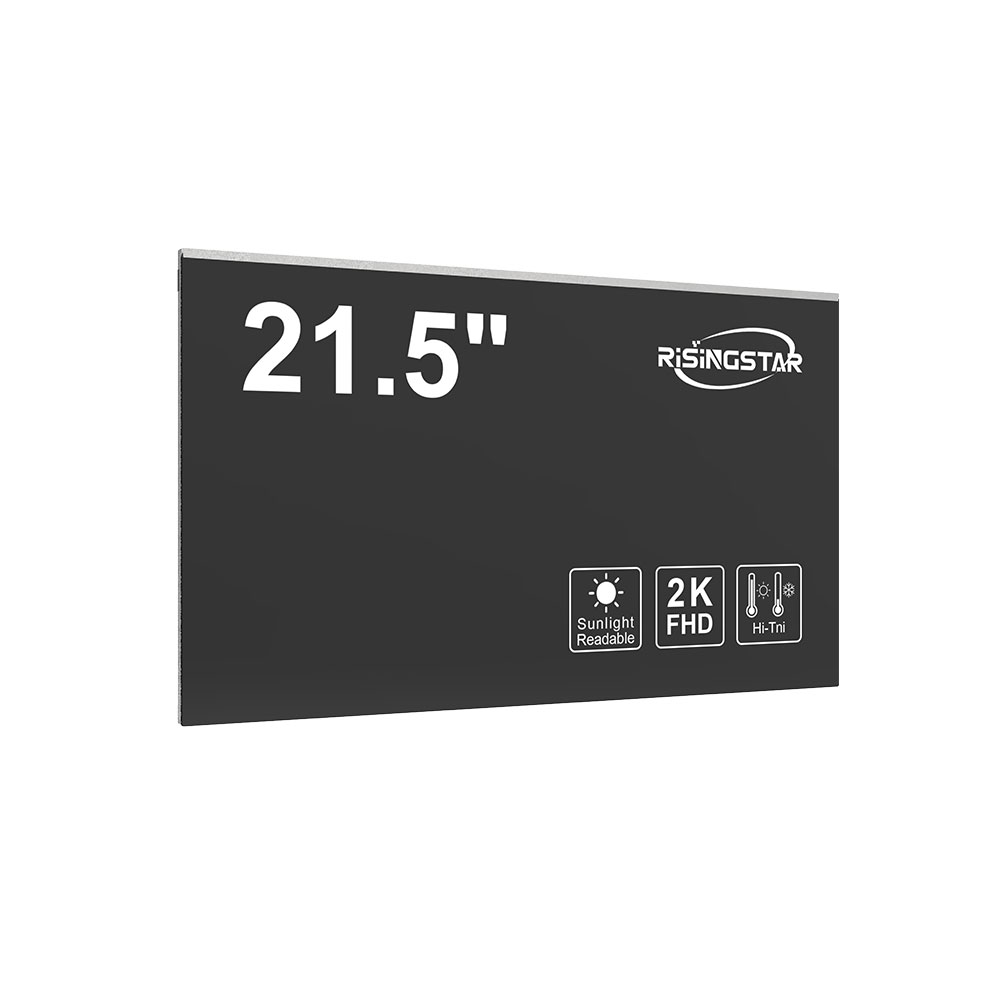
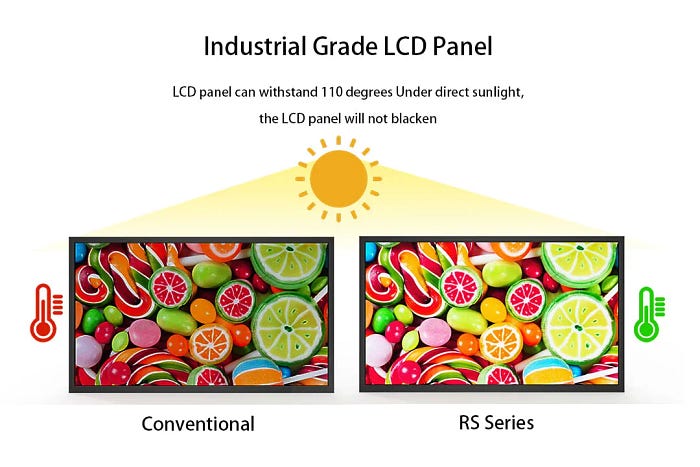
In the main body, several core technologies enable sunlight readability. First, high-efficiency LED backlights are essential; unlike older CCFLs, LEDs provide uniform illumination and allow precise dimming control. Modern high-brightness LCDs often use edge-lit or direct-lit LED arrays with diffusers that minimize hotspots and glare. Second, anti-reflection (AR) coatings reduce surface reflection by up to 90%, allowing more light to pass through the display panel—a crucial factor when ambient light is intense. Third, polarizers with enhanced durability (such as polymer-based ones) prevent degradation under UV exposure. Fourth, dynamic contrast enhancement algorithms adjust local brightness based on content and ambient light sensors—ensuring optimal visibility without excessive power consumption.
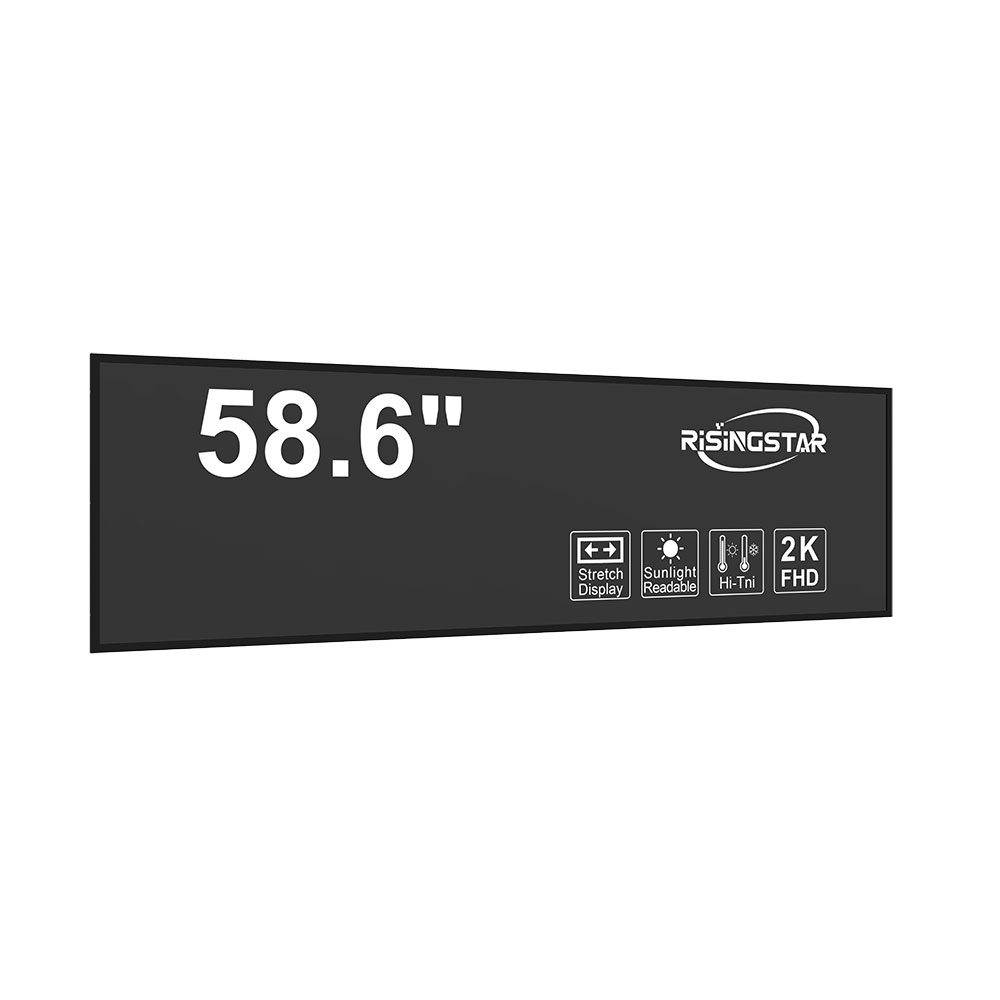
Case studies demonstrate real-world success. For instance, Siemens’ outdoor control interfaces used 7,000 cd/m² LCDs in solar-exposed environments across Australia, achieving 98% user readability even at noon. Similarly, Samsung’s Galaxy Tab Active series leverages similar technology for field service workers, with displays rated at 5,000 cd/m² and IP68 water/dust resistance. In military applications, Elbit Systems integrates these displays into UAV ground stations, where readability under 100,000 lux is mandatory for mission-critical operations.
A key challenge remains thermal management: high brightness increases heat generation, which can degrade display lifespan. Engineers now use passive cooling (heat sinks), active ventilation (fans), and smart power cycling to maintain stable operating temperatures below 50°C. Furthermore, OLED-based solutions are emerging but still lag in longevity and cost-effectiveness compared to LCDs for mass-market outdoor use.
The conclusion emphasizes that high-brightness sunlight-readable LCDs are no longer niche products—they are foundational to digital infrastructure in agriculture, construction, transportation, and emergency services. With ongoing innovation in materials science, power efficiency, and AI-driven adaptive optics, these displays will become even more reliable, brighter, and environmentally sustainable. Future developments may include self-powered photovoltaic displays and multi-spectral sensing capabilities, further expanding their utility in harsh environments.