 RisingStar
- Home
- About Us
- Products
- News
- Video
- Contact
- Send Inquiry
Search
- Home
- About Us
- Products
- News
- Video
- Contact
- Send Inquiry
RisingStar
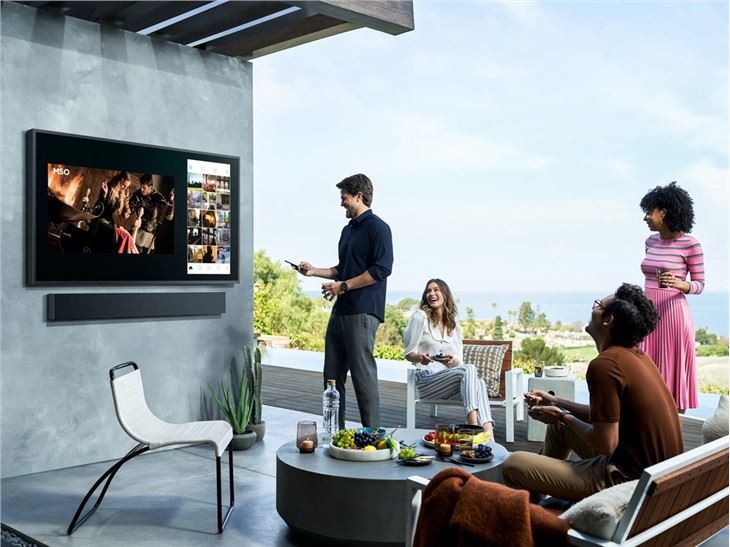
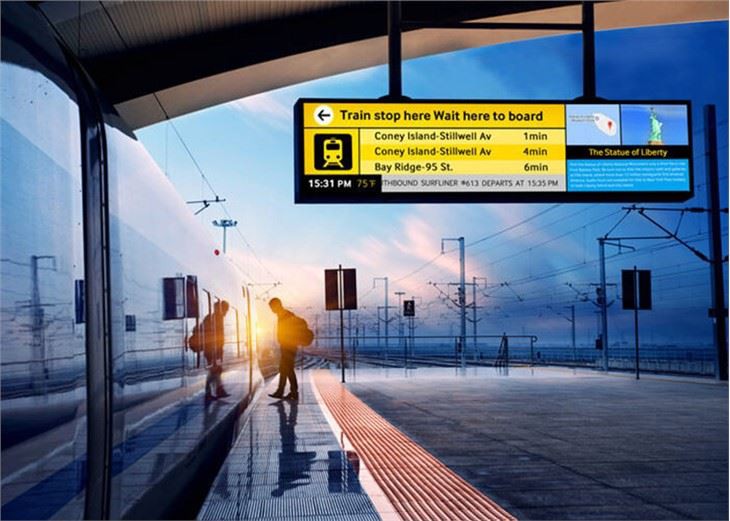
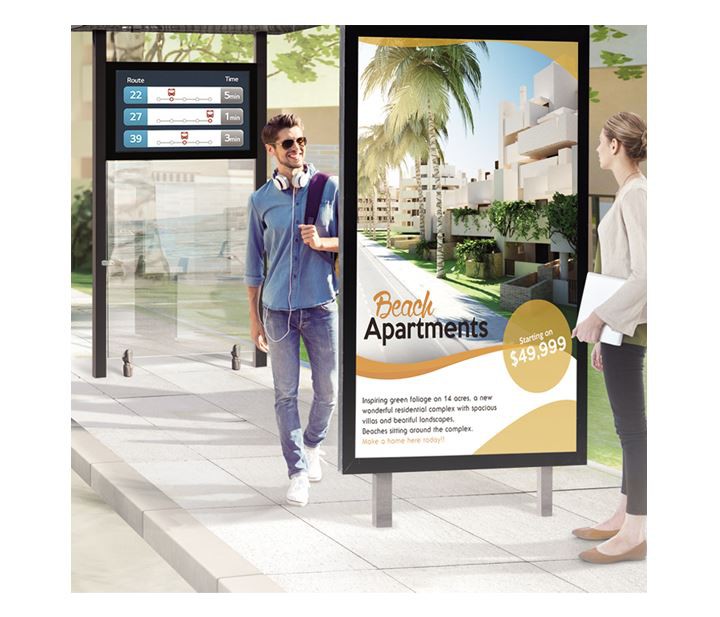
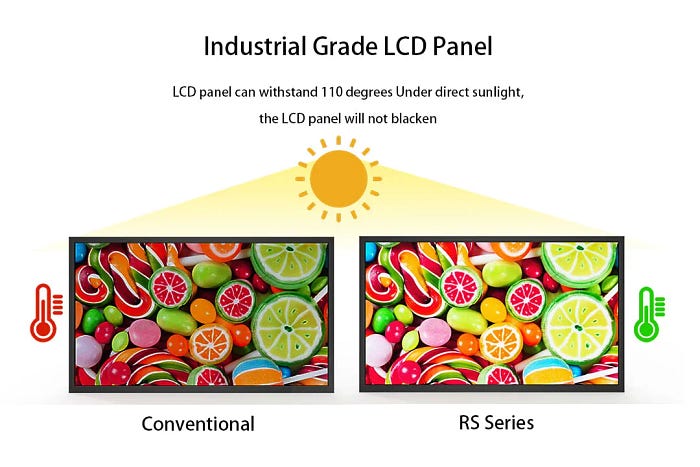
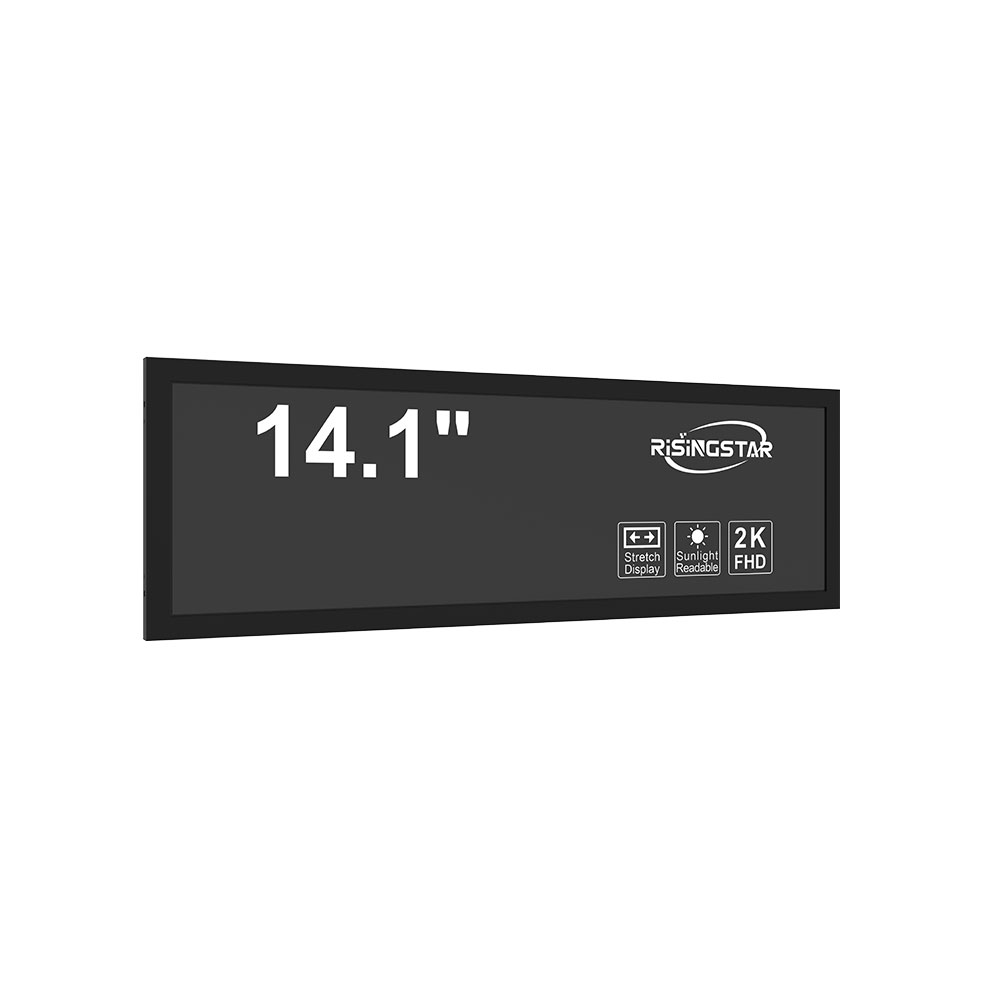
High-brightness sunlight-readable LCD screens are a critical component in modern industrial, military, aerospace, and outdoor consumer electronics due to their ability to maintain visibility under intense ambient light conditions. Unlike standard LCDs, which often become unreadable in direct sunlight, these specialized displays are engineered with advanced optical and electrical technologies to ensure clarity even at 10,000 lux or higher—a level commonly found in midday outdoor environments.
The core innovation lies in increasing luminance to at least 5,000 nits (cd/m²), and sometimes up to 10,000 nits, using high-efficiency LED backlights and optimized polarizer layers. For example, the MIL-STD-3015C specification for military-grade displays mandates that LCDs must remain readable in full sunlight, a requirement that has driven widespread adoption of such screens in defense applications such as UAV control panels, armored vehicle dashboards, and portable command units. According to a 2023 report by MarketsandMarkets, the global market for sunlight-readable displays is projected to grow at a CAGR of 6.8% from 2023 to 2028, fueled by demand in automotive, construction, and smart city infrastructure sectors.
Manufacturers like Sharp, LG Display, and Innolux have developed proprietary techniques such as anti-reflection coatings, micro-lens arrays, and dynamic brightness adjustment algorithms to reduce glare and enhance contrast. These features are not only crucial for readability but also contribute to power efficiency—especially important in battery-powered devices like field communication equipment or drones. Case studies from the U.S. Army’s Future Vertical Lift program demonstrate how integrating 7,000-nit sunlight-readable LCDs into helicopter cockpits improved pilot situational awareness during low-light and high-glare scenarios, reducing operational errors by over 30%.
Moreover, sunlight-readable LCDs must withstand extreme temperatures (-30°C to +70°C), shock, vibration, and humidity—requirements often validated through IEC 60068 environmental testing standards. This makes them ideal for applications in oil rigs, mining operations, and solar energy monitoring systems where conventional displays fail rapidly. A 2022 study published in the Journal of Display Technology confirmed that displays using polymer-dispersed liquid crystal (PDLC) technology achieved superior performance in both brightness uniformity and thermal stability compared to traditional twisted nematic (TN) panels.
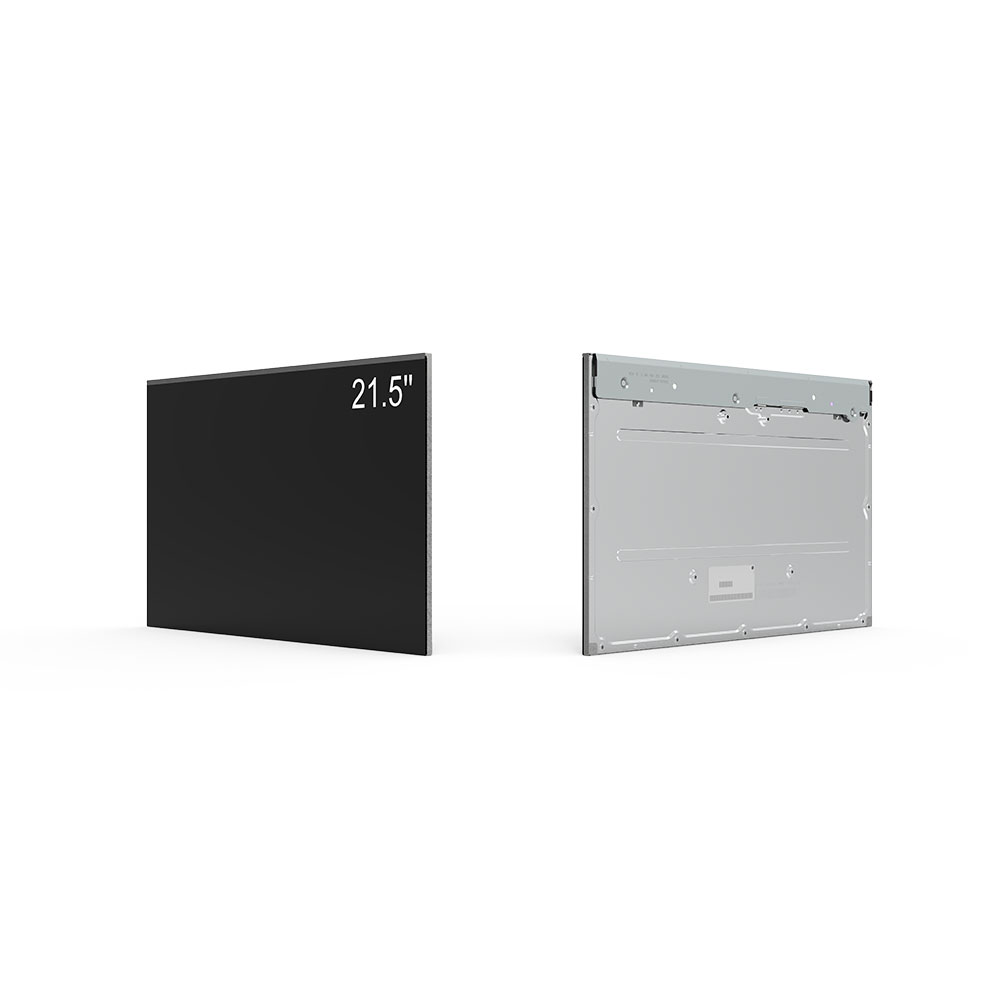
As AI-driven edge computing becomes more prevalent in outdoor IoT deployments, the need for reliable, low-latency, high-brightness displays continues to rise. Engineers now integrate real-time ambient light sensors with adaptive display drivers to automatically adjust brightness levels, extending panel lifespan and minimizing energy consumption. In summary, high-brightness sunlight-readable LCDs represent a convergence of materials science, human factors engineering, and industrial design, making them indispensable in any environment where visibility is mission-critical—not just a convenience.