RisingStar
- Home
- About Us
- Products
- News
- Video
- Contact
- Send Inquiry
Search
- Home
- About Us
- Products
- News
- Video
- Contact
- Send Inquiry
RisingStar
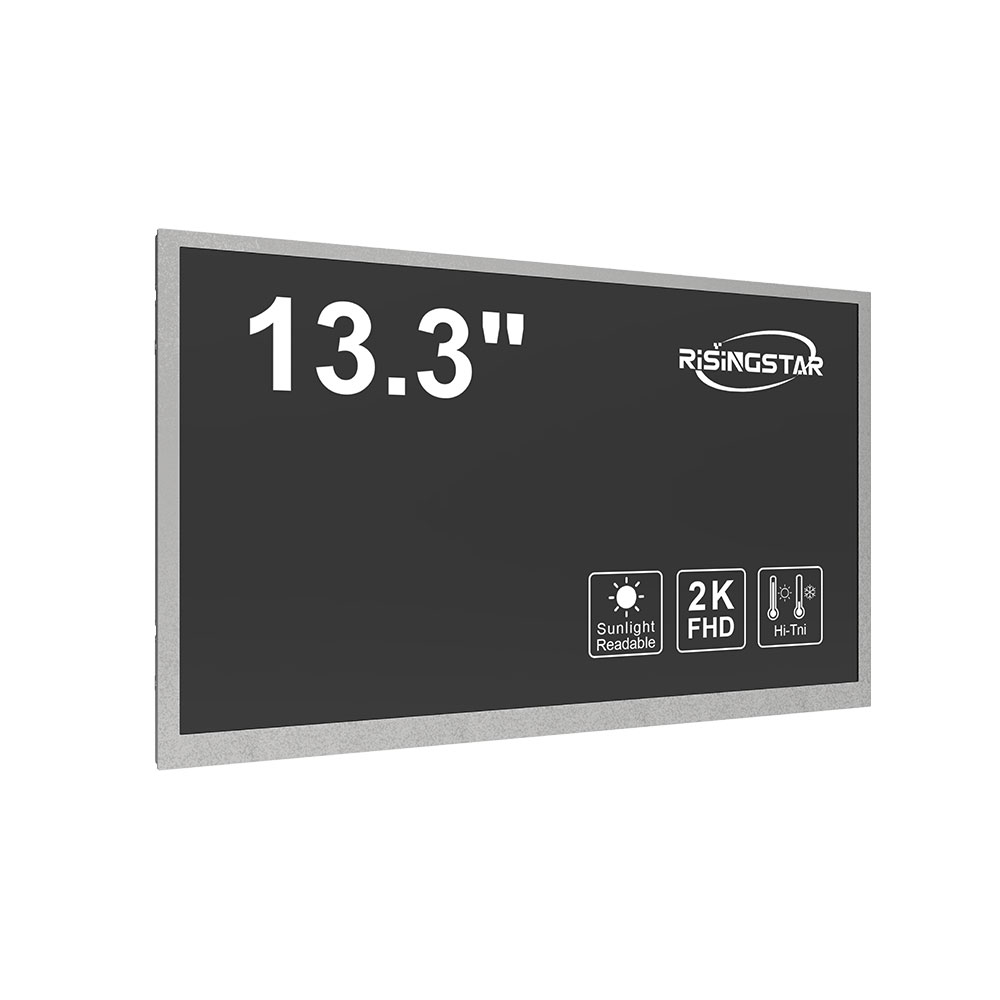
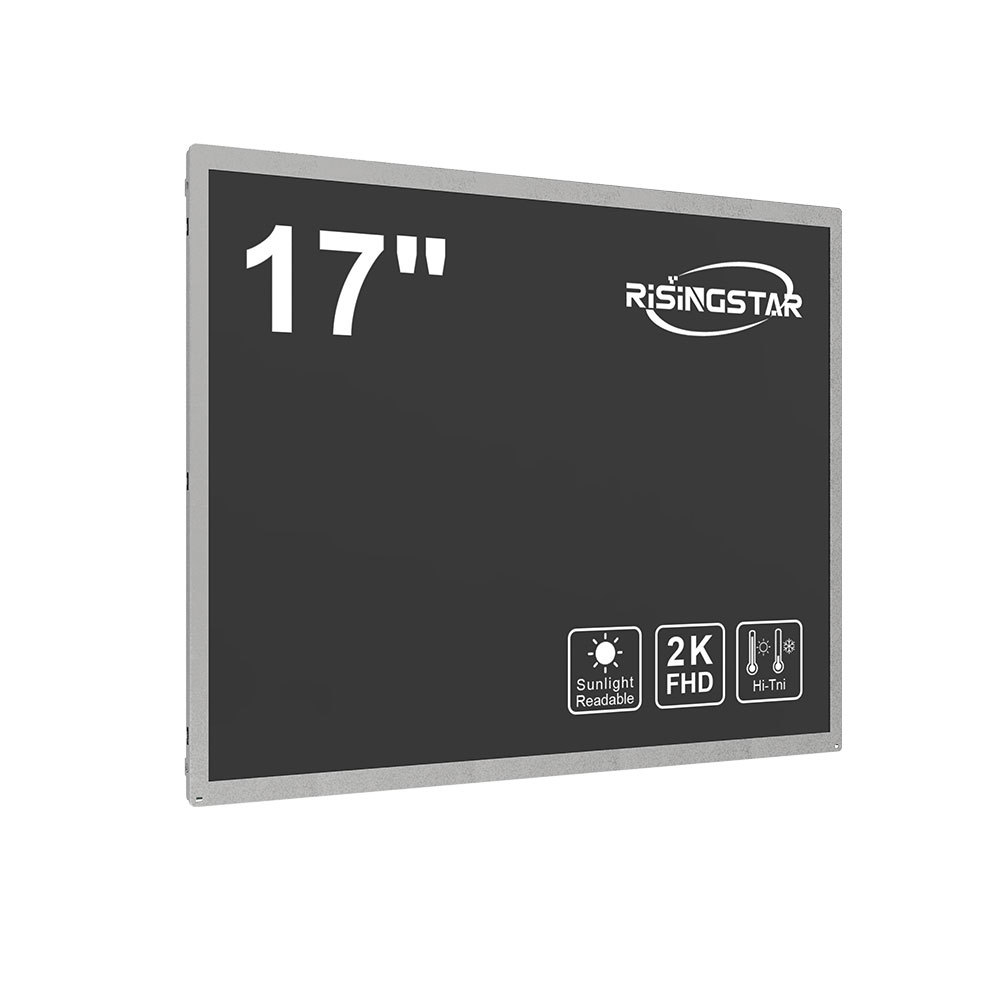
High-brightness sunlight-readable LCD screens are essential in modern outdoor and industrial environments where visibility under direct sunlight is critical. These displays, often rated at 5,000 to 10,000 nits of brightness or higher, surpass standard indoor LCDs (typically 300–500 nits), ensuring clarity even in intense daylight conditions. Unlike conventional LCDs that become nearly invisible in bright sunlight due to glare and low contrast, sunlight-readable displays use advanced technologies such as transflective liquid crystal layers, high-efficiency backlighting, and anti-glare coatings to maintain readability.
One of the most prominent applications is in military and defense systems—such as vehicle-mounted command consoles, UAV (unmanned aerial vehicle) ground stations, and field communication devices. For example, the U.S. Army’s Enhanced Night Vision Goggles (ENVG) integrate sunlight-readable displays to provide real-time situational awareness in both day and night operations. Similarly, in transportation, high-brightness LCDs are used in aviation cockpit displays, maritime navigation systems, and railway control panels—where operational safety depends on immediate and accurate information access.
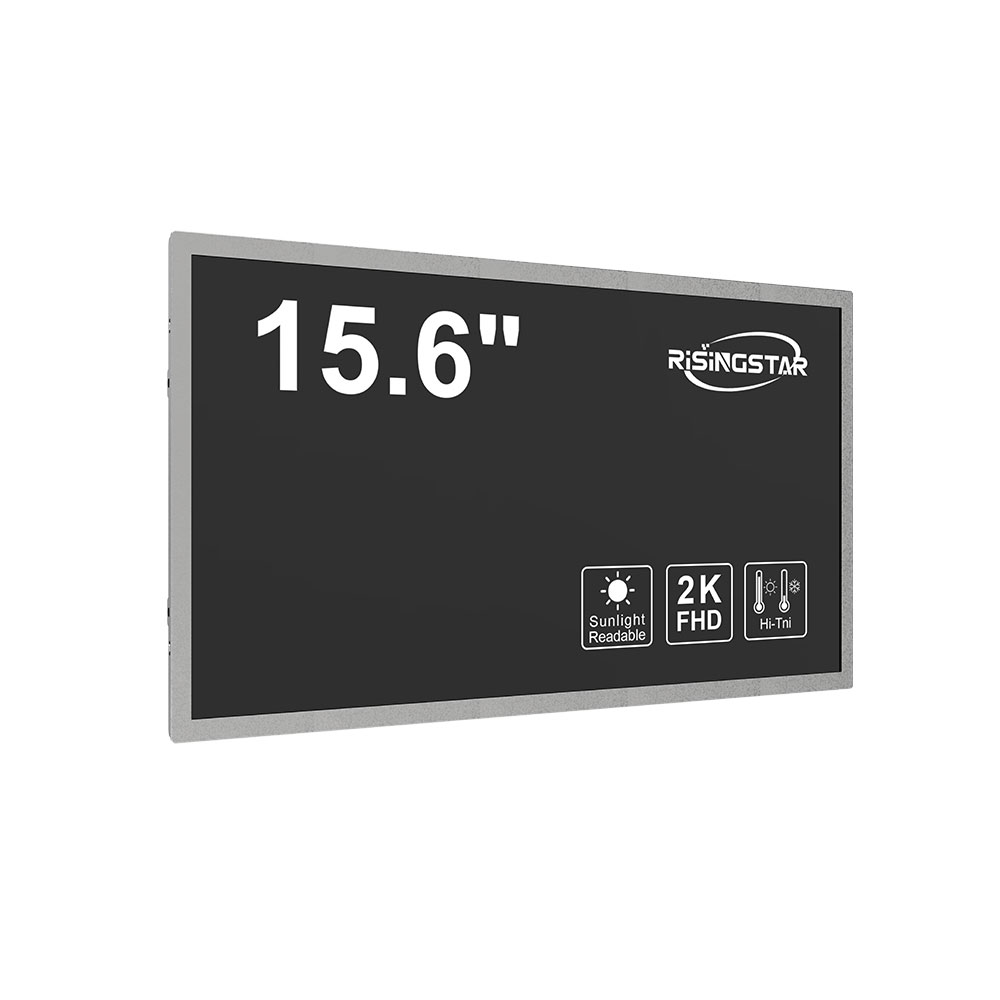
In industrial settings like oil rigs, construction sites, and manufacturing plants, these screens enable remote monitoring and human-machine interfaces (HMIs). A case study from Siemens in 2023 showed a 40% reduction in operator errors after deploying 7,000-nit sunlight-readable touchscreens in offshore drilling platforms, thanks to improved legibility in harsh sunlight and extreme temperature variations (-20°C to +60°C).
Advantages include enhanced durability (with IP65 or higher ingress protection), wide viewing angles (up to 178°), and energy-efficient LED backlights that reduce heat generation—a key factor in enclosed or hot environments. Additionally, many models now support ruggedized designs with shock resistance, vibration damping, and corrosion-resistant materials, making them suitable for mobile and embedded systems.
However, common problems remain. One issue is thermal management: excessive brightness can lead to overheating, especially when ambient temperatures exceed 45°C. Manufacturers like LG Display and Sharp have addressed this by implementing dynamic brightness control algorithms that adjust output based on ambient light sensors. Another challenge is power consumption—high-brightness displays draw more current, necessitating efficient battery management or external power solutions in portable devices.
Recent trends include the integration of AI-driven adaptive brightness systems that use machine learning to optimize display performance in real time. For instance, Samsung’s latest industrial-grade LCDs feature adaptive gamma correction, which enhances contrast ratios dynamically based on scene content and environmental lighting. Furthermore, the adoption of OLED technology for high-brightness applications is emerging, though it remains cost-prohibitive for mass-market deployment due to lower longevity under continuous high-brightness operation.
According to a 2024 report by MarketsandMarkets, the global sunlight-readable LCD market is projected to grow at a CAGR of 8.3% through 2030, driven by demand from smart cities, autonomous vehicles, and Industry 4.0 automation. As outdoor and industrial digital interfaces become more complex, high-brightness sunlight-readable LCDs will remain indispensable tools for reliable human-machine interaction in challenging environments.