RisingStar
- Home
- About Us
- Products
- News
- Video
- Contact
- Send Inquiry
Search
- Home
- About Us
- Products
- News
- Video
- Contact
- Send Inquiry
RisingStar
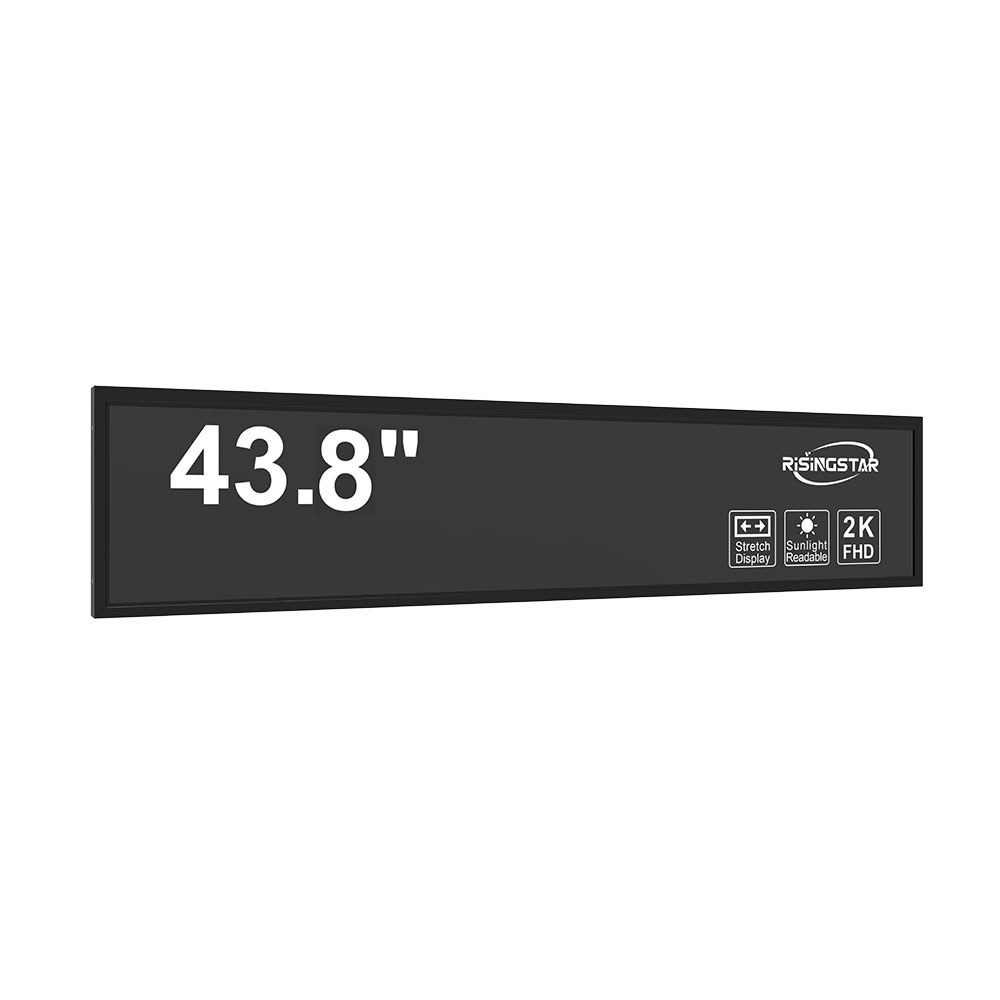
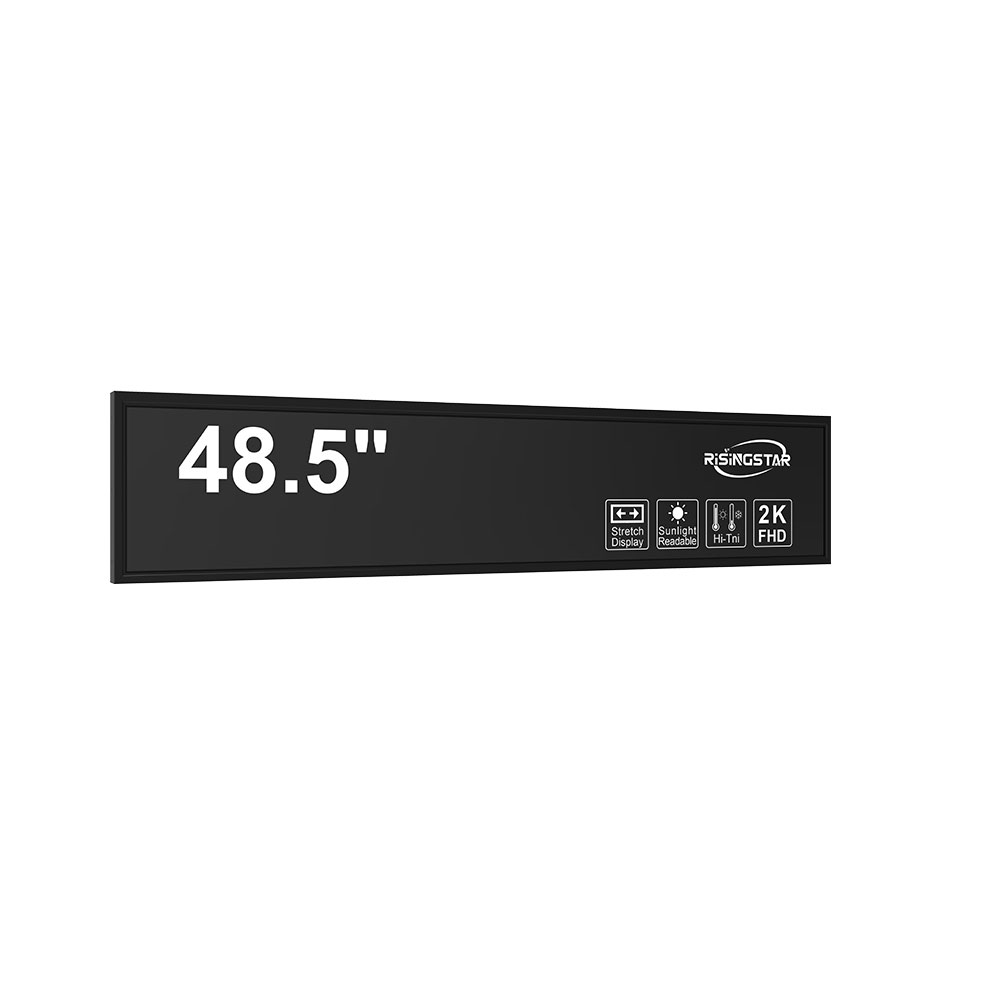
In modern industrial environments—from military field operations to construction sites and outdoor retail displays—reliability under intense sunlight is no longer a luxury but a necessity. High-brightness sunlight-readable LCD screens have emerged as the gold standard for applications where visibility must remain clear even in direct sunlight, often exceeding 10,000 lux of ambient light. These displays are engineered not just for brightness but for contrast, color accuracy, and durability in harsh conditions.
The core technology behind these screens lies in advanced backlighting systems, anti-reflective coatings, and optimized panel architectures such as transflective or transmissive modes. Unlike standard LCDs that suffer from washout under bright sunlight, high-brightness variants use specialized LED arrays capable of producing over 5,000 nits (cd/m²), with premium models reaching up to 10,000 nits or more. For example, the MIL-STD-810G-compliant displays used by the U.S. Department of Defense achieve this level of brightness while maintaining thermal stability and shock resistance.
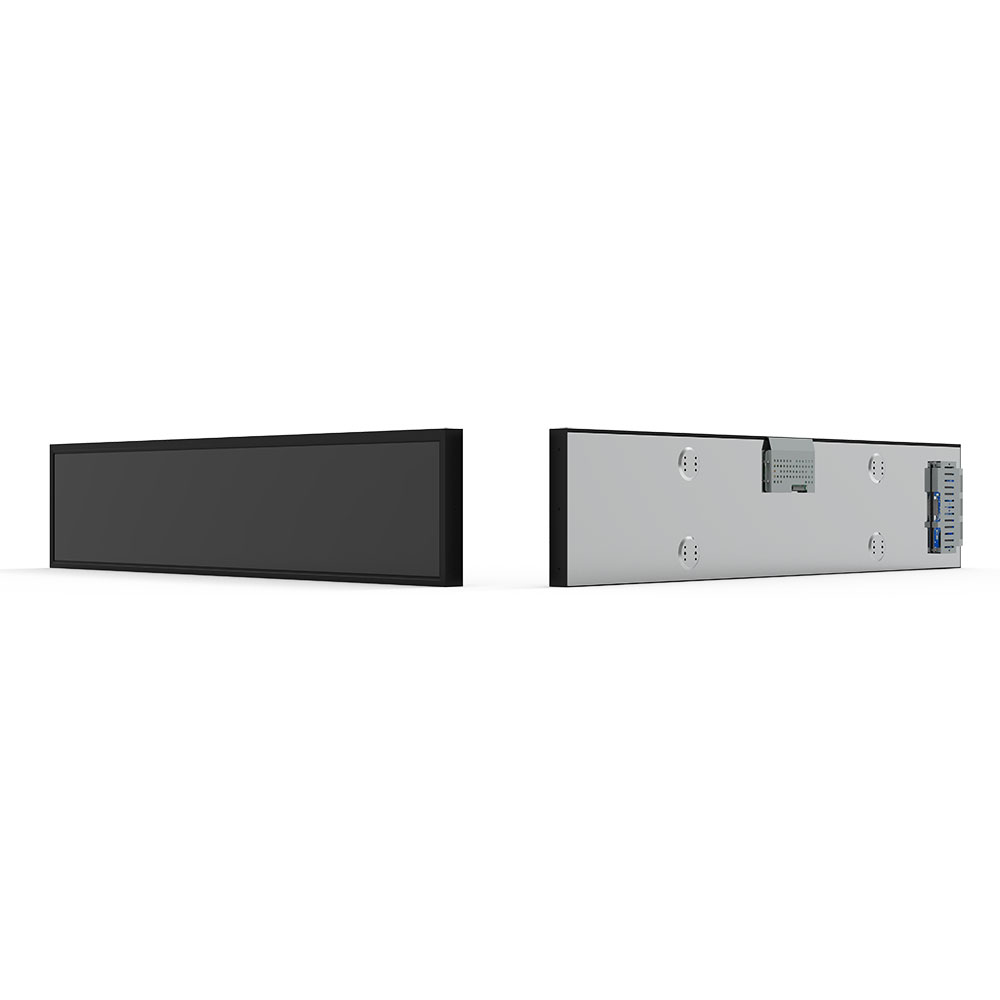
One key innovation is the use of transflective liquid crystal panels. These panels combine reflective and transmissive properties: they reflect ambient light indoors for energy efficiency and switch to full backlight mode outdoors. This hybrid approach ensures readability in both low-light and extreme sun conditions without excessive power consumption—a critical factor for battery-powered devices like handheld tactical tablets or mobile asset trackers.
Manufacturers such as ELO TouchSystems, Candescent Technologies, and Sharp have developed proprietary techniques like “dynamic dimming” and “local dimming zones” to enhance contrast ratios. By intelligently adjusting brightness per region rather than globally, these screens reduce power draw while maximizing visual clarity. Case studies from the oil & gas industry show a 30% improvement in operational safety when workers used high-brightness LCDs in offshore drilling rigs, where traditional displays were unusable during midday sun.
Another essential feature is environmental resilience. High-brightness sunlight-readable LCDs must meet IP65 or higher ingress protection ratings to resist dust, water jets, and temperature extremes ranging from -20°C to +70°C. Many industrial-grade units also comply with EN 60068-2-1 for vibration and shock testing, making them suitable for vehicles, drones, and portable medical equipment.
From an application perspective, these displays are now found in airport check-in kiosks, agricultural machinery dashboards, and solar-powered monitoring stations in remote areas. A recent deployment by Siemens in smart grid infrastructure utilized 7-inch high-brightness LCDs across 500 substations, significantly reducing misreadings caused by glare—an issue previously leading to costly downtime.
To ensure longevity, manufacturers incorporate UV-stable materials and hardened glass lenses (often Gorilla Glass or similar) to prevent degradation from prolonged UV exposure. Additionally, some models support touch functionality with glove compatibility, crucial for workers in cold climates or hazardous environments.
Ultimately, choosing the right high-brightness sunlight-readable LCD involves understanding not just peak brightness but total system integration—power efficiency, mechanical robustness, and software compatibility. As global industries push toward digital transformation in outdoor settings, investing in certified, tested, and field-proven display solutions remains the most effective strategy for operational success.