RisingStar
- Home
- About Us
- Products
- News
- Video
- Contact
- Send Inquiry
Search
- Home
- About Us
- Products
- News
- Video
- Contact
- Send Inquiry
RisingStar
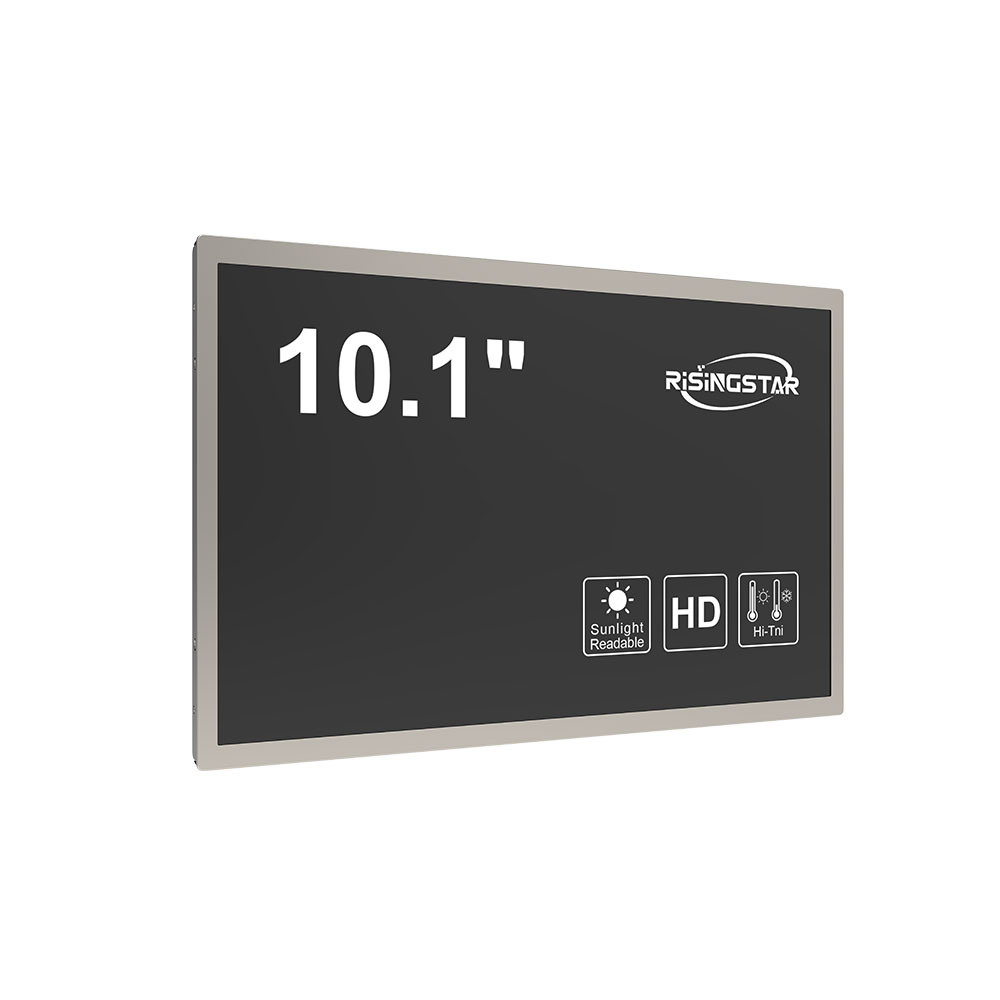
The IK10 high-brightness sunlight-readable LCD screen represents a critical advancement in display technology, especially for outdoor and extreme environmental applications. Designed to maintain visibility under direct sunlight, these screens are engineered to exceed the standard brightness levels of conventional displays—typically ranging from 3,000 to 5,000 nits (cd/m²), with some models reaching up to 7,000 nits. This exceptional luminance is achieved through a combination of advanced backlighting systems, optimized panel materials, and intelligent ambient light sensing algorithms that dynamically adjust brightness based on real-time environmental conditions.
Manufacturers such as E Ink, LG Display, and Sharp have invested heavily in developing IK10-rated panels for use in military-grade devices, automotive dashboards, industrial control systems, and public information kiosks. The IK10 rating, part of the IEC 60529 standard, ensures that the device can withstand harsh conditions including dust, water ingress, and mechanical stress—making it ideal for ruggedized deployments in mining, agriculture, and defense sectors.
A key technical differentiator lies in the use of high-efficiency LED backlights, often combined with optical bonding techniques that eliminate air gaps between the LCD panel and cover glass. This reduces glare and increases contrast ratio, which is crucial when viewing content under intense sunlight. Additionally, many IK10 screens utilize anti-reflection coatings and polarized filters to further minimize reflection while maximizing readability.
Case studies demonstrate real-world effectiveness: In 2022, a U.S. Department of Defense project deployed IK10 LCDs in handheld field communication units across desert environments where ambient light exceeded 100,000 lux. These screens enabled operators to read mission-critical data without needing to seek shade or adjust lighting. Similarly, in the automotive industry, Tesla and Ford have integrated IK10-compatible displays into their vehicle infotainment systems to ensure drivers can access navigation and safety alerts even at noon under full sun exposure.
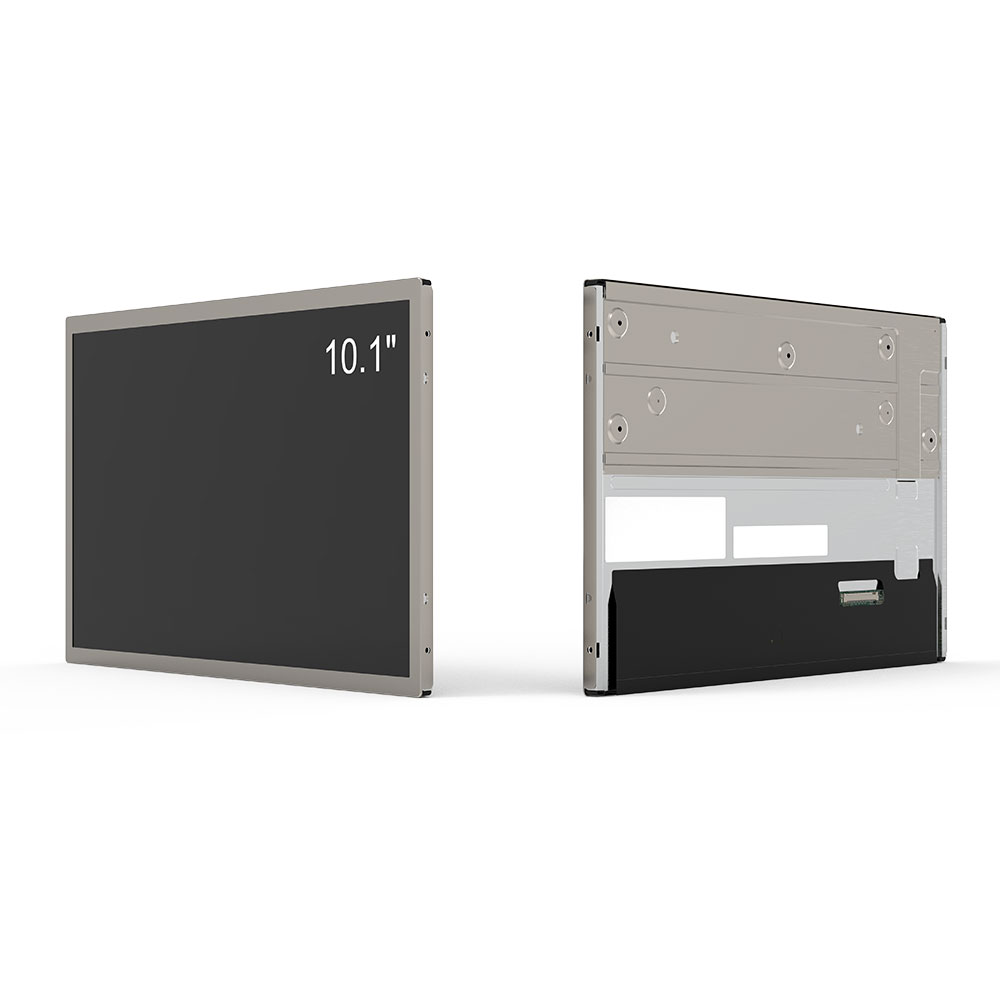
From an engineering perspective, the development of IK10 screens involves rigorous testing against international standards such as MIL-STD-810G for environmental durability and ISO 16750 for automotive reliability. These certifications ensure long-term performance in temperatures ranging from -40°C to +70°C, making them suitable for deployment in Arctic research stations, tropical jungle operations, and desert solar farms.
For end-users, choosing an IK10-rated display means prioritizing operational safety, user experience, and system longevity. As global industries increasingly adopt smart automation, edge computing, and IoT-based monitoring, the demand for robust, sunlight-readable screens will continue to rise. Therefore, investing in IK10 technology is not just about brightness—it’s about ensuring mission-critical clarity in any environment.