RisingStar
- Home
- About Us
- Products
- News
- Video
- Contact
- Send Inquiry
Search
- Home
- About Us
- Products
- News
- Video
- Contact
- Send Inquiry
RisingStar
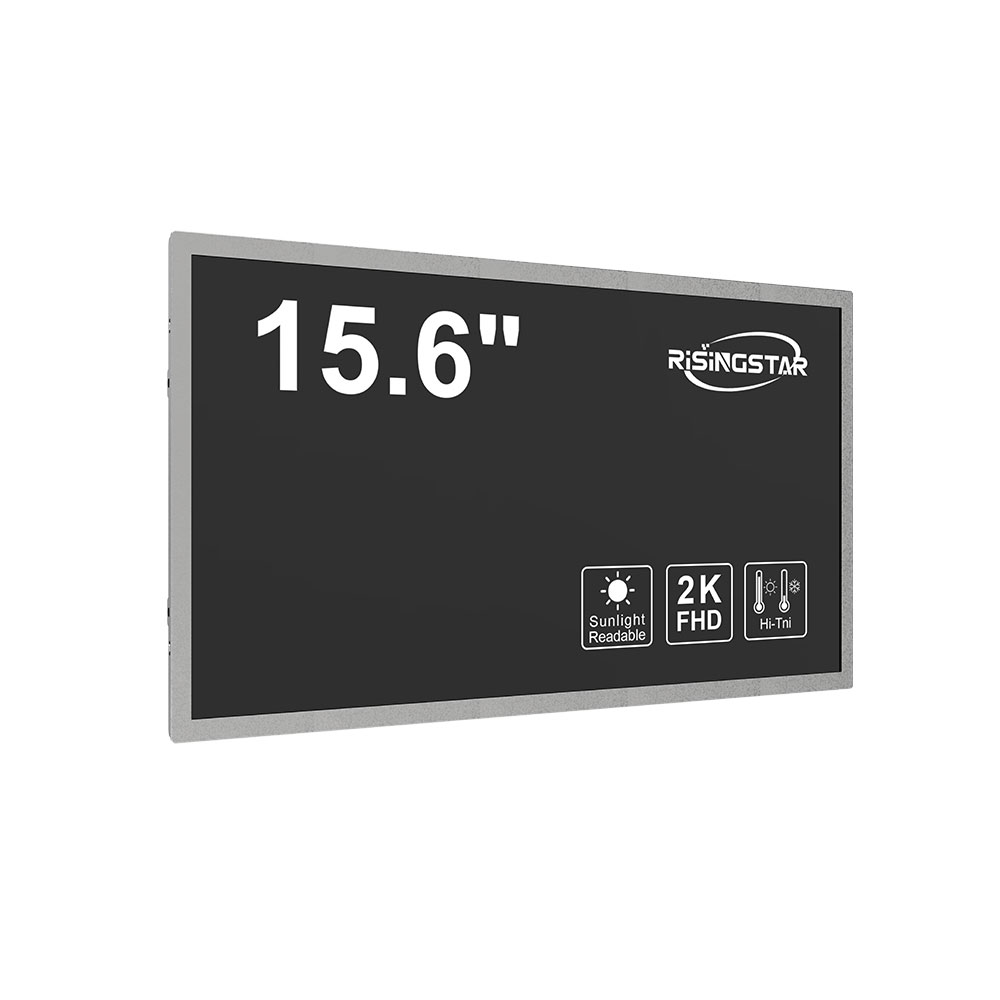
High-brightness sunlight-readable LCD screens are a critical advancement in display technology, particularly for outdoor and high-ambient-light applications such as military equipment, industrial control panels, automotive dashboards, and public transportation systems. These displays are engineered to remain legible under direct sunlight, often achieving brightness levels of 5,000 nits or more—far exceeding standard indoor LCDs that typically operate at 250–500 nits. The core challenge lies in overcoming the contrast ratio degradation caused by ambient light reflection and maintaining image clarity without excessive power consumption.
The engineering behind these screens involves multiple layers of innovation. First, high-luminance LED backlighting is used instead of traditional CCFL (cold cathode fluorescent lamp) technology. Modern high-brightness LCDs often integrate edge-lit or direct-lit LED arrays with precision optical films, including brightness enhancement films (BEFs) and diffusion sheets, to maximize luminous efficiency. For example, companies like LG Display and BOE have developed proprietary technologies such as “Sunlight Readable Display” (SRD) modules that combine high-brightness LEDs with anti-glare coatings and polarization filters to reduce surface reflections.
Another essential component is the use of advanced liquid crystal materials—such as IPS (In-Plane Switching) or VA (Vertical Alignment)—that provide wide viewing angles and consistent color performance even under extreme lighting conditions. In military-grade applications, MIL-STD-810G environmental testing standards dictate resistance to temperature extremes (-40°C to +70°C), vibration, shock, humidity, and dust ingress, making ruggedized design a must-have. According to a 2023 report by MarketsandMarkets, the global sunlight-readable display market is projected to reach $1.6 billion by 2028, driven by demand from defense, aerospace, and automotive sectors.
Case studies demonstrate real-world effectiveness. For instance, the U.S. Army’s Stryker Infantry Carrier Vehicle employs high-brightness LCDs rated at 7,000 nits, enabling soldiers to read maps, mission data, and targeting information even in full desert sun. Similarly, in the automotive industry, Tesla and BMW have integrated high-brightness displays into their EV dashboards to ensure driver visibility during daytime driving—a key safety requirement per ISO 9001 and ISO 14001 compliance standards.
Additionally, energy efficiency remains a top priority. Innovations like adaptive brightness control using ambient light sensors (ALS) dynamically adjust screen luminance based on surrounding light levels, reducing power consumption by up to 40% without compromising readability. This is especially crucial in battery-powered devices such as handheld field radios, drones, and IoT-enabled agricultural sensors used in remote environments.
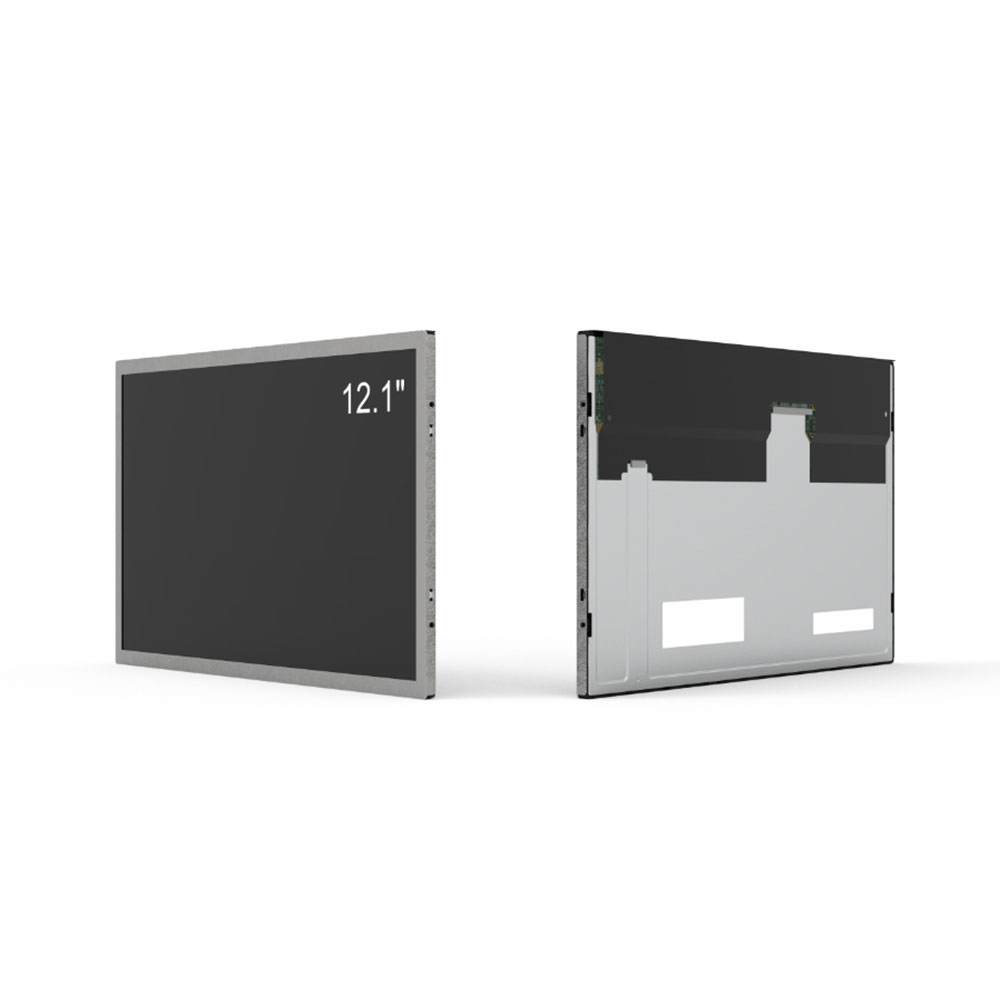
Manufacturers also incorporate protective layers like Gorilla Glass or hardened polycarbonate to prevent scratches and damage from debris. Some models feature automatic dimming algorithms that prioritize user comfort while maintaining optimal visibility. As per IEEE Transactions on Consumer Electronics (2022), these intelligent display management systems significantly improve both operational reliability and user experience in demanding environments.
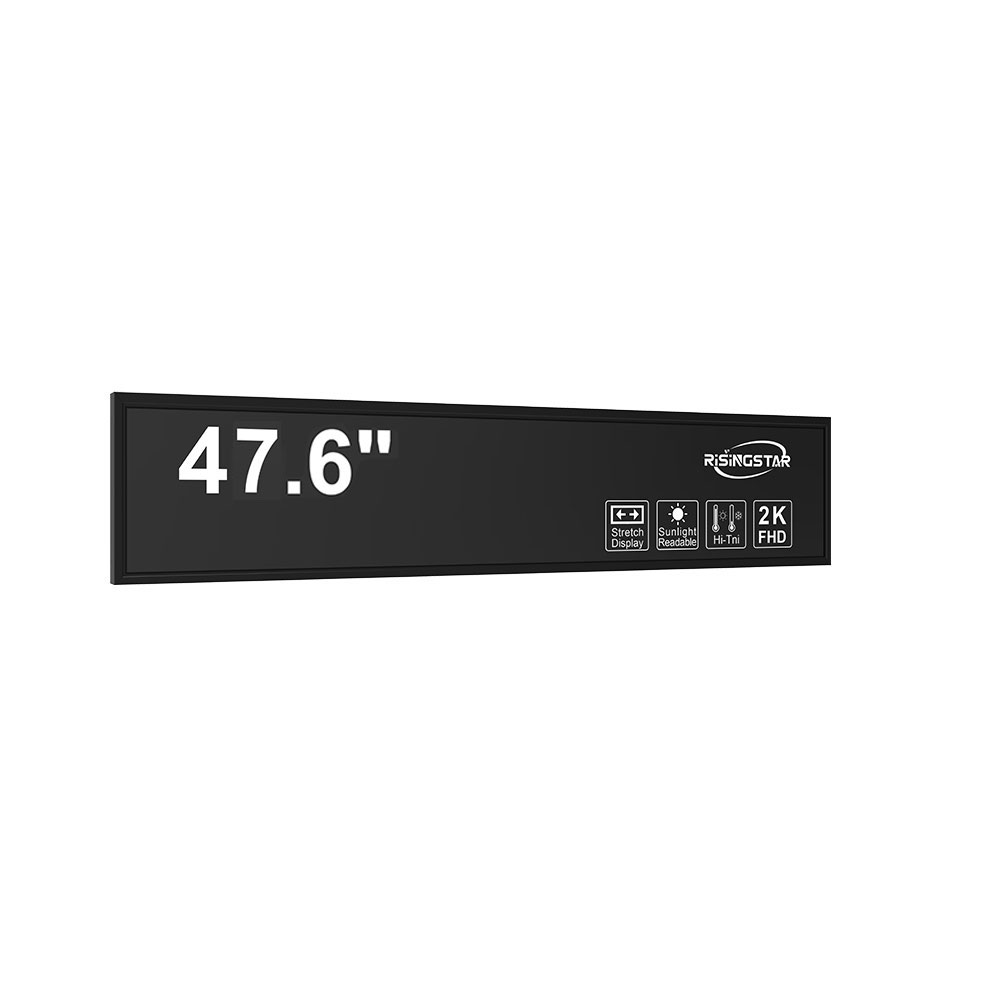
In conclusion, high-brightness sunlight-readable LCD screens are not merely about increasing brightness—they represent an integrated system of optoelectronics, material science, and environmental resilience. With ongoing R&D focused on higher efficiency, lower power draw, and improved durability, they will continue to be indispensable across industries where human-machine interaction must remain effective regardless of lighting conditions.