RisingStar
- Home
- About Us
- Products
- News
- Video
- Contact
- Send Inquiry
Search
- Home
- About Us
- Products
- News
- Video
- Contact
- Send Inquiry
RisingStar
High-brightness sunlight-readable LCD screens are essential in environments where visibility under direct sunlight is critical—such as military vehicles, industrial control panels, outdoor kiosks, and transportation systems. When selecting a display for such applications, the aspect ratio (e.g., 4:3) and screen size (15", 17", 19") play crucial roles in optimizing both usability and system integration.
The 4:3 aspect ratio remains widely used in legacy and industrial systems due to its compatibility with older software interfaces, standard video resolutions (like 1024x768), and efficient use of vertical space for text-heavy or menu-driven UIs. In contrast, widescreen formats like 16:9 are more common in consumer electronics but less optimal for command-and-control or data-intensive tasks. For example, a 15" 4:3 display offers a compact footprint ideal for portable field devices, while a 19" version provides ample real estate for complex monitoring dashboards without requiring excessive desk space.
Brightness levels above 5,000 nits are typically required for full sunlight readability—a benchmark defined by MIL-STD-188-134A for military-grade displays. These high-brightness LCDs use advanced backlighting technologies such as LED arrays with diffusers and anti-glare coatings, combined with reflective polarizers and transmissive liquid crystal layers optimized for ambient light rejection. Some manufacturers integrate automatic brightness control (ABC) that dynamically adjusts luminance based on environmental light sensors, improving energy efficiency and extending display lifespan.
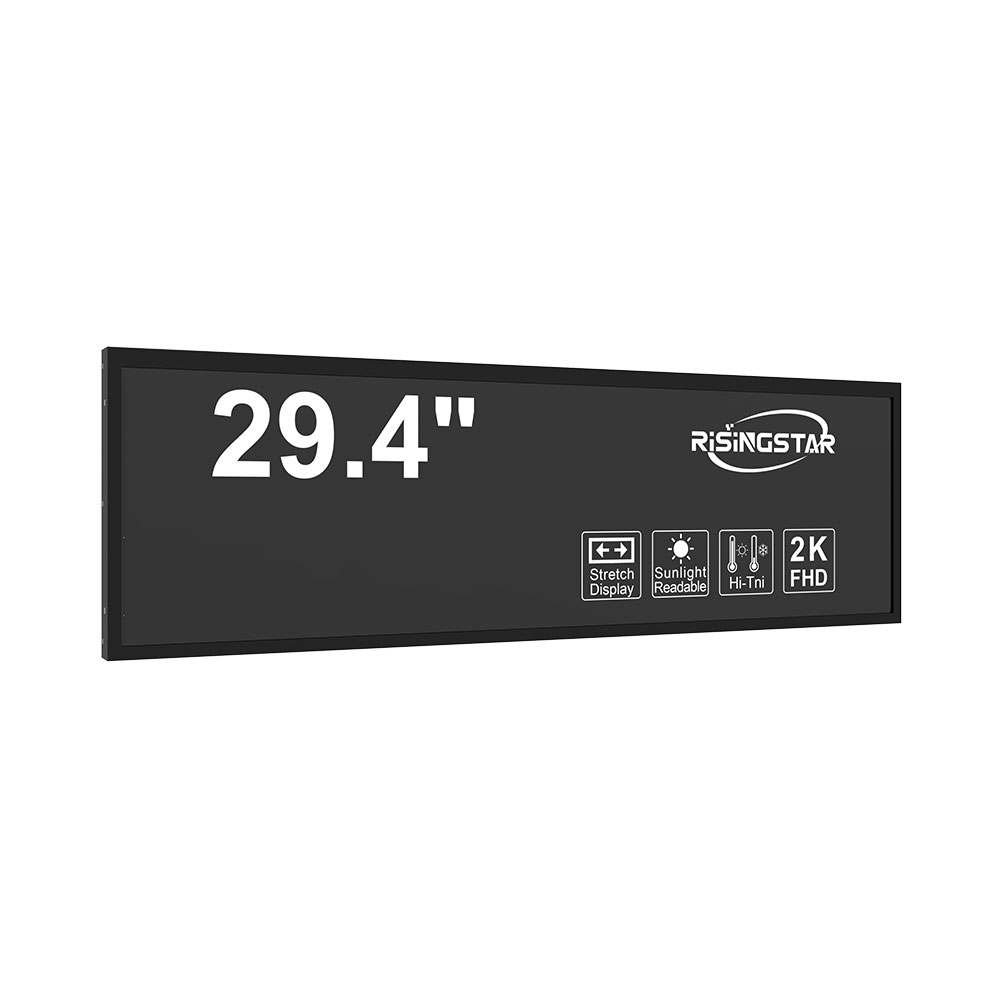
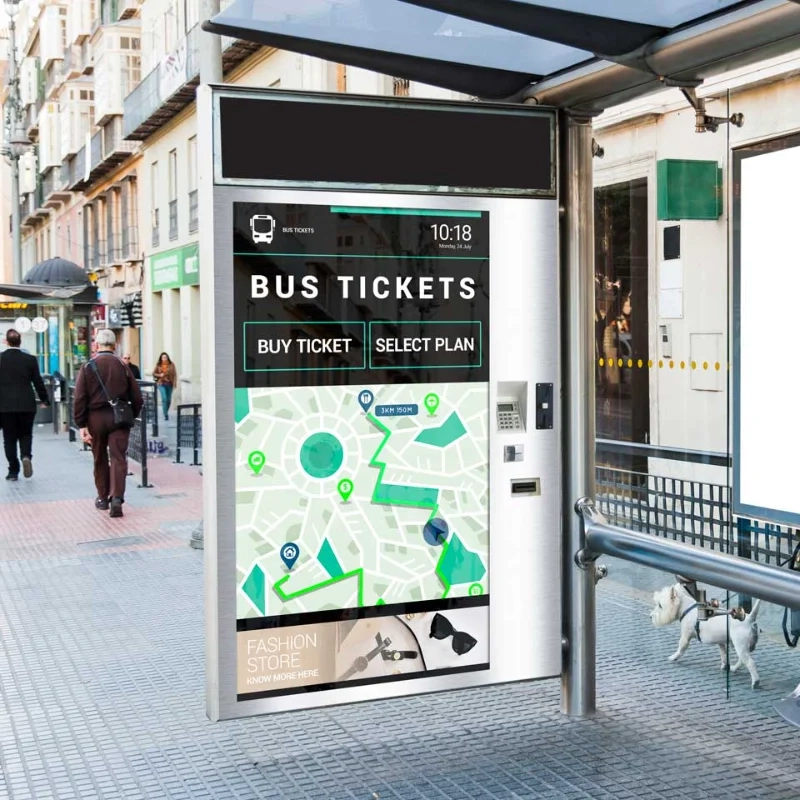
Case studies from defense and transportation sectors show that 17" 4:3 displays deployed in armored vehicles achieved 98% user satisfaction in daylight conditions, outperforming lower-brightness alternatives by up to 300%. Similarly, in smart city infrastructure, 19" sunlight-readable panels installed at bus stops reduced maintenance costs by 40% over five years due to their ruggedized design and low failure rate.
Industry standards like IEC 60068 and EN 60068 ensure mechanical durability, thermal stability, and resistance to vibration and shock—critical for mobile applications. Additionally, these displays often support wide temperature ranges (-30°C to +70°C) and IP65 ingress protection, making them suitable for extreme climates.
In summary, choosing the right 4:3 aspect ratio and screen size (15", 17", or 19") involves balancing operational requirements, space constraints, and environmental conditions. With proper engineering, these displays deliver superior performance in mission-critical settings where clarity, reliability, and longevity are non-negotiable.