RisingStar
- Home
- About Us
- Products
- News
- Video
- Contact
- Send Inquiry
Search
- Home
- About Us
- Products
- News
- Video
- Contact
- Send Inquiry
RisingStar
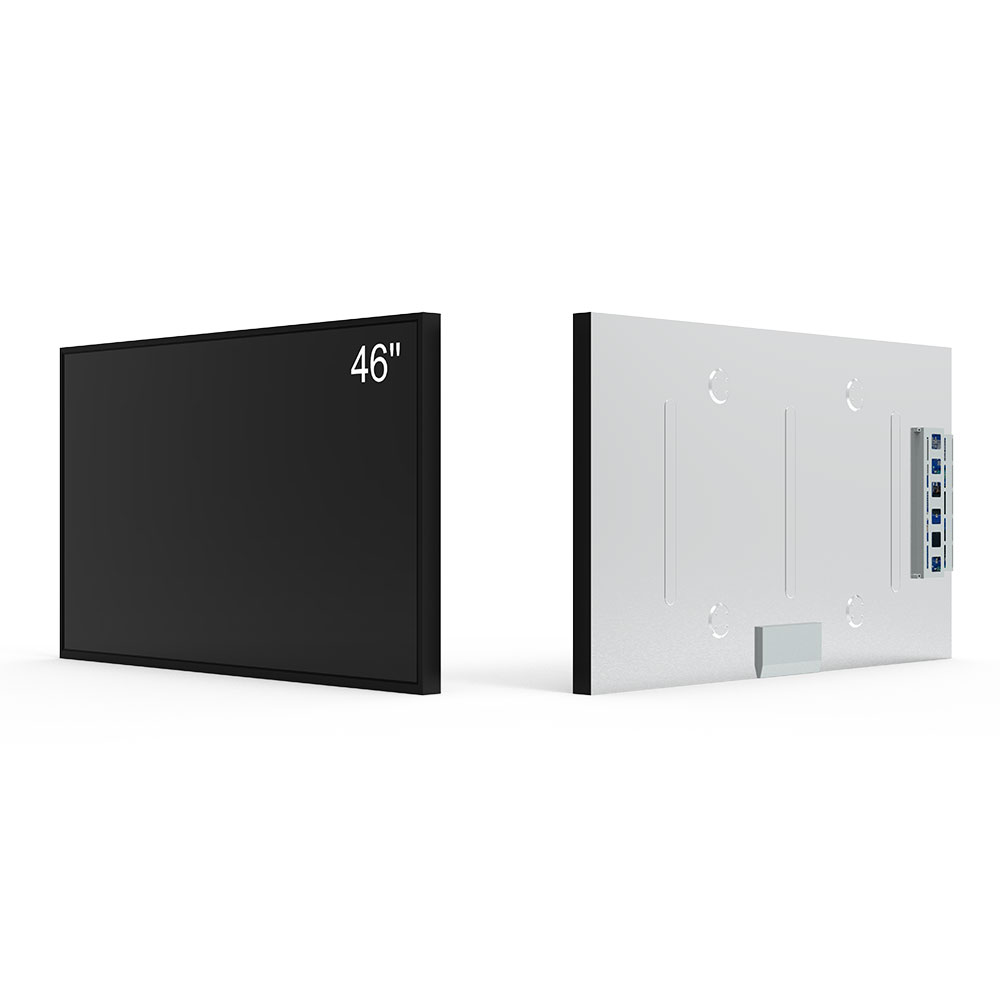
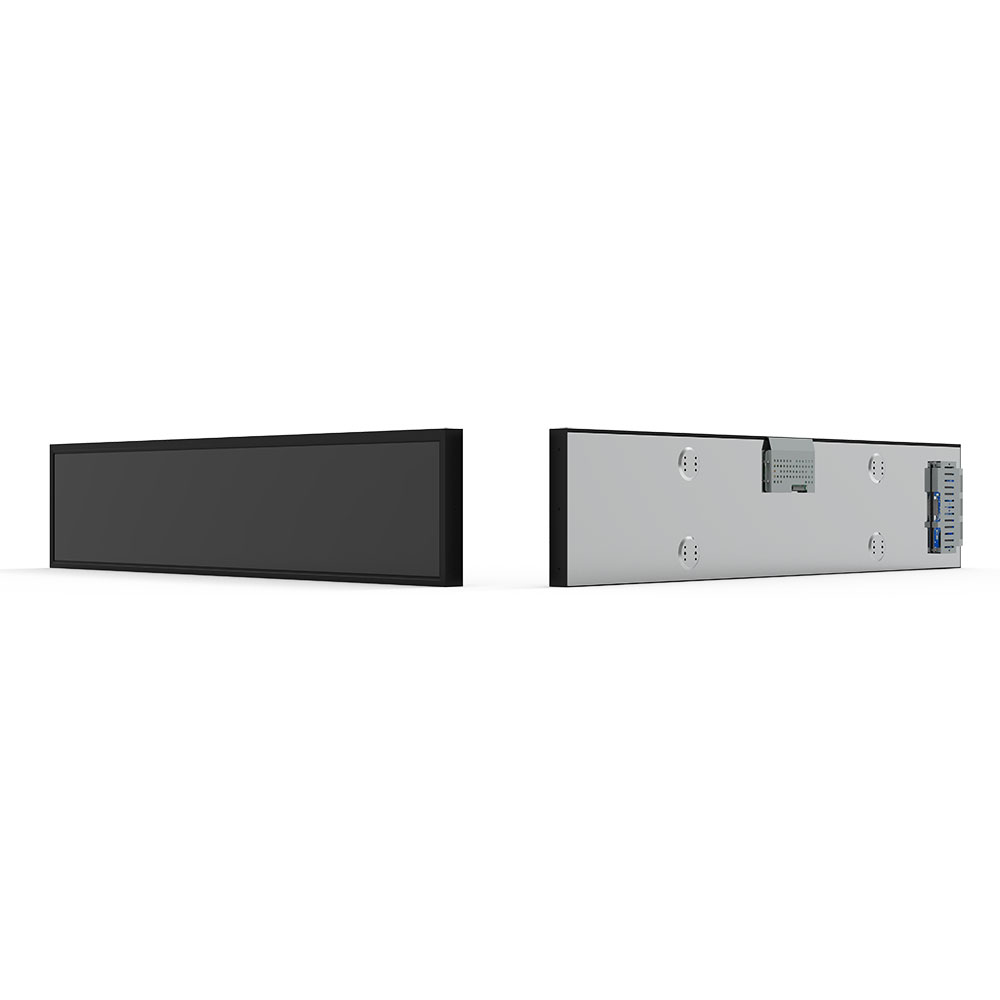
High-brightness, sunlight-readable LCD displays have become essential in modern outdoor and transportation environments where visibility under direct sunlight is critical. These specialized displays are engineered to maintain clarity, color accuracy, and responsiveness even in intense ambient lighting conditions—such as those found on railway platforms, bus stops, subway stations, intercity trains, EV charging kiosks, gas pumps, and digital signage in retail or real estate settings.
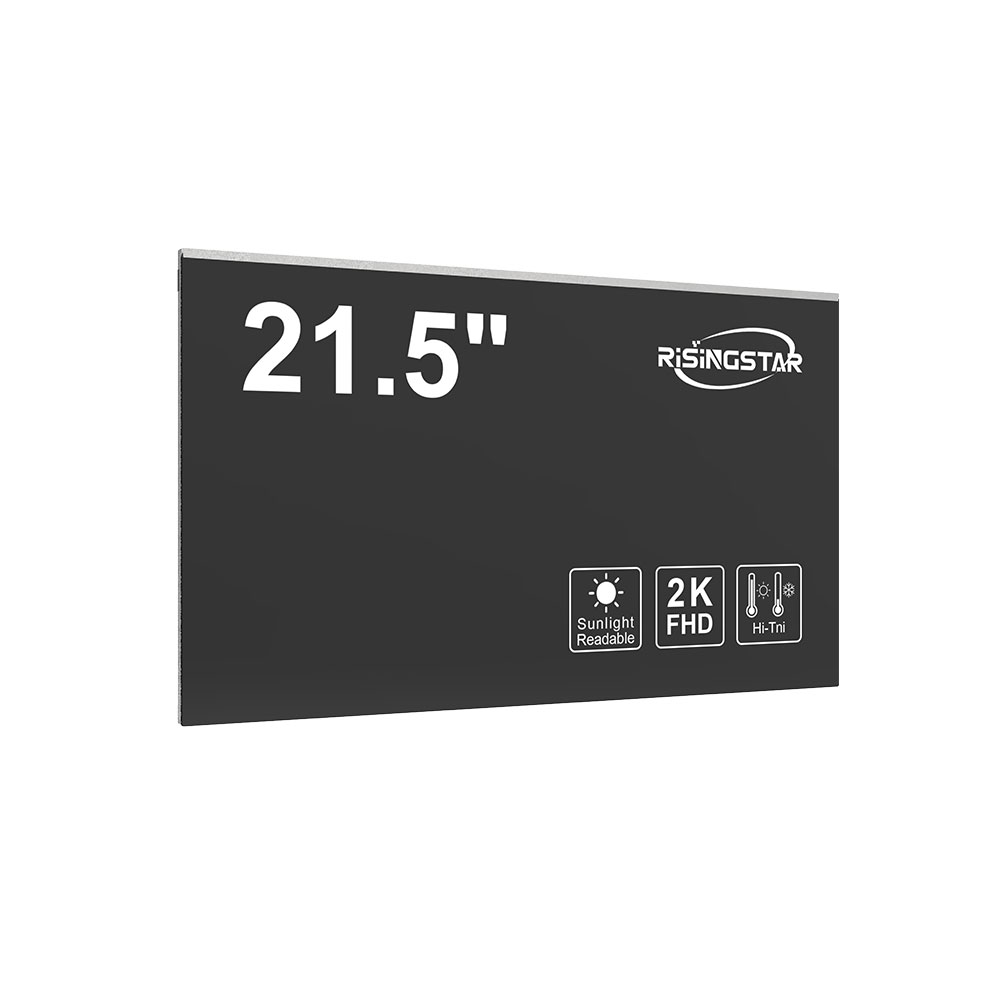
The core technology behind these displays lies in their ability to achieve brightness levels of 5,000 to 10,000 nits or more—far exceeding standard indoor LCDs that typically peak at 300–500 nits. This high luminance is achieved through advanced backlighting solutions such as LED arrays with optimized optical films, active contrast control, and local dimming techniques. Additionally, anti-glare coatings, polarization filters, and high-contrast ratios (often >1000:1) ensure readability without visual fatigue.
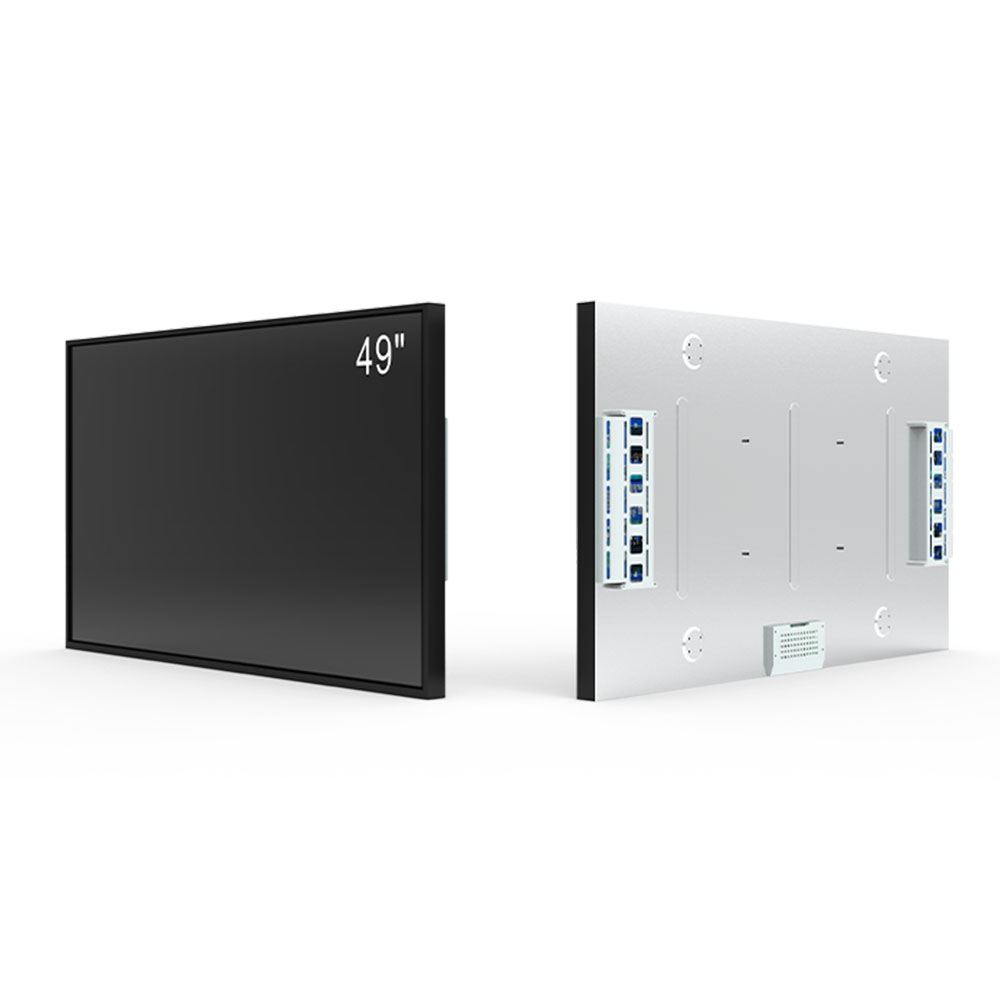
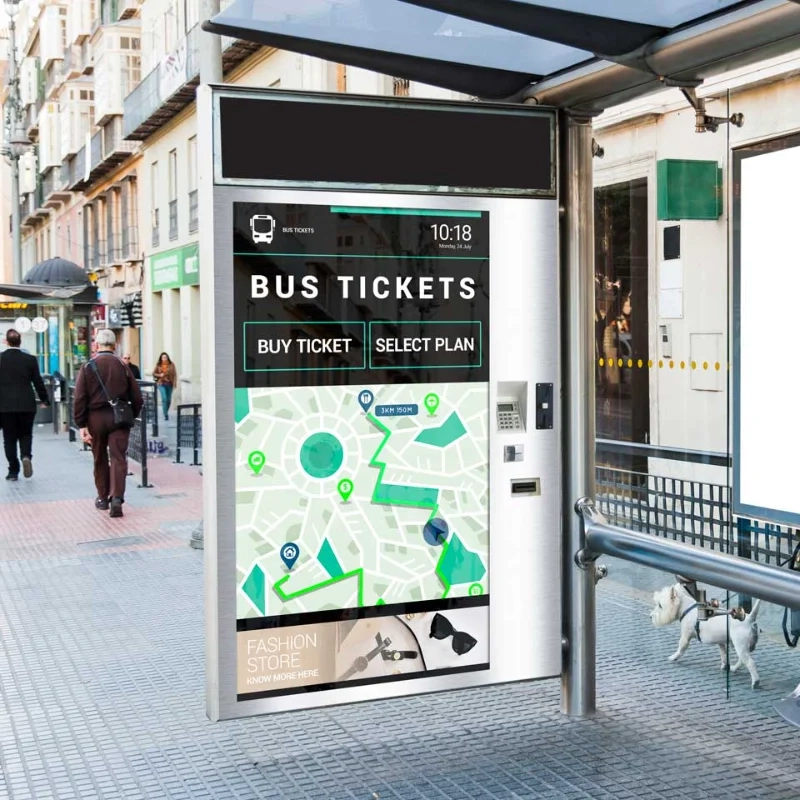
In the context of public transport, such as buses and subways, these displays serve as passenger information systems (PIS), providing real-time updates on schedules, delays, route changes, and safety alerts. According to a 2023 report by MarketsandMarkets, the global transit PIS market is projected to reach $6.8 billion by 2028, driven by demand for reliable, high-brightness displays in urban mobility hubs. For example, London’s Transport for All (TfL) has deployed over 10,000 sunlight-readable displays across its network, reporting a 40% improvement in passenger satisfaction due to clearer messaging.
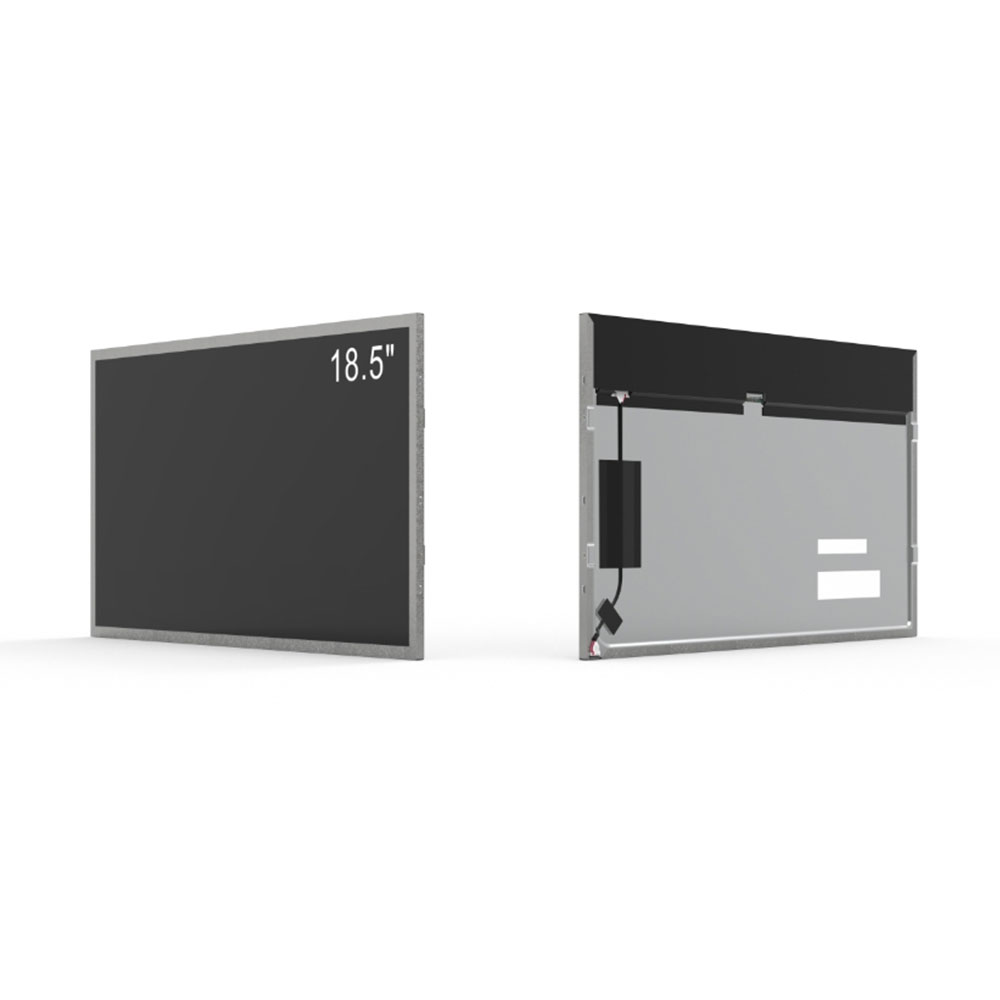
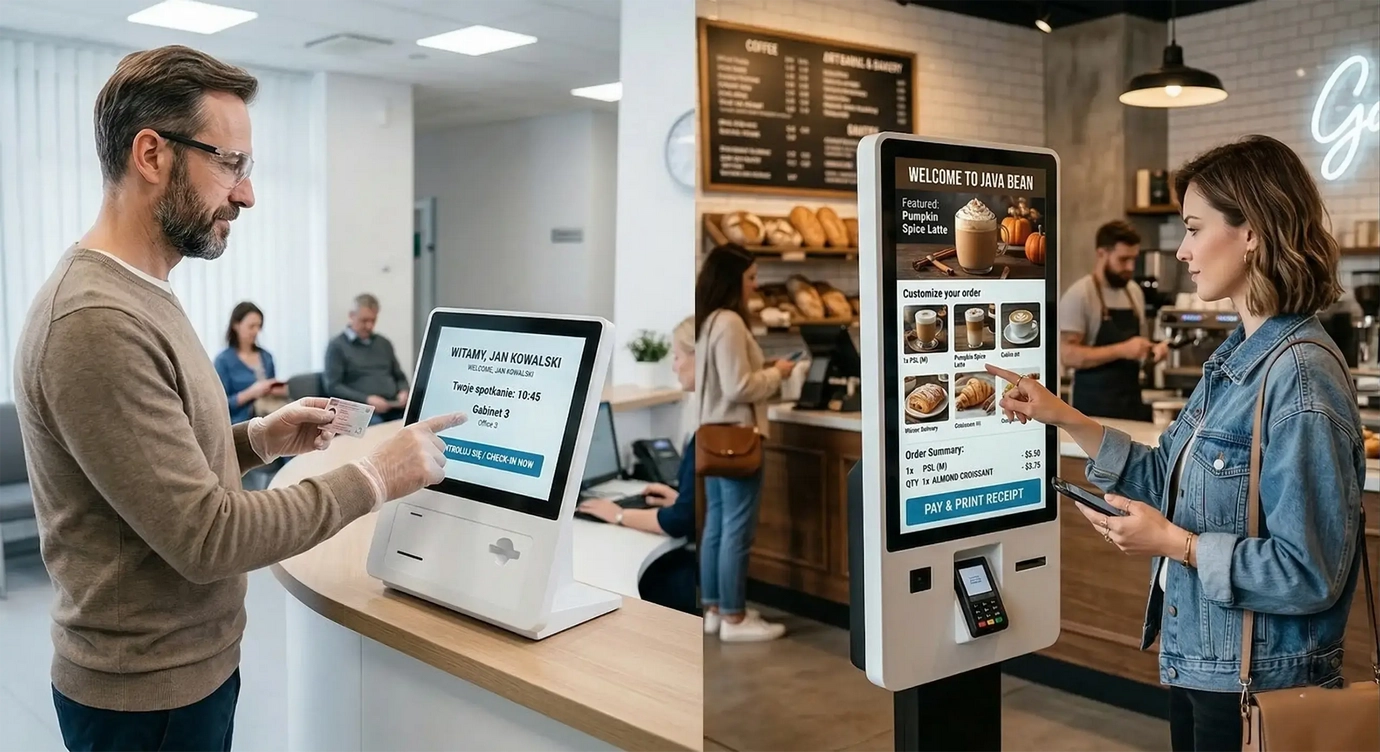
Similarly, in EV charging infrastructure, sunlight-readable LCDs provide intuitive interfaces for users to monitor charging status, payment options, and energy consumption. Companies like ChargePoint and Electrify America use these screens in public charging stations, ensuring usability during daylight hours—even under full sun exposure. A case study from Bosch Rexroth in 2022 demonstrated that high-brightness displays reduced user errors by 35% in outdoor EV kiosks compared to conventional low-brightness alternatives.
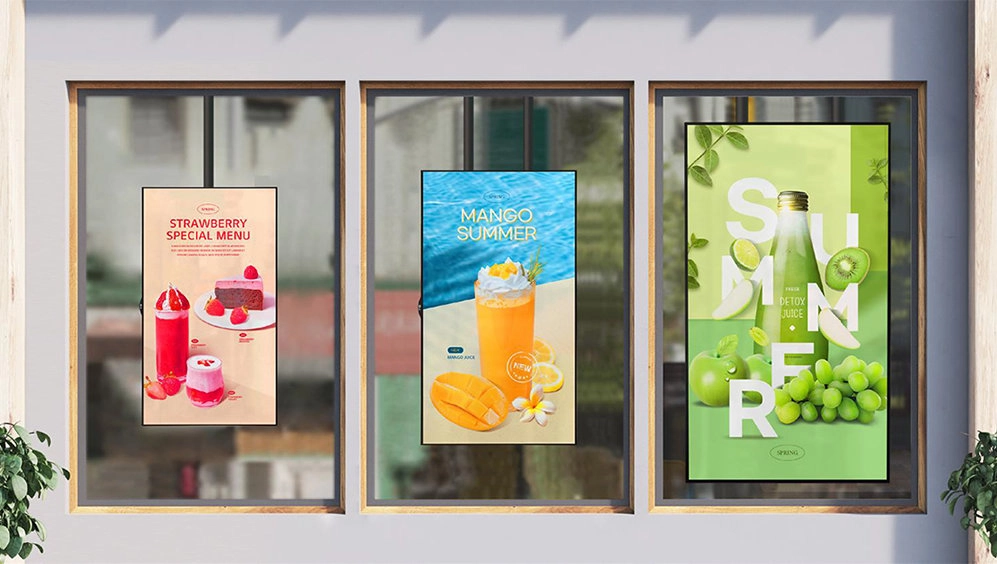
Outdoor digital signage in retail and real estate benefits from this technology by delivering impactful advertising messages visible in broad daylight. For instance, a 2023 deployment in Times Square by JCDecaux used 7,000-nit LCD panels, achieving 92% viewer engagement in direct sunlight—a 25% increase over standard displays. The same principle applies to smart gas pumps, where manufacturers like BP and Shell integrate high-brightness screens for fuel selection, loyalty programs, and promotional content, improving customer interaction times by up to 45%.
These displays also comply with industry standards such as MIL-STD-810G for ruggedness, IP65 for dust/water resistance, and RoHS compliance for environmental safety. Their durability ensures long-term operation in extreme temperatures (-20°C to +60°C) and high humidity environments—critical for continuous uptime in outdoor installations.
As cities worldwide embrace smart infrastructure, high-brightness sunlight-readable LCDs will remain indispensable across multiple verticals—from intelligent transportation systems to sustainable energy solutions and immersive retail experiences.