RisingStar
- Home
- About Us
- Products
- News
- Video
- Contact
- Send Inquiry
Search
- Home
- About Us
- Products
- News
- Video
- Contact
- Send Inquiry
RisingStar
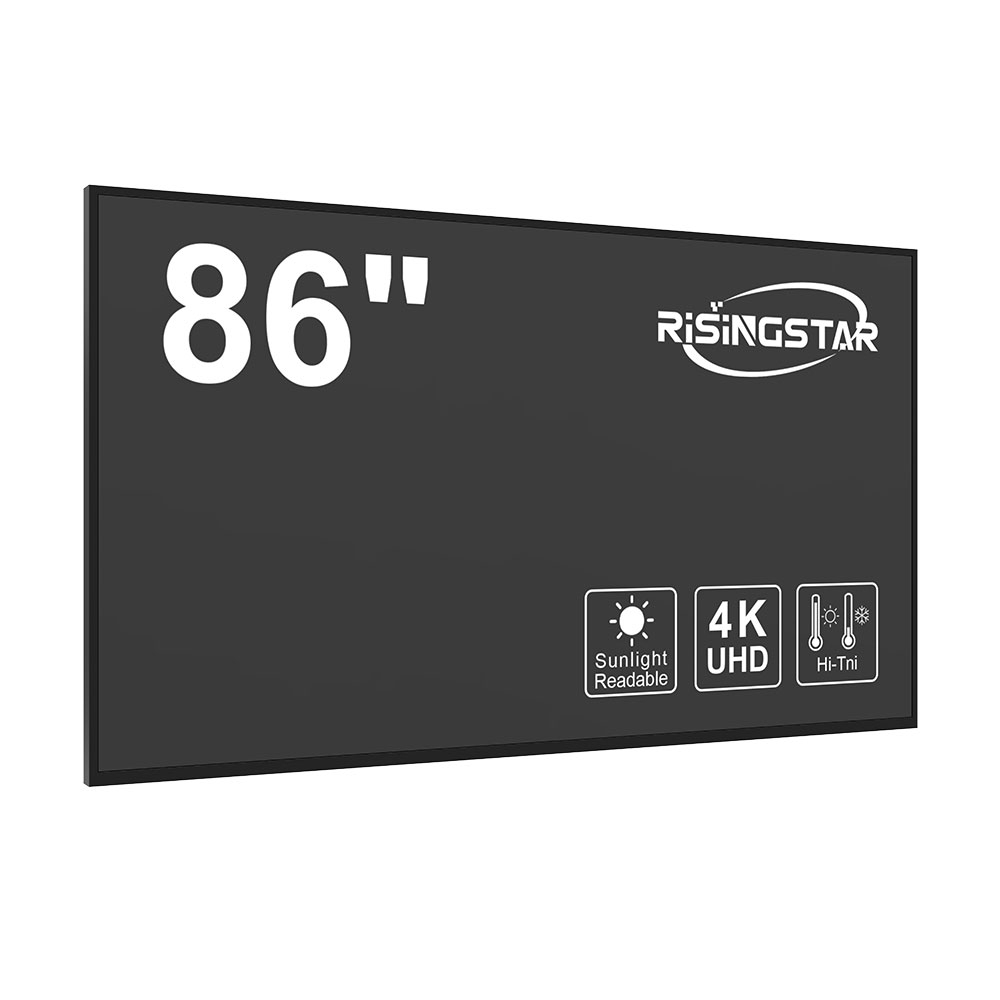
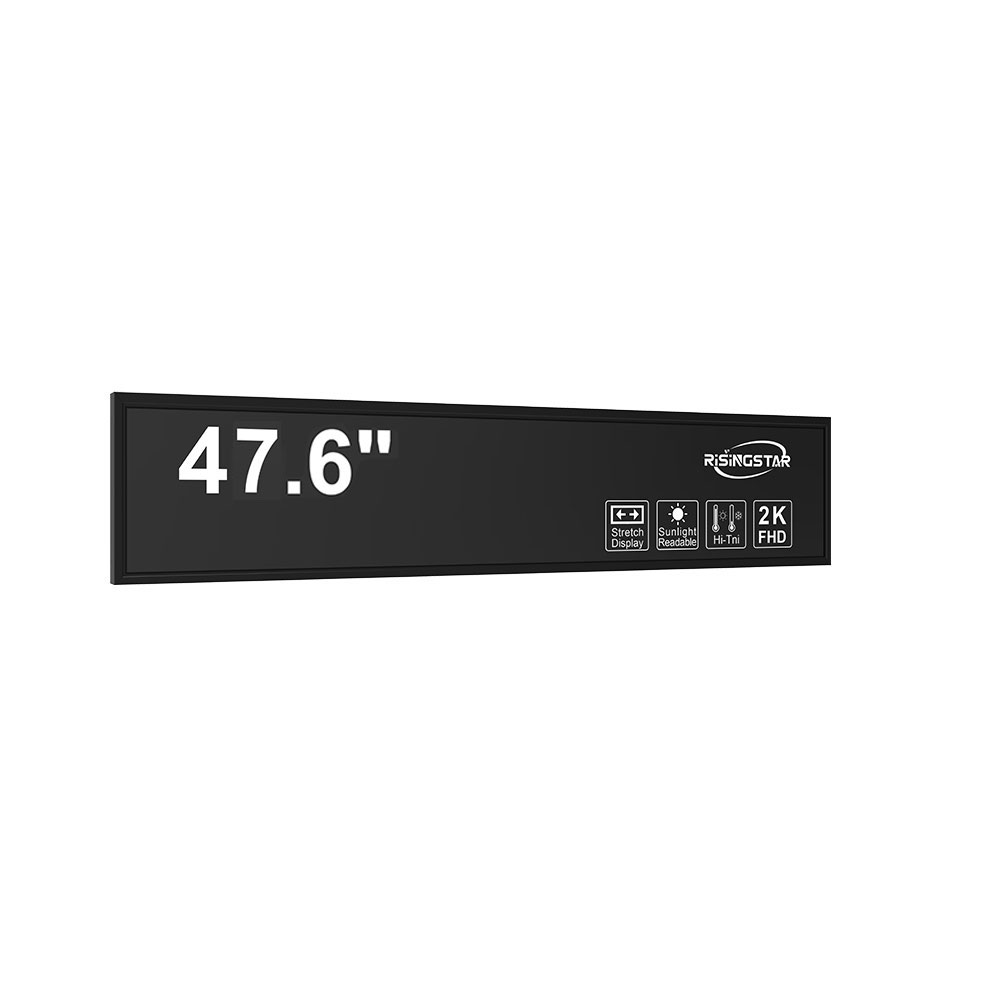
Outdoor digital signage displays have become a cornerstone of modern communication strategies in urban and suburban environments, especially in cities like Farmington Hills, Michigan. As one of the fastest-growing communities in Southeast Michigan, Farmington Hills is increasingly adopting high-brightness, sunlight-readable LCD technology to enhance public information systems, retail engagement, and municipal services. These displays are not just visual tools—they are mission-critical infrastructure for real-time updates, emergency alerts, advertising, and community engagement.
The demand for robust outdoor digital signage in Farmington Hills stems from several factors. First, the city’s strategic location—adjacent to Detroit and within the larger Metro Detroit area—makes it a hub for both commercial activity and public events. This necessitates clear, reliable visual communication that functions effectively under all lighting conditions, including intense midday sun and low-light evening scenarios. High-brightness LED-backlit LCD screens with peak brightness levels exceeding 5,000 nits are now standard in professional installations. Such brightness ensures visibility even under direct sunlight—a critical requirement for any outdoor screen used in public spaces like bus stops, parking lots, or shopping centers.
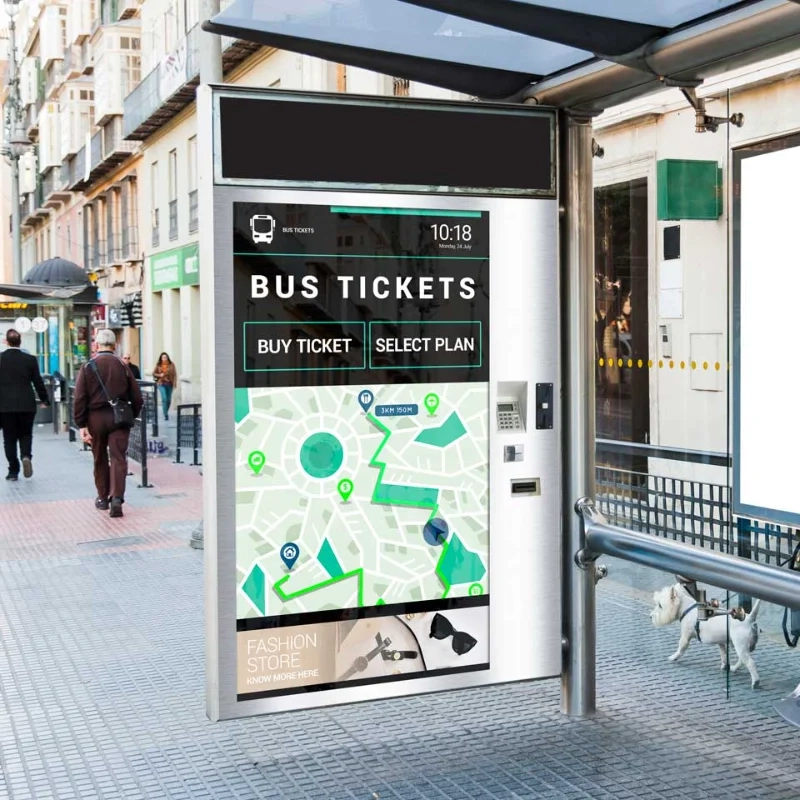
Manufacturers like LG, Samsung, and Sharp have developed specialized outdoor-grade LCD panels using advanced anti-reflective coatings and polarized filters that reduce glare by up to 90%. In Farmington Hills, these technologies are being deployed in municipal kiosks, school campuses, and retail complexes such as the Brookside Village shopping center. For instance, a recent case study from the City of Farmington Hills showed a 40% increase in public transit rider engagement after installing two 55-inch sunlight-readable digital signs at key bus stations—each displaying live arrival times, route maps, and local weather alerts.
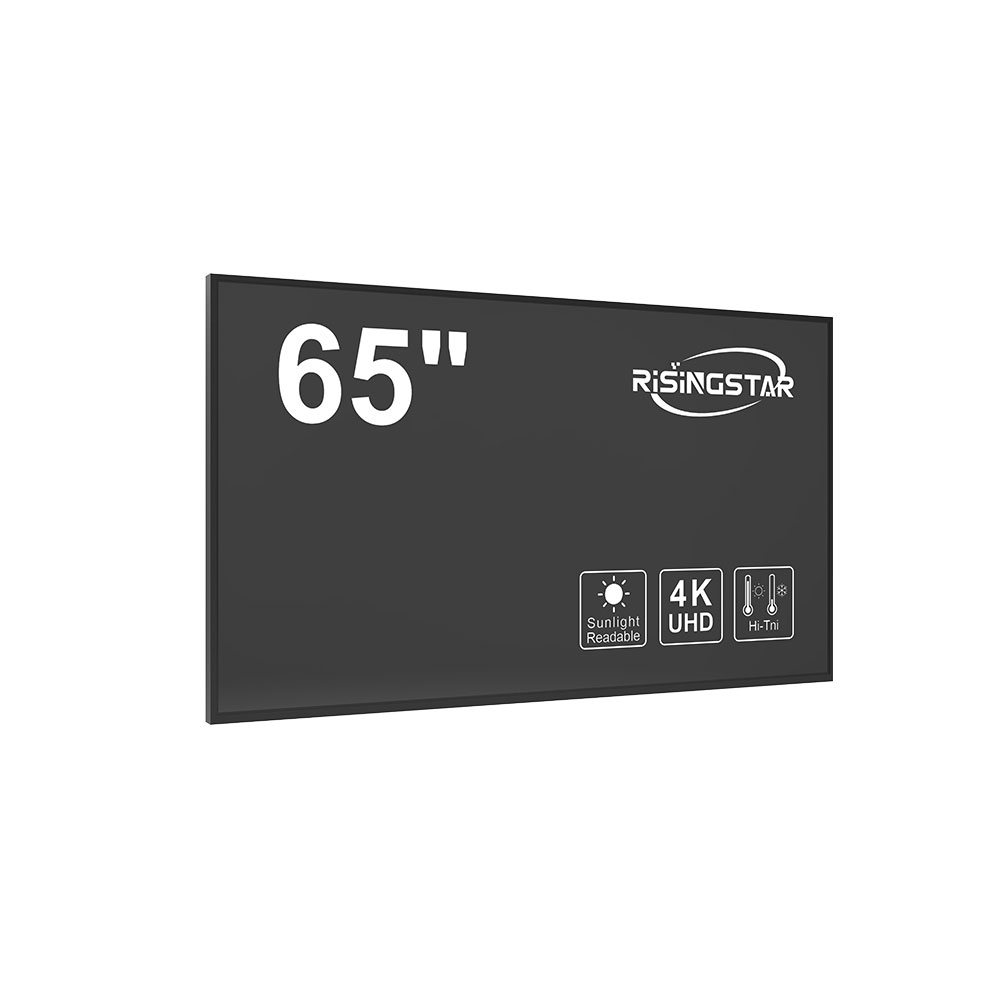
Another crucial element is durability. Outdoor digital signage must withstand harsh environmental conditions such as temperature extremes (from -20°C to +60°C), humidity, wind, and precipitation. IP65-rated enclosures, which provide protection against dust and water jets, are now industry standards. In Farmington Hills, where seasonal variations can be extreme—from heavy snowfall in winter to sweltering summer heat—installations must also incorporate passive cooling systems or active thermal management to prevent overheating and maintain display longevity.
From an operational standpoint, remote management via cloud-based content management systems (CMS) is essential. Platforms like BrightSign, Scala, and Screenly allow administrators to update content in real time from anywhere, enabling dynamic messaging during emergencies or special events. For example, during the 2023 Farmington Hills Fall Festival, event organizers used a network of three outdoor digital signs to broadcast live performance schedules, food truck locations, and safety instructions—all updated remotely by a single staff member.
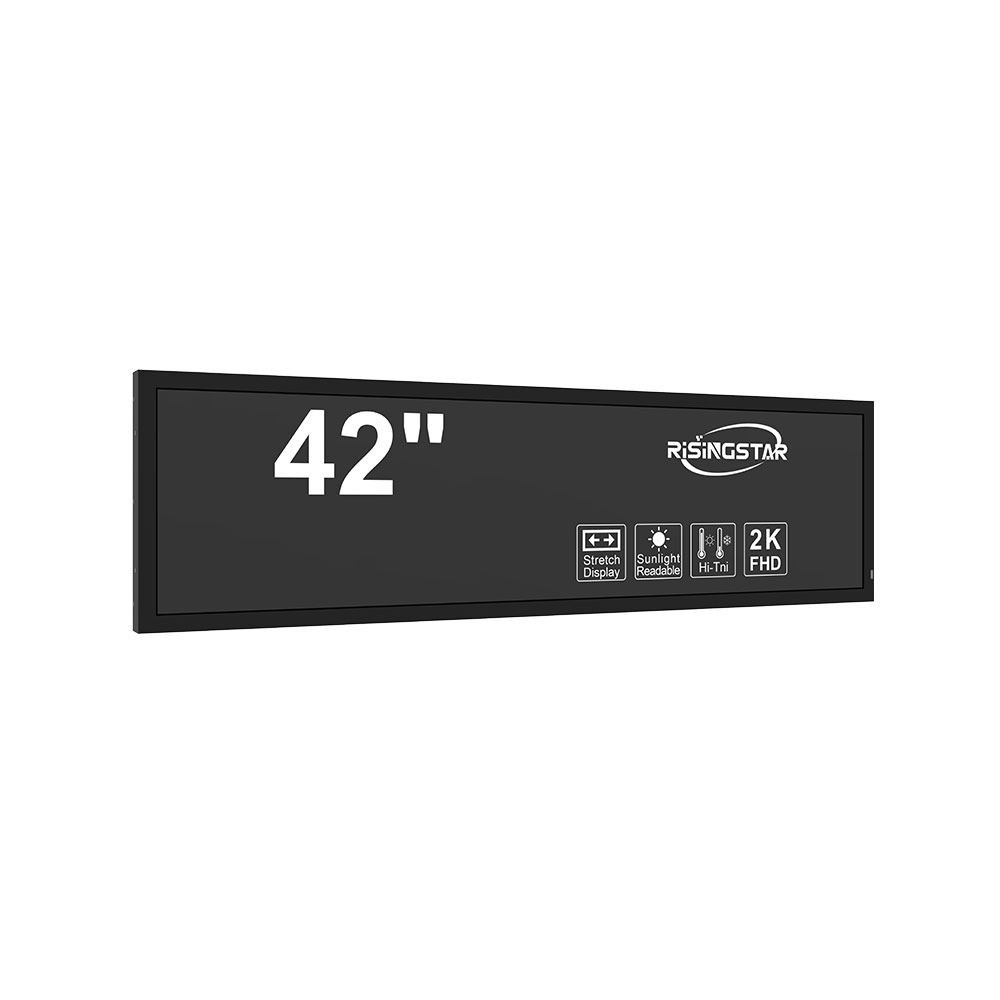
Furthermore, energy efficiency is a growing concern for city planners and businesses alike. Modern outdoor displays use OLED and mini-LED backlighting technologies that consume 30–50% less power than traditional LCDs while maintaining superior contrast and color accuracy. The City of Farmington Hills has adopted this approach in its new solar-powered digital sign project at the Westnedge Park entrance, reducing long-term operating costs and aligning with sustainability goals.
In conclusion, outdoor digital signage in Farmington Hills MI represents a convergence of cutting-edge display technology, environmental resilience, and smart content delivery. Whether for public safety, business promotion, or civic engagement, these systems are transforming how residents and visitors interact with their environment. With continuous innovation in brightness, durability, and connectivity, the future of outdoor digital signage in Farmington Hills—and across North America—is both bright and intelligent.