RisingStar
- Home
- About Us
- Products
- News
- Video
- Contact
- Send Inquiry
Search
- Home
- About Us
- Products
- News
- Video
- Contact
- Send Inquiry
RisingStar
In the world of display technology, IPS (In-Plane Switching) has become a standard for high-quality visual experiences in monitors used across industries—from professional design to gaming and enterprise computing. Understanding what is monitor IPS is essential for anyone seeking clarity on display performance, especially when choosing between LCD technologies like TN (Twisted Nematic) or VA (Vertical Alignment).
IPS technology was developed by Hitachi in the late 1990s as a solution to the limitations of TN panels—namely poor viewing angles, inaccurate color reproduction, and inconsistent brightness across different viewing positions. Unlike TN panels where liquid crystal molecules rotate perpendicular to the glass substrate, IPS aligns the molecules parallel to the plane of the panel, enabling more uniform light transmission and superior image quality. This structural difference results in several key advantages: wider viewing angles (typically 178° horizontally and vertically), better color accuracy, and consistent performance from any angle.
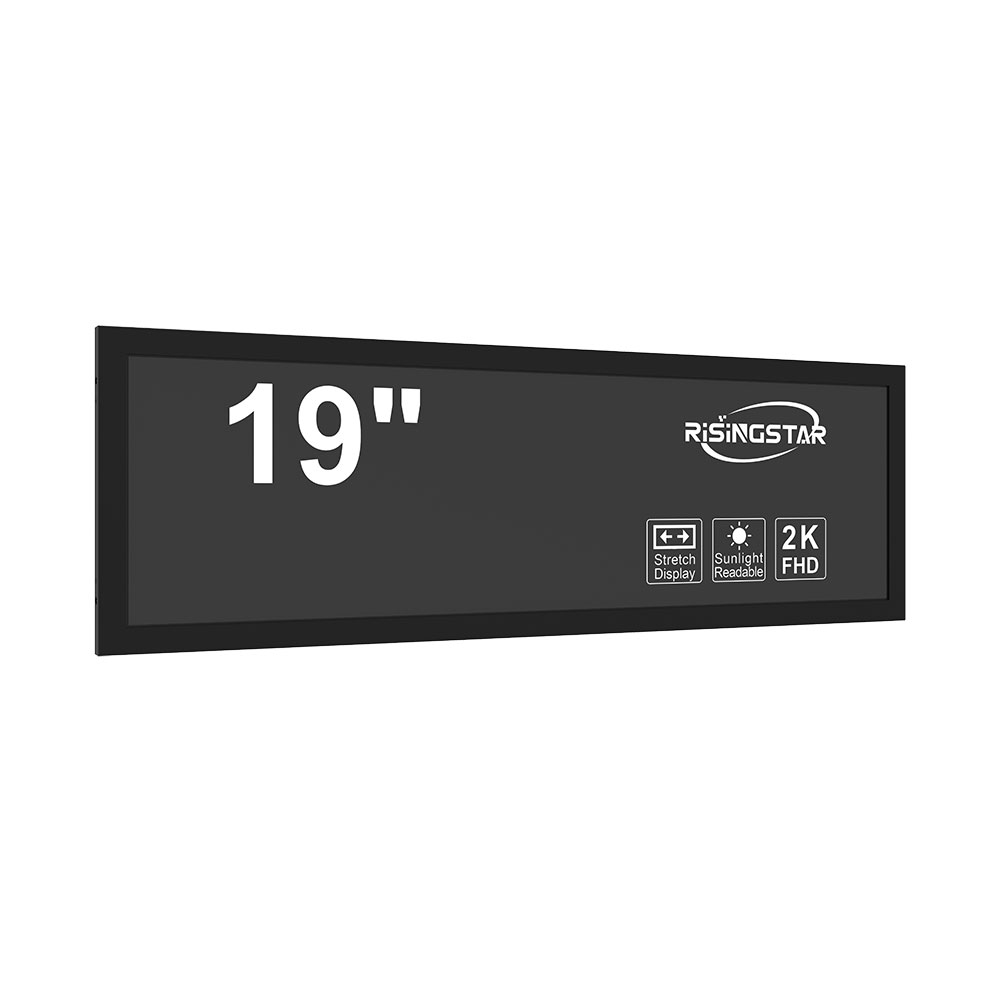
The technical specifications of IPS panels are often cited in terms of contrast ratio, color gamut, and response time. For instance, modern IPS monitors commonly offer a contrast ratio of 1000:1 or higher, support for sRGB or Adobe RGB color spaces (essential for graphic designers), and response times ranging from 4ms to 8ms—fast enough for most applications except competitive gaming, where ultra-low latency is critical. Recent advancements have led to "Fast IPS" variants that reduce response times to under 2ms without sacrificing color fidelity—a breakthrough that bridges the gap between IPS and TN panels in performance-sensitive scenarios.
Industry adoption of IPS is widespread due to its reliability and consistency. According to market research by Statista (2023), over 65% of premium consumer monitors sold globally use IPS technology, while enterprise sectors such as medical imaging, digital signage, and automotive dashboards rely heavily on IPS due to its predictable behavior under varying lighting conditions. Case studies from companies like Dell and LG reveal that professionals in architecture, video editing, and photography consistently prefer IPS displays because of their ability to reproduce true-to-life colors even under direct sunlight—a crucial feature for outdoor or mobile work environments.
Moreover, IPS panels are inherently more energy-efficient than older LCD technologies, thanks to improved backlight uniformity and reduced need for dynamic contrast adjustments. When combined with LED-backlit designs, IPS monitors achieve peak brightness levels exceeding 500 nits, making them ideal for sunlight-readable applications. In fact, the U.S. Department of Defense’s MIL-STD-810G certification for military-grade displays frequently requires IPS-based screens for their durability, visibility, and resistance to environmental stressors such as temperature swings and humidity.
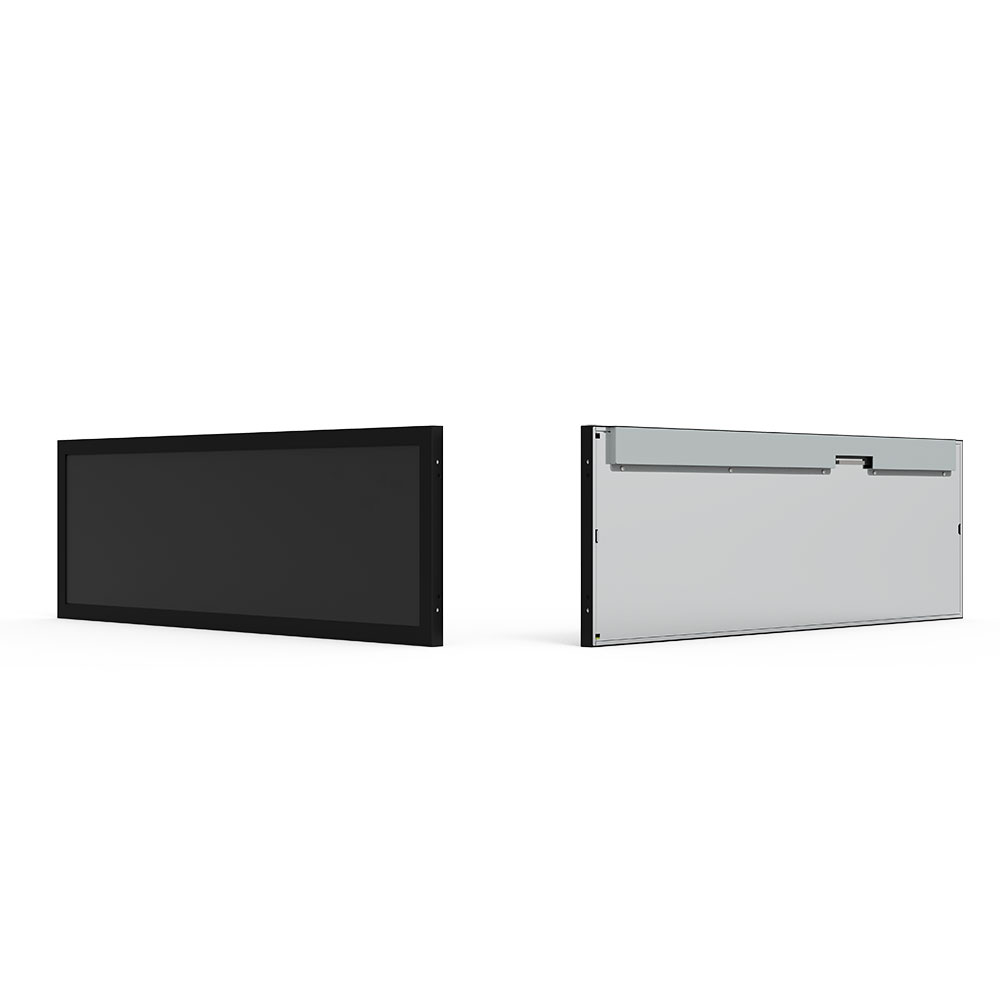
From an end-user perspective, choosing an IPS monitor means prioritizing visual integrity over raw speed. Whether you're reviewing satellite imagery, designing product mockups, or streaming 4K content, IPS ensures that every pixel delivers accurate color, sharp detail, and minimal distortion—even at extreme angles. As OLED and Mini-LED technologies emerge, IPS remains the benchmark for balanced performance in professional and everyday settings alike.
For engineers, procurement managers, and tech enthusiasts alike, understanding what is monitor IPS isn’t just about knowing a panel type—it’s about recognizing how it impacts productivity, usability, and long-term value. The evolution of IPS continues, with innovations like quantum dot-enhanced IPS (QD-IPS) pushing luminance and color precision further into new territory.