RisingStar
- Home
- About Us
- Products
- News
- Video
- Contact
- Send Inquiry
Search
- Home
- About Us
- Products
- News
- Video
- Contact
- Send Inquiry
RisingStar
In today’s increasingly connected and mobile-driven world, the demand for high-brightness sunlight-readable LCD screens is surging across industries such as transportation, defense, industrial automation, and outdoor consumer electronics. Unlike standard indoor displays that function optimally under controlled lighting conditions, these specialized screens are engineered to maintain clarity, contrast, and usability even under direct sunlight—often exceeding 10,000 lux of ambient light. This article explores the technological foundations, design principles, industry applications, and real-world case studies of high-brightness sunlight-readable LCDs, offering a comprehensive view tailored to engineers, product designers, and procurement professionals.
At the core of a sunlight-readable display lies its ability to deliver sufficient brightness while minimizing glare and maintaining color accuracy. Traditional LCDs typically emit between 250–400 nits (candela per square meter), which is insufficient for outdoor use. In contrast, high-brightness LCDs can reach 5,000 to 10,000+ nits—a level comparable to daylight intensity. To achieve this, manufacturers employ multiple strategies including enhanced backlighting, advanced polarizer technology, anti-reflective coatings, and optimized panel architectures.
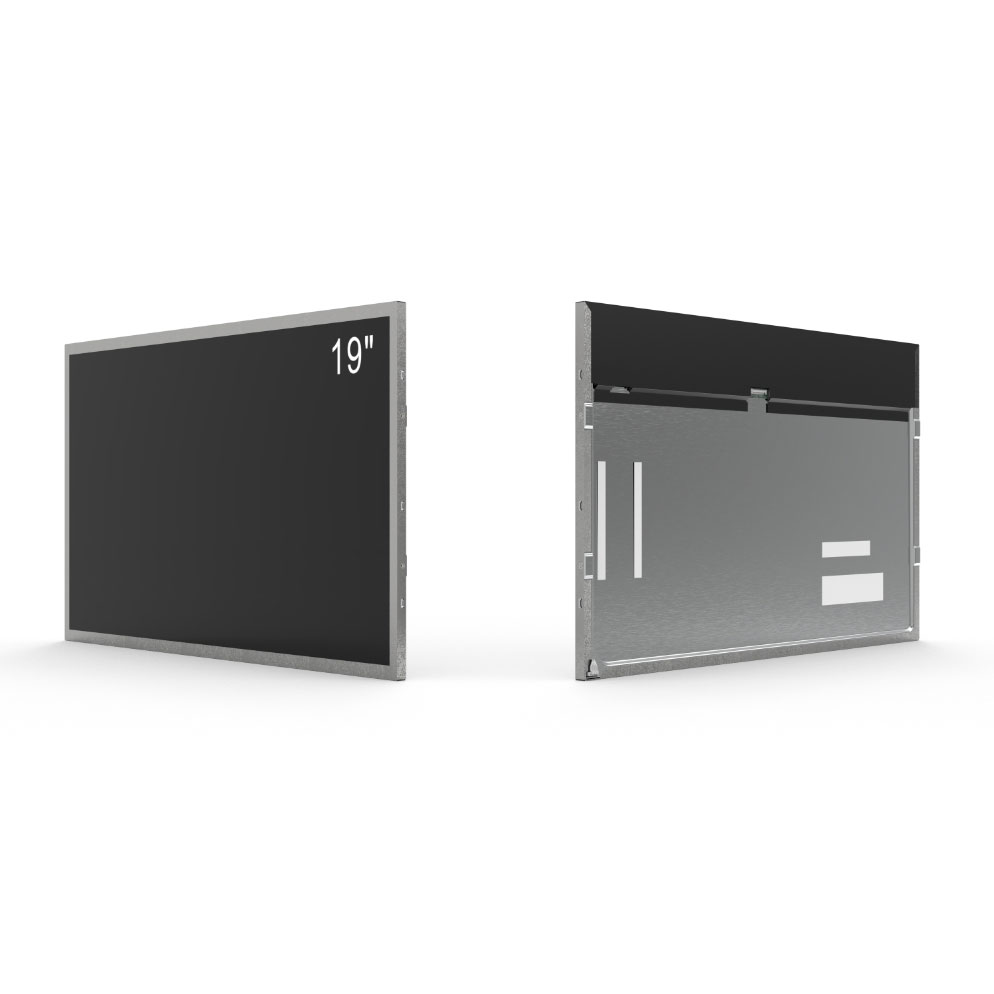
One critical advancement is the use of LED-based edge-lit or direct-lit backlights with high-efficiency drivers. For instance, the latest generation of high-brightness panels often integrates phosphor-converted LEDs (pc-LEDs) that provide broader spectral coverage and better thermal stability than older fluorescent backlights. According to a 2023 study published in IEEE Transactions on Consumer Electronics, pc-LEDs enable up to 30% higher luminance efficiency at reduced power consumption—a crucial factor for battery-powered outdoor devices like drones, handheld military gear, and portable medical equipment.
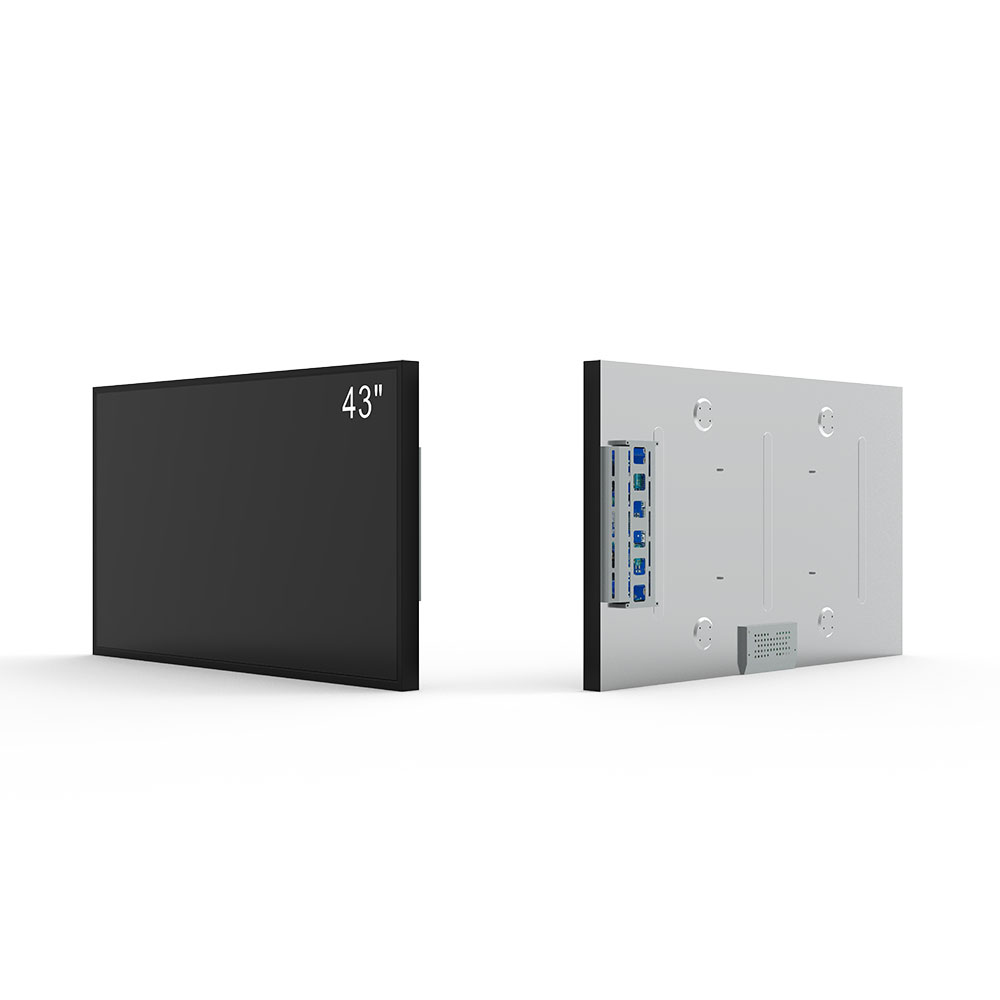
Another essential element is the implementation of dual-layer or triple-layer anti-reflection (AR) coatings. These nanostructured coatings reduce surface reflectivity from ~4% to less than 0.5%, significantly improving visibility in direct sunlight. Companies like Corning and Schott have developed proprietary AR films using sol-gel processes and atomic layer deposition techniques that enhance both optical performance and mechanical durability. Such coatings are especially valuable in harsh environments where dust, moisture, and temperature extremes can degrade standard glass surfaces.
The choice of liquid crystal material also plays a pivotal role. While conventional Twisted Nematic (TN) or In-Plane Switching (IPS) panels offer acceptable viewing angles and response times, they may struggle with contrast ratios under intense illumination. High-brightness sunlight-readable panels frequently adopt Advanced Super View (ASV) or Vertical Alignment (VA) technologies, which provide deeper blacks and higher contrast ratios (often >1000:1). For example, Japan Display Inc.'s VA-based modules used in outdoor traffic signal systems show consistent readability even during peak solar hours, according to a 2022 field test conducted by the Ministry of Land, Infrastructure, Transport and Tourism (MLIT) in Japan.
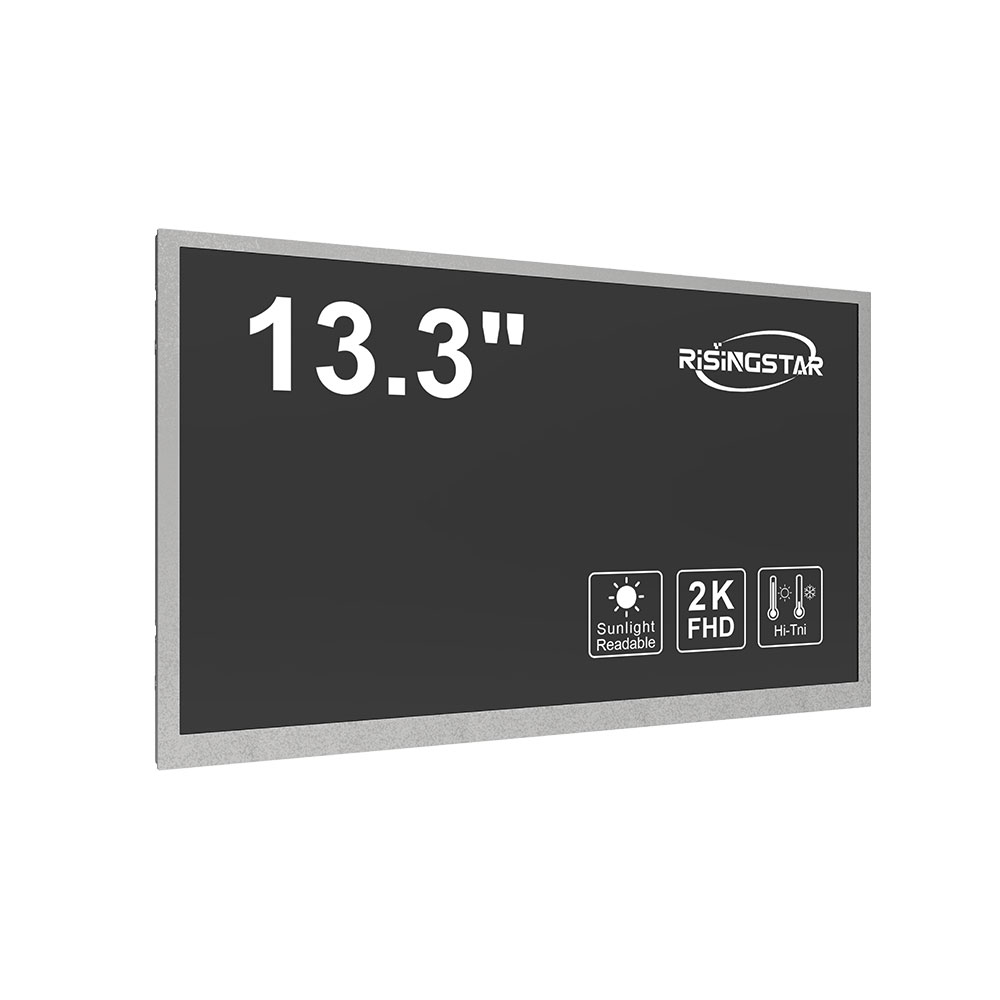
Furthermore, modern high-brightness LCDs integrate intelligent brightness control algorithms based on ambient light sensors. These adaptive systems dynamically adjust screen brightness to match environmental conditions, thereby extending battery life without compromising visibility. A case study by Samsung Display demonstrated a 40% reduction in power consumption for an outdoor kiosk application when using automatic brightness adjustment versus fixed maximum brightness mode—an outcome particularly beneficial for solar-powered IoT installations.
From a manufacturing standpoint, achieving high brightness while maintaining reliability involves stringent quality control. MIL-STD-810G certification for shock, vibration, and temperature cycling is now common for ruggedized LCDs used in military and aerospace applications. Additionally, IP65 or higher ingress protection ratings ensure resistance to water jets and dust infiltration, making them suitable for marine, construction, and agricultural equipment. According to a 2021 report by MarketsandMarkets, the global market for ruggedized display solutions grew at a CAGR of 9.7% from 2020 to 2023, driven largely by defense spending and infrastructure digitization efforts worldwide.
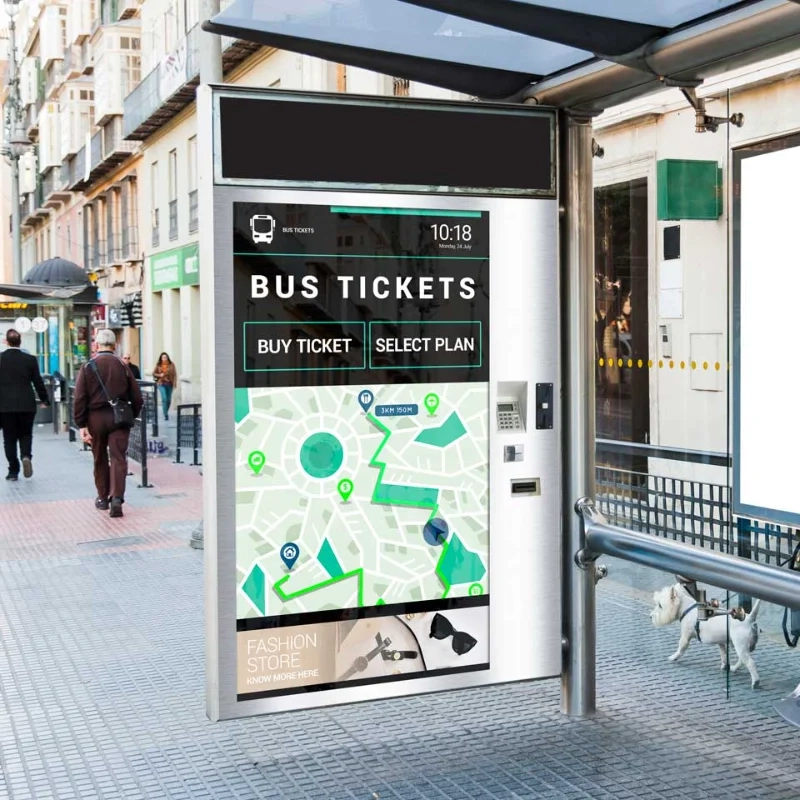
Industry adoption varies by sector but follows clear trends. In transportation, companies like Siemens and Hitachi utilize high-brightness LCDs in train control panels, airport navigation displays, and public transit information boards. For example, the London Underground deployed over 500 high-brightness touchscreens in its new rolling stock fleet, citing improved safety due to better visibility during daytime operations—a move aligned with the UK's Department for Transport guidelines on operational visibility standards.
In defense and security, the U.S. Army’s Future Vertical Lift (FVL) program mandates sunlight-readable displays for all next-generation helicopters, requiring luminance levels above 8,000 nits. Honeywell and Elbit Systems have partnered to develop custom-built LCD modules that meet these demanding specs, incorporating features like wide temperature operation (-40°C to +70°C), electromagnetic interference (EMI) shielding, and secure firmware updates.
Industrial automation benefits from sunlight-readable LCDs in factory settings where operators must monitor production lines outdoors or near open windows. Rockwell Automation, for instance, integrates such displays into their FactoryTalk View SE software platform for real-time machine monitoring in automotive assembly plants located in regions with extreme solar exposure, such as Arizona and Dubai.
Consumer applications are expanding too. Smartphones and tablets designed for outdoor use—like Garmin’s Fenix series or DJI’s Osmo Action cameras—are now equipped with OLED or mini-LED displays that achieve 2,000–5,000 nits of peak brightness. However, OLEDs still face challenges in long-term durability under UV exposure, prompting some manufacturers to opt for high-brightness LCDs in professional-grade outdoor devices.
The future of sunlight-readable LCD technology looks promising with ongoing innovations in quantum dot (QD) enhancement layers, micro-LED integration, and AI-driven optimization of display parameters. QD-enhanced LCDs promise wider color gamuts and improved efficiency, while micro-LED offers potential for ultra-high brightness (>10,000 nits) and faster response times. As sustainability becomes a priority, manufacturers are also exploring recyclable materials and low-power modes to reduce environmental impact.
In conclusion, high-brightness sunlight-readable LCD screens represent a convergence of optics, materials science, and system-level engineering. Their successful deployment hinges not only on raw luminance output but also on robustness, energy efficiency, and intelligent adaptation to changing environments. Whether in mission-critical military operations or everyday outdoor consumer products, these displays are becoming indispensable tools for ensuring visibility, safety, and productivity in the digital age.